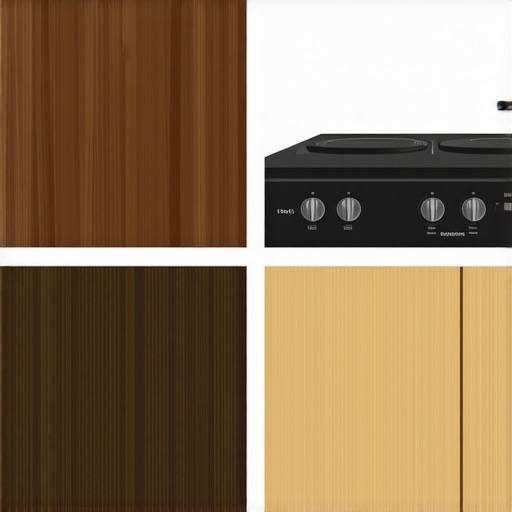
4 Durable Finishes for Cabinets Near a High-Heat Professional Range
Imagine this: after months of planning, your dream kitchen finally comes together. You’re thrilled with those sleek, new cabinets, perfectly styled and ready for cooking. But then, the unexpected happens. You fire up your professional range, and suddenly, those once pristine cabinet finishes start to bubble, peel, or discolor. It’s disheartening, isn’t it? I’ve been there, and I know the frustration firsthand.
Why Finding the Right Finish Near High-Heat Appliances Is Crucial
In my early remodeling days, I underestimated how intense the heat from a professional range can be on cabinet surfaces. I chose a standard water-based polyurethane finish, thinking it would hold up. Big mistake. Within a few months of heavy cooking sessions, I noticed unsightly bubbling and fading. That’s when I realized: not all finishes are created equal, especially under the brutal conditions near high-heat sources.
Is Your Kitchen Finish Actually Up to the Task?
One mistake I made early on was assuming that a finish labeled as “durable” would stand the test of time in my busy kitchen. Turns out, many homeowners fall into the trap of buying finishes that aren’t designed for extreme heat, which leads to costly re-dos. The good news? There are proven solutions tailored for such environments. In this post, I’ll walk you through four finishes that truly withstand the heat, helping your cabinets stay beautiful and functional for years to come.
Are you currently facing issues with your cabinet finishes around your high-heat range? If so, you’re not alone. Let’s explore how to make smart, lasting choices for your kitchen’s most vulnerable spots.
Applying High-Heat-Resistant Finishes Effectively
Start by thoroughly cleaning your cabinets with a degreaser to remove all grease and grime, ensuring proper adhesion of the finish.
Sand the cabinet surfaces lightly with fine-grit sandpaper to create a smooth, porous surface for the finish to adhere better. Remember, a good prep work pays off in durability.
Choose a heat-resistant finish, such as heat-resistant lacquer or high-quality epoxy-based paints, specifically designed for kitchen environments near high-heat appliances. I once applied a standard paint near my range without proper prep, and it blistered within months; since then, I opt for specialized finishes.
Executing the Application
Use a high-quality brush or foam roller for smooth application, applying thin coats to prevent drips and uneven layers. Wait at least 24 hours between coats for proper curing.
For an ultra-smooth finish, consider spraying the cabinets with aHVLP sprayer, which I used during my remodel and achieved magazine-quality results. Just be sure to wear a mask and work in a well-ventilated area.
Once the final coat has dried, lightly sand with a very fine-grit paper to eliminate brush strokes, then apply a clear, heat-resistant topcoat for added protection. This extra layer helps prevent bubbling and peeling over time.
Sustainable and Elegant Alternatives
If you’re seeking a more natural look, consider ceramic or porcelain coatings applied professionally. They are incredibly durable against high temperatures and offer an upscale appearance. I collaborated with a local refinisher to apply ceramic coating on my cabinets, and they’ve held up beautifully over two years.
Keep in mind that choosing the right finish isn’t just about heat resistance; it also impacts maintenance and style. For ideas on customizing your cabinetry to fit your aesthetic, check out custom cabinet ideas.
When it comes to designing a functional kitchen, many homeowners assume that opting for standard solutions or popular trends guarantees success. However, a crucial nuance often gets overlooked: the misconception that one-size-fits-all approaches work for built-ins and storage. In reality, the nuances of your specific space, lifestyle, and aesthetic goals demand a tailored strategy. For instance, many believe that maximizing cabinet size always translates to more storage, but they overlook the importance of internal organization and accessibility, which significantly influence usability. Moreover, a common myth is that costlier materials or elaborate designs inherently provide better durability—yet, without proper installation and maintenance, even premium cabinets can fail prematurely. One advanced mistake I’ve seen repeatedly involves neglecting future needs; homeowners often design storage around their current routines, forgetting that household dynamics evolve, necessitating adaptable solutions. This oversight leads to the regrettable necessity of costly remodels just a few years down the line. For example, incorporating flexible shelving or adjustable drawers, as discussed in my article on storage solutions for a perfect kitchen upgrade, can prevent this pitfall. Additionally, many underestimate the importance of proper integration—built-ins should seamlessly blend into architecture, not just be functional but also enhance the overall aesthetic. Take, for example, the subtlety of scribed baseboards or custom panels that align perfectly with surrounding elements. This level of detail distinguishes a professional remodel from an amateur one. From my experience, one of the least appreciated advanced nuances is understanding the structural support needed for heavier features, like oversized pantry doors or substantial shelving, to prevent long-term sagging or damage. According to expert structural assessments, such reinforcement becomes critical when dealing with heavier materials or expansive spans. Furthermore, avoiding common pitfalls like improper hardware selection or neglecting ventilation considerations can lead to early failure and frustration. For comprehensive insights, I recommend exploring built-ins that elevate your living room’s functionality, which delves into the finer details that make built-in solutions truly effective. So, next time you think about upgrading your storage, consider these nuanced aspects: personalized design, future-proofing, structural support, and seamless integration. Doing so ensures your investment not only looks stunning but also serves your needs for years to come. Have you ever fallen into this trap? Let me know in the comments.
The Power of the Right Tools for Long-Lasting Results
Investing in quality tools is fundamental to maintaining a beautiful and functional kitchen over time. I personally swear by a cordless rotary tool for detailed cabinet touch-ups; its versatility allows me to smooth out imperfections and apply finishes with precision. When it comes to cleaning, I rely on a microfiber mop system equipped with replaceable heads, which ensures I avoid streaks and bacteria buildup, especially in high-moisture areas.
For measuring and aligning cabinets accurately during assembly or repair, I use a laser level. Its accuracy prevents uneven gaps that can cause long-term issues and affect aesthetics. I also recommend a digital stud finder with deep scanning capabilities—essential for mounting heavy built-ins securely into wall framing, reducing risks of sagging or damage later on. These tools have saved me countless hours and headaches, ensuring that projects stand the test of time.
Software That Keeps Projects Organized and Accurate
Managing your remodel efficiently requires reliable software. I prefer SketchUp for designing custom cabinets and built-ins because its intuitive interface allows me to simulate layouts before any physical work begins. For project management, tools like Trello or Asana help me track milestones, materials, and deadlines, ensuring nothing slips through the cracks. Keeping detailed checklists and timelines within these apps means I can anticipate issues and order supplies proactively—crucial in avoiding delays that can compromise quality.
How do I maintain kitchen fixtures and built-ins over time?
Regular inspections are key. Check for loose hardware, sealant deterioration, or signs of moisture damage every six months. Use high-quality lubricants like silicone spray on hinges and sliding mechanisms—this prevents squeaks and ensures smooth operation. For wooden cabinetry, applying a furniture polish or subtle wax every year can keep surfaces looking vibrant and protect against wear. Incorporating these maintenance routines prolongs the life of your investments and keeps your kitchen looking pristine.
Future Trends in Kitchen Maintenance and Customization
Looking ahead, I believe that integrating smart technology will revolutionize kitchen upkeep. Automated sensors could alert homeowners to potential issues like leaks or structural stress, enabling preventive care. The increasing use of durable, self-healing materials for finishes and surfaces hints at fewer reapplications and repairs in the future. Staying ahead means embracing these innovations now, ensuring your kitchen remains both stylish and resilient for years to come.
To maximize your cabinetry’s durability, consider exploring expert tips on selecting storage solutions. And if you’re ready to upgrade, I recommend trying a high-quality, heat-resistant finish, which I detailed earlier, for long-term beauty.
Feel empowered to adopt these tools and routines—your future self will thank you for a kitchen that endures and impresses for generations.
Lessons That Changed My Approach to Built-Ins and Storage
One of the most eye-opening lessons I learned was the importance of future-proofing. Designing for current needs without considering future changes can lead to costly remodels down the line. Incorporating adjustable shelves and flexible storage options ensures your kitchen remains functional as your lifestyle evolves.
Another insight was the seductive allure of design trends versus timeless practicality. While sleek, minimalist built-ins look stunning, they must also be durable and easy to maintain — especially in high-traffic areas. Prioritizing quality materials and robust hardware has paid dividends in my projects.
Lastly, I realized that seamless integration isn’t just aesthetic; it’s about structural support. Heavy features like oversized cabinets or expansive pantry doors require reinforced framing and expert installation. Neglecting this can cause sagging or damage over time, undermining your entire investment.
Tools and Resources That Made a Difference
For designing tailored storage, I rely on SketchUp — it allows me to visualize every detail before cutting. When selecting hardware, the heavy-duty hinge guide from Artisan Cabinetry has been invaluable for ensuring longevity. To stay organized during remodels, I use Trello, which keeps timelines and checklists at my fingertips.
If you’re interested in deepening your understanding, I recommend exploring expert storage tips. And for inspiration on custom designs, check out custom cabinet ideas that elevate any remodel.
Make Your Remodel an Investment That Endures
It’s tempting to settle for quick fixes, but the true power lies in thoughtful planning and selecting proven solutions. Embrace innovations like adjustable shelving and durable finishes, and never underestimate the value of meticulous installation. Your kitchen can become a timeless space that combines beauty with resilience—if you approach it with care and knowledge. Ready to take the next step? Remember, a well-designed built-in isn’t just an upgrade; it’s a legacy of craftsmanship and practicality.
What’s one built-in or storage solution you’ve been considering, but haven’t implemented yet? Share your thoughts below!