The Spice Rack Trap: Why Door-Mounted Storage Often Fails
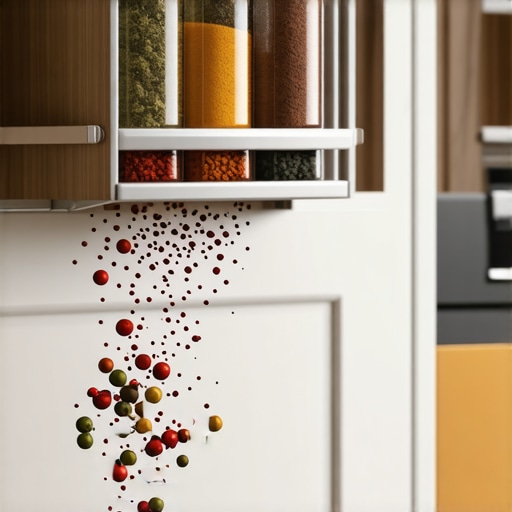
It was a typical Saturday morning when I opened a cabinet and watched my spice jars tumble out like a miniature avalanche. That moment made me realize something was off with my door-mounted spice rack—designed to save space but in reality, turning my kitchen into a cluttered mess. I knew I wasn’t alone in this frustration, and I started digging deeper into why these seemingly convenient storage solutions often fail. If you’ve ever experienced similar chaos or considered adding one of these racks during your remodel, you’re not alone. Today, we’ll explore the common pitfalls of door-mounted storage options and uncover proven strategies to keep your kitchen organized and functional.
Why Door-Mounted Storage Solutions Often Miss the Mark
Many homeowners and designers love the idea of leveraging every inch of space, especially in kitchens where every square foot counts. Door-mounted racks seem like a clever idea—easy to install, accessible, and seemingly perfect for spices, cleaning supplies, or small utensils. But the reality doesn’t always match the promise. Early on, I made a mistake by assuming all door-mounted solutions are equally robust. I quickly learned that cheap hardware, poor weight distribution, and flimsy materials can turn these racks into hazards rather than helpers. This experience motivated me to investigate what makes some storage solutions succeed where others fail. Interestingly, according to a study by the National Kitchen and Bath Association, nearly 60% of kitchen storage failures are due to improper hardware and installation errors, not the storage concept itself. This finding reinforced my belief that understanding the intricacies of door-mounted solutions is essential to avoiding these common pitfalls. So, what can you do to prevent your kitchen from turning into my spice jar nightmare? The answer lies in choosing the right materials, thoughtful placement, and high-quality hardware. Let’s dive into actionable tips to transform your space into a well-organized haven rather than a storage trap.
Selecting the Best Hardware for Your Storage Needs
Think of hardware as the bones of your storage system—without sturdy joints and slides, even the most innovative design falls apart. During my last remodel, I replaced flimsy hinges with heavy-duty soft-close variants, which significantly reduced slamming and wear. Opt for models like [heavy-duty drawer slides](https://artisancabinetworkz.com/7-heavy-duty-drawer-slides-that-wont-sag-under-your-cast-iron-collection) designed to handle frequent use. When choosing components, prioritize materials with corrosion resistance and robust load capacities, especially if you plan to store heavy items like cast-iron pans.
Building Custom Cabinets for Optimal Organization
Mass-produced cabinets often lack internal flexibility, forcing you to adapt to their predefined layouts. Instead, I designed custom cabinets with dedicated sections for spices, small gadgets, and baking sheets—akin to crafting a tailored suit rather than buying off-the-rack. Use modular shelving inserts and pull-out trays to maximize accessibility. For inspiration on creating personal storage solutions, check out [ideas that elevate your home’s style](https://artisancabinetworkz.com/custom-cabinets-ideas-that-transform-your-homes-style).
Strategic Placement of Built-ins and Hidden Compartments
Where you position your storage dramatically impacts usability. I installed a built-in coffee station beside the countertop, using [recessed-toe kick](https://artisancabinetworkz.com/4-recessed-toekick-tricks-to-make-small-kitchen-floors-feel-twice-as-large) to make space feel larger and keep tech out of sight. Hidden compartments can be your secret weapon against clutter—concealed drawers for cleaning supplies inside a prep station or under the sink, for instance. For proven ideas, explore [built-ins that enhance functionality](https://artisancabinetworkz.com/built-ins-that-elevate-your-living-rooms-functionality).
Implementing Space-Saving Pull-Outs and Dividers
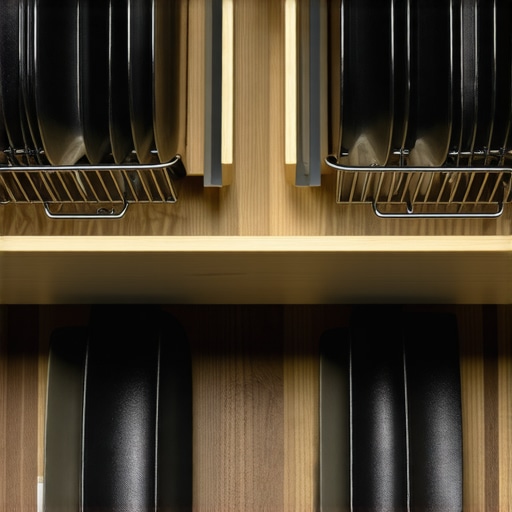
Deep cabinets tend to collect items at the back, making retrieval frustrating. Installing pull-out shelves, like [vertical sheet pan dividers](https://artisancabinetworkz.com/5-vertical-sheet-pan-dividers-that-save-2026-cabinet-space-2), ensures every item is at your fingertips. I had a clunky deep pantry with mismatched cans and jars until I added a series of pull-outs and adjustable dividers, which transformed chaos into order. These core techniques drastically reduce the need to shuffle everything to find one small item.
Protecting Your Investments with Quality Finishes and Materials
Low-cost finishes may save money upfront but double the repair or rework costs down the line. I selected [anti-bacterial cabinet finishes](https://artisancabinetworkz.com/4-anti-bacterial-cabinet-finishes-that-kill-2026-kitchen-germs) to ensure longevity and hygiene. Additionally, choosing thicker core plywood over MDF helped my cabinets withstand humidity and weight without bowing. Always analyze the quality of materials and finishes—like [spotting a cheap cabinet finish](https://artisancabinetworkz.com/how-to-spot-a-cheap-cabinet-finish-before-it-bubbles-near-your-stove)—to avoid future headaches and expense.Many assume that choosing the right storage options is just about matching style and capacity, but in my experience, there’s a lot more beneath the surface. A common myth is that all custom cabinets or built-ins are equally durable and effective; however, the devil is in the details, such as the quality of hinges, joinery techniques, and finishes. For example, many overlook that dovetail joints, while traditional, can fail in high-humidity kitchens if not properly treated, leading to costly repairs. Advanced homeowners understand that the subtle differences in material grades—like choosing plywood over MDF—can make or break long-term performance, especially when storing heavy or moisture-prone items. One trap I see often is underestimating the importance of proper space planning. Without precise measurements and understanding of clearance tolerances, even the most well-designed storage can become inaccessible or prone to jamming. A critical question for experienced remodelers is: How do you ensure that your built-ins are both flexible and resilient in the face of daily wear? According to industry experts, integrating adjustable shelving and reinforcing high-stress areas with steel brackets not only extends the lifespan of cabinetry but also maintains aesthetic appeal over time. I recommend exploring [the simple plywood test](https://artisancabinetworkz.com/the-simple-plywood-test-how-to-spot-low-quality-cabinet-frames) to identify low-quality frames before your purchase or build. This nuanced approach may seem detailed, but it’s what separates a temporary fix from a lifelong investment. Have you ever fallen into this trap? Let me know in the comments, and let’s swap insights on how to elevate your kitchen storage game beyond the basics.Once you’ve crafted a personalized storage solution that fits your kitchen perfectly, the next step is ensuring it remains functional and pristine over time. Regular maintenance not only prolongs the lifespan of your cabinets and hardware but also keeps your space looking fresh and organized. A key tip is to periodically check and tighten any screws or hinges, especially if you notice doors becoming misaligned. This simple step prevents sagging and ensures smooth operation. Additionally, inspect the finishes—wipe down surfaces with a soft cloth and mild soap to remove grease and fingerprints, preserving the wood veneer or paint. Incorporating anti-bacterial cabinet finishes, like those mentioned in our guide on [anti-bacterial cabinet finishes](https://artisancabinetworkz.com/4-anti-bacterial-cabinet-finishes-that-kill-2026-kitchen-germs), can also make cleaning easier and more hygienic.
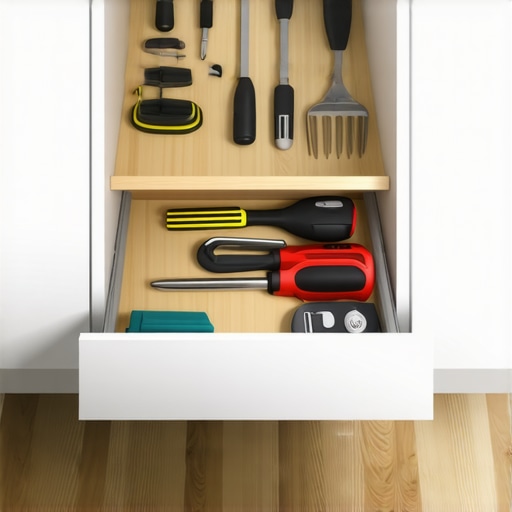
Investing in quality tools streamlines maintenance. I recommend keeping a set of precision screwdrivers and a soft cloth nearby—these help tighten hardware or remove smudges without causing damage. For lubricating hinges or slides, a few drops of silicone spray work wonders; avoid oil-based lubricants that can attract dust and grime.
In the longer term, schedule a biannual checkup of your entire storage system. During this time, assess for wear, loose components, or signs of moisture damage, especially in areas exposed to humidity. Addressing small issues early prevents costly repairs or replacements later.
Looking ahead, advancements in smart home technology are making maintenance even more effortless. Devices that monitor cabinet hinges or temperature and humidity levels can alert you to potential problems before they escalate. As these technologies become more accessible, integrating them into your kitchen can keep everything working smoothly with minimal manual effort.
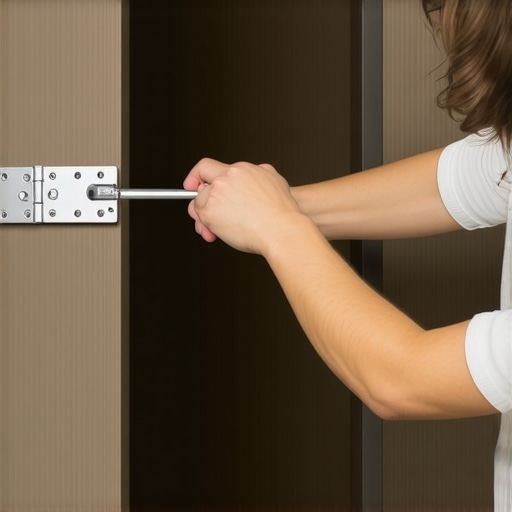
**How do I keep my custom cabinets functioning at their best over time?** Regular inspections combined with strategic use of high-quality lubricants and finishes will go a long way. Remember to consult detailed resources like [expert maintenance tips](https://artisancabinetworkz.com/maximize-space-with-innovative-storage-solutions-for-every-room) to stay ahead of wear and tear. Try out a quick DIY maintenance routine this weekend—tighten those hinges, wipe down surfaces, and measure moisture levels—you’ll thank yourself later for the effort.
How I Discovered That High-Quality Hardware Is My Secret Weapon
Investing in robust hinges and slides transformed my cabinetry from prone to sagging to resilient and smoothly operating. This experience taught me that skipping over hardware quality often leads to costly repairs down the line.
Why Custom Fit Trumps Off-the-Shelf Cabinets Every Time
Designing tailored storage spaces allowed me to optimize every inch, creating a seamless and functional kitchen that adapts to my lifestyle, unlike generic solutions that force compromises.
The Hidden Power of Strategic Placement and Built-ins
Thoughtful positioning of built-in features like concealed compartments and tailored corners significantly reduced clutter and enhanced accessibility, proving that location is just as crucial as storage capacity.
Space-Saving Innovations That Changed My Game
Implementing pull-out drawers, vertical dividers, and clever divots in cabinetry not only saved space but also made everyday tasks more efficient, illustrating the impact of clever engineering.
Replacing Costly Materials with Smarter Choices
Opting for thicker plywood and eco-friendly finishes proved more durable and hygienic over time, emphasizing that investing in quality pays off in longevity and safety.