
Why Your Pantry Needs Motion-Sensor LED Lighting Today
Imagine opening your pantry in the dead of night, fumbling for a snack, only to be met with total darkness. I can’t tell you how many times I’ve stubbed my toe or fished around for a flashlight, wasting precious seconds and risking a curse or two. That moment of frustration hit me hard—it’s such a simple fix, yet I had ignored it for years. Until one night, stumbling in the dark, I realized how terrible my storage solutions really were. That wake-up call led me down a rabbit hole of smarter, more efficient lighting ideas, and let me tell you — installing motion-sensor LED lights changed everything.
Shedding Light on a Common Kitchen Nightmare
Do you ever find yourself in the kitchen, desperately trying to see inside a cabinet or pantry, only to discover utter darkness? This dilemma isn’t just about convenience; it’s also a safety issue. I learned this the hard way when I reached in to grab a jar and accidentally knocked over a box of spice jars, causing a mini avalanche. Not only did I have to clean up a mess, but I also worried about breaking glass or hitting my foot — every homeowner’s nightmare. The problem is, traditional lighting often fails to reach into those tricky corners or deep shelves. And let’s be honest — turning on the main overhead light every time you want to find the sugar isn’t just inconvenient; it’s wasteful, especially when you’re rushing or just want a quick snack.
Thankfully, modern technology offers a simple, budget-friendly solution: motion-sensor LED lighting. These little marvels automatically turn on when you enter, illuminating the darkest spots and turning off once you leave, saving energy and preventing accidents. I’ve installed these in my own kitchen, and the change has been nothing short of revolutionary. No more fumbling, no more stubbed toes, and definitely no more disorganized piles of cans and spices.
Will This Save You Money or Just Be a Gimmick?
Here’s a confession: I was skeptical at first. After all, it sounded like a gadget that mightconveniently malfunction or just add unnecessary clutter. But early on, I made the mistake of installing cheap motion sensors that triggered false alarms, turning on lights every time a breeze swept by. That’s a common mistake—choosing hardware that isn’t up to the task. According to a recent study, proper lighting not only improves safety but can also reduce energy costs significantly over time (source: Energy.gov). And with the affordable, reliable LED motion sensors available today, the benefits far outweigh the minor initial investment.
Now that I’ve shared my story, I want to help you avoid the pitfalls and embrace a smarter way of illuminating your kitchen. Ready to see how easy, budget-friendly upgrades can transform your daily routine? Let’s dive deeper into selecting the best motion-sensor LED options to suit your space and style.
Choose the Right Built-In Storage Solutions
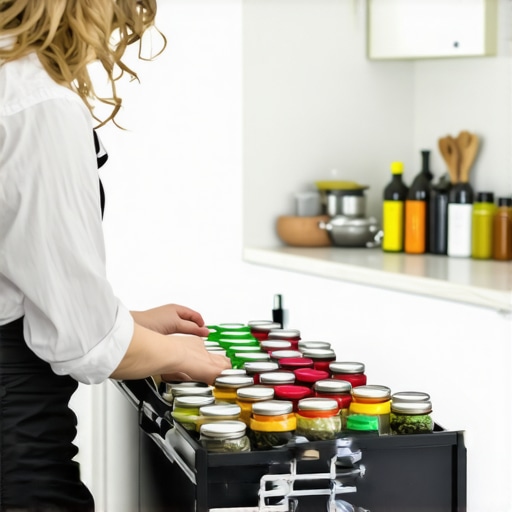
Start by assessing your current kitchen layout and identifying cluttered or underutilized areas. For example, I once converted an awkward corner into a functional spice rack by installing a corner pull-out, which transformed wasted space into prime storage. For inspiration and detailed ideas, visit this guide. Incorporate adjustable shelving to adapt to different items, and consider vertical storage options like tall pantry cabinets to maximize every inch.
Customize Cabinets for Your Home’s Needs
Opt for custom cabinets that fit your space perfectly, especially if you have unique room dimensions or non-standard ceiling heights. During my project, I replaced flimsy original cabinets with sturdy, purpose-designed units that held my collection of baking sheets and mixing bowls streamlined and accessible. Bonus: visiting this expert guide helped me choose the best type of hardware and finishing touches for style and durability.
Integrate Built-Ins and Hidden Storage
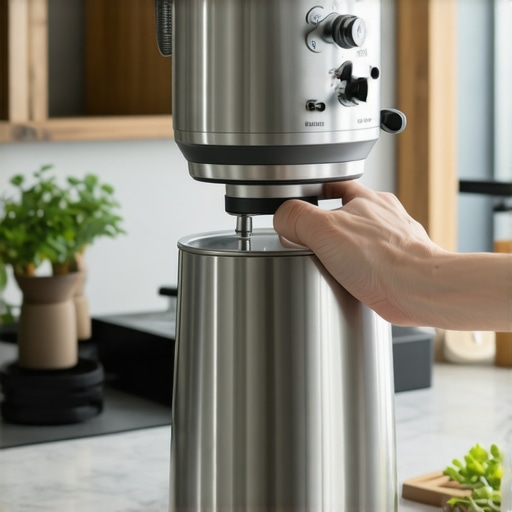
Built-in appliances and storage are game-changers for a sleek look and efficient use of space. For instance, I installed a hidden coffee station with sliding shelves, which freed up counter space and gave a modern touch. Use these techniques to conceal clutter and create a seamless environment. Additionally, incorporate pull-out drawers and vertical dividers inside cabinets to avoid the classic tupperware chaos or misplaced lids.
Update Hardware and Finishes for Style and Functionality
Don’t overlook knobs, hinges, and finishes. I upgraded to soft-close hinges and brushed brass handles, which added personality and prevented slamming. Choosing hardware with a durable finish, like quarter-sawn oak or brass, ensures longevity and keeps the kitchen looking upscale.
Optimize Visibility and Accessibility
Lighting is crucial for both safety and convenience. Installing under-cabinet lighting and motion-sensor fixtures allows you to find everything immediately. When I installed motion-sensors, I noticed a significant decrease in energy use and accidents. For detailed guidance, see this article. Ensure frequently used items are within easy reach, and fragile or less used items stored higher or deeper to keep your workspace clutter-free.
Employ Creative Storage Hacks
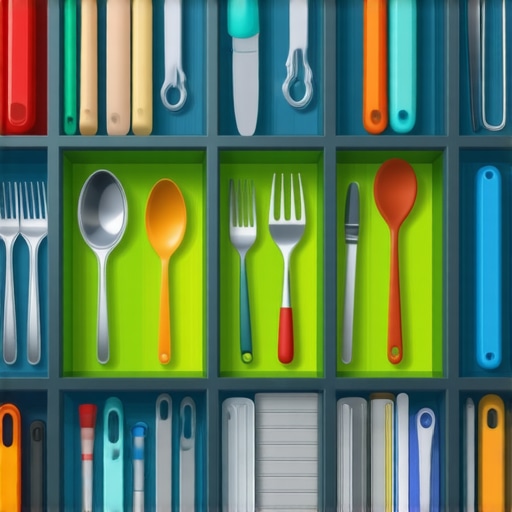
Small touches make big differences. Use pull-out trays, lazy Susans, or custom dividers to organize deep cabinets. For example, I added a narrow pull-out for baking sheets, which eliminated the stacking mess and made retrieval effortless. Check this hack to learn more about maximizing tight spaces.
Plan for Future Flexibility
Design your storage with adaptability in mind. Include adjustable shelves and modular components so you can reconfigure as needs change. I also incorporated a dedicated baking area with pull-out trays, which proved invaluable when baking for large gatherings or holiday seasons. Explore smart storage ideas to future-proof your layout.
Many homeowners assume that choosing standard cabinets and off-the-shelf solutions suffices for an efficient kitchen, but this mindset often leads to overlooked nuances that hamper functionality. One critical mistake is believing that uniform, mass-produced cabinets will fit every space perfectly; however, neglecting to consider precise measurements and room-specific challenges results in gaps, awkward angles, or wasted space. For example, installing standard-depth cabinets in a room with high ceilings might look functional but can leave unused vertical space that’s perfect for custom, taller units—an opportunity missed without proper planning.
How Do I Balance Cost and Customization Without Overspending?
It’s a common misconception that custom cabinets are prohibitively expensive, but in reality, they can be a cost-effective upgrade when considering long-term benefits. Many assume that to achieve a seamless, high-end look, one must choose the most ornate, priciest options. But strategic customization—such as choosing high-quality materials like Quarter Sawn Oak for durability and style—can actually save money by reducing future repairs or replacements. According to expert insights on this guide, well-planned custom cabinets not only elevate your kitchen’s aesthetics but also optimize storage, which is often underestimated. Another common myth is that built-ins are only about maximizing space—they can also serve as focal points, adding personalized character. Many overlook the importance of integrating features like hidden compartments or pull-out trays, which can drastically improve accessibility and reduce clutter. Avoid the trap of opting solely for superficial upgrades; instead, focus on thoughtful integration that enhances overall functionality. Furthermore, the misconception that built-ins limit flexibility can be misleading. When carefully designed with adjustable shelves and modular components, they can adapt to changing needs over time. For instance, incorporating innovative storage solutions for modern kitchens ensures the space remains versatile without the need for disruptive remodeling. To avoid these pitfalls, consult comprehensive resources like this article on creative storage solutions to future-proof your design. Remember, the key is to strike a balance: invest thoughtfully in features that offer both aesthetic appeal and practical benefits. Have you ever fallen into this trap of underestimating custom solutions? Let me know in the comments!Maintaining your bespoke kitchen and storage systems isn’t just about selecting the right options upfront; it requires ongoing attention and the right tools to keep everything functioning smoothly. I personally swear by a few key methods and equipment that have made my remodel not only beautiful but enduring over time. First, investing in quality labels like the Brother P-Touch PRO helps me keep track of the contents in my deep cabinets and pull-out trays, which is essential when you opt for adjustable or modular setups. Precise labeling prevents clutter from creeping back in and keeps the space user-friendly for years to come.
For regular maintenance, I use a soft microfiber cloth paired with a mild, pH-neutral cleaner specifically designed for wood and painted surfaces. This combination ensures my custom cabinetry and built-ins retain their finish without stripping or scratching. I also use a silicone-based lubricant regularly on hinges and drawer slides, especially after seasonal temperature shifts that can cause stiffening or squeaking. This proactive step minimizes wear and tear while keeping the cabinetry operating as smoothly as day one.
When it comes to tools, a digital moisture meter has become indispensable. It allows me to monitor humidity levels behind the scenes, especially if I’ve incorporated materials like MDF or HDF in my cabinetry, which are sensitive to moisture. Keeping the environment stable extends the lifespan of the entire system, reducing warping or delamination.
Thinking about the future of your kitchen? Trend predictions suggest that smart storage solutions integrated with IoT technology will become more prevalent. Imagine cabinets that alert you when supplies are running low or even automatically reorder essentials. This predictive maintenance could revolutionize how we manage our space, making it more scalable and adaptive as needs evolve.
<–  –>
–>
How do I maintain my built-in storage over time? Regular check-ins with a few simple tools can make a big difference. For instance, setting a quarterly schedule to inspect hinges with a screwdriver, lubricate slides, and verify labels helps prevent small issues from becoming costly repairs. Additionally, integrating advanced tools like a magnetic level to verify cabinet alignment after seasonal sway ensures everything remains perfectly squared, preserving the sleek, seamless look that custom cabinets offer.
Lastly, don’t forget to stay informed by reading expert resources. The detailed guidance on selecting storage solutions available at [Expert Tips on Selecting Storage Solutions](https://artisancabinetworkz.com/expert-tips-on-selecting-storage-solutions-for-a-perfect-kitchen-upgrade) can help you strategize for long-term durability. A suggestion I highly recommend trying is to install a magnetic catch system that keeps cabinet doors tightly closed without slamming; it’s a subtle upgrade that preserves hardware longevity. Ensuring your storage remains functional and beautiful for years involves just a bit of routine care combined with quality tools—investing in these now will save you headaches later.
What I Wish I Knew Before Diving Into Custom Cabinets and Built-Ins
One of my biggest lightbulb moments was realizing that proper planning isn’t just about aesthetics—it’s about long-term functionality. I underestimated how crucial precise measurements and anticipating future needs are, leading to costly adjustments later. Additionally, I learned that upgrading hardware and finishes can dramatically extend the life of your kitchen investments, preventing common wear and tear. Finally, embracing adaptable storage solutions and labeling thoughtfully can make daily routines smoother, turning your kitchen into a truly personalized space.
My Go-To Resources for Designing and Maintaining a Dream Kitchen
For anyone aiming to elevate their kitchen with custom solutions, I highly recommend this comprehensive guide. It offers invaluable tips on selecting the right materials and layouts. The ideas on custom cabinetry sparked my creativity and helped tailor designs to my home’s style. To keep everything in top shape, tools like a digital moisture meter and soft microfiber cloth paired with gentle cleaners are my trusted allies, making maintenance manageable and effective. These resources and tools have been game-changers in my remodeling journey, providing expert insights and practical solutions.
Your Next Step Toward a Smarter Kitchen Space
Remember, transforming your kitchen into a highly functional and beautiful space isn’t just a one-time project—it’s an ongoing journey. By applying what you’ve learned about custom cabinets, built-ins, and innovative storage, you’re well on your way to creating a space that truly works for you. Don’t be afraid to experiment with new solutions and personalize every inch—your perfect kitchen awaits. Are you ready to start rethinking your storage and design? Share your plans or ask questions below, and let’s make your dream kitchen a reality!