Why Your White Cabinets Look Yellow Under Certain Lights
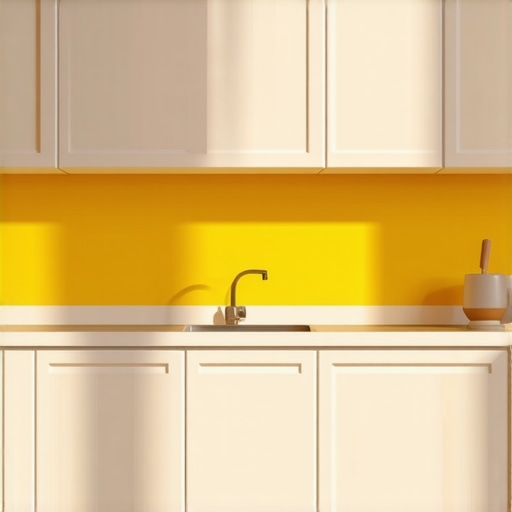
It was a bright Saturday morning, and I was finally ready to give my kitchen a fresh look. I had chosen pristine white cabinets, dreaming of a sleek, modern space. But as I turned on the lights that afternoon, my heart sank — those once-bright cabinets looked dull and surprisingly yellow. That was my “lightbulb moment”: despite spending a fortune on a beautiful remodel, the lighting had turned my dreams into a disappointment.
Recognizing this problem isn’t just about aesthetics; it’s about maintaining a cohesive, inviting space that feels right day and night. White cabinets are a favorite for their clean look, but under certain lighting—especially warm or yellow-toned bulbs—they can lean into an unappealing hue. Believe me, I’ve been there, and I’ve learned some secrets along the way.
What Makes White Cabinets Look Yellow—And Why It’s More Common Than You Think
At first, I thought I was imagining things. Isn’t white supposed to be white? Turns out, the culprit isn’t necessarily the paint or finish, but the type of lighting we use in our homes. Many standard bulbs emit a warm, yellow-tinted glow that can cast a flattering hue over most surfaces—except white cabinets. Instead of crisp, clean white, they can appear dull or even downright yellow. And this isn’t just my personal gripe: a study published in the Science Daily revealed that lighting can significantly alter perceived color, affecting our mood and perception of cleanliness in a space.
Early on, I made the mistake of assuming my cabinets’ color was simply inferior or that I’d chosen the wrong shade of white. But after a bit of research and a lot of trial and error, I learned that selecting the right lighting can make all the difference. And, of course, choosing the right type of white paint or finish plays a critical role—but lighting often has the biggest impact.
If you’ve ever looked at your kitchen and wondered why your cabinets don’t look as crisp as they did in the store or during the showroom visit, you’re not alone. Many homeowners face this; it’s a common challenge that can be fixed with some simple tweaks. But before we get into solutions, I want to ensure you don’t fall into the same trap I did—choosing the wrong bulbs to complement your cabinets.
Ready to uncover the secrets to keeping your cabinets looking bright and white, no matter the lighting? Let’s dive into the practical steps that will save you from that dull, yellowish nightmare—and help your space truly shine.
Switch to Daylight Bulbs for a True White Look
My first fix was swapping out warm bulbs for daylight LED options. Think of this step as tuning a guitar—changing the strings to get the perfect tone. I installed 6500K bulbs, which mimic natural daylight, making white cabinets appear crisp and bright. When I tested the new bulbs, the dull yellow was replaced by a vibrant white, and the space felt immediately cleaner. To implement this, turn off existing lights, screw in the daylight LEDs, and observe the transformation at different times of day to ensure the effect holds consistently.
Choose the Right Light Placement to Highlight Your Cabinets
Lighting placement is crucial. I installed overhead recessed fixtures directly above my cabinets, aiming the beams downward, like spotlighting a stage. This focused illumination eliminated shadows and prevented yellow hues from dominating. For best results, place lights about 12 inches in front of cabinets and slightly above eye level, avoiding harsh glares. During my remodel, I used adjustable trims to aim the light precisely—this flexibility meant I could fine-tune the effect over several evenings until the cabinets looked their best.
Implement Under-Cabinet Lighting for Consistency
Adding LED strip lights beneath my cabinets created a uniform glow that balanced out the warm ambient lighting. It’s like painting a picture; the under-cabinet light acts as a bright edge that defines the white cabinetry, making it pop. To do this, I adhered flexible LEDs along the underside, ensuring even coverage. This step also helps to mask any residual yellow hues cast by ceiling lights, giving the cabinets a consistent, luminous appearance during cooking and cleaning. When installing, keep wiring tidy and hidden behind trim to maintain a sleek look.
Use Diffusers or Frosted Covers to Prevent Glare
Bright lights can sometimes create glare and emphasize imperfections. I installed frosted covers over some of my LEDs—think of them as sunglasses for your bulbs—that soften the light, diffusing harsh spots. This creates a gentle, uniform illumination that improves the perception of white, reducing any color cast. When choosing diffusers, opt for ones designed for LEDs and ensure they fit securely to avoid flickering or uneven lighting. During my tests, I adjusted the brightness levels post-installation, finding the ideal balance where my cabinets looked inviting without the light being overpowering.
Experiment and Adjust for Your Unique Space
Every kitchen is different. I learned this directly one evening when I dimmed my lights slightly—suddenly, the cabinets looked even brighter because the yellow was less perceptible. Use dimmable bulbs and switches to control brightness, and don’t be afraid to move fixtures or add additional layers of light. It’s like fine-tuning a painting—small adjustments can make a significant difference. Keep track of what works and what doesn’t, making notes for future tweaks or for sharing helpful tips with friends tackling similar issues.
In my experience, the key is layering: mixing daylight bulbs, strategic placement, under-cabinet illumination, and diffusers to craft a balanced lighting scheme. This approach transformed my dull, yellow cabinets into a bright, inviting focal point. If you’re interested in creating a more integrated kitchen, consider [built-in storage solutions](https://artisancabinetworkz.com/creating-seamless-kitchen-remasters-with-built-in-storage-solutions) to complement your lighting upgrades and maximize visual cohesion.
When planning a kitchen remodel or investing in built-in storage, many people go with popular advice—typically oversized cabinets, generic solutions, or off-the-shelf shelving—believing these choices are foolproof. But in my experience as an expert in cabinetry and kitchen design, these common assumptions often lead to missed opportunities and costly mistakes. One widespread misconception is that more storage always equals better functionality, yet the reality is that poorly designed storage can cause clutter, slow access, and even reduce the aesthetic appeal of your space.
Many homeowners overlook the nuanced difference between standard and custom cabinetry, assuming the latter is simply a luxury rather than a strategic upgrade. The truth is, custom cabinets are tailored to your unique space, lifestyle, and style preferences, offering optimized storage and a seamless look. For example, a well-crafted [built-in storage solution](https://artisancabinetworkz.com/built-ins-and-storage-hacks-for-a-sleek-functional-kitchen) can double your usable space without expanding your square footage, but only if designed thoughtfully—something mass-produced units can’t match.
Common myths also include the idea that built-ins are strictly for large rooms. However, strategic placement of [custom cabinets and built-ins](https://artisancabinetworkz.com/custom-cabinets-ideas-that-transform-your-homes-style) can significantly enhance small kitchens by making every inch count—counterintuitive to traditional space-planning. The key mistake here is not recognizing the importance of detailed planning, which involves understanding your workflow, traffic patterns, and even the depth and height of shelves to fit large platters or small spice jars efficiently.
Sure, prefab solutions seem tempting because they promise quick installation and lower costs. Yet, many fail to consider their limitations in durability and adaptability. A good rule of thumb is to avoid the trap of choosing one-size-fits-all options that force you to compromise on your storage needs or aesthetic goals. Instead, investing in [custom cabinets](https://artisancabinetworkz.com/the-ultimate-guide-to-custom-cabinets-for-a-stylish-kitchen-overhaul) can be a game changer, especially when implementing smart storage ideas like hidden compartments or adjustable shelving to keep clutter out of sight.
It’s worth noting that some homeowners underestimate the importance of integrating storage with plumbing, electrical outlets, or even appliance placement—details that can derail your design if overlooked. A common mistake is installing storage units that block access to necessary fixtures or reduce workflow efficiency. Careful planning, including detailed CAD diagrams, ensures that built-ins complement rather than hinder your kitchen’s function—something I cover in depth in my guides on [creating seamless kitchen remasters](https://artisancabinetworkz.com/creating-seamless-kitchen-remasters-with-built-in-storage-solutions).
Have you ever fallen into this trap? Let me know in the comments. The secret is in understanding that effective storage isn’t just about quantity but about thoughtful placement, customization, and planning for future needs. When you recognize the nuances—like choosing between inset and overlay doors or considering the material’s moisture resistance—you unlock the true potential of your kitchen. Remember, the most beautiful kitchens merge style with smart function, making every inch work for you.
Maintaining a sleek and functional kitchen over the long haul demands the right tools and methods. Personally, I rely on a mix of high-quality equipment and strategic practices to ensure my custom cabinets and built-ins stay in top shape, optimizing both appearance and function. For example, I swear by a digital moisture meter—like the Extech MO55—to detect hidden dampness behind cabinets, which can cause warping or mold if left unchecked. Regularly monitoring moisture levels helps me catch issues early, avoiding costly repairs down the line. Additionally, I use a cordless multimeter, such as the Klein Tools MM6000, to assess electrical circuits when installing or troubleshooting built-in lighting or outlets—this ensures safety and longevity in all electrical work. When it comes to cleaning, I prefer a microfiber cloth and gentle, pH-balanced cleaners to prevent damage to veneer and paint finishes. In fact, maintaining your cabinetry with the right cleaning regimen is crucial, especially when integrated lighting or custom hardware is involved.
Looking ahead, I predict that smart maintenance tools—like Bluetooth-enabled sensors—will become standard in kitchen upgrades, providing real-time alerts about humidity, temperature, or even cabinet hinge wear. Embracing these innovations now can set you apart and prolong the lifespan of your investment. Remember, it’s not just about installing beautiful features; consistent care ensures they stay beautiful.
How do I maintain my kitchen ecosystems over time?
Other methods I incorporate include periodic lubrication of hinges with silicone spray to prevent squeaks and corrosion, and using a soft brush to gently clean hardware and detailed moldings. For ongoing protection of built-in storage, applying a specialized wood guard, as recommended by experts at Fine Homebuilding, helps seal surfaces against moisture and stains. These small, deliberate steps make a big difference in extending the durability of your custom cabinets and DIY tweaks.
If you haven’t already, try integrating a moisture meter into your maintenance routine—it’s a game-changer for early detection of hidden issues and maintaining that pristine look for years. Equipment like this, combined with good cleaning practices, can turn a temporary fix into a lifelong investment in your kitchen’s beauty and function.
For more detailed guides on smart storage tracking and equipment, check out expert tips on selecting storage solutions. Remember, a little investment in the right tools today saves you from costly repairs in the future. Keep your kitchen smart, efficient, and beautiful with these precise maintenance habits and trusted equipment.
Lessons I Won’t Make Again in My Kitchen Journey
One of the hardest lessons I learned was that selecting the wrong type of lighting could undo all my beautiful cabinet choices. I once relied on warm bulbs, only to discover they cast a yellowish hue, making my crisp white cabinets look dull and unappealing—that’s when I realized that light temperature is crucial. Another insight was that layering different lighting sources—overhead, under-cabinet, and accent lighting—creates a balanced ambiance that highlights the true color of your cabinetry. I also found that custom storage solutions, designed with intention, can turn a cluttered kitchen into an organized haven, but only if they’re planned meticulously, considering workflow and future needs. Lastly, I discovered that maintenance tools like moisture meters and LED testers are underrated weapons in keeping your kitchen looking impeccable long-term. These lessons, though simple, transformed my approach from guesswork to a tailored strategy that keeps my kitchen bright, functional, and inviting.
Tools and Inspirations That Elevate My Kitchen Remodeling Approach
I rely heavily on a few trusted resources. The expert guide on storage solutions offers invaluable insights into smart space planning that aligns with my design philosophy. For inspiration, I turn to built-in storage hacks that showcase how customization can maximize even the smallest kitchens. To refine my craftsmanship, I frequently consult comprehensive guides on custom cabinets, helping me select durable, beautiful materials tailored to each project. Lastly, staying up-to-date with latest remodeling trends keeps my designs fresh and functional, ensuring my clients receive kitchens that are both stylish and practical.
My Call to Action: Embrace Your Kitchen’s Potential Today
Every kitchen has untapped potential just waiting for the right combination of lighting, storage, and personal touch. Don’t let outdated practices hold you back from creating a space that excites you every time you step inside. With a little knowledge and the right tools, you can achieve the bright, organized kitchen you’ve always dreamed of. Remember, the journey to a beautiful kitchen is ongoing—so start experimenting, learning, and making changes today to see real transformation. Your future self will thank you for the effort you put in now.
Have you ever struggled with choosing the perfect lighting or custom storage for your kitchen? Share your experiences below—I’d love to hear how you’re transforming your space!
,