3 Heavy-Duty Custom Cabinets Built for Outdoor Kitchen Use
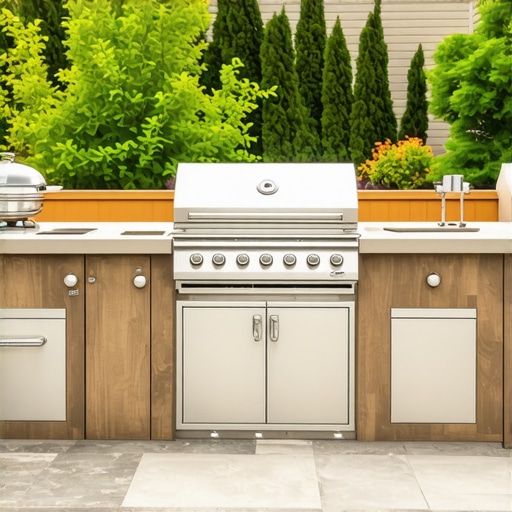
It was a warm Saturday afternoon when I finally looked out at my outdoor kitchen, realizing the chaos of mismatched storage, weathered surfaces, and makeshift solutions. I had spent months renovating my backyard, dreaming of hosting barbecues and pool parties, but the storage situation was a glaring oversight. My old cabinets couldn’t stand up to the elements, and I found myself constantly battling rust, warping, and clutter. That lightbulb moment hit me hard—I needed something stronger, more durable, and tailored specifically for outdoor use.
Why Custom Heavy-Duty Cabinets Make All the Difference
In my journey to create a functional outdoor kitchen, I discovered that off-the-shelf cabinetry simply doesn’t cut it. Regular cabinets are often built with materials that succumb to weather, like MDF or bare plywood, which warp and rot over time. Custom heavy-duty cabinets, on the other hand, are designed with outdoor resilience in mind. They utilize weatherproof materials and heavy-duty hardware that can handle everything from rain and humidity to the intense sun. Believe me, this isn’t just about aesthetics; it’s about longevity and making your investment worth every penny.
But let me be honest—initially, I was skeptical. I wondered if custom meant exorbitant costs or complicated installation. And I made the classic mistake early on of choosing a standard solution without consulting experts. That oversight cost me more in repairs and replacements down the line. I’ve learned the hard way that choosing the right custom built-in storage solutions is crucial for durability and style.
If you’re contemplating transforming your outdoor space, you might be asking yourself, “Are these heavy-duty custom cabinets truly worth the hype?” Well, I’ll share my experience and help you decide. We’ll explore what makes these cabinets stand out, how to pick the right materials, and the common pitfalls to avoid. So, let’s get into the nuts and bolts of creating an outdoor kitchen that combines rugged durability with functional elegance.
Is the Investment Justified for My Outdoor Setup?
One thing I learned early is that skimping on quality only leads to more expenses later. Low-cost, generic cabinets might seem tempting, but they often require frequent repairs or replacements—especially in outdoor environments. The real secret to success is understanding that heavy-duty, custom-built cabinets aren’t just about holding dishes; they’re about standing up to the elements and daily wear-and-tear.
And trust me, making a well-informed choice can prevent headaches down the road. I wish I had known this sooner, but now I prefer to xplore more about the custom cabinet ideas that truly elevate outdoor living. Ready to delve into what it takes to select the perfect storage for your outdoor kitchen? Let’s dive into that next.
Select the Right Materials for Longevity
Begin by choosing weather-resistant materials like marine-grade plywood or recycled ocean plastic composites, which resist moisture and UV damage. I learned this the hard way when I initially used standard plywood, leading to warping after a rainy weekend. Invest in high-quality hardware like stainless steel hinges and weatherproof seals to prevent rust and ensure durability. For example, I replaced cheap hinges with heavy-duty stainless steel ones, which held up perfectly during a storm.
Design with Functionality in Mind
Map out your storage needs carefully. Think of your cabinets as a toolbox—each compartment should serve a specific purpose. I created a dedicated spice drawer with vertical dividers to keep jars upright, reducing clutter. Use built-in storage solutions that maximize space and ease of access, making daily chores more efficient.
Measure and Prepare Your Space
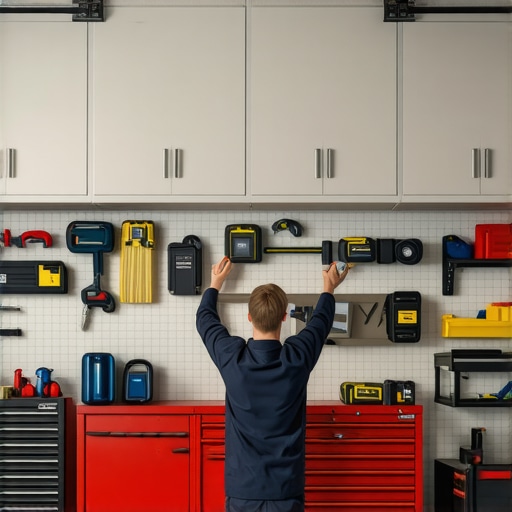
Accurate measurements are critical. Use a laser level and tape measure to mark the layout, ensuring straight lines and proper alignments. I once installed a cabinet that was slightly crooked because I didn’t double-check my measurements—I had to redo it, wasting time. To avoid this, I measured multiple points and used shims to adjust for uneven floors, which I detailed in a previous experience with leveling base cabinets.
Build or Select Your Cabinets
If you opt to build, pre-assemble panels with waterproof adhesive and screws, simulating a car model assembly for strength. Alternatively, choose fully-custom cabinets from a trusted supplier. I found that working with a cabinetmaker who specialized in outdoor units resulted in structures that could withstand harsh weather without warping or rusting. Incorporate features like recessed handles and concealed hinges for a sleek look.
Secure Cabinets to Your Structure
Mount the cabinets securely to wall studs or metal framing using heavy-duty anchors. For unsteady surfaces like uneven brick walls, I used toggle bolts with expansion anchors, ensuring the units won’t wobble in breezes. Reinforce the base with steel support plates, especially for heavier items, similar to how I supported my island overhang. Proper anchoring prevents accidents and prolongs cabinet lifespan.
Seal and Finish Protectively
Apply waterproof paint or exterior-grade varnish to all surfaces. I opted for a UV-resistant sealant to maintain the vibrant finish without frequent touch-ups. Pay special attention to joints and seams, sealing them meticulously to prevent water ingress. This step is essential—neglecting it is a common mistake that leads to premature deterioration, which I experienced firsthand during the first rain of the season.
Final Installations and Adjustments
Attach hardware and check all doors and drawers for smooth operation. Use a screwdriver to fine-tune hinges and ensure everything opens and closes seamlessly—think of it as tuning a musical instrument. Introducing soft-close slides reduced noise and prevented slamming, even when handling heavy cast iron cookware, as I discovered after installing.
Many homeowners assume that installing built-in cabinets or custom storage is a straightforward way to enhance their space, but there’s more beneath the surface that often gets overlooked. One prevalent myth is that all built-ins are created equal—what’s often missed is the importance of understanding the nuances behind material choices and installation techniques, which can significantly impact durability and functionality. For example, many underestimate how critical proper reinforcement and sealing are to prevent issues like sagging or water damage over time. \n\nA common trap is relying solely on aesthetic appeal without considering long-term maintenance and the environment’s effect on materials. For instance, choosing standard MDF for outdoor or high-moisture areas is a recipe for warping and decay, despite its popularity for cost-efficiency. Instead, investing in marine-grade plywood or composite materials can ensure longevity, especially when combined with expert installation.\n\nAdvanced homeowners often ask: “How do I balance aesthetics with practicality when designing custom storage?” The answer lies in a thorough understanding of space optimization techniques, such as integrating hidden shelves or toe-kick drawers that seamlessly utilize otherwise wasted space. Incorporating these features requires careful planning and knowledge of construction principles—something that many default to generic solutions without consulting specialists. This oversight can lead to frustration and costly modifications later.\n\nResearch shows that thoughtful, well-executed built-ins not only improve functionality but can also boost property value. According to a study from the National Association of Realtors, homes with tailored storage solutions appeal more to buyers, especially when these features are integrated subtly and cohesively with the overall design. To fully capitalize on this, delve into thematic ideas that enhance your space’s character, like personalized shelving inserts or custom hardware, which can elevate the entire remodeling experience.\n\nRemember, the devil is in the details. Avoid the mistake of choosing low-quality hardware or neglecting proper sealing—these small errors can cause big headaches down the line. Instead, consult experts or detailed guides like the ones on built-in storage tips or custom cabinet ideas. Remember, your investment in quality and craftsmanship will determine how well your storage solutions serve you over decades.\n\nHave you ever fallen into this trap? Let me know in the comments and share your experience with built-ins or custom cabinets—every mistake is a lesson on the path to a smarter remodel.
To ensure your custom cabinets and built-in storage solutions stand the test of time, investing in the right tools and adopting a routine maintenance schedule is crucial. I personally rely on a few specific tools that make inspections and repairs straightforward, saving me both time and money. One of my go-to tools is a high-quality digital moisture meter, which I use regularly to monitor humidity levels inside cabinets—especially vital in high-moisture areas to prevent warping or mold growth. I prefer models with Bluetooth connectivity, allowing me to log readings and identify patterns over seasons. Additionally, a precision screwdriver set with Tamper-proof bits helps me make minor adjustments to hinges and pulls without damaging the hardware.
The Hardest Lesson I Learned About built-ins,kitchen remodel,custom cabinets,storage solutions
One of the most valuable insights I gained was that rushing the material selection can lead to costly mistakes. Initially, I underestimated the importance of choosing marine-grade plywood, thinking it was just an extra expense, but it proved essential in preventing warping and decay over time. Realizing this early on saved me from future repairs and frustrations.
3 Myths About built-ins,kitchen remodel,custom cabinets,storage solutions That Held Me Back
I used to believe that custom cabinetry would automatically be prohibitively expensive, but I discovered that investing in quality materials and expert craftsmanship often pays for itself in durability. Another misconception was that you could DIY heavy-duty cabinets without professional advice; I learned that consulting specialists ensures your storage solutions stand tough against the elements and daily use.
What Experts Won’t Tell You About built-ins,kitchen remodel,custom cabinets,storage solutions
A little-known fact is that sealing seams properly with exterior-grade sealant dramatically extends cabinet life. I used to think a good coat of paint was enough, but sealing joints prevented water infiltration and avoided early deterioration. Plus, reinforcement with steel support plates underneath heavy items keeps cabinets stable and prevents sagging—details many overlook until it’s too late.
Curated Recommendations for Your Outdoor Storage Journey
One tool I swear by is a high-quality digital moisture meter; it helps me monitor humidity inside cabinets and prevents mold or warping. For hardware, I prefer stainless steel hinges and locks from trusted brands because they resist rust and require minimal maintenance. When it comes to design inspiration, visiting this resource has broadened my perspective on integrating elegant storage solutions that withstand weather. Additionally, reading “The Ultimate Guide to Custom Cabinets” provided me with advanced design tips and material options that suit outdoor use perfectly.
Ignite Your Passion for Outdoor Storage Projects
Taking the plunge to upgrade your outdoor kitchen with custom heavy-duty cabinets is more than a renovation—it’s an investment in quality living. With the right knowledge, tools, and a touch of patience, you can create resilient, beautiful storage that transforms your outdoor space into a true haven. Don’t wait for problems to arise; start planning your durable outdoor storage now and watch your backyard become the envy of neighbors. Your outdoor kitchen deserves cabinets that can handle life’s adventures—are you ready to make that leap?