Why Inset Doors Stick in the Summer and the Simple Planing Move
It was one of those blazing summer afternoons when I finally decided to give my kitchen a much-needed overhaul. As I pulled open a cabinet door, I noticed something strange—*it stuck.* Not just a little resistance, but a stubborn jam that made me nearly yank the door off its hinges. That moment was my lightbulb—why do inset cabinet doors so often hang up during the hotter months? And more importantly, how can I fix it without tearing everything apart?
Understanding the Summer Door Dilemma
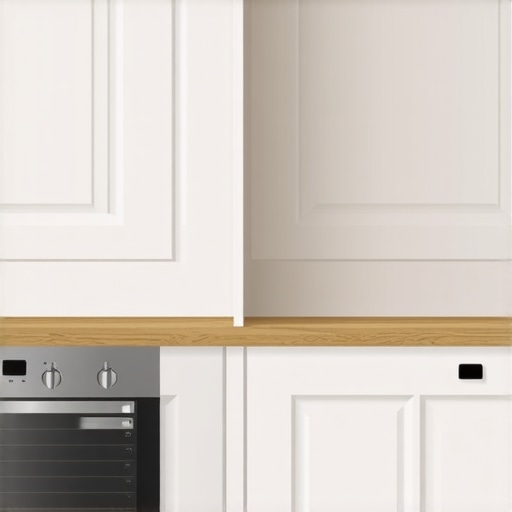
Inset doors are cherished for their sleek, seamless look. But they come with their quirks—like swelling and shrinking with temperature and humidity changes. During summer, the wood absorbs moisture from the air, causing it to expand. As a result, hinges might become tight, and doors can stick or misalign. In my early days of DIY, I overlooked this natural behavior and assumed my cabinets were defective. That mistake led to unnecessary frustration and a lot of wasted time.
The good news? With a little knowledge and some simple tactics, you can keep your inset doors functioning smoothly year-round. In fact, a straightforward planing move can make a world of difference, restoring comfort and ease to your kitchen. Let’s explore how to troubleshoot and fix sticking doors without calling in the pros.
Is Summer Swelling Actually Worth the Hype?
I used to think these issues were just quirks, but professional craftsmen often warn against neglecting temperature-related expansion. If ignored, this swelling can lead to long-term damage like warping or even cracks in the wood. Early on, I made the mistake of only adjusting hinges and ignoring the seasonal effects. Now I know that understanding the material behavior is key — and a little proactive planning can save you a ton of trouble. For more expert tips on how to choose the right storage solutions for your remodel, you might want to check out our comprehensive guide [here](https://artisancabinetworkz.com/innovative-storage-solutions-for-modern-kitchen-remodels).
The good news is, you don’t have to live with stuck doors all summer long. With the right approach, you can keep things moving smoothly and protect your investment in those beautiful custom cabinets. Ready to dive into some simple, real-world solutions? Let’s get started.
Inspect the Hinges and Door Gaps
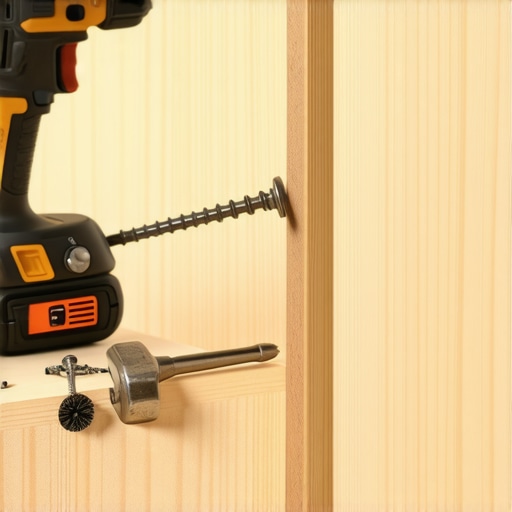
Start by opening your cabinet doors and observing where they stick or misalign, particularly during the hot summer months. Use a flashlight to check if hinges are loose or if the door gaps are uneven. Tight hinges often cause sticking; if they seem loose, loosen the screws, then tighten them snugly to eliminate any play. If gaps are uneven, mark which areas need adjustment.
Adjust the Hinges Carefully
For inset doors, hinge adjustment is key. Using a Phillips screwdriver, slightly tighten or loosen hinge screws to shift the door up, down, or sideways. Think of hinges like the joints of a puppet—small adjustments can make a big difference. I once had a door that’s been sticking for weeks, which I fixed by tightening just a quarter turn on the top hinge screw. It was a quick fix that instantly restored smooth operation.
Shimming and Re-aligning Doors
If hinge adjustments don’t suffice, shimming provides a more precise approach. Insert thin cardboard or plastic shims behind the hinges to lift or lower the door. This is similar to how shims work under furniture legs to level a table. Be cautious—incremental adjustments yield the best results. I once used playing cards as shims to realign a stubborn door; after a few tweaks, it opened and closed effortlessly.
Planing for Seasonal Swelling
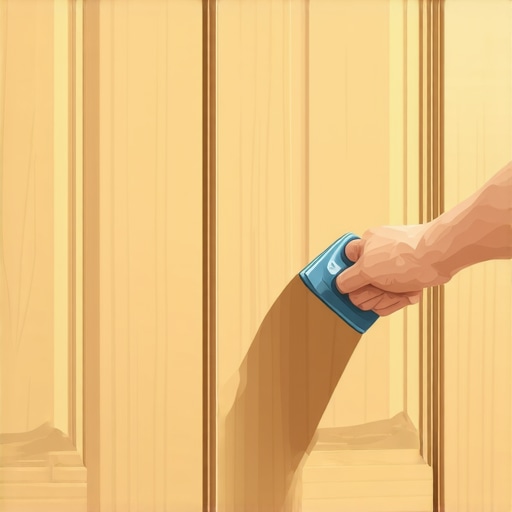
Wood expands with moisture, making your cabinets swell and stick. When working on inset doors in summer, consider lightly trimming the edges to account for potential swelling. Use a hand plane or fine sandpaper to carefully shave the door edges, removing just enough to ease movement. I remember a project where I took a thin shaving off the door’s edge, which prevented future sticking during high humidity.
Lubricate the Hinges
Apply a small amount of silicone-based lubricant or furniture wax to the hinges for smooth movement. Think of hinges like door knees—lubrication reduces friction. Avoid oil-based lubricants that can attract dust. A quick spray and wipe often suffice, especially after seasonal changes. Remember, over-lubricating can cause buildup, so use sparingly.
Control Humidity Inside the Kitchen
Prevent future swelling by managing humidity levels with a dehumidifier or exhaust fan, especially during peak summer. Using dryers or venting appliances properly helps keep moisture in check. An inconsistent humidity level is like a rollercoaster for wood, causing it to expand and contract. A steady environment cushions your cabinets against seasonal swell.
Many homeowners believe that choosing built-in storage and custom cabinets is a straightforward upgrade, but in reality, there’s a lot more beneath the surface that can trip you up. A common misconception is that all built-ins are created equal—people often assume that standard options or off-the-shelf solutions will suffice. However, this ignores the nuances of material selection, craftsmanship, and long-term durability. For example, some assume that high-gloss finishes are always easier to maintain, but experts warn that glossy surfaces tend to show fingerprints and scratches more prominently, especially in busy family kitchens. Instead, exploring durable finishes like HDF [here](https://artisancabinetworkz.com/how-to-choose-a-hinge-that-allows-your-doors-to-open-180-degrees) can save you headaches later.
Another mistake is underestimating the importance of proper alignment and installation. Many think that if their cabinets look fine initially, they will stay that way. But seasonal fluctuations, especially in climates with high humidity, can cause wood to swell and shrink, leading to misaligned doors or drawers. Skilled craftsmen understand these subtleties and incorporate allowances during installation to buffer against such changes. Neglecting this can result in warped doors or sticking drawers over time.
The myth that larger kitchens automatically mean better storage solutions also misleads some homeowners. Instead, ill-planned storage can create clutter rather than functionality. Innovative solutions like corner drawers or pull-out spice racks make a profound difference, but only if integrated thoughtfully during the design phase. To truly maximize space, consider looking into design strategies that optimize every inch, such as hidden compartments or toe-kick drawers [here](https://artisancabinetworkz.com/creating-seamless-kitchen-remasters-with-built-in-storage).
Advanced remodels require more than just aesthetic choices; they demand attention to detail and an understanding of material behavior. For instance, some materials, like bamboo or engineered wood, have specific responses to moisture and temperature changes, which can affect long-term performance. A misstep here might cause cabinets to crack or delaminate—issues easily avoided by consulting with experts who understand these nuances.
Speaking of expert insights, a 2025 study by the National Kitchen & Bath Association emphasizes the importance of structural support and precise hardware alignment for longevity, especially in custom builds. Ignoring these advanced considerations can lead you to invest in beautiful designs that degrade quickly.
In conclusion, designing and installing built-ins and custom cabinets isn’t just about picking your favorite finish or style. It’s about understanding how materials move, how seasonal changes impact your space, and how thoughtful engineering elevates both function and lifespan. So, next time you plan your remodel, ask yourself: am I considering these hidden nuances? For more tips on modern kitchen upgrades that truly last, check out our [ultimate guide](https://artisancabinetworkz.com/the-ultimate-guide-to-custom-cabinets-for-a-stylish-kitchen-overhaul). Have you ever fallen into this trap? Let me know in the comments.
For any homeowner invested in a high-quality kitchen remodel or custom cabinetry, maintaining the functionality and appearance over time is crucial. Having the right tools and a solid routine can significantly extend the lifespan of your built-ins and storage solutions. I personally rely on a few specific methods and equipment to keep everything working smoothly, and I recommend others do the same to ensure their investments stay pristine for years to come.
Essential Tools for Longevity and Performance
One tool I swear by is a high-quality electric orbital sander. Regularly gently sanding door edges with a 180-grit disc helps prevent the buildup of dirt and minor scratches that can cause sticking or misalignment. I prefer cordless models, such as the DeWalt DWE6421, because they offer portability and ease of use in tight spaces. This is especially useful in maintaining inset or custom cabinets, where precision matters. Remember, always follow sanding with a good vacuum removal and a lint-free cloth to remove dust—dust can sabotage hinges and moving parts over time.
Next, I keep a well-stocked set of specialty hinge adjustment screwdrivers. The tiny, often Phillips or Torx screws in built-ins are vulnerable to stripping if mishandled. Tools like the Nicholson Precision Screwdriver Set provide the control necessary for fine adjustments. Regular tweaking and alignment—especially after seasonal expansions or contractions—keep your cabinet doors functioning flawlessly.
Software and Maintenance Routines to Stay Ahead
Beyond tools, utilizing design software like SketchUp or cabinet-specific planning apps helps in visualizing adjustments or modifications before executing them. This preemptive approach can prevent costly errors during your remodel or ongoing maintenance.
Creating a maintenance schedule is another game-changer. I recommend inspecting hinges and alignment every three months, especially in climates with fluctuating humidity. Applying a small amount of silicone-based lubricant—such as Pure Neatsfoot Oil—to hinges helps keep them operating smoothly without attracting dust. These routine check-ins minimize long-term issues like sagging or stiff doors.
Future Trends: Smarter Storage and Automation
Looking ahead, I predict smart tools and sensors will become standard. Imagine hinge sensors that notify you via your smartphone when alignment or lubrication is needed—taking guesswork out of maintenance. Integrating these advances will streamline long-term care, making it easier to keep cabinets in perfect condition.
How do I maintain my built-ins and custom cabinets over time?
Simple routines combined with the right tools—like precision screwdrivers, orbital sanders, and smart planning software—are your best allies. Regular inspections, cleaning, and minor adjustments will save you money and extend the life of your investments, ensuring your kitchen remains stylish and functional for years to come. For more insightful tips on optimizing your storage, explore innovative storage solutions that can grow with your needs. Don’t wait for problems to arise—try setting up a quarterly maintenance routine today and see the difference it makes!
The Hardest Lesson I Learned About Inset Doors
One of my biggest surprises was realizing that summer expansion isn’t just a minor inconvenience but a critical factor in cabinet longevity. Ignoring seasonal changes can lead to warping or sticking, which ultimately costs more time and money.
It became clear that proactively adjusting hinges and planning for material movement are essential. Not doing so has taught me to always consider climate factors when designing or maintaining built-ins, saving myself headaches down the road.
Tools and Resources That Truly Made a Difference
Over time, I discovered that investing in precision tools like a high-quality electric orbital sander and tiny hinge screwdrivers transforms maintenance from a chore into a manageable task. The comprehensive remodeling guides and design software also help visualize adjustments beforehand, preventing costly mistakes. These resources provide clarity and confidence, making ongoing upkeep much simpler.
Dare to Take the Next Step with Confidence
Maintaining built-in cabinets and custom storage solutions is an ongoing journey, but with the right knowledge and tools, it becomes a rewarding part of your home improvement routine. Every proactive measure—whether adjusting hinges, controlling humidity, or choosing durable finishes—extends your cabinets’ lifespan and keeps your kitchen looking stunning.
So, I challenge you: start with one small adjustment today, and watch how your confidence grows. Remember, every expert was once a beginner, and every good remodel starts with a simple step. Curious about more expert tips? Check out our guide to custom cabinets and see what’s possible in your space.
Have you ever faced a challenge with seasonal swelling or cabinet misalignment? Share your experience below—I’d love to hear how you managed it!
,