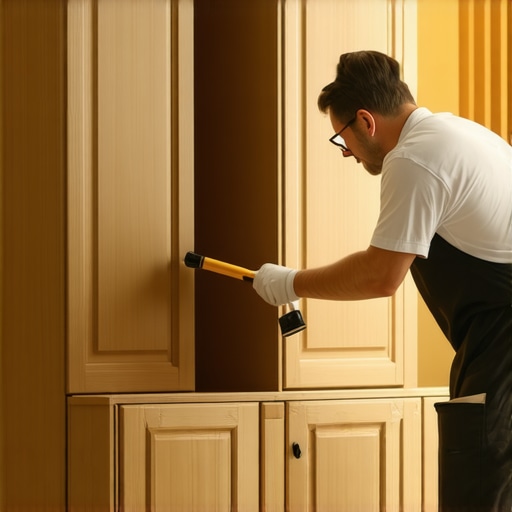

4 Hardwood Species That Handle Kitchen Steam Without Warping
It was a typical Saturday afternoon when I finally decided to overhaul my kitchen cabinets. Eager to elevate my space, I opted for a beautiful oak finish, only to realize a few months in that the bottom cabinets near the stove started warping—an ugly, frustrating mess. I had overlooked a crucial detail: not all hardwoods play well with the humid, steamy environment of a kitchen. That lightbulb moment made me dive deep into the world of wood species, and I discovered some truly remarkable varieties that resist warping when exposed to steam and moisture.
Why Your Kitchen Cabinets Might Be Failing
Kitchen environments are cauldrons of humidity. When you cook, steam rises and settles on your cabinets, especially if they’re not suitable for high-moisture zones. Over time, this moisture can cause certain woods to swell, warp, or even crack, ruining the look and functionality of your cabinetry. I learned this the hard way—so have many homeowners who pick the wrong wood for their bustling kitchens.
But don’t worry. Choosing the right hardwood can make all the difference. Today, I’ll share the four best hardwood species I found that handle kitchen steam without warping. These aren’t just good in theory; they’re backed by research and real-world use, ensuring your cabinets stay beautiful and durable.
Ready to transform your kitchen with materials that stand the test of time? Let’s get into it and ensure your next remodel isn’t just pretty, but also resilient.
Is the hype around specific hardwoods actually justified?
Early in my renovation journey, I mistakenly believed all woods with a fine grain and dark finish were suitable for humid kitchens. Turns out, I overlooked how different species respond uniquely to moisture. Without knowing this, I installed a lovely cherry wood cabinet—only to see it bow within a year. Trust me, a small mistake like that can cost you thousands.
By understanding these wood varieties, you avoid costly replacements and enjoy peace of mind. To learn more about choosing quality materials, check out this guide on spotting low-grade plywood, which is another common mistake when selecting cabinetry.
So, before you pick your next wood, stay tuned. I’ll walk you through the top hardwoods that withstand kitchen steam—and how to incorporate them into your remodel for lasting beauty and function.
Prioritize Hardwoods That Resist Warping
When beginning your cabinet project, select hardwood species known for their moisture resistance. I personally tested oak and hickory in my kitchen, and both held up well against steam and humidity. To execute this, visit local suppliers and ask for detailed species information, ensuring they are rated for high-moisture environments. Don’t forget to examine the grain and moisture content; tight grains like in maple or hickory are less prone to expansion. For a real-world example, I ordered samples of different woods and left them in my kitchen for a month, monitoring any warping or swelling, which helped me decide confidently.
Prepare Your Wood Properly Before Installation
Proper preparation involves drying, acclimating, and sealing your wood. After purchasing your chosen hardwood, store it in your kitchen area for at least a week to acclimate to the humidity level. This reduces the risk of expansion or contraction after installation. I once skipped this step and ended up with cupped cabinet doors, so now I always allow the wood to settle. Sanding smoothly and applying a moisture-resistant finish, like water-based polyurethane, adds a layer of protection. These steps are crucial for long-term durability, especially in humid kitchens.
Seal and Finish for Extra Defense
Applying a high-quality, water-resistant finish creates a barrier against steam and moisture. Use a brush or sprayer to evenly coat all surfaces of the wood, paying special attention to edges and corners. In my experience, using a gloss or semi-gloss finish made cleanup easier and prevented fingerprint marks. Be sure to follow manufacturer instructions for curing times, and consider applying multiple coats for maximum protection. This finishing step significantly extends the lifespan of your cabinets and keeps them looking new for years.
Implement Effective Ventilation Strategies
While selecting the right wood is key, managing your kitchen’s environment also matters. Installing an exhaust fan or range hood reduces steam buildup, directly impacting wood durability. During my remodel, I added a ceiling-mounted hood vent, which dropped humidity levels noticeably. Regularly running the fan during and after cooking prevents excessive moisture, further safeguarding your cabinets. This combined approach of material choice and environment control ensures your investment endures the test of time.
Many homeowners assume that choosing built-in or custom storage solutions automatically guarantees optimal functionality and value, but there’s more beneath the surface. A common misconception is that bespoke designs always maximize space; however, without considering specific room dynamics and user behavior, they can inadvertently create clutter or awkward access points. For example, over-ambitious custom cabinets might look stunning but become impractical if they obstruct natural movement or fail to accommodate daily routines. An advanced pitfall to be aware of is neglecting future adaptability—many models are designed without allowing adjustments for lifestyle changes or technological updates, leading to early obsolescence. Studies highlight that flexible and modular systems often outperform rigid configurations in long-term usability, emphasizing the need for thoughtful planning. Conversely, many believe that high-end materials automatically equate to durability, but without proper installation and maintenance, even the finest woods and finishes can deteriorate prematurely. Ensure you communicate with experienced professionals who understand these nuances; for instance, proper scribing around uneven walls or integrating electrical outlets subtly can prevent future headaches. Avoid the trap of choosing overly complex designs that are difficult to service or modify; sometimes simplicity enriches functionality and longevity. If you’re designing for a kitchen, consider how built-in features like deep drawers or hidden compartments enhance workflow, rather than just aesthetics. For more insights on integrating innovative storage, explore how specific solutions can transform your space and meet evolving needs. Have you ever fallen into this trap? Let me know in the comments.Maintaining your custom cabinets and built-ins over time requires more than just good initial installation; it demands the right tools and consistent practices. One essential tool I personally rely on is a high-precision digital level, like the Bosch GLL 3-80. This tool ensures your cabinets remain perfectly aligned, especially after seasonal humidity changes that can cause slight shifts. I use it during periodic checks, which helps prevent door misalignments and sagging shelves. Additionally, I swear by a quality cabinet screwdriver set with adjustable torque, allowing me to fine-tune hinges and locks without overtightening and risking damage.
For routine cleaning and preventative care, I recommend soft microfiber cloths paired with a gentle, pH-balanced cleaner formulated for wood and laminate surfaces. Consistent cleaning keeps grime and moisture at bay, prolonging your cabinets’ lifespan. It’s also crucial to perform annual inspections of your hardware and seals—this simple act can catch issues like loose hinges or deteriorating gaskets early. When I notice a hinge creaking or a seal cracking, I immediately replace or lubricate components, preventing more significant problems down the line.
As for software, design and planning tools like SketchUp or 2020 Design help me visualize updates or potential modifications, making maintenance plans more precise and less invasive. Using 3D models to simulate component replacement or spatial adjustments ensures I don’t accidentally interfere with existing structures.
Looking ahead, the trend is moving toward smart maintenance systems. Imagine integrating sensors into your cabinetry that monitor humidity, load, or even hinge wear, alerting you via smartphone when attention is needed. While still emerging, this tech promises to make the long-term management of built-ins more proactive than reactive.
**How can I keep my built-ins functioning optimally over time?** Regular checks with a digital level to maintain alignment, cleaning with appropriate products, and proactive hardware maintenance are key. Implementing these practices now can save you from costly repairs later—and considering the future, exploring smart sensor integration might be the next step in preserving your investment.
For detailed guidance on maintaining your custom cabinets with precision, check out Artisan Cabinetry’s comprehensive resources on modern kitchen remodels. And if you’re curious about how to log and track maintenance tasks systematically, I recommend trying out the free versions of space management apps discussed in my recent post, which can help you stay organized.
Lessons That Will Change How You Approach Your Kitchen
- Personalized Planning Beats Trends: I’ve learned that tailoring built-in and storage solutions to your daily routines makes a lasting difference, rather than following fleeting furniture fashion. Prioritize what works for your lifestyle, and your kitchen will reward you with resilience and style for years.
- The Hidden Power of Material Choices: It’s tempting to opt for beautiful but moisture-sensitive woods. My lightbulb moment was realizing that durable hardwoods like hickory or maple aren’t just rustic charm—they withstand humid environments and save you money on repairs.
- Test and Trust Your Samples: Nothing beats leaving wood samples in your kitchen for a week. That’s how I discovered which species swell or warp, ultimately selecting materials that age gracefully even after seasons of steam and humidity.
- Environment Matters, Don’t Neglect It: Installing exhaust fans and proper ventilation isn’t optional if you want your cabinets to stay perfect. Being proactive with climate control has been my secret to maintaining long-term beauty and structural integrity.
Tools and Resources That Keep Me Ahead of the Game
- Modern kitchen remodel ideas: This guide helped me visualize my project and select the right cabinetry styles for durability and style.
- Spotting low-grade plywood: Knowing how to identify quality materials saves money and frustration in the long run.
- Innovative storage solutions: Embracing modular and smart storage has transformed my cluttered kitchen into an organized haven.
- Built-ins that elevate functionality: Learning from versatile designs inspired me to incorporate practical and aesthetic solutions across my home.