4 Matte Finishes That Actually Hide Kitchen Fingerprints and Smudges
I vividly remember the moment I realized my pristine kitchen was becoming a fingerprint battleground. It was late afternoon, and I had just finished cooking, only to glance over and see a constellation of smudges sprawling across my glossy cabinet doors. Frustration bubbled up. No matter how careful I was, fingerprints, smudges, and water marks seemed to cling stubbornly to the surface, turning my once-spotless kitchen into a constant cleaning chore. It was then I thought, “There has to be a better way.”
Discovering Finishes That Hide Fingerprints
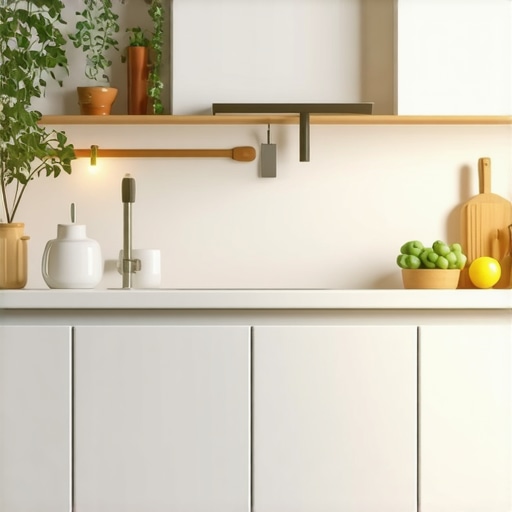
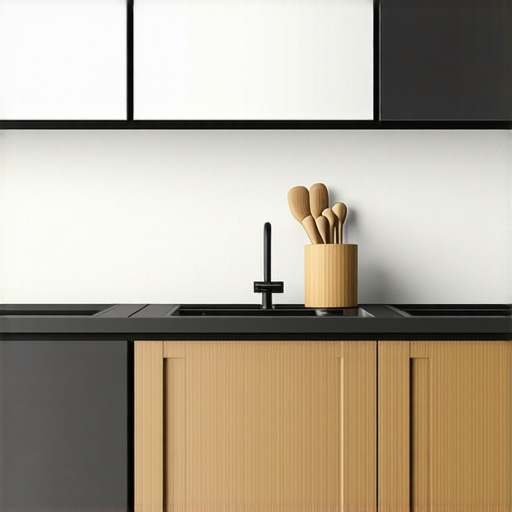
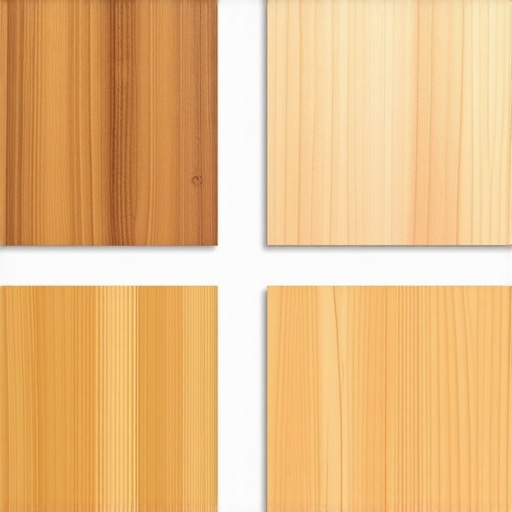
After quite a bit of research—and a few early mistakes—I found that not all finishes are created equal when it comes to combating fingerprints. Matte finishes, in particular, have a knack for camouflaging the inevitable smudges we encounter daily. But not just any matte will do; I learned that specific matte textures are designed to hide fingerprints and smudges effectively, saving me time and effort in cleaning. Today, I want to share the secrets I discovered about four matte finishes that truly make a difference in maintaining a sleek, clean-looking kitchen without the hassle.
Is Glossy Better? Think Again
Many folks assume glossy surfaces look modern and are easy to clean. I made that mistake early on—thinking that shiny cabinets would keep fingerprints at bay. Turns out, glossy finishes actually highlight every fingerprint and water spot, making your kitchen look dirtier and requiring frequent wiping. Switching to matte finishes changed everything. They absorb light rather than reflect it, helping to conceal fingerprints naturally. According to a study published in the BBC, matte textures are often preferred in high-traffic areas precisely because they hide imperfections better.
If you’re tired of the endless cycle of cleaning fingerprints off your kitchen surfaces, you’re not alone. I was there. And the solution? Choosing the right finish. But with so many options out there, it can feel overwhelming to pick what’s truly effective. That’s exactly what I wish someone had told me when I started. So, are you ready to discover which matte finishes will help keep your kitchen looking impeccable without the constant scrubbing? Let’s dive into the details of these game-changing options.
Plan Your Space Carefully
Start by mapping out your kitchen layout on paper or with a digital tool. Think of your space as a puzzle—each piece, like cabinets, appliances, and countertops, needs to fit seamlessly. Use measurements to identify dead zones and opportunities for storage. I once sketched my kitchen layout, marking each area for specific functions, which revealed underutilized corners perfect for custom solutions.
Select Smart Storage Techniques
Prioritize Vertical Storage
Imagine your kitchen as a bookshelf—using height efficiently is key. Install tall cabinets that reach the ceiling to store seldom-used items. Incorporate tension spring cabinet dividers (see ideas here) to keep pans organized vertically, freeing up drawer space. I added a floor-to-ceiling pantry closet, utilizing the full height of my kitchen—making a dramatic difference in storage capacity.
Use Hidden Spaces Effectively
Create concealed storage behind decorative panels or inside appliance garages (more examples). For instance, I built a niche for my microwave, hidden behind a sliding door, which kept countertops clear. Think of these as secret compartments in a spy movie—maximizing space without visual clutter.
Leverage Dedicated Cabinets and Built-ins
Custom cabinets tailored to your needs can transform your kitchen. Design a pull-out spice rack (see options here) inside a slim cabinet, similar to how I installed a vertical divider for baking sheets, making retrieval effortless. Built-ins (more about built-ins) can also house your trash and recycling bins, creating a seamless look while improving functionality.
Optimize for Small Spaces
If your kitchen is tight, consider innovative solutions like fold-away counter extensions or sliding shelves (ideas here). When remodeling my apartment, I incorporated a fold-out prep station that disappeared when not in use, gaining precious counter space. Use corner units with lazy susans or pull-out trays to turn awkward corners into gold mines of storage (see hardware tips).
Implement Consistent Organization Routines
Once your storage is in place, maintain order by periodic decluttering and labeling. Use clear containers and baskets to group similar items. I set a monthly reminder to reassess my cabinet contents, ensuring I only keep what I need, preventing messy overlaps. Think of your kitchen as a well-tuned orchestra—every instrument (or item) must be in its place for harmony.
Choose Durable Materials for Longevity
Invest in high-quality materials like thick-core plywood or recycled ocean plastic (see eco-friendly options) to ensure your cabinets withstand daily use. During my remodel, selecting moisture-resistant finishes prevented warping and water damage, extending the life of my investment. Think of these materials as the backbone of your storage—sturdy and dependable, ensuring your organized kitchen stays pristine over time.
Many homeowners assume that opting for standard storage solutions or off-the-shelf cabinets is sufficient for a functional kitchen. However, this misconception can lead to inefficient layouts and ongoing frustrations. One prevalent myth is that all built-ins automatically boost storage capacity. In reality, poorly designed built-ins can waste space or create awkward access points, undermining their purpose. It’s crucial to understand that tailored solutions, like custom cabinets, are crafted to maximize every inch, considering your unique needs and kitchen dimensions. Moreover, a common mistake is neglecting the importance of integrating these features during the initial remodel phase. Waiting until after installation often results in retrofits that are costly and less effective. Dive into strategic planning to align your design choices with your lifestyle.
What Lies Beneath the Surface of Custom Cabinets and Built-ins?
Many believe that high-quality materials alone guarantee durability in storage solutions. Yet, even the most premium wood or composite can fail if joints, hinges, and finishes aren’t properly selected or maintained. For example, humidity issues cause joint failures, which many craftspeople overlook during assembly. This oversight leads to sagging doors or wobbly drawers over time. Also, choosing the wrong finish—like low-grade paint or non-breathable sealers—can accelerate wear and color fading, especially in high-moisture areas. That’s why understanding the hidden nuances, such as material hygrometry and finish resilience, is essential for a lasting remodel.
Why Do So Many Storage Solutions Fail When it Matters Most?
Outside the technicalities, homeowners often underestimate the importance of smart organization techniques. Even the best-designed cabinets can become cluttered and inefficient without proper routines and accessories. For instance, a well-planned pull-out pantry, combined with vertical dividers or magnetic spice racks, not only enhances accessibility but prolongs the lifespan of your storage. Implementing these innovations early ensures seamless usability and keeps your workspace tidy. Have you ever fallen into this trap of ignoring smart organization? Let me know in the comments. Ultimately, understanding these nuances—be it material choice, joint integrity, or organizational flow—can significantly elevate your kitchen’s functionality and aesthetic appeal, turning it into a space that works as beautifully as it looks.
Maintaining your kitchen storage solutions over time requires more than just occasional cleaning. Investing in the right tools and adopting strategic methods can ensure your custom cabinets and built-ins stay durable and functional for years. One essential tool I personally rely on is a high-torque electric screwdriver with interchangeable bits. This device makes routine adjustments—like tightening hinges or replacing worn-out hardware—quick and effortless, saving me both time and frustration. Additionally, regular use of a fine microfiber cloth combined with a gentle, pH-balanced cleaner prevents buildup of grime and maintains the integrity of finishes, especially on eco-friendly surfaces like recycled ocean plastic cabinets.
To keep hinges and moving parts smooth, I recommend applying a silicone-based spray lubricant biannually. It penetrates inaccessible areas and extends the lifespan of heavy-duty hinges like those designed for demanding use. For interior organization, modular insert systems—such as adjustable shelf dividers and magnetic spice racks—offer flexibility when your needs evolve, especially in small kitchens where space is at a premium. I find that reviewing and reorganizing these periodically guarantees optimal accessibility and prevents clutter accumulation. As a future trend, I predict smart organization solutions integrated with IoT systems will become a standard, enabling remote monitoring of storage conditions and automatic alerts for maintenance needs.
How do I keep my built-ins functioning year after year?
Long-term maintenance starts with routine inspections—checking for signs of wear, loose joints, or damage caused by humidity fluctuations. For example, joints secured with dovetail joints require periodic reinforcement, particularly in humid environments. Implementing a maintenance schedule that includes gentle cleaning, hardware tightening, and finish resealing can dramatically prolong the lifespan of your cabinets. Furthermore, choosing high-performance coatings—like anti-bacterial finishes—provides added resistance against stains and microbial buildup, essential in food preparation areas.
Moving forward, I see DIY enthusiasts and professionals adopting advanced digital diagnostics and predictive maintenance tools that alert users when a component is nearing failure. This proactive approach minimizes downtime and repair costs. To integrate this philosophy now, try using a laser level and a torque screwdriver when making adjustments—these tools ensure precision and structural integrity, keeping your storage solutions aligned and solid.
Remember, consistent care combined with the right equipment not only preserves your investment but also ensures your kitchen remains a beautiful, efficient space. Whether it’s tightening hinges, applying protective finishes, or reorganizing with customizable inserts, each small effort counts. For a comprehensive guide on remodeling or custom cabinetry, explore this resource. Ready to take your kitchen maintenance to the next level? Start by testing one of the tools I mentioned today—like a silicone spray or modular dividers—and observe how much easier ongoing upkeep becomes.
Reflecting on my journey through kitchen remodeling, I realize that the true challenge lies not just in picking the right finishes or organizing gadgets, but in understanding the deeper lessons that shape successful renovations. These insights have transformed the way I approach my space—and can do the same for you.
Sneaky Lessons Only Time Taught Me About Custom Cabinets and Storage
- Perfection is a Moving Target: No matter how meticulously planned, kitchens evolve. Regular adjustments and embracing flexibility with modular solutions mean you’re always prepared for change.
- Less is Sometimes More: Overloading storage can clutter your space. Curating essentials and trusting quality over quantity maintains efficiency and peace of mind.
- Material Matters More Than Looks: A beautiful cabinet won’t last if not built with durable, moisture-resistant materials. Always prioritize longevity to save future headaches.
- Design is Personal, Not Prescriptive: What worked for my friends or online trends may not fit your lifestyle. Custom solutions should be tailored, not copied.
- Routine Maintenance Is Your Best Ally: Simple, consistent upkeep of hinges, finishes, and organization keeps your smart investments shining over years.
Tools and Resources That Changed My Remodeling Approach
- This detailed guide on custom cabinets helped me understand how tailored design elevates functionality, inspiring me to avoid cookie-cutter solutions.
- Smart storage ideas for every room prompted me to think creatively about utilizing every inch, especially in tight spaces.
- Small kitchen hacks for 2026 and beyond transformed my cramped area into an efficient workspace, proving that innovation beats size.
- Built-ins for lifestyle fit reminded me that seamless integration of storage boosts both beauty and function.
Take Action and Keep Your Kitchen Shipshape
The real magic happens when you commit to ongoing care—tightening hinges, applying protective finishes, and rethinking organization periodically. Think of your kitchen as a living space that adapts with you, not a static project. Be brave—try a new hardware upgrade or reorganize a tricky corner today. Your future self will thank you for the effort you make now.
What’s the one tweak you’re excited to implement in your kitchen first? Drop your ideas below, and let’s get inspired to transform our spaces together!