4 Sliding Shelf Upgrades That Save Your Back from Deep Reaching
I remember the moment vividly—aching back after spending what felt like hours crouched on the kitchen floor, trying to reach that elusive, jam-packed shelf at the very back of my deep cabinet. That lightbulb moment hit me hard. It was clear: no more bending and stretching like a human pretzel just to grab a can of soup or a spice jar. If you’ve ever found yourself in that predicament, you’re not alone. Many homeowners struggle with deep cabinets and hard-to-reach shelves, risking strain and discomfort every time you search for something buried in the depths.
Why Deep Reaching Is Something We All Tackle
Deep shelves are common in kitchens, built-ins, and storage units—they maximize space but often at the cost of accessibility. According to ergonomic studies, repetitive bending and reaching can lead to strain injuries, especially in the lower back, shoulders, and neck. Trust me, I learned this the hard way early in my remodeling journey. I once installed a beautiful set of deep cabinets without considering ease of access, only to realize how much unnecessary effort and discomfort I was inviting into my daily routine. Making a change became not just about convenience but about health and well-being.
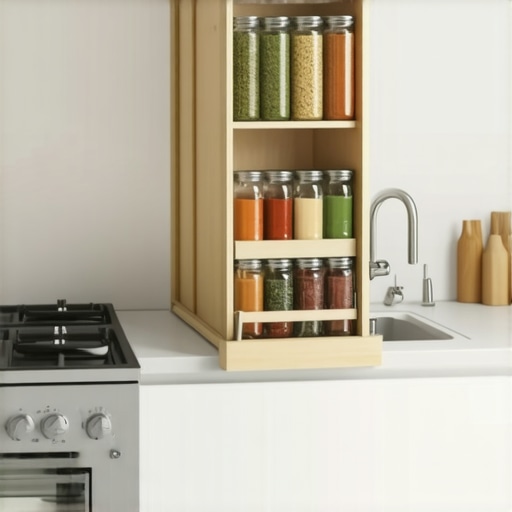
This is where smart upgrades come into play. Think of it as giving your storage a much-needed upgrade, turning it from a source of frustration into a streamlined, easy-to-access space. Today, I want to share four sliding shelf solutions that transformed my kitchen—and how they can do the same for you. Whether you’re remodeling, rethinking your current storage, or planning a built-in upgrade, these adjustments are game-changers.
If you’re tired of crawling on the floor or stretching your arm into the abyss of a deep cabinet, keep reading. I’ll guide you through practical, proven upgrades that will keep your back happy and your kitchen more functional. Ready to stop the deep-reaching dance? Let’s dive into the solutions that will revolutionize the way you access your stored items.
Measure Before You Cut
Start by measuring the depth, height, and width of your cabinets to determine the size of the sliding shelves. I vividly recall pulling out my tape measure and realizing my shelves needed to be precisely tailor-made to avoid wobbling or jamming. Accuracy here saves future headaches.
Choose the Right Hardware for Smooth Operation
Select high-quality, full-extension drawer slides or ball-bearing tracks that can handle the weight of your stored items. During my first attempt, I opted for budget slides, which squeaked and stuck, making access frustrating. Upgrading to soft-close, full-extension slides finally gave me the glide I wanted, turning a chore into a pleasure.
Build or Purchase Shelving Units
If you’re comfortable with basic carpentry, build your own shelves from sturdy plywood or MDF, aligning the grain for added strength. Alternatively, purchase pre-made drawer kits that can be customized to fit your measurements. I personally built my shelves with leftover cabinetry plywood, which significantly cut costs and allowed me to customize the spacing.
Install with Precision
Attach the slides securely to the sides of the cabinets and the shelves, ensuring they are level and aligned. Use a level and clamp the slides in place before drilling. In my rush, I slightly misaligned one slide, causing the shelf to tilt. Correcting it with adjustments made a huge difference in operation.
Test and Tweak
Slide the shelves in and out multiple times, checking for smoothness and clearance. Adjust the slides if necessary to avoid sticking or binding. My first test run revealed that some jars caught on the front edge, leading me to sand down the overhanging corners for smooth travel.
Optimize for Accessibility
Arrange items by frequency of use—everyday essentials upfront, occasional items towards the back. Use smaller bins or dividers to keep things organized. Since installing the sliding shelves, I no longer crawl into my cabinets; everything is within reach, saving time and back strain. For more space ideas in tight kitchens, check out this guide.
 Many homeowners believe that hiring a contractor for custom cabinets guarantees a perfect, hassle-free kitchen upgrade. However, even experts can overlook subtle details that make a significant difference in both aesthetics and functionality. One common misconception is that all custom cabinets are inherently superior to stock or semi-custom options. While customization offers tailored dimensions and unique styles, it can also lead to costly mistakes if not planned with precision. For instance, improperly considered door swing clearances or incorrect hardware placement can cause frustrating everyday issues, despite the cabinets being “custom.” To avoid these pitfalls, it’s essential to understand the finer points of design and installation, such as grain matching and storage optimization, which can be overlooked in rushed projects. Additionally, many assume that the latest trends are always the best choice. Instead, focusing on timeless design principles ensures your kitchen remains functional and stylish for years, rather than falling prey to fleeting fads. Advanced mistakes, like neglecting to account for future appliance upgrades or electrical needs, can also result in costly remodel adjustments later. Experts emphasize that a well-executed kitchen remodel involves strategic planning, detailed measurements, and an understanding of how subtle nuances affect the overall outcome. According to industry specialists, one often underappreciated aspect is integrating smart storage solutions seamlessly—like pull-out shelves or vertical dividers—that maximize space without clutter. For more insights into elevating your kitchen with smart, functional cabinetry, check out [this comprehensive guide](https://artisancabinetworkz.com/revolutionize-your-kitchen-remodel-using-built-ins-and-creative-storage). Remember, the secret to a successful remodel isn’t just in choosing beautiful cabinets but in understanding the underlying nuances that make a space truly work for you. Have you ever fallen into this trap? Let me know in the comments.
Maintaining your custom cabinets, built-ins, and kitchen storage systems is essential to ensure they remain functional and attractive over the years. Investing in the right tools and adopting proven methods can significantly extend their lifespan, prevent costly repairs, and make future upgrades more straightforward.
Embrace Precision with the Right Equipment
One of my go-to tools is a high-quality cordless oscillating multi-tool. Its versatility allows me to trim, cut, and sand with precision, especially when adjusting or modifying storage components without removing entire units. I rely on models like the Dremel Multi-Max because of their convenience and compatibility with various blades and attachments, enabling me to handle everything from minor refinishing to intricate shaping.
Another indispensable device is a digital level and a laser measuring tool. Consistent use of these ensures cabinets and shelving remain perfectly aligned, which is critical for both aesthetic appeal and structural safety. I prefer a laser level like the Bosch GLL 3-80 because it provides quick, accurate readings across multiple planes, saving time during installation or adjustments.
Software That Simplifies Long-Term Planning
For long-term results, I swear by space optimization software like SketchUp or 20-20 Design. These programs help visualize changes, plan storage upgrades, and forecast material needs. By modeling your space beforehand, you can avoid surprises and ensure everything from drawer depths to cabinet heights work harmoniously—especially useful when scaling or expanding your storage solutions as your needs evolve.
In addition, maintaining a detailed digital inventory of your hardware, finishes, and hardware hardware specifications (like hinge types or drawer slide models) using cloud-based tools simplifies repairs and future upgrades. Keeping organized records prevents mismatched finishes or incompatible hardware when making improvements down the line.
Consistent Maintenance Pays Off
Regularly inspecting hinges, slides, and hardware components is key. I recommend scheduling quarterly check-ups to tighten screws, lubricate moving parts, and replace worn-out cushioning or seals. For lubrication, I trust silicone-based sprays because they don’t attract dust and grime like heavier oils. A quick spray on drawer sliders and hinge pivots keeps everything operating smoothly—saving you from future sticking or squeaking issues.
Investing in quality tools and establishing routine maintenance routines might seem time-consuming initially, but it pays off by reducing the need for costly repairs. As the trend toward bespoke storage solutions continues to grow, understanding and controlling your systems with these tools ensures they serve you well for years to come.
Future of DIY Maintenance and Upgrades
Moving forward, I see an increase in smart tools, like app-controlled lubricators or sensor-based inspection devices, making maintenance even more accessible and precise. These innovations will allow homeowners and professionals alike to monitor their systems remotely and schedule timely interventions, ensuring longevity and ease of use. Incorporating these devices now into your routine can be a game-changer.
How do I maintain my built-ins over time?
Start with a regular inspection schedule, lubricate hinges and slides with quality lubricants, and keep a detailed record of hardware specifications. Always use the right tools for repairs or adjustments, such as a digital level or precision screwdrivers. For complex upgrades or scaling, leverage space planning software to visualize changes before implementation. Adopting these practices now will ensure your storage solutions stay functional and beautiful for years to come. Want practical, step-by-step guidance? Check out this resource for expert tips on maintaining and enhancing your built-ins.
As I reflect on my journey to upgrade my kitchen, one of the most eye-opening lessons was realizing that even the most beautiful custom cabinets can fall short if their design doesn’t prioritize ease of access. That lightbulb moment made me reevaluate every inch of storage and led me to discover innovations that truly make a difference.
Less Obvious Traps Homeowners Fall Into
I used to believe that simply adding more shelves was the key to better storage. However, I learned the hard way that overcrowding often results in clutter and frustration. Configuring accessible, pull-out solutions transformed my space, proving that intentional design beats sheer volume every time.
Another overlooked lesson was the importance of considering future needs. Upgrading cabinets without planning for appliance changes or from long-term storage needs can lead to costly retrofits sooner than expected. Think ahead about flexibility—it’s a game-changer.
The Small Tweaks That Make a Big Difference
Adjusting the hardware, like upgrading to full-extension slides, dramatically improved how smoothly shelves glide in and out. Implementing custom dividers and trays helped me organize everything from spices to baking supplies, making daily routines more efficient. These subtle improvements underscore that attention to detail elevates entire kitchens.
Learning about tools like space planning software helped me visualize how modifications would look and function before making any cuts. This foresight saved me time and money, and it’s a tip I now recommend to anyone considering a remodel.
Connecting with the Experts and Resources
Reading industry blogs and forums expanded my understanding of durable finishes that resist wear and tear, especially in high-traffic areas. I also found that resources like the built-in storage guide offered invaluable insights. Building relationships with professionals who prioritize ergonomic and innovative solutions can make your upgrade process more seamless.
Investing in quality tools—such as laser levels and professional-grade lubricants—proved to be cost-effective in the long run, prolonging the life of my cabinets and hardware. Regular maintenance with these tools kept everything operating smoothly and preserved the aesthetics.
A Final Word for Fellow Kitchen Enthusiasts
Transforming your kitchen with custom cabinets and clever storage solutions isn’t just about aesthetics—it’s about creating a space that works effortlessly for your lifestyle. Embrace the process, stay curious about new ideas, and remember that small adjustments can lead to remarkable results. Your dream kitchen is within reach, and every upgrade brings you closer to a space you’ll love for years.