Why Your Pantry Should Have a Dedicated Space for Onions
I walked into my kitchen last Tuesday and it hit me like a physical wall—that sharp, sickly-sweet sulfurous tang of an onion that has decided its time on earth is officially over. I spent ten minutes digging through my wire racks only to find a literal puddle of ‘onion soup’ at the bottom of my pull-out. It was gross, it was sticky, and it was entirely my fault. I used to think onions were the easy-going roommates of the vegetable world, happy to be shoved into any dark corner, but I was dead wrong. Today, I am going to show you how to stop the rot and why giving your onions their own specific ‘home’ is the smartest move you can make for your kitchen’s health.
The Day I Found the Onion Soup in My Bottom Drawer
I made a classic rookie mistake early on in my homeownership journey: I stored my onions in a beautiful, solid-wood bin right next to my five-pound bag of russet potatoes. Within a week, both were a sprouting, mushy mess. I didn’t realize that onions and potatoes are basically the Romeo and Juliet of the pantry—they are attracted to each other, but their proximity leads to total destruction. Onions release ethylene gas that makes potatoes sprout, and the moisture from potatoes makes onions rot faster. To keep things fresh, you really need to dive into expert tips on selecting storage solutions for a perfect kitchen upgrade that account for chemistry, not just aesthetics. I learned the hard way that ventilation is the only thing standing between a fresh mirepoix and a stinky cleanup project. The National Onion Association notes that onions need to be kept in a cool, dry, well-ventilated area, and a dark, stagnant corner just won’t cut it. My mistake cost me a set of base cabinets that absorbed that smell for a month. If you are planning a layout, you should consider smart storage ideas to maximize your kitchen space this year that include breathable mesh or slatted bins.
Does my pantry really need a dedicated spot for one vegetable?
You might be thinking this is overkill. I mean, it’s just an onion, right? But think about how often you reach for one. They are the foundation of almost every savory dish we cook. When I finally stopped treating them like an afterthought and designed a specific slatted pull-out drawer for them, my grocery waste plummeted. This is especially true when you realize that why your pantry shelves should be adjustable, not fixed is a game changer for creating that vertical airflow onions crave. Have you ever reached into your pantry only to pull back a hand covered in papery, rotting onion skin? It’s a wake-up call that your current setup is failing you. We are going to fix that by looking at how a little bit of airflow and a lot of separation can save your kitchen and your nose.
Give Your Onions Room to Breathe
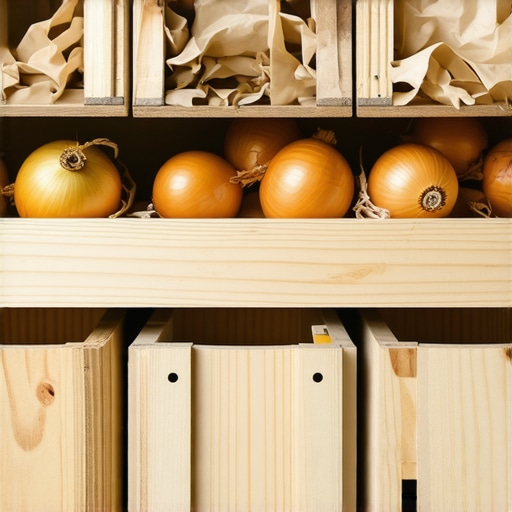
To solve the onion soup crisis, I had to stop thinking about my pantry as a static closet and start viewing it as a dynamic ventilation system. Think of your custom cabinets like the lungs of your kitchen. If you trap air inside a solid box, your produce will suffocate, sweat, and eventually liquefy. The first step in any modern kitchen remodels featuring custom cabinets and built-ins is to prioritize airflow. I recommend swapping out solid drawer bottoms for heavy-duty wire mesh or slatted wood. Last year, I helped a neighbor install what we called the ‘Vented Vault’—a series of wire-mesh pull-outs hidden behind a beautiful shaker door. We noticed that by allowing air to circulate from the toe-kick up through the back of the cabinet, her onions stayed firm for nearly three months instead of three weeks.
Separate Your Produce to Stop the Rot
We need to talk about vegetable ‘social distancing.’ Onions are essentially the loud neighbors of the pantry; they emit ethylene gas and strong odors that other vegetables absorb. If you store your onions right next to your potatoes, you are basically signing a death warrant for both. To keep them happy, you need physical barriers. When planning innovative storage solutions for modern kitchen remodels, I always suggest dedicated zones separated by at least 18 inches of cabinetry or a solid vertical divider. This is where built-ins and storage hacks for a sleek functional kitchen really shine. By installing a vertical divider inside a deep drawer, you can keep the gases from mixing while still keeping your ingredients within arm’s reach of the prep station.
Why Mesh Bottoms Beat Solid Wood for Pantry Drawers
During a particularly humid July, I realized that even my best solid-wood drawers were acting like incubators. I had a batch of red onions that turned into a moldy mess because moisture had nowhere to go. The solution wasn’t just a bigger drawer; it was a smarter one. When you are looking into the ultimate guide to custom cabinets for a stylish kitchen overhaul, look for hardware that supports heavy loads but features an open-weave design. This allows the papery skins of the onions to stay dry. It also makes cleaning a breeze—instead of scrubbing a sticky wood surface, you just vacuum the bottom of the cabinet. I’ve found that using mesh inserts within smart storage solutions for small kitchens in 2025 keeps the footprint small but the efficiency high.
Position Your Pantry Away from the Heat
The biggest mistake I see in kitchen layouts is placing the pantry or produce storage right next to the range or the dishwasher. Heat is the ultimate enemy of freshness. If your pantry shares a wall with an oven, you’re basically slow-cooking your onions before you even peel them. When you transform your kitchen with custom cabinets, ensure your vegetable storage is on an exterior wall or at least three feet away from major heat-producing appliances. I once saw a beautiful custom pantry that was rendered useless because it was built directly over a floor heater vent. The onions sprouted within forty-eight hours. By moving the storage to a cooler ‘dead’ corner, we saved the homeowner hundreds in grocery bills and prevented that dreaded rot smell from ever returning.I’ve seen it a hundred times: a homeowner spends forty thousand dollars on a ‘dream kitchen’ only to find their vegetables rotting faster than they did in a cheap apartment. The common myth is that high-end custom cabinetry should be airtight and ‘solid’ to feel premium. In reality, that is exactly what you do not want for a working pantry. While you might think why your cabinet boxes should be stapled, glued, and screwed is the only metric of quality, the real expertise lies in knowing where to break that solid seal. If your pantry does not have a passive breathing gap, you are essentially building a humidor for mold.
Can your kitchen layout actually change the chemistry of your food?
According to studies from the Cornell Food and Brand Lab, even a two-degree rise in ambient shelf temperature can accelerate the decay of alliums by nearly 20%. This is the hidden nuance most contractors miss. They focus on the ultimate guide to custom cabinets for a stylish kitchen overhaul without considering the thermodynamics of the room. When I design modern kitchen remodels featuring custom cabinets and built-ins, I insist on a ‘chimney effect’ behind the shelving. By leaving a small 1/2-inch gap between the back of the shelf and the wall—something that looks like a mistake to an amateur—you allow air to cycle. This keeps the temperature consistent and prevents the ethylene gas from settling in stagnant pockets. #IMAGE_PLACE_HOLDER_C# One of the biggest traps I see in transform your kitchen with custom cabinets involves the floor. People often want to run their beautiful new floors wall-to-wall before the cabinets go in. But here is the professional warning: why luxury vinyl plank should not be trapped under your base cabinets. If you pin your flooring down with heavy built-ins and storage hacks for a sleek functional kitchen, the floor cannot expand. This leads to buckling, which eventually messes with your cabinet level and door reveals. I once had to tear out a brand-new pantry because the floor underneath it heaved and threw the whole thing out of plumb. To avoid these expensive headaches, you need to look into expert tips on selecting storage solutions for a perfect kitchen upgrade that respect the physics of your home. It is not just about custom cabinets as a game changer in your kitchen remodel journey; it is about how those cabinets interact with the air, the floor, and the heat. Have you ever fallen into the ‘looks over logic’ trap when picking out your kitchen features? Let me know in the comments—I would love to hear your ‘oops’ stories so we can all learn from them.I have certainly fallen for the ‘looks over logic’ trap more times than I would like to admit, especially when it comes to those sleek, handle-less cabinets that look great until your hands are covered in flour. But the real ‘oops’ moments usually happen six months after the renovation is finished, when the novelty wears off and the maintenance begins. If you want your storage to stay as functional as the day it was installed, you need a toolkit that goes beyond a simple screwdriver. I personally keep a small maintenance kit specifically for my kitchen. It includes a dry PTFE lubricant spray—never use a wet oil like WD-40, which just acts as a magnet for onion skins and dust—and a high-quality microfiber cloth. This is essential because knowing how to clean matte black cabinet hardware without scratches is the difference between a kitchen that ages gracefully and one that looks beat up within a year.
Stop the grind before your hardware fails
One thing I’ve learned is that even the best hardware is susceptible to the environment of a working kitchen. If you start to feel resistance in your vegetable drawers, do not just pull harder. I always tell my clients that why your drawer slides are grinding and how to clear the ball bearings is a skill every homeowner should have. I use a small handheld vacuum with a brush attachment to clear the tracks of my onion bin every month. Those tiny, papery skins are notorious for getting lodged in the slide mechanism and causing premature wear. To ensure long-term stability, I also double-check the structural integrity; I am a firm believer in why your cabinet boxes should be stapled, glued, and screwed because the weight of forty pounds of onions and potatoes in a pull-out will eventually rack a lesser cabinet box.
How do I maintain my heavy-duty pantry pull-outs?
Maintenance is not just about cleaning; it is about recalibrating. Over time, the weight of your produce and the settling of your house will cause doors to sag. I spend about ten minutes every season performing the 5-minute hinge adjustment for fixing wonky cabinet reveals. This keeps the lines of the kitchen sharp and prevents doors from rubbing against the frames, which can chip the finish. According to technical documentation from Blum, a leader in cabinetry hardware, high-load pantry slides are engineered for up to 100,000 open-and-close cycles, but only if they remain level and free of debris. I also recommend using a digital hygrometer. I keep a tiny one tucked at the back of my onion shelf. It’s a $10 tool that tells me if my ventilation is actually working. If I see the humidity climbing above 60%, I know it’s time to clear out those upper vents, which is exactly why your pantry needs a ladder if you have high ceilings.
Smart sensors are the next frontier for fresh food
Looking ahead, the ‘breathing pantry’ is going to get a lot smarter. I predict that within the next few years, smart storage solutions for small kitchens in 2025 will include integrated VOC (Volatile Organic Compound) sensors. These sensors will detect the specific gas profile of a rotting onion or an overripe potato before your nose ever does, sending a notification to your phone to ‘check bin three.’ We are already seeing the beginning of this with climate-controlled drawers, but the future is in active air filtration within the cabinetry itself. For now, my best advice is to embrace the manual version of this: once a week, do a ‘sniff test’ and a quick wipe down. If you are thinking about an upgrade, try this one tip: buy a physical drilling template before you change your pulls. I’ve found that the best way to drill holes for new cabinet hardware is never to ‘eyeball it,’ no matter how confident you feel.
Lessons My Nose Taught Me About Pantry Chemistry
I’ve learned the hard way that a pantry is a living system, not a vault. First, always prioritize airflow over a ‘clean’ look; those small gaps at the back of your shelves aren’t design flaws—they are essential lifelines for your produce. Second, remember that verticality is your best friend when you maximize space with innovative storage solutions for every room. Keeping your onions in lower, cooler zones prevents the heat from rising and triggering premature sprouting. Finally, never underestimate the power of a physical barrier; keeping your alliums and your tubers separated by a solid divider is the only way to prevent a chemical chain reaction of rot. Setting up your best way to organize a large walk-in pantry requires thinking like a chef and an engineer at the same time.
The Gear That Keeps My Pantry Fresh
To keep everything running smoothly, I rely on a few specific items that go beyond standard shelving. I use a digital hygrometer to monitor moisture levels—if it hits 60%, I know I need to open a door or clear a vent. For hardware longevity, a dry PTFE lubricant spray is a must-have to keep those heavy-duty slides moving without attracting dust. I also suggest following professional advice on creating seamless kitchen remasters with built-in storage solutions to ensure your layout actually supports these small but vital maintenance habits. These tools turn a basic closet into a high-performance food storage system.
Start Your Journey Toward a Smarter Kitchen
Transforming your home doesn’t have to be a massive headache if you focus on the small details that impact daily life. By understanding how air moves through your space and how your ingredients interact with their environment, you can save money, reduce waste, and keep your home smelling incredible. It all starts with choosing the right custom cabinets that actually work for your lifestyle rather than just looking good in a magazine. What’s the one ‘mystery smell’ that finally forced you to reorganize your kitchen? Let me know in the comments below!