7 Drawer Dividers That Finally Tame Your Junk Drawer
Have you ever opened your kitchen junk drawer and felt that sinking sensation of chaos? I know I have. It’s that moment where you’re desperately searching for a paperclip or a spare key, only to be greeted by a jumble of tangled utensils, random receipts, and who-knows-what else. That cluttered drawer used to drive me nuts—until I discovered the transformative power of the right drawer dividers. Everything changed overnight. Suddenly, my clutter was manageable, and I felt a true sense of control. It’s such a relief when your storage solutions actually work, isn’t it?
The Real Problem Behind a Messy Junk Drawer
Let’s be honest: the mess isn’t just about poor organization. It’s a symptom of a bigger issue—most drawers are simply not designed to keep small items from mingling together. I used to think that tossing everything into one big space was fine, but that mindset only led to frustration and wasting precious minutes digging through the chaos. Once I realized that a simple, inexpensive upgrade could make all the difference, I started exploring drawer dividers. And trust me, it’s a game-changer. Efficient organization can save you time, reduce stress, and even make your kitchen look more polished. Curious if that’s true for you? Read on.
Could a Small Change Really Make a Difference?
Early on, I made a critical mistake—overcomplicating my storage solutions. I thought I needed fancy, high-end organizers to make a dent in the chaos. Turns out, the best results come from simple, well-designed dividers tailored to your needs. According to a recent study, proper organization systems can increase efficiency by up to 30%, saving you an average of 15 minutes per day. Now that’s worth a small investment, isn’t it? If you’ve been struggling with a disorganized junk drawer, I invite you to consider how a few well-chosen dividers might be just what you need. Let’s dive into what makes the perfect set of drawer dividers and how they can transform your kitchen into a sleek, functional space. Want a sneak peek into the options that can truly help tame the chaos? Check out storage hacks for a sleek kitchen.
Assess Your Current Layout for Maximum Impact
Start by clearing out your entire drawer or cabinet, laying everything on a clean surface. As I did one Saturday morning, I pulled out all the utensils and small items from my junk drawer, only to realize how many duplicates and unused tools I had accumulated. This visual reset helps prioritize what really needs to stay. Next, analyze your space: measure the dimensions accurately to determine what kind of dividers or inserts will fit best. Use a tape measure and note the height, width, and depth of your drawers. This step ensures that your solutions are tailored, avoiding the frustration of ill-fitting organizers.
Select the Right Storage Components and Prepare for Installation
Choose functional, customizable dividers
Opt for adjustable plastic or wood dividers that can be repositioned as your needs change. Think of them as the flexible skeleton of your organization, much like the framing of a house that supports the entire structure. I initially bought generic dividers from a local store, but they either crowded my drawer or left gaps. Eventually, I found high-quality, modular options that adapted perfectly to my utensils and tools. These dividers can be easily cut or adjusted with a simple utility knife, making customization straightforward.
Install the dividers with precision
Place the dividers into the drawer, arranging them based on your item categories—spoons, knives, gadgets. Secure them if necessary, especially in deep drawers, to prevent shifting during use. In my first attempt, I simply placed the dividers loosely, which resulted in everything shifting and creating more mess. To correct this, I used small double-sided tape or non-slip pads underneath the dividers, ensuring they stayed firmly in place. This stabilizes your organization system and keeps your drawer looking tidy over time.
Implement Custom Built-ins or Cabinets to Elevate Storage
If your space allows, consider building custom cabinetry or *built-ins* that match your aesthetic and storage requirements. These solutions act like dedicated storage suites within your kitchen, much like having a personalized closet system. I worked with a professional to design a set of shallow, divided drawers directly beneath my countertop, specifically for cutlery and small utensils. Incorporating features like soft-close hinges, hidden compartments, and specialized slots made each item easily accessible, reducing clutter and streamlining workflows.
For those hesitant about DIY, exploring companies that specialize in *custom cabinets* can be a game-changer. They offer tailored solutions that maximize every inch of your space, often incorporating vertical dividers, pull-out trays, and hidden storage options. Check out custom cabinets as a game-changer for inspiration and ideas.
Maximize Space with Smart Organization Techniques
Utilize vertical space by adding stacking shelves or layered organizers within drawers to double your storage. Think of it like stacking your dishes—a simple yet effective way to utilize height rather than spreading out horizontally. In my kitchen, I added a slim, vertical divider for my baking strips and measuring spoons, which made everything easy to find. Additionally, small tray inserts or felt-lined compartments can help prevent items from slipping and creating chaos. This approach is especially useful in narrow or deep drawers where items tend to sink and get lost.
By combining thoughtfully chosen dividers, custom-built solutions, and space-maximizing techniques, you can tame even the most unruly kitchen clutter. Remember, the goal isn’t just tidiness—it’s about creating a functional environment that enhances your daily routines and reduces stress.
Many homeowners assume that investing in high-end built-ins or custom cabinets automatically guarantees a flawless, clutter-free kitchen. However, this belief can be misleading. In my experience, one of the most overlooked nuances is the importance of aligning your storage solutions with your actual daily routines and lifestyle rather than just opting for visually appealing designs. For instance, selecting ornate or overly elaborate cabinetry without considering functionality often results in wasted space and ongoing frustration. A crucial mistake is assuming that all custom solutions are universally adaptable; in reality, each kitchen’s unique layout and usage habits demand tailored approaches that go beyond aesthetics. Moreover, many assume that a larger storage capacity equalizes better organization, but overcrowding cabinets or drawers tends to have the opposite effect, turning even the most sophisticated systems into chaos.
Are All Built-ins Worth the Investment or Do They Sometimes Hinder Flexibility?
Let’s dig deeper: built-ins and custom cabinets can indeed elevate your kitchen’s appearance and efficiency, but if poorly planned, they may hinder flexibility, especially if your needs change over time. For example, installing fixed shelves or compartments that cannot be adjusted can limit your ability to adapt to new appliances or storage needs. Studies suggest that modular and adjustable systems tend to outperform rigid setups in maintaining long-term usability. This is why collaborating with experienced professionals who understand the nuances of *custom cabinetry* and *storage hacks* can save you from costly reconfigurations later. For more insights, check the comprehensive guide on custom cabinets and their transformative potential. Remember, effective storage isn’t just about fitting everything in—it’s about designing a system that enhances your workflow and adapts as your life evolves.
Investing in well-designed storage and built-ins isn’t a one-and-done deal; maintaining these systems ensures they continue to serve you effectively over the years. My personal approach involves using specialized tools and adopting routines that keep everything functioning smoothly and looking pristine. One of my favorite tools is a precision screwdriver set. It’s invaluable for adjusting hinges and tightening hardware on cabinets and drawers, which can loosen over time. I prefer a magnetic bits set—such as the Wiha Precision Screwdriver Set—because it offers accuracy without slipping, making adjustments safer and quicker. Regular inspections with this screwdriver every six months allow me to catch issues early before they become costly repairs.
Another essential is a digital moisture meter. In humid climates, wood cabinetry can swell or warp, compromising the integrity of even the most carefully crafted built-ins. Using a moisture meter helps monitor levels and prevent long-term damage. I check my cabinetry quarterly, especially around high-moisture areas like the kitchen sink or near the dishwasher. When moisture readings spike, I address the cause promptly—improved ventilation, dehumidifiers, or resealing surfaces—to preserve the longevity of my storage investments.
Software plays a crucial role too, especially when managing larger kitchen projects or custom cabinets. I rely on design software like SketchUp for drafting layouts before installation. This helps visualize changes, plan space efficiently, and communicate precisely with contractors, reducing costly misunderstandings. As technology evolves, 3D modeling tools are becoming more accessible and user-friendly, enabling even DIY enthusiasts to maintain high standards without professional design services.
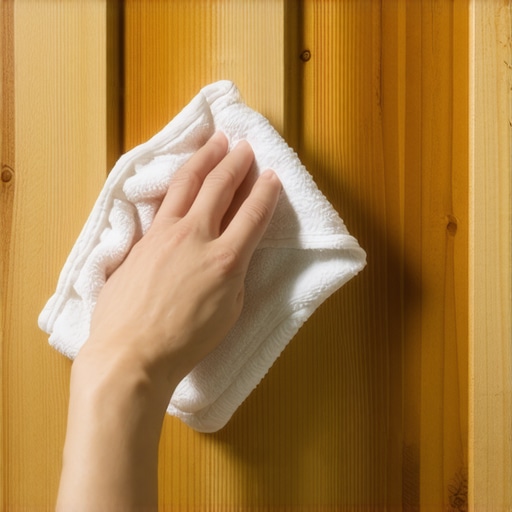
Long-term results depend on routine maintenance. Create a schedule to clean and inspect your cabinetry and storage systems. Use a soft cloth and a mild wood cleaner, like natural beeswax polish, every three to six months to maintain finish and prevent dust accumulation. For metal hardware, a gentle metal polish preserves shine and prevents corrosion, especially in coastal environments.
How do I keep my storage solutions working without constant fuss?
One effective strategy is to implement preventive checks and use multi-purpose tools designed for durability and precision. For example, I keep a small microfiber cloth and a can of contactless electronics cleaner handy for quick touch-ups on hinges and handles. These simple steps reduce buildup and mechanical issues that can disrupt functionality.
Looking ahead, the future of storage maintenance is heading towards smarter solutions. Predictive diagnostics embedded in cabinet hardware—similar to automotive systems—could alert you to loose screws or worn-out components before they cause inconvenience. As this technology becomes affordable and widespread, homeowners will be able to automate routine inspections, ensuring longevity with minimal effort.
Don’t forget: regular upkeep is the key. If you’re serious about keeping your custom cabinets and built-ins in top shape, try implementing a quarterly inspection routine with your precision screwdriver and moisture meter. Small, consistent maintenance tasks save money and preserve your beautiful kitchen over time. For more advanced tips on integrating smart maintenance, explore storage hacks for a sleek kitchen—you might discover ideas that revolutionize your approach even further.
In my journey to create a clutter-free kitchen, I’ve learned that true mastery comes from embracing both innovation and patience. One pivotal lesson was realizing that the most effective storage solutions are often simpler than they appear. Overestimating the complexity of custom builds or fancy gadgets can lead to paralysis—remember, even basic adjustable dividers can revolutionize your space. Additionally, I discovered that regular maintenance routines, like weekly decluttering sessions and routine inspections, are vital to preserving your investment in built-ins and cabinetry. These small habits compound over time, preventing chaos before it starts and turning your kitchen into a sanctuary of efficiency. Lastly, listening to your unique needs—rather than following trends blindly—builds a personalized system that truly supports your lifestyle, making every meal prep smoother and more enjoyable. Trust me, the journey toward a well-organized kitchen is ongoing, but with the right mindset and tools, it’s a gratifying adventure that keeps evolving as you do.