Why Most Pantry Drawers Jam and the Heavy-Duty Slides That Fix It
I vividly remember the moment I first reached into a kitchen drawer only to be met with stubborn resistance, the kind that made me question if I had assembled my cabinets backward. It was a small annoyance, but one that constantly disrupted my routine—every jam, every squeak felt like a personal slight. That lightbulb moment revealed a common, yet often overlooked, kitchen frustration: why do most pantry drawers jam, and what can be done about it? In this post, I promise to shed light on this pesky problem and share real solutions—no more pulling in hope and praying for smooth operation.
Why Most Pantry Drawers Keep Jamming
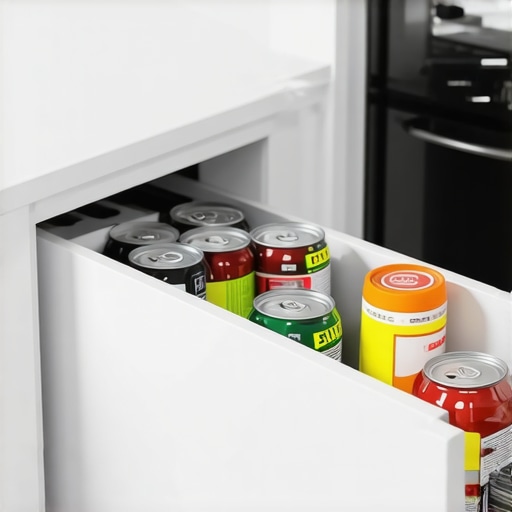
The root of the problem often lies in the hardware. Standard drawer slides, especially the inexpensive or worn-out ones, tend to fall short over time. The heavy load of canned goods, spice jars, and kitchen utensils can quickly cause these slides to sag or misalign. When that happens, the drawer gets stuck, making opening and closing a frustrating task. I learned this the hard way early on—my first kitchen remodel included budget-friendly slides that looked nice upfront but failed miserably in everyday use. Heavy items would cause the slides to warp, and soon I had to wrestle with jammed drawers daily. That mistake cost me more time and money in the long run. The good news is, upgrading to heavy-duty slides can transform this struggle into a smooth, silent glide. For a broader look at innovative storage options that maximize space and ease of access, check out this article.
Is the Hype About Heavy-Duty Slides Really Worth It?
When I first heard about heavy-duty slides, I was skeptical. I wondered if they were just another fancy upgrade that wouldn’t live up to their promises. My initial mistake was installing the first set without properly assessing my drawers’ weight capacity. I thought all slides were created equal, but it turns out, not all hardware is designed to handle the load. Once I switched to slides specifically built for heavy use—like those described in this article—the difference was night and day. My drawers now open effortlessly, even with heavy items inside. So yes, investing in robust slides is a game-changer, especially if you want durable, long-lasting kitchen storage.
Assess Your Drawer Hardware and Load
Begin by removing the drawer and inspecting the slides. Check for wear, warping, or accumulation of debris that could cause sticking. Take note of how much weight the drawer contains—overloaded drawers strain slides and lead to jams. For a specific example, I once overstuffed a shallow utensil drawer, which caused the slides to buckle, making opening a battle each time.
Upgrade Hardware for Durability
Select Heavy-Duty Slides
Replace worn or inadequate slides with high-quality, heavy-duty options. Look for models designed for weightier loads—these typically feature reinforced steel or durable polymers. I upgraded my old slides with robust models from a reputable supplier, instantly smoothing out my daily struggles. For more ideas on storage hardware, visit this article.
Ensure Proper Alignment
Align slides precisely on both the drawer and cabinet frame. Use a level and measure spacing carefully to prevent sagging. When I remounted my kitchen drawers, I used a spacer and a level, which prevented misalignment from recurring. Incorrect alignment is one of the top causes of jamming, so take your time here.
Address Drawer Overloading and Weight Distribution
Distribute contents evenly. Heavy items should be placed at the bottom or sides to prevent load imbalance. I once loaded all canned goods into a single drawer, causing it to stick and warp over time. By organizing heavier items at the bottom and lighter ones at the top, I reduced strain on the slides and mitigated jams.
Maintain and Lubricate Regularly
Keep slides clean of dust and debris. Use a silicone-based lubricant to ensure smooth gliding. During a weekend project, I disassembled and cleaned my slides, then applied the lubricant I kept handy, which restored perfect operation. Regular maintenance prevents buildups that cause sticking.
Implement Built-In Storage Solutions
For ultimate organization and reduced strain, consider custom-designed built-ins tailored to your space. Built-ins strategically distribute weight and provide dedicated storage, reducing the load on each drawer. I recently integrated a custom pull-out pantry, which kept everything accessible and eliminated clutter-induced jams. Discover how modern custom cabinets can elevate your kitchen function.
Test and Fine-Tune After Repairs
After all adjustments, gently open and close drawers multiple times to check for smoothness. Adjust alignment or lubricant application as needed. The first time after my upgrade, I meticulously tested each drawer—small tweaks made a significant difference in performance, turning a weekly frustration into a seamless experience.
Additional Tips: Reinforce Heavy-Use Areas
In high-traffic kitchens, reinforce load-bearing areas with stronger hardware or support brackets. For example, installing a steel reinforcement plate behind the slides or adding a support rail underneath heavy drawers prevents sagging.
By following these concrete steps—inspecting, upgrading hardware, aligning properly, distributing weight, maintaining regularly, and considering built-ins—you can transform stubborn, jam-prone drawers into silky-smooth, reliable storage solutions. For design inspiration and tailored solutions, browse custom cabinet ideas that seamlessly blend functionality and style.
Many homeowners and even seasoned designers fall prey to persistent myths that can hinder the effectiveness of their kitchen upgrades. A prevalent misconception is that maximizing cabinet space always means installing more shelves or deeper drawers. In reality, this approach often leads to clutter and reduced accessibility, contradicting the core purpose of efficient storage. Instead, integrating innovative storage solutions that enhance organization can provide better results.
A common trap involves believing that built-ins are only for luxury homes. This misconception overlooks their practical benefits in optimized space utilization and seamless aesthetic integration. Think of built-ins as tailored solutions that can adapt to your household’s unique needs—be it a hidden pet station or a custom spice rack—rather than just opulent embellishments.
Another myth is that custom cabinets are prohibitively expensive and only justifiable for high-end projects. However, advances in materials like bio-polymer cabinets offer cost-effective durability and eco-friendliness, making custom solutions accessible for a broader audience. The key is understanding the trade-offs and how to balance quality with budget constraints.
Because many focus solely on aesthetics, they often neglect the nuanced ways layout and hardware choices impact functionality. For instance, relying solely on standard hinges can lead to sagging doors over time, a mistake easily avoided by selecting heavy-duty hinges designed for longevity.
Ask yourself: are you applying practical, forward-thinking principles, or just following trends? The truth is, sophisticated storage design involves understanding weight distribution, material properties, and user habits. Studies, such as those shared in expert kitchen design journals, show that tailored hardware significantly extends the lifespan and usability of storage systems.
Now, imagine integrating features like recycled ocean plastic cabinets that resist warping, or vertical dividers that optimize deep cabinet space. These nuanced considerations, often overlooked, make a difference in creating a kitchen that’s both beautiful and functionally flawless.
Remember, effective storage solutions aren’t just about fitting more stuff—they’re about creating harmony between design, durability, and daily use. If you want to dive deeper into constructing a truly smart kitchen, start considering these lesser-known factors and invest in hardware and materials that align with your lifestyle.
Would you have ever fallen into this trap? Share your experiences or questions in the comments, and let’s refine our approach to kitchen remodeling together!
Keeping It Working with the Right Tools
Achieving durable, effortlessly functional kitchen storage isn’t just about selecting high-quality materials—it’s equally about how you maintain and implement the right tools throughout your remodeling journey. Personally, I rely heavily on specific equipment and software to ensure every detail aligns perfectly. For instance, I always use a digital caliper when measuring cabinet openings. This precise tool guarantees that custom cabinets fit seamlessly, avoiding costly mistakes. Investing in a quality Phillips head screwdriver with the magnetic tip helps me install hardware efficiently, reducing frustration and stripping screws. For leveling, I trust a digital laser level, which provides consistent accuracy across large spans—essential when installing built-ins or wall-mounted cabinets.
How do I maintain my storage solutions over time?
Regular upkeep is critical. I schedule quarterly inspections, where I check for loose hardware, lubricate sliding mechanisms with silicone spray, and clean dust buildup from tracks and hinges. For example, keeping drawer slides free from debris prevents jamming and ensures smooth operation. Software-wise, I use project management tools like Trello or Notion to track maintenance routines, upcoming upgrades, or hardware replacements. These platforms help me stay organized, especially on multi-phase projects involving built-ins and custom cabinets. Looking toward the future, I predict that automation and smart hardware will dominate kitchen maintenance, with sensors alerting homeowners to hardware wear before failures occur. To stay ahead, embracing these advancements now can save significant time and money later.
The value of expert consultation
Although DIY maintenance is manageable for many, consulting with professionals can uncover hidden issues and prevent escalation. I often contact specialists through platforms like this contact page for detailed assessments. For example, expert advice on the longevity of bio-polymer cabinets versus traditional MDF can influence your long-term planning. Combining professional insights with your toolkit creates a resilient, sustainable storage system that ages gracefully. So, I challenge you today to incorporate a digital level into your toolkit—it’s a small step that offers precise alignment and can significantly extend the lifespan of your cabinetry, a point echoed in this article on hardware resilience.
Lessons Hidden in My Kitchen Renovation Journey
One of the biggest insights I gained was realizing that hardware quality truly defines the usability of your storage. Spending extra on heavy-duty slides and sturdy hinges prevented constant jamming and sagging, saving me frustration and money over time.
Another key lesson was understanding the importance of weight distribution. Overloading drawers or placing heavy items unevenly caused unnecessary stress and eventual hardware failure. Distributing weight thoughtfully has made my drawers glide effortlessly, proving that planning is everything.
Additionally, regular maintenance isn’t just a chore—it’s a crucial step in preserving your investments. A simple quarterly check, lubrication, and debris removal keep everything operating smoothly, extending the lifespan of your cabinetry and hardware.
Lastly, embracing custom solutions like built-ins transformed my kitchen’s functionality, making storage seamless and clutter-free. These tailored features, though initially more involved, deliver results that generic cabinets simply can’t match. Exploring modern built-ins broadened my perspective on space optimization.
Tools and Resources That Changed My Approach
My essential toolkit revolves around precision: a digital caliper ensures perfect measurements, while a magnetic Phillips screwdriver speeds up hardware installation. The digital laser level is a game-changer for alignment, preventing sagging and misfits.
For expert guidance, I trust platforms like this contact page to connect with specialists who provide nuanced insights, especially on innovative materials like bio-polymer cabinets or resilient finishes. Books such as these design ideas have also expanded my creative options.
Staying organized with project management tools like Trello or Notion has helped me track maintenance routines and future upgrades, ensuring my kitchen remains functional and beautiful for years to come.
Your Chance to Transform Storage Challenges into Masterpieces
The journey to an impeccable kitchen isn’t just about hardware or layouts; it’s about embracing a mindset that values strategic planning, continuous maintenance, and personalized design. Every improvement I made has contributed to increased comfort and efficiency in my daily routines, and I believe yours can too.
Don’t be afraid to experiment with innovative solutions or invest in quality materials—they are the backbone of a durable, enjoyable kitchen. Start small: assess your current hardware, consider upgrades, and envision new ways to organize your space. After all, the perfect kitchen is a reflection of thoughtful choices made today.
What’s the first storage challenge you’re ready to conquer? Share your story below and let’s turn your kitchen into the functional masterpiece you’ve always wanted!