Why Thick-Core Plywood Beats Standard MDF to Stop Heavy Pantry Shelves from Bowing
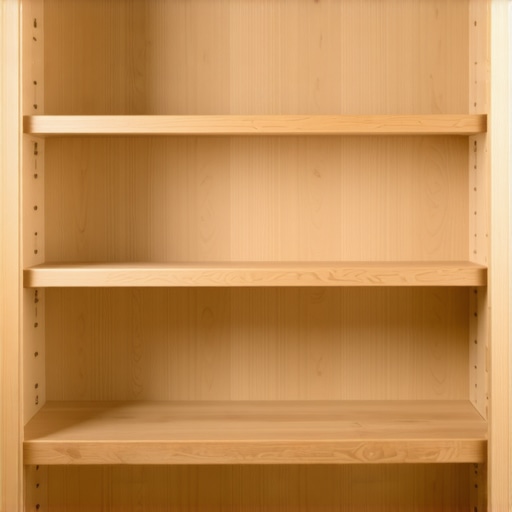
It was a frustrating weekend in my kitchen remodel when I finally loaded my new pantry shelves with all the heavy canned goods and bulk supplies I’d been hoarding. To my dismay, I watched helplessly as the shelves sagged under the weight, warping and threatening to collapse—the dreaded bowing that many homeowners fear but few are prepared to fix. That moment was a real eye-opener about materials and shelf design, and it made me question whether standard MDF was really up to the task of supporting heavy loads.
Understanding the Material Dilemma
Early on, I made a common mistake by assuming that all engineered woods could handle the weight, thinking that standard MDF would suffice for my heavy pantry shelves. But reality quickly set in when the shelves started bending after just a few months. The truth is, not all materials are created equal, especially when it comes to supporting heavy storage. Quartz-infused cabinets and other advanced materials are gaining popularity, but for structural strength, the core matter most.
Is Thick-Core Plywood Actually Better Than MDF?
Absolutely. Thick-core plywood offers superior resistance to warping, bowing, and sagging under heavy loads. Unlike MDF, which is prone to swelling when exposed to moisture and can bend over time, high-quality plywood with a thick core provides stability and durability. This is especially important in a kitchen where moisture and weight coexist. I found that upgrading to a thicker plywood core made all the difference in keeping my shelves straight and secure.
Considering your options for remodels? Look beyond standard particleboard or MDF. Modern plywood options provide not just strength but also aesthetic appeal, and they’re better suited for custom projects requiring heavy support.
**Have you ever experienced shelves bowing or sagging in your home?** If so, you’re not alone. Many DIYers and homeowners face this challenge early on without realizing that the core material is the key to long-lasting shelves. Understanding the differences and making an informed choice can save you headaches—and costly repairs—down the line.
Now, with this knowledge in hand, let’s explore how you can design and build pantry shelves that won’t buckle under pressure and will support your storage needs for years to come. Ready to learn the practical steps? Keep reading, and I’ll share the tips that turned my sagging shelves into strong, dependable storage units.
Reinforce with Proper Backing
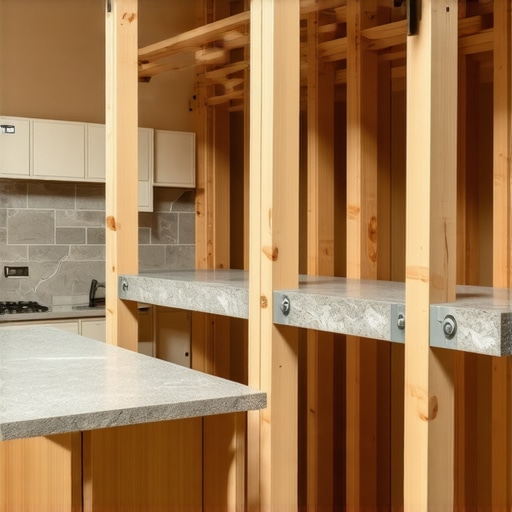
Start by anchoring your shelves to the wall with sturdy brackets or cleats. Use metal L-brackets that secure into studs behind the drywall to prevent movement under heavy weight. During my last build, I installed 2×4 cleats screwed directly into wall studs, creating a solid foundation for the plywood shelves. This approach prevents any sagging and is especially effective in older homes with uneven walls.
Opt for Heavy-Duty Plywood
Choose ¾-inch thick exterior-grade plywood with a full veneer core, like Baltic birch or maple, which offers superior strength and stability. I opted for marine plywood in my project, and the difference was night and day. It holds the weight without bowing and resists moisture, making it ideal for crowded pantry setups. Remember, the thicker and denser the plywood, the better it supports heavy loads.
Implement Cross Bracing
Add diagonal braces beneath each shelf to distribute weight evenly and prevent sagging. I used steel tension cables attached from the shelf ends to wall anchors, which provided additional support without cluttering the visual. Think of it like a suspension bridge—adding tension elements keeps everything level and secure under pressure.
Use Reinforced Shelf Edges
Install edge banding with embedded metal strips or hardwood front lips to stiffen the shelf surface. In my project, I glued 1×2 hardwood strips along the front edge of each shelf, providing extra rigidity and a finished look. This prevents the shelf from bending when loaded with cans and bulk goods.
Maintain Proper Spacing and Support
Support longer shelves with additional brackets at midpoint intervals—every 24 inches for ¾-inch plywood—rather than relying on end brackets alone. I added center supports when building my pantry, which eliminated bowing and increased weight capacity. This measure is crucial when planning for heavy items like large jars or multiple cans.
Visit Resources for Advanced Support Solutions
For more innovative ideas, explore smart storage solutions or detailed built-in designs that optimize space and support. Applying these techniques turns a sagging, unreliable shelf into a powerhouse of storage that will endure years of heavy use.
Many homeowners believe they understand everything about custom cabinets and kitchen remodels, but the truth is, there are subtle nuances that can make or break the success of your project. A common misconception is that choosing high-end materials alone guarantees durability and style. However, without considering detailed construction methods and installation techniques, even the best materials can fail prematurely. For instance, many assume that solid wood is always superior, but without proper sealing and moisture management, wood can warp or crack over time. This nuance often gets overlooked, leading to costly repairs down the line.
Another critical mistake is underestimating the importance of precise hardware and support mechanisms. Heavy-duty hinges and full-extension drawer slides may seem like standard options, but the quality and compatibility of these components determine the longevity of your cabinets. Poorly selected hardware can cause doors to sag or drawers to jam, defeating the purpose of a tailored design. For advanced remodels, I recommend exploring solid wood doors vs. MDF secrets; understanding these details helps you avoid the ‘oops’ of future maintenance.
In terms of storage solutions, many think that maximizing space simply involves adding more cabinets or shelves. Yet, the real advantage lies in intelligent design that considers user habits and accessibility. For example, incorporating pull-out trays, vertical dividers, or hidden compartments can significantly enhance functionality without clutter. Notably, intuitive storage isn’t just about capacity—it’s about ease of use over years. You can discover more innovative ideas for space-efficient storage that truly transforms your kitchen.
> For the advanced DIYer or designer, understanding support mechanisms is essential. Are your cabinets braced correctly to withstand the weight of modern appliances or heavy cookware? Oversights here can cause warping or even structural failure. Modern support tech, such as titanium core hinges or metal reinforced frames, elevates your cabinetry to professional standards. For a deeper dive, check out how to brace your cabinets effectively.
Designing built-ins that integrate seamlessly with your living space also involves understanding the nuances of aesthetic cohesion and functional flow. Incorporating thoughtful details like soft-close mechanisms, concealed hardware, and matching veneers ensures your integration looks sleek and lasts long-term. Remember, a touted feature like a built-in coffee station must be framed correctly to avoid issues like humidity damage or mechanical failure.
Finally, some pitfalls are so insidious because they seem minor but have major consequences. Avoid shortcuts in measuring or misaligning panels; one small error can cause misfits and gaps, undermining your entire project. Precision is not just a professional detail but a key to personalized perfection. If you’re interested in advanced techniques and nuanced insights, explore built-in advancements to elevate your home’s functionality.
Have you ever fallen into this trap? Let me know in the comments. Staying aware of these hidden nuances equips you to design and build kitchens that are not just beautiful but resilient and perfectly tailored to your needs.Maintaining your custom kitchen components and built-in storage solutions is essential for long-term performance and aesthetic appeal. One of the most reliable approaches is investing in quality tools and implementing a routine maintenance schedule. I personally rely on a set of precision instruments like the DeWalt oscillating multi-tool, which is invaluable for detailed cabinet hinge adjustments or scraping old finishes without damaging surrounding surfaces. Additionally, a high-quality microfiber cloth and mild wood cleaner are ideal for regular polishing, helping preserve your cabinet finishes and preventing dust buildup that can cause scratches over time.
Another software tool I swear by is SketchUp, which allows me to visualize cabinet layouts and storage solutions before physical implementation. Using digital models helps identify potential issues early, such as support deficiencies or space inefficiencies, saving costs and effort in the long run. Trend forecasting indicates that in the near future, integrating smart home connectivity into built-ins will become standard, enabling remote adjustments and maintenance alerts for hinges, lighting, or climate control within cabinetry.
How do I maintain my custom cabinets and built-ins over time?
For ongoing care, regular inspections are a must. Check for signs of moisture intrusion, especially if your kitchen experiences high humidity, by looking for subtle warping or swelling at edges. Address these issues promptly with specialized sealants or by reinforcing vulnerable joints. Implementing a controlled environment by using dehumidifiers or ventilation systems will extend the life of your cabinetry, particularly if you’ve opted for porous or natural wood finishes.
In terms of tools, a magnetic screwdriver set with various bits is essential for tightening loose hinge screws or replacing hardware swiftly. For more detailed projects, I use a digital moisture meter to monitor wood conditions, enabling proactive repairs before problems escalate. Remember, the longevity of your cabinetry depends heavily on both proactive maintenance and the right tools for fine adjustments.
Visit smart storage solutions and incorporate some innovative organizational tools to keep your space efficient and prevent unnecessary wear. Don’t hesitate to experiment with a powered sprayer for applying protective finishes evenly, which can make maintenance easier and more effective over the years. By keeping these techniques in mind, you’ll ensure your investment in custom cabinets and built-ins continues to serve your home beautifully and reliably for decades.
What I Wish I Knew When Building My Dream Kitchen
One of the biggest lessons I learned was that material choice isn’t just about aesthetics—it’s about long-term resilience. Switching from standard MDF to high-quality plywood transformed my shelves from sagging liabilities to dependable storage. Embracing the nuanced differences in materials saved me headaches and costs down the line.
Another lightbulb moment was realizing that support and reinforcement are the real heroes. Simple additions like steel tension cables and carefully placed center supports made my pantry resilient against heavy loads, proving that smart engineering trumps just selecting premium materials.
Lastly, I discovered that the devil’s in the details—like proper anchoring and balanced weight distribution. It might seem minor at first, but these small considerations make the difference between beautiful cabinets that last and ones that quickly wear out. Applied correctly, these insights offer long-lasting satisfaction in your remodel journey.
My Top Tools and Resources for Custom Cabinets and Storage
- Marine-grade plywood—In my experience, marine plywood offers unmatched strength and moisture resistance. It’s my go-to for shelves supporting heavy or moisture-prone items.
- SketchUp software—Visual planning minimizes errors and surprises, ensuring your storage solutions fit perfectly. I highly recommend it for detailed planning.
- Heavy-duty steel tension cables—For added reinforcement, they distribute weight evenly and prevent sagging, especially important in longer shelves or high-demand areas.
- Professional hardware like soft-close hinges and reinforced drawer slides—Durability in hardware equals longevity for your custom cabinetry, reducing maintenance over time.
Embrace the Challenge and Build with Confidence
Your kitchen storage can truly be a seamless blend of style and strength when you pay attention to materials, reinforcement, and details. Don’t let common pitfalls derail your project—every successful custom build starts with informed choices and careful planning. I encourage you to experiment with innovative support solutions and quality materials; your future self will thank you. Have you ever faced a support failure that taught you a valuable lesson? Share your experience below, and let’s learn together.