The Hidden Reason Your Kitchen Island Feels Too Small
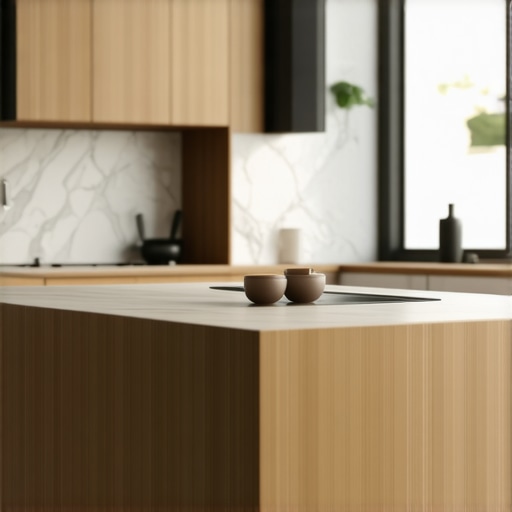
Ever stood in your kitchen, eyes fixed on your island, only to feel a sudden wave of frustration? It’s that *sinking* realization that despite the impressive size of your space, something just doesn’t feel right. I remember the first time I remodeled my kitchen—everything was gleaming, new, and spacious. Yet, when I placed all my daily essentials on the island, it felt cramped. That lightbulb moment hit me like a splash of cold water: The problem wasn’t the size of the island, but how I was **using** the space.
Why Your Kitchen Island Feels Too Small Even When It’s Big Enough
This might sound counterintuitive, but I’ve discovered through personal experience and some serious trial-and-error that many homeowners overlook a key reason their kitchen islands feel cramped. It isn’t about the actual square footage—it’s how the space is **organized** and **optimized**. A misplaced appliance, cluttered storage, or even the wrong placement can turn what should be a generous gathering spot into a bottleneck of chaos. Research shows that poor design can cut usable space by up to 30%, making your beloved island seem like a postage stamp—even if it’s large enough.
Have You Faced This Frustration?
If you’ve ever felt that your grand kitchen island is more of a hindrance than a help, you’re not alone. I want to share with you the specific reasoning behind this design flaw and, more importantly, how to fix it. Because believe me, I’ve been there, endlessly searching for solutions that don’t require knocking down walls or sacrificing style. The key lies in smart storage and layout adjustments that I wish I’d known from the start. Want to learn what I discovered? Keep reading.
Before diving into the fix, I want to admit a mistake I made early on. I thought that adding more cabinets or drawers to my island would solve the problem. Instead, it just made the space feel cluttered and less functional. Always remember, it’s not just about more storage—it’s about better storage. For some inspiration and ideas, check out these custom cabinet ideas. Now, let’s explore how you can transform your kitchen island into the true centerpiece of your home.
Rearrange with Purpose and Precision
Start by assessing your current layout. Remove all items from your island and categorize them into daily essentials, occasional-use items, and clutter. This step was my first move when I realized I was just shoving everything in a corner of my island, which made the space look cluttered and felt cramped. Now, visualize how each category should ideally be stored for quick access and minimal clutter. Think of your island like a toolbox—every tool should have its dedicated space so you don’t waste precious time searching.
Design Custom Cabinets to Maximize Space
Investing in custom cabinets tailored to your needs is game-changing. I once ordered standard-sized cabinets that didn’t fit my utensils well, leading to wasted space. Instead, I measured every item and worked with a craftsman to develop solutions like shallow-depth drawers for utensils and vertical compartments for baking sheets. Think of it like creating a wardrobe for your kitchen—everything should hang or slide out, easily visible and accessible.
Implement Smart Storage Techniques
One effective method I used was installing pull-out trash cans beneath the counter, freeing up space on the surface. Next, I added Lazy Susans for corner storage—like the one I installed in my kitchen last summer, which turned a previously inaccessible cabinet into a treasure trove of spices and condiments. These innovations are like having secret compartments—maximize every inch with purpose. For more ideas, explore space-saving solutions.
Optimize Vertical Space and Hidden Compartments
Vertical storage is often overlooked. I added a divider in my deep drawers to keep lids upright, saving me from daily frustration. Additionally, incorporating slim pull-out trays into narrow spaces turned dead zones into practical storage. Think of these as hidden compartments—discreet, yet highly functional, transforming tight spots into organized havens.
Refine Your Storage Strategy Over Time
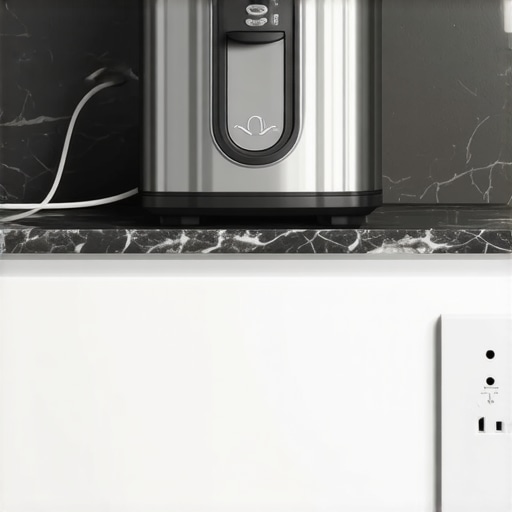
Don’t expect perfection in your first attempt. After installing new cabinets and organizers, I kept adjusting the placement of items. For instance, I moved my coffee maker closer to the outlet using a hidden outlet solution which I plan to conceal with a custom panel later. Regularly evaluate your setup—what works today might be inefficient tomorrow. Think of it as tending a garden; continuous pruning keeps everything flourishing.
Use Quality Materials for Longevity
High-quality materials prevent future headaches. I chose solid wood panels for my cabinets, knowing they resist warping and damage. Cheap particleboard might seem cost-effective initially but often fails under heavy use, leading to sagging shelves and costly replacements. Invest wisely—think of it as choosing durable tools that keep performing year after year.
Finalize with Professional Touches
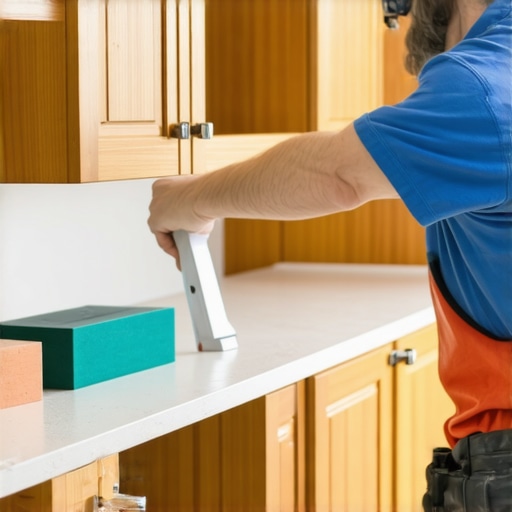
Even if you’re handy, consulting a professional ensures your storage solutions align perfectly with your space. They can advise on adjusting cabinet hinges or reinforcing countertops. Remember, small details like aligning shelves or installing gentle-close hardware prevent daily annoyances and uphold the aesthetic. It’s like tuning a fine instrument—the small adjustments make all the difference in harmony and function.
When it comes to designing a kitchen with custom cabinets and built-ins, many homeowners rely on popular beliefs that, frankly, can lead to costly mistakes. One widespread misconception is that larger, more elaborate cabinetry always equates to better functionality. In my experience, over-investing in intricate designs without considering actual usage can create clutter and hinder workflow, rather than enhance it. Instead, focusing on smart, tailored storage solutions, like those outlined in custom cabinet ideas, yields better results.
A nuanced point often overlooked is the importance of material quality. Many believe that cheaper materials save money, but in reality, they tend to warp, swell, or degrade faster—especially in high-humidity zones. This can turn a sleek design into a nightmare of repairs. Expert insights, such as those found in this article on solid wood panels, emphasize investing in durable materials for longevity.
Another common trap is underestimating the value of detailed planning in the layout. Folks tend to install cabinetry based on aesthetics alone, neglecting workflow efficiency. For instance, placing the pantry far from prep areas forces unnecessary movement. Advanced homeowners are now asking: “How can I optimize cabinet placement for a seamless cooking experience?” Embracing a holistic approach that considers peak efficiency can prevent future frustration.
Finally, many believe that DIY is always cheaper and sufficient. While some adjustments are manageable, the intricacies of European hinges and hardware, or integrating concealed electrical outlets, require expertise. Poorly executed installations can compromise the entire project, leading to higher costs and compromised aesthetics.
Making informed choices about custom cabinetry means knowing what’s behind the myths. Selecting quality materials, prioritizing functionality, and working with seasoned professionals can make all the difference. For a deeper dive into the nuances and pitfalls to avoid, explore modern kitchen remodels or consult our expert team. Have you ever fallen into this trap? Let me know in the comments.Maintaining your custom cabinets and built-in storage solutions is key to their longevity and continued functionality. Personally, I swear by employing specialized tools like high-precision screwdrivers and laser levels to ensure every hinge and shelf stays perfectly aligned over time. For instance, a quality Phillips-head screwdriver isn’t just a basic tool—it’s indispensable for fine-tuning door alignments without risking damage. Additionally, I recommend investing in a digital caliper for measuring hardware replacements; this precision helps prevent mistakes that could lead to misaligned panels or squeaky hinges. Software tools such as smart organization apps can also assist in planning periodic reconfigurations, ensuring your storage remains optimized as your needs evolve. As trends indicate a move toward automation and smarter storage, staying ahead with these tools positions you to effortlessly adapt your space, even years down the line. How do I maintain my built-ins over time? Regularly inspect and tighten hardware and clean surfaces with gentle, non-abrasive cleaners—this simple routine preserves finishes and mechanical parts, making costly repairs far less likely. Start by scheduling bi-annual checks, and incorporate this habit into your maintenance routine. Consider trying an advanced tip like installing built-in lifts for heavy appliances; it saves your back and keeps everything functioning smoothly. Keep your investments looking pristine and working flawlessly by embracing these practical tools and habits—your future self will thank you.
Hidden Lessons That Transformed My Workflow
One of the biggest eye-openers for me was realizing that the true power of custom cabinets isn’t just in their appearance but in how they subtly shape my daily routines. I learned that even the simplest tweak—like adding a vertical divider in a deep drawer—revolutionized my access to essentials, saving me time and frustration. It’s these little secrets that often go unnoticed but make a world of difference once discovered.
Tools and Resources That Elevated My Projects
Over the years, I’ve found that having the right tools can turn a tricky installation into a straightforward task. My preferred digital caliper helps me measure hardware with precision, avoiding costly mistakes. Also, consulting detailed guides like custom cabinet ideas inspires smarter designs. For space-saving solutions, these resources offer innovative tips that I wish I knew earlier.
What I Wish I Knew When Starting Out
Patience and flexibility are crucial. The journey of transforming a kitchen with built-ins isn’t linear. I underestimated the importance of testing configurations before committing to a layout, leading to unnecessary rework. Also, investing in quality materials like solid wood panels paid off in durability and aesthetics, proving that shortcuts spell trouble in the long run. My advice? Don’t rush—embrace the learning curve and celebrate each small victory.
Your Turn to Try
Designing and installing custom cabinets and efficient storage solutions can seem daunting at first, but the rewards are worth it. Whether it’s creating a hidden spice rack or reinforcing your island’s overhang, each improvement boosts your home’s functionality and your happiness. Remember, it’s about making your space work for you, not the other way around. Ready to give your kitchen that transformative upgrade? Start small, think strategically, and don’t hesitate to seek professional guidance when needed. Your dream space is closer than you think!