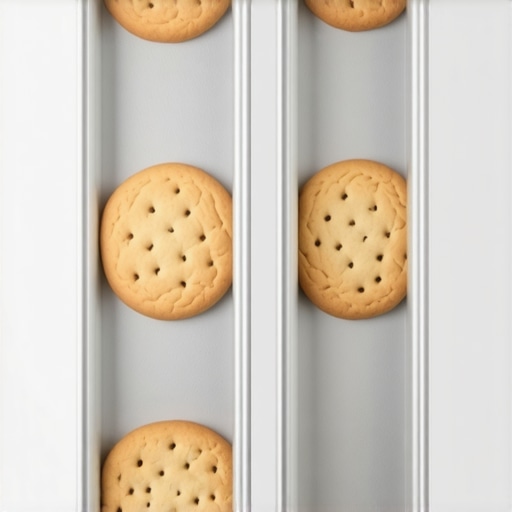
The Case for Vertical Cookie Sheet Slots Over Deep Drawers
I remember the exact moment I realized my kitchen storage was failing me. It was a busy Saturday afternoon, and I reached into a deep, cluttered drawer for my baking sheets. Instead of finding what I needed quickly, I was met with a jumbled pile of pans, some bent and others narrowly escaping a cascade onto the floor. That frustrating scramble was my lightbulb moment—traditional drawers just aren’t cut out for organizing bulky, flat items like cookie sheets and baking trays.
Discovering a Smarter Way to Store Flat Kitchen Items
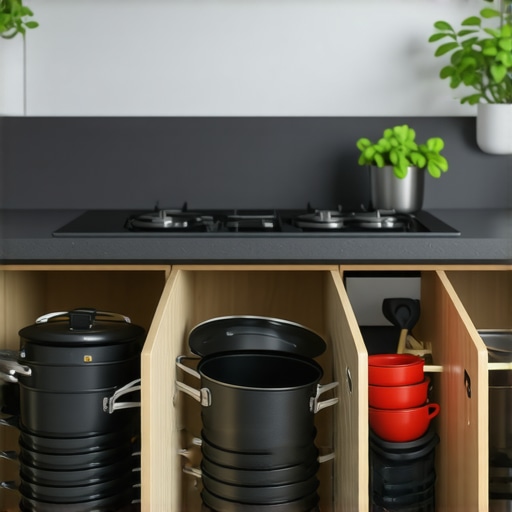
After that day, I started exploring solutions that would make my kitchen more organized and my mornings less stressful. That’s when I stumbled upon the concept of vertical storage slots specifically designed for cookie sheets and baking trays. These upright compartments keep everything visible and accessible—no more digging through a mountain of pans to find the right one. Whether you’re upgrading your existing cabinetry or planning a remodel, considering vertical slots can genuinely change the game.
Will These Storage Solutions Actually Make a Difference?
Early on, I made the mistake of dismissing these options as just another trendy kitchen gadget. I assumed I didn’t have space for a dedicated vertical compartment or that it would be complicated to install. But let me tell you—my biggest mistake was not giving it a real shot. Since implementing vertical slots, I’ve cut my kitchen prep time in half and freed up so much space in my drawers. If you’ve ever faced the frustration of tangled baking sheets or cluttered cabinet doors, this might be exactly what you need—more efficiency, less clutter.
For more insights on transforming your kitchen with innovative storage solutions, check out this guide on modern storage ideas. It’s packed with practical tips that can make your remodeling project smoother and more stylish.
Now, let’s dive into why vertical cookie sheet slots are more than just a neat trick—they’re a smart upgrade that can revolutionize your kitchen organization. Ready to learn how to select the best solution for your space? Let’s get started.
Measure and Plan Your Space
Start by clearing out your current storage area, such as a cabinet or drawer where baking sheets are stored. Measure the height, width, and depth available to ensure your vertical slots will fit comfortably. For example, during my own remodel, I took precise measurements of the interior of an existing cabinet, which helped me determine the perfect size for my custom slots.
Create a Template for Your Slots
Use cardboard or plywood to craft a mock-up of your desired slot dimensions. This allows you to verify fit and ease of access before cutting into your cabinetry. In my case, I cut several cardboard pieces to test different slot widths, eventually settling on 3-inch-wide compartments that accommodated my pans without being too tight or loose.
Choose Your Materials and Build the Slots
Select durable materials like hardwood or high-quality plywood for the actual build. Cut your material to match the template, ensuring clean edges and smooth surfaces. During my project, I used maple hardwood for its sturdiness and aesthetic appeal. I then sanded and finished the pieces to prevent splinters and ensure easy sliding of baking sheets.
Assemble and Install Your Slots
Hold the vertical dividers in place, marking where to attach supports or backing. Secure them using screws or nails, ensuring they are plumb and evenly spaced. When installing, I used clamps to keep everything aligned and secured the dividers tightly to the cabinet walls. This step prevents shifting and ensures stability for heavy pans.
Ensure Accessibility and Visibility
Once installed, organize your baking sheets by size and type, placing the most frequently used ones at the front. Test the ease of removing and replacing each pan. I found that labeling each slot with a sharpie helped keep my organized system intact over time. Plus, this setup allowed me to see all my pans at once, saving time and reducing frustration.
Refine and Adjust as Needed
After a week of use, evaluate if any adjustments are necessary—widen slots for thicker pans or add rubber liners to prevent slipping. Remember, custom solutions are iterative; small tweaks can significantly improve usability. My own initial setup was slightly tight, so I sanded down the dividers for a more comfortable fit.
For additional ideas on enhancing your kitchen storage, consider exploring modern storage ideas, or learn how built-in storage solutions can transform your space. Remember, a tailored approach yields the best results, especially when organizing bulky, flat items like baking sheets.
 Many homeowners jump into kitchen remodels with a set of assumptions that can actually undermine their project. A prevalent misconception is that opting for stock cabinets is always a cost-effective choice, but in reality, well-designed custom cabinets often provide better long-term value and functionality, especially when integrating innovative storage solutions like built-ins.
Why do so many believe that bigger is always better when it comes to kitchen storage?
This myth stems from the idea that more space equals better organization, but in my experience, inefficient use of space and poor layout can make large storage areas just as cluttered as smaller ones. Proper planning and clever design—like utilizing corner cabinets with lazy Susans or pull-out shelves—maximize usability without expanding the footprint. Experts suggest that intelligent storage design can increase your effective space by up to 30%, proving that quality trumps quantity. Rushing into a remodel without understanding these nuances leads to costly mistakes. For instance, installing open shelving without considering accessibility can result in dust buildup and clutter buildup, defeating the purpose of additional storage. Additionally, many overlook the importance of integrating power, lighting, and accessibility features into built-in units at the planning stage, which can cause delays and unsatisfactory results later.
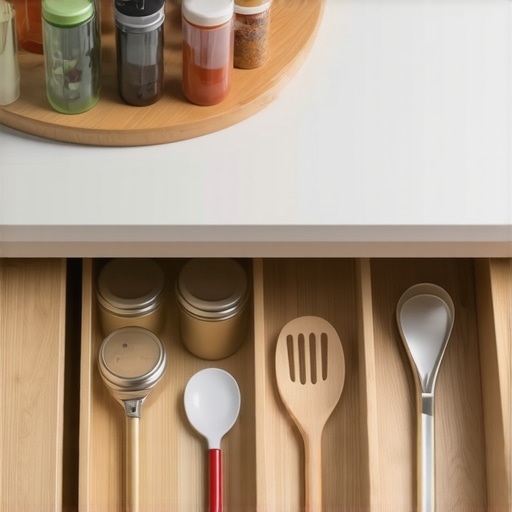
Furthermore, there’s a widespread misconception that built-in storage is simply a decorative choice rather than a functional necessity. In truth, bespoke built-ins designed with the user’s habits in mind significantly improve the kitchen’s efficiency and aesthetic appeal. Incorporating features like hidden charging stations or pull-out spice racks can transform your space into a highly functional environment tailored to your lifestyle.
To avoid these pitfalls, delve into resources like this comprehensive guide on modern kitchen remodels with custom cabinetry. It covers how personalized solutions can address your specific storage needs while elevating style. Remember, the key is not just filling space but designing storage that adapts to your cooking habits and everyday routines.
Another common trap is choosing materials or hardware based solely on aesthetics rather than durability. For example, selecting soft-close hinges and high-quality plywood ensures longevity and smooth operation, especially in a busy household. Cutting corners here can lead to costly repairs and replacements down the line. You can learn more about selecting the right materials and hardware in this expert guide to storage selection.
So, are you falling for any of these misconceptions? Understanding the nuanced differences between good and bad design choices will save you time and money, and ultimately give you a kitchen that is both beautiful and highly functional. Always remember, a successful remodel considers how every detail supports your lifestyle, not just your aesthetic preferences. For more insights on creating seamless, efficient kitchens, explore this guide to built-in storage solutions. Have you ever fallen into this trap? Let me know in the comments.
Tools That Ensure Long-Lasting Performance
Maintaining your kitchen’s custom cabinetry and built-in storage requires precision tools and strategic methods. I personally rely on a cordless oscillating multi-tool for routine adjustments, such as tightening loose hinges or sanding small areas. Its versatility allows me to perform multiple tasks with one device, reducing the need for specialized equipment and minimizing clutter in my workspace.
For deeper upkeep, I recommend investing in a high-quality vacuum with a HEPA filter to keep dust and debris at bay, especially when sanding or refinishing surfaces. Regular cleaning with these tools prevents dust buildup that can compromise the finish and hardware longevity, ensuring your cabinetry remains pristine over time.
Software and Planning to Maintain Your Remodel
Beyond physical tools, I use design software like SketchUp to simulate any adjustments or future expansions. This virtual planning helps anticipate potential issues with storage ergonomics or access, saving both time and money down the line. Additionally, keeping detailed maintenance logs—documenting repairs, hardware replacements, or refinishing schedules—helps track your remodel’s health and plan proactive interventions.
Future Trends in Kitchen Upkeep and Scaling
Looking ahead, the integration of smart home technology will transform maintenance routines. Smart sensors embedded in cabinetry can alert you to humidity levels or hardware malfunctions before they become costly issues. Scaling your kitchen also benefits from modular systems that allow easy upgrades or reconfigurations, ensuring your space adapts to changing needs without a complete overhaul.
How do I maintain built-in storage solutions over time?
Consistency is key. Regular cleaning, checking for loose hardware, and applying protective finishes when necessary will prolong the life of your cabinetry. I also suggest periodically inspecting for signs of wear or shifting, especially if you live in a climate with significant humidity changes. Implementing preventative maintenance, like sealing wood surfaces annually, can prevent warping and deterioration. For more advanced strategies, explore options like adding soft-close hardware to reduce stress on hinges and slides, which I detail in this comprehensive guide.
As kitchen remodels evolve, staying equipped with the right tools and software ensures your investment remains functional and beautiful for years. Consider integrating high-quality hardware and smart sensors to stay ahead of potential issues. Ready to upgrade your maintenance approach? Start by calibrating your hinge alignment with a precision screwdriver—it’s a small step that yields big benefits and keeps your cabinets functioning smoothly for the long haul.
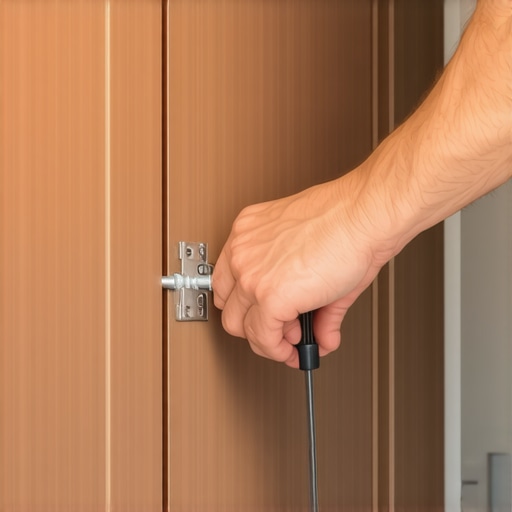
Additionally, I recommend adopting specialized hardware maintenance kits that include alignment gauges and lubricant sprays tailored for high-use kitchen hardware. These small investments can extend the life of your custom cabinets and built-ins significantly, making your kitchen a joy to use every day.
The Hardest Lesson I Learned About Kitchen Remodels and Smart Storage
- Early in my remodeling journey, I underestimated the value of tailored storage. I believed standard cabinets were enough until I saw how much time I wasted searching for utensils and baking sheets. Custom solutions like built-in spice racks or vertical baking sheet slots revolutionized my organization and saved me hours annually.
- I also discovered that bigger isn’t always better when it comes to storage space. Overly large cabinets can become dumping grounds, leading to clutter. Thoughtful, well-designed compartments that fit my specific needs made my kitchen more functional and visually appealing.
- The biggest misconception I broke was that professional-grade hardware isn’t worth the investment. Proper soft-close hinges, durable plywood, and quality hardware kept my cabinets smooth and quiet, preventing costly repairs down the line. Investing in high-quality materials truly pays off.
- Finally, I learned that integrating technology—like sensor-activated lighting or maintenance reminders—can extend the life of built-in cabinets and storage solutions. These little upgrades make daily routines easier and preserve the beauty of my kitchen for years to come.
My Essential Picks for a Flawless Kitchen Upgrade
- SketchUp Software: I rely on this tool for precise planning and visualization before making physical changes, ensuring everything fits perfectly.
- Expert Hardware Kits: Including hinge alignment and soft-close dampers, these kits help uphold the integrity of my cabinet systems over time.
- High-Quality Plywood and Hardware: Durability and smooth operation depend on choosing the right materials—trustworthy brands have saved me from premature replacements.
- Smart Home Sensors: Monitoring humidity and hardware health with sensors helps me catch issues early, protecting my investment in custom cabinets and built-ins.
Your Next Kitchen Victory Starts Now
Designing the perfect kitchen storage system isn’t just about aesthetics; it’s about creating a space that enhances your daily life. Whether you’re considering vertical baking sheet slots or built-in spice racks, every thoughtful detail can make a significant difference. This journey is personal, and the key is to tailor solutions that fit your habits and home.
Ready to transform your kitchen with innovative storage ideas? Take the first step today—measure your space, explore custom options, and don’t be afraid to experiment with layouts that prioritize accessibility and efficiency. Your dream kitchen is within reach, and every small improvement brings you closer to a more organized, joyful cooking environment. For more insights into creating seamless, functional kitchens, check out these expert tips on built-in storage.
What’s the one storage challenge in your kitchen you’re eager to solve next? Share your thoughts below!
,