4 Plywood Alternatives for Kitchen Remodels and Real Costs
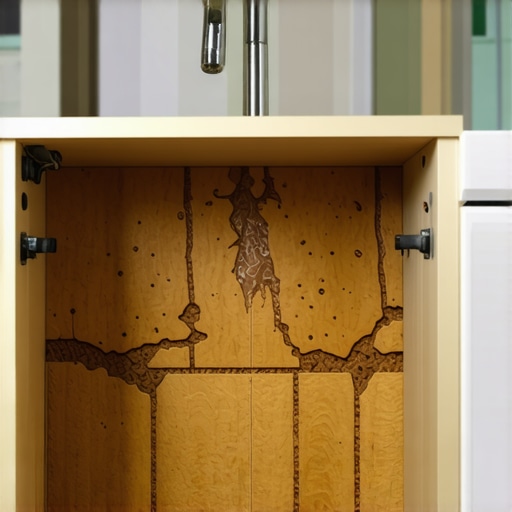
I vividly remember staring at my half-finished kitchen, feeling the sting of a mistake I made early on—settling for cheap, subpar plywood for my cabinetry. The color didn’t match, the edges warped, and soon enough, I was battling dents and scratches that no amount of touch-up could fix. That lightbulb moment made me realize how crucial quality materials are, especially when budget constraints tempt us to cut corners.
If you’re about to embark on a kitchen remodel, you probably feel the excitement mixed with a dash of overwhelm. What materials will give you durability without draining your wallet? How do you choose options that look good, perform well, and stay within your budget? These questions aren’t just small hurdles—they can make or break your entire project. And trust me, I’ve been there, trying to balance style, strength, and cost—sometimes with frustrating results.
Discovering Affordable and Reliable Plywood Substitutes
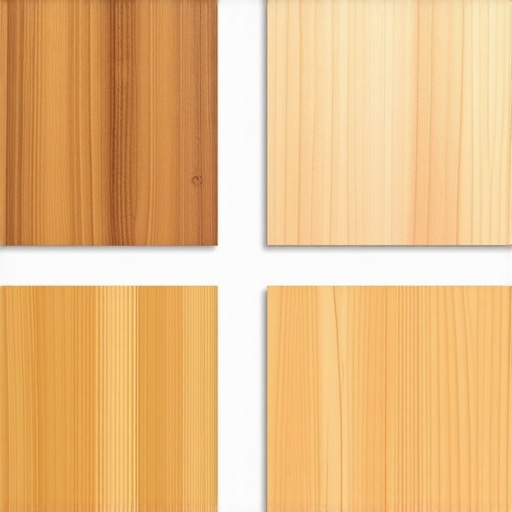
Over time, I learned that there are several smart alternatives to traditional plywood that won’t compromise your kitchen’s look or longevity. Whether you’re thinking about DIY projects or working with a contractor, understanding these options can save you from expensive mistakes and help you create a space that’s both beautiful and built to last. From high-quality MDF to innovative composite materials, these alternatives have become my go-tos for modern kitchen renovations.
Concerned That Cheaper Materials Won’t Last?
I used to believe that saving a few dollars meant sacrificing quality—until I realized that some cost-effective materials perform remarkably well. Early on, I made the mistake of choosing low-grade plywood that warped and showed seams. Today, I understand that choosing the right material—like rift-sawn oak or recycled ocean plastic cabinets—not only extends the lifespan of your kitchen but also aligns with eco-friendly goals. Interestingly, according to industry research, some alternative materials can withstand humidity and daily wear better than traditional plywood, which is a relief for busy family kitchens.
Keep reading, and I’ll show you how to identify and select the best plywood alternatives for your remodel—so you don’t have to learn the hard way like I did. Ready to explore these options and avoid common pitfalls? Let’s dive into practical solutions that balance cost, quality, and style, and transform your kitchen into a space you’ll love for years to come.
Identify Your Storage Needs Clearly
Start by analyzing your current kitchen layout and note where clutter piles up. Think of your space as a puzzle; understanding which pieces—pots, spices, utensils—need dedicated spots helps shape your plan. I once marked my kitchen with masking tape, outlining potential zones for drawers and shelves, which revealed hidden opportunities and saved me costly mistakes.
Design Functional Built-In Cabinets and Shelves
Use design software or graph paper to sketch out custom cabinets tailored to your items. Consider incorporating pull-out shelves and vertical dividers—they’re like dedicated lanes on a highway, optimizing flow and accessibility. For instance, I installed shallow pull-outs for spices, which turned a forgotten corner into a culinary command center. Check out this guide for detailed design tips.
Plan for Seamless Integration
Match your cabinetry styles and finishes to create a cohesive look. Think of your kitchen as a well-organized closet—you want each piece to blend seamlessly. I opted for flush-mounted, handleless cabinets that align perfectly with modern aesthetics. Precise measurements and templates are critical here; I used cardboard cutouts to test before committing to cuts, preventing costly errors.
Choose Quality Materials and Hardware
Select durable materials that withstand daily use; think of your cabinets as long-term investments. I switched to engineered hardwood for shelves, balancing cost and strength, and installed soft-close hinges for quiet operation. Remember, high-quality hardware like soft-close hinges and sturdy slides prevent frustration over time.
Create Accessible and Ergonomic Layouts
Design with your height and reach in mind, positioning frequently used items at waist level. Imagine the workspace as an assembly line—every component should be within arm’s reach for efficiency. I moved my spice drawers to mid-level to avoid bending and reaching, which made cooking more enjoyable. Use spacers and braces to stabilize heavy or uneven fixtures, ensuring safety and longevity.
Install and Fine-Tune Your Storage System
Follow manufacturer instructions meticulously during installation. Use levels and shims—think of shims as your kitchen’s orthodontist—aligning everything perfectly. I once had a cabinet door that was off by a millimeter; a quick adjustment with a screwdriver restored symmetry. Test all mechanisms before completing the finish carpentry, ensuring smooth operation and accessibility.
Maintain and Adjust for Long-Term Use
Schedule regular checkups on hardware and joints to catch issues early. Keep hinges clean, lubricated, and aligned—much like tuning a musical instrument. If you notice drawers starting to stick, it might be time for a quick adjustment or new slides, preventing larger problems later. Proper maintenance extends your investment’s life and keeps your kitchen running effortlessly.
Most homeowners and even some designers believe that choosing the right storage options is simply about maximizing space or matching aesthetics. However, **there’s a subtle misconception** that can lead to long-term frustrations—assuming that any built-in or custom cabinetry will automatically adapt over time. In reality, many popular strategies overlook the nuanced details that distinguish a good solution from a truly exceptional one.
One common myth is that modular systems or off-the-shelf cabinets are enough for all kitchen needs. While these can be efficient initially, they often fall short when it comes to accommodating unique tasks or irregular spaces. For example, a standard corner cabinet without proper internal organization might seem efficient until you realize it’s difficult to access or clean. **The true advanced trick** lies in designing *customized* built-ins with tailored features—like adjustable dividers, specialized pull-outs, or hidden compartments—that evolve with your needs. This approach also helps avoid the “oops” trap of wasted dead space, something I initially overlooked, leading to clutter and frustration.
When contemplating a remodel, many get caught up in the visual aspect, neglecting how storage solutions *interact* with daily use. For instance, high-mounted cabinets might look sleek but can become a source of constant strain or discomfort—especially if ergonomics aren’t factored into the design. An often-underestimated detail is the placement of frequently used items at reachable heights; a smart layout not only improves efficiency but also prolongs the lifespan of your hardware, reducing maintenance costs.
### How can advanced storage design improve your kitchen’s functionality?
Thinking ahead with a nuanced plan involves understanding your specific routines. Integrating features like **built-in spice racks, pull-out garbage bins, or even dedicated charging stations** can streamline your workflow and prevent clutter. Also, considering materials is vital—**moisture-resistant finishes and durable hardware** ensure longevity. For example, relying solely on standard plywood can be risky in humid kitchens, as it may warp or swell over time, undermining your investment. Instead, exploring alternatives like high-quality MDF or recycled ocean plastics, which are more resistant, can be smarter choices.
A word of caution—don’t fall into the trap of thinking that more compartments or complicated mechanisms are always better. Overly intricate storage can make access cumbersome or maintenance burdensome. Balance innovation with practicality by working with experienced designers who understand the *nuance* of ergonomic and durable solutions.
For insights on creating seamless and adaptable built-ins, check out this detailed guide. They emphasize that **a successful storage solution should feel custom yet effortless**—something that adapts gracefully as your needs change.
In sum, the hidden nuance in storage solutions is the *attention to detailed design and future-proofing*—not just aesthetics or space maximization. If you’re planning your remodel, consider these advanced concepts to truly elevate your kitchen. Have you ever fallen into this trap? Let me know in the comments.Maintaining your kitchen’s storage solutions and built-in systems is crucial for long-term functionality and aesthetic appeal. **Invest in the right tools** to ensure your cabinetry and hardware stay in top condition—quality screwdrivers, soft cloths, and lubricants like silicone spray are staples. Personally, I rely on a magnetic screwdriver set with interchangeable bits because it allows quick adjustments and prevents stripped screws during routine maintenance. Regularly checking and tightening hinges and drawer slides prevents wear and tear, saving you costly repairs down the line. Looking ahead, advancements in smart hardware and maintenance apps suggest that future kitchen upkeep will become more automated, reducing manual effort and increasing longevity.
Uncovering Hidden Lessons in Kitchen Storage
From My Personal Mishap to Mastery
One of the most valuable lessons I learned was that perfection in storage design comes from meticulous planning and understanding the nuances of materials and layout. Early on, I underestimated the importance of adjustable features in built-in cabinets, which later proved essential when my family’s needs evolved. It’s the small details—like adjustable dividers or custom pull-outs—that can make a dramatic difference in long-term functionality.
Another insight was realizing that off-the-shelf solutions, while tempting, often fall short in accommodating unique kitchen layouts or specific storage demands. Custom cabinets, although initially more effort, provided me with tailored solutions that maximized space and enhanced ease of access, saving time and frustration over the years.
Overconfidence in hardware choices can be a silent pitfall. I once installed budget hinges, only to regret it when they started squeaking after a few months. Investing in durable, soft-close hardware pays dividends in quiet operation and longevity—trust me, your future self will thank you.
Lastly, understanding the balance between aesthetics and practicality is crucial. Striving for a sleek look shouldn’t compromise ease of use. Incorporating features like ergonomic drawer pulls and thoughtfully placed storage zones has transformed my kitchen into a workspace I love and rely on daily.