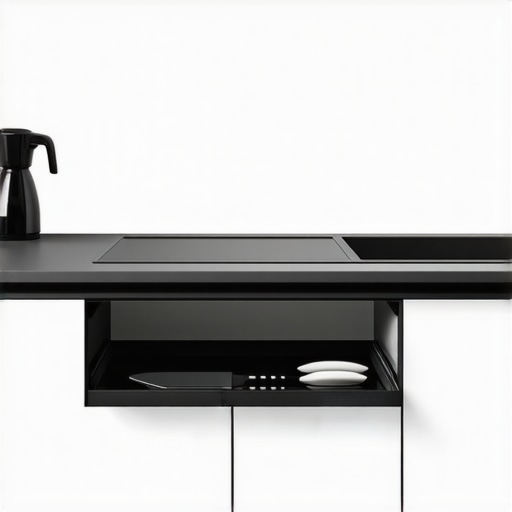
Why Your Kitchen Remodel Needs a Knife Drawer Block Instead of a Countertop Block
It was a morning like any other, but as I reached for my trusty chef’s knife, I accidentally knocked over a ceramic dish—crashing onto the countertop with a loud shatter. That split second made me realize how cluttered and poorly thought out my kitchen storage had become. I had always believed that a stylish countertop knife block was the perfect solution, but after that messy mishap, I started questioning everything. Does this sound familiar? Have you ever experienced frustration or even minor accidents because of your current knife storage? If so, you’re not alone. Many homeowners embark on a kitchen remodel with the hope of improving functionality, only to find that initial choices like countertop blocks cause more trouble than convenience.
The Hidden Cost of Countertop Knife Blocks
Countertop knife blocks may seem like an attractive, decorative addition to your kitchen. They offer easy access and a tidy display of your favorite knives. But beneath their charming exterior lies a series of practical issues that often get overlooked during the design phase. For instance, countertop blocks tend to take up significant space, crowding your workspace and making kitchen tasks more cumbersome. They also collect dust, kitchen splatters, and tiny crumbs, demanding frequent cleaning. Most importantly, they pose safety risks—accidental knocks or spills can lead to broken dishes or even injuries.
In contrast, integrating a dedicated knife drawer within your cabinet system can dramatically enhance both safety and organization. Properly designed knife drawers keep blades securely stored away from children and prevent accidental cuts. Plus, they free up valuable countertop space, giving your kitchen a cleaner, more streamlined appearance.
From my own mistake of neglecting the importance of built-in solutions, I learned that prioritizing smart storage options—like a customized knife drawer—can be a game-changer. If you’d like to see how you can optimize your kitchen design, check out [revolutionize your kitchen remodel using built-ins and creative storage](https://artisancabinetworkz.com/revolutionize-your-kitchen-remodel-using-built-ins-and-creative-storage).
The key is understanding that a well-planned storage layout supports efficiency, safety, and aesthetics—three pillars of a successful kitchen remodel.
Question Head: Is the hype about knife drawers justified in real life?
Early in my remodeling journey, I made the mistake of underestimating the importance of custom storage solutions. I assumed that buying a standard drawer insert would suffice, but I overlooked the need for a fully integrated, tailored design that fits my specific space. This oversight led to wasted drawer space and persistent clutter. It’s a common pitfall, but one that can be avoided with expert guidance. If you’re curious about creating a truly functional kitchen, I recommend exploring [expert tips on selecting storage solutions for a perfect kitchen upgrade](https://artisancabinetworkz.com/expert-tips-on-selecting-storage-solutions-for-a-perfect-kitchen-upgrade).
Now, let’s dive into how to design a knife storage system that is safe, accessible, and seamlessly integrated into your kitchen’s flow—starting with understanding why a dedicated drawer beats the countertop every time.
Plan Your Storage site and Measure Precisely
Start by assessing your available kitchen space. Remove existing drawers or cabinetry if needed to visualize the layout. Use a tape measure to determine the width, depth, and height of your ideal knife drawer, ensuring enough room for your entire collection without overcrowding. During one project, I measured twice to confirm the dimensions, avoiding costly mistakes later.
Create a Custom Drawer Divider System
Design or acquire adjustable dividers tailored to your knife collection. Think of these dividers as the fences in a garden—they keep everything organized and prevent blades from knocking against each other. I welded my own inserts from thin aluminum, which proved sturdy and easy to customize for different knife sizes.
Choose the Right Materials for Longevity and Safety
Select non-slip, moisture-resistant materials such as rubberized inserts or HDPE plastics. This prevents blades from slipping and protects wood surfaces from moisture damage. When I developed my system, I lined the drawer with rubber mats, which kept knives securely in place and made cleaning a breeze.
Integrate Built-In Storage into the Kitchen Design
Work with your cabinetry expert to design a cabinet with a dedicated knife drawer. Use full-extension slides rated for heavy use—these are like the trains that run smoothly on tracks, supporting the weight and allowing full access. I installed my custom drawer with soft-close slides, which prevented slamming and prolongs hardware life.
Seal and Finish the Storage Space
Finish the cabinet interior with moisture-resistant paint or sealant to prevent warping. Ensure the outer cabinet aligns perfectly with existing cabinetry for a seamless look. During my installation, precise scribing and stable clamps ensured a flush finish, enhancing both safety and aesthetics.
Incorporate Safety Features and Accessibility
Install anti-slip liners and childproof locks if necessary. Design the drawer to open at an ergonomic height—generally between waist and chest level—to minimize strain and risk while retrieving knives. I added a gentle push-to-open latch for one drawer, reducing the effort needed to access my knives quickly and safely.
Test the System Thoroughly
Before fully loading, test the drawer’s movement, safety locks, and blade organization. Adjust dividers as needed. I once overlooked a divider’s alignment, causing minor blades to shift, but quick realignment fixed the issue and improved overall safety.
In the realm of kitchen remodels, many assume that choosing custom cabinets or built-ins guarantees optimal functionality. However, one of the most overlooked nuances is the misconception that all built-in storage solutions are created equal. While premium materials and sleek finishes are impressive, the true experts know that design details and subtle choices can make or break your kitchen’s efficiency. For example, a common myth is that installing shallow upper cabinets maximizes accessibility. In reality, shallow depth limits storage capacity and can lead to clutter, negating the convenience. A more nuanced approach involves tailored depths that balance reachability with practicality.
Why do some built-ins still underperform despite high-end finishes?
Many believe that investing in top-tier materials automatically ensures lasting performance, but according to a recent study by the National Kitchen and Bath Association, up to 60% of durability issues arise from improper installation or layout flaws rather than the materials themselves. For instance, inadequate airflow behind cabinets can cause warping over time, especially in high-humidity environments. This underscores the importance of integrating advanced design considerations, like proper ventilation and moisture management, into your built-in plans. Skipping these details often results in costly repairs down the line. Moreover, the misconception that customized solutions are always pricier dissuades homeowners from exploring innovative options. But in my experience, strategic investments in well-designed built-ins—such as incorporating adjustable shelving or pull-out trays—offer superior value and usability. For further insights on selecting the right storage, explore expert tips on storage solutions.
Another pitfall is relying solely on aesthetics without considering ergonomics. For example, placing heavy pantry shelves at waist height instead of higher or lower positions minimizes strain during daily use. Small tweaks like these, often missed by DIYers, significantly enhance the kitchen’s overall efficiency. Remember, the goal isn’t just a beautiful space but a thoughtfully engineered one. If you’re interested in maximizing your kitchen’s potential, check out how built-ins revolutionize your kitchen.
Ultimately, understanding these nuanced design principles is crucial. It’s not enough to opt for trendy cabinetry or shiny fixtures; success lies in meticulous planning and execution. Have you ever fallen into this trap? Let me know in the comments and share your experiences with built-in storage challenges.Maintaining your custom kitchen storage and built-in cabinets requires more than just initial installation; it involves ongoing care and the right tools to ensure durability and functionality. Personally, I swear by a set of high-quality maintenance tools, such as a soft microfiber cloth for cleaning delicate surfaces and a silicone-based lubricant for hinges and slides. These help preserve the integrity of finishes and moving parts, preventing premature wear. For cleaning, I use a gentle, non-abrasive cleaner specifically formulated for wood and laminate surfaces, which I apply with a spray bottle and a microfiber cloth, avoiding streaks and scratches.
To keep hinges and slides operating smoothly, I recommend applying a small amount of silicone spray every six months. This simple step can extend the lifespan of your hardware and prevent squeaking or sticking — issues that often plague even the best built-ins over time. I also make a habit of inspecting seals, stops, and fasteners periodically, tightening screws or replacing worn parts as needed. Using a magnetic screwdriver makes this process quick and precise.
Software tools are equally essential for long-term planning. Digital design programs like SketchUp or 2020 Design help me visualize modifications or upgrades before diving into costly repairs or renovations. These programs allow me to experiment with storage configurations, ensuring continued efficiency and safety as my needs change. Moreover, cloud-based project management tools help keep track of maintenance schedules and hardware warranties, streamlining future work.
Looking ahead, I believe the trend is moving towards smart maintenance solutions integrated with IoT technologies. Imagine cabinets with sensors that alert you when hinges need lubrication or if moisture levels risk warping your wood. As these innovations become more affordable, proactive care will revolutionize how we preserve our beautiful, functional kitchens.
Question: How do I maintain my custom cabinets and storage systems to prevent issues over time?
Regular inspections and smart tools are key. Check hinges, slides, and seals periodically, lubricate moving parts, and clean surfaces with appropriate products. Incorporating digital solutions can help schedule and track these maintenance tasks efficiently.
For example, using protective coatings on wood surfaces—like polyurethane finishes—adds a layer of defense against moisture and stains, which is crucial in kitchen environments. When combined with a thorough maintenance routine, these protective measures maximize your investment and keep your kitchen looking like new. For more detailed advice on selection and application, I recommend reading The Ultimate Guide to Custom Cabinets for a Stylish Kitchen Overhaul.
It’s worth trying a tip like applying silicone lubricant to hinges and slides every six months. This small act can prevent squeaks, sticking, and hardware failure, saving you time and money in the long run. Keep your storage solutions functioning smoothly, and your kitchen will remain both beautiful and practical for years to come.
3 Myths About Built-Ins That Held Me Back
One of the most eye-opening lessons was realizing that luxury finishes don’t guarantee performance—proper installation and thoughtful layout are crucial. I once believed that expensive materials alone would ensure durability, but neglecting ventilation and moisture control caused future issues. Additionally, I thought shallow upper cabinets maximized accessibility—turned out, they limited storage capacity and increased clutter. The biggest revelation was understanding that custom solutions, while seemingly pricier, offer personalized efficiency that off-the-shelf options can’t match. Lastly, I underestimated the value of precise measurements; a small miscalculation led to misaligned drawers and safety hazards, teaching me the importance of meticulous planning.