

Engineered Cabinetry Built To Exacting Architectural Tolerances
Architectural-grade cabinetry engineered for absolute precision.
Most kitchen cabinets fail within five years due to 1/2-inch particleboard boxes and imported hardware. We build and review cabinetry based on structural facts, requiring 3/4-inch domestic plywood and 100-pound dynamic load ratings. Demand transparency in your Portland home’s millwork.
Structural Specifications That Define Architectural-Grade Millwork

🪵 3/4-Inch Plywood Carcasses
We reject 1/2-inch particleboard and MDF cores entirely. Every cabinet box requires 3/4-inch domestic veneer-core birch plywood to prevent racking and fastener pull-out over a 30-year lifespan.
⚙️ 100-Pound Dynamic Load Hardware
Drawer slides must support heavy cast iron pans without deflection. We mandate Blum Tandembox or Movento undermount glides rated for 100 to 135 pounds of active movement.
📐 Blind Dado and Dowel Joinery
Staples and hot glue fail under shear stress. Our structural standards demand CNC-machined blind dado joints reinforced with hardwood dowels and Type II water-resistant PVA glue.
🧪 Catalyzed Conversion Varnish
Standard latex paint chips and stains. We require a post-catalyzed conversion varnish applied in a climate-controlled booth, curing to a 40-sheen finish that resists chemical degradation.
📏 1/32-Inch Reveal Tolerances
Sloppy gaps ruin the architectural lines of inset cabinetry. We calibrate our CNC routers and edgebanders daily to maintain strict 1/32-inch tolerances across all door and drawer reveals.
The Engineering Phase For Portland Cabinetry Projects
1
Analyze Structural Requirements
Submit your architectural blueprints or kitchen dimensions. We calculate the exact linear footage, required point-load capacities for heavy appliances, and environmental moisture considerations.
2
Specify Materials And Hardware
We select the exact plywood grades, hinge opening angles, and drawer box thicknesses required for your specific usage metrics. You receive a line-item breakdown of every structural component.
3
Execute Precision Fabrication
Production begins in our facility with CNC machining accurate to 0.001 inches. We assemble the carcasses square and true, verifying all diagonal measurements before applying the final conversion varnish.
135 lbs
Drawer Load Capacity
Minimum dynamic weight rating for our specified heavy-duty Blum undermount drawer glides.
3/4 inch
Carcass Thickness
Domestic veneer-core plywood used exclusively for all cabinet sides, tops, and bottoms.
1/32 inch
Maximum Reveal Variance
The strict tolerance limit we enforce for all inset door and drawer gaps.
Structural Integrity Verified In Portland Homes
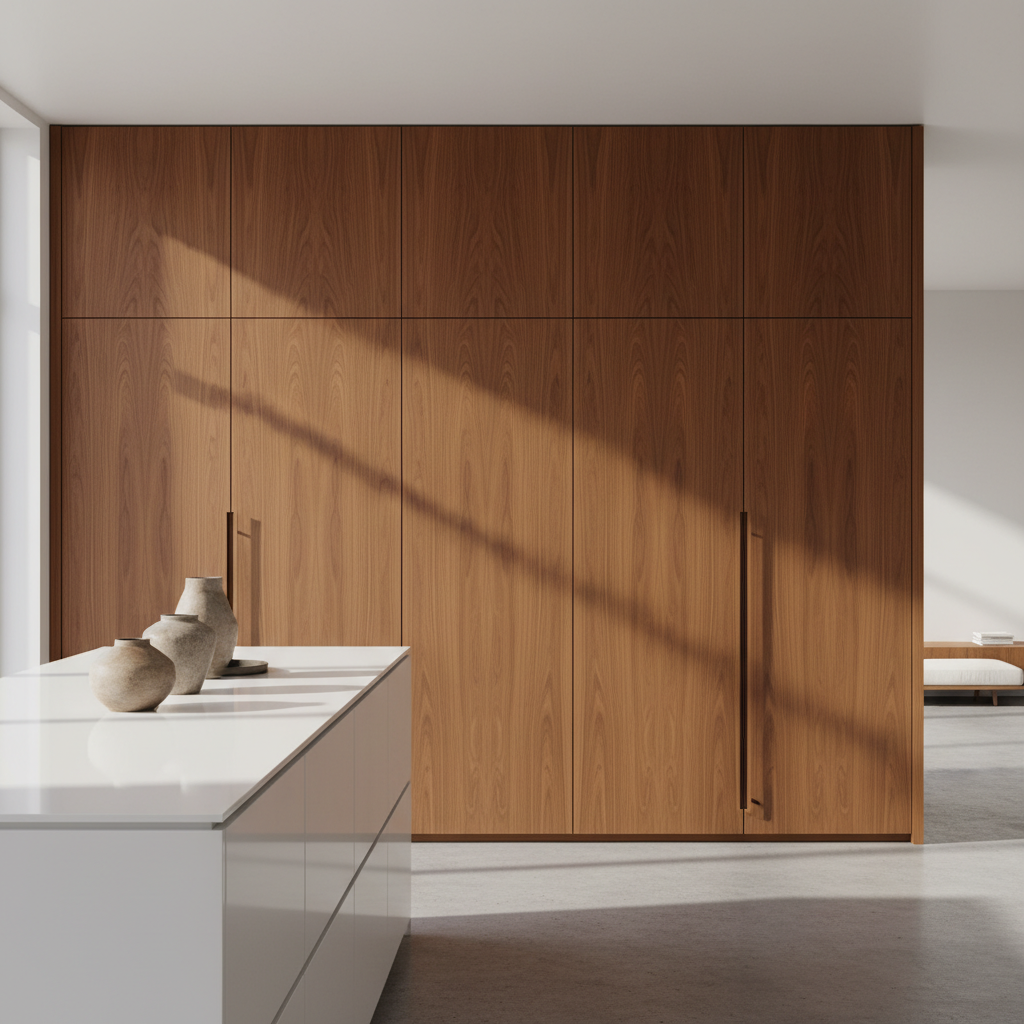
Historic Home, Oregon City
Before: Original 1920s floors caused standard cabinets to rack and bind out of square.
After: Engineered custom shimming plinths and rigid 3/4-inch plywood boxes, achieving zero door bind across a 14-foot span.
⏱ 3 weeks
Culinary Kitchen, Tualatin
Before: Client’s previous particleboard drawers collapsed under the weight of commercial cookware.
After: Installed 5/8-inch solid maple dovetail drawers on 135-pound Blum Movento slides, supporting 40 cast iron pieces.
⏱ 4 weeks
Modern Build, Cornelius
Before: Architect required perfectly flush frameless cabinetry with zero visible hardware.
After: Machined 18mm European birch boxes with concealed Blum hinges, holding a strict 2mm gap tolerance across 32 doors.
⏱ 6 weeks
Frequently Asked Questions
Do you use MDF or particleboard in your cabinet boxes?
No. We strictly specify 3/4-inch domestic veneer-core plywood for all cabinet carcasses. Particleboard and MDF swell when exposed to moisture and lack the screw-holding capacity required for long-term structural integrity.
What is the difference between your finish and standard cabinet paint?
We apply a post-catalyzed conversion varnish rather than standard lacquer or latex paint. This two-part chemical finish cross-links as it cures, creating a non-porous barrier that resists water, heat, and household chemicals.
How much weight can your drawers actually hold?
Our standard specification utilizes Blum Tandembox or Movento undermount slides rated for 100 pounds of dynamic load. For deep pan drawers, we upgrade to the 135-pound heavy-duty specification to prevent deflection.
Why do you insist on blind dado joinery?
Butt joints fastened with screws or staples rely entirely on the fastener’s shear strength, which degrades over time. Blind dadoes interlock the plywood panels physically, transferring the load to the wood itself rather than the metal fastener.
Stop Guessing About Your Cabinet Construction
Demand exact material specifications and structural load ratings for your next millwork project. Contact Robert Ring to engineer cabinetry that will outlast your home.
Written & Reviewed By
Robert Ring
President and Owner at Artisan Cabinetworks LLC …
Robert Ring is the President and Owner of Artisan Cabinetworks LLC, where he leads the design, fabrication
Latest from Our Blog

Why Professional Indianapolis Painters Spend More Time Prepping Than Painting
Why Professional Indianapolis Painters Spend More Time Prepping Than Painting Why Professional Indianapolis Painters Spend More Time Prepping Than Painting…
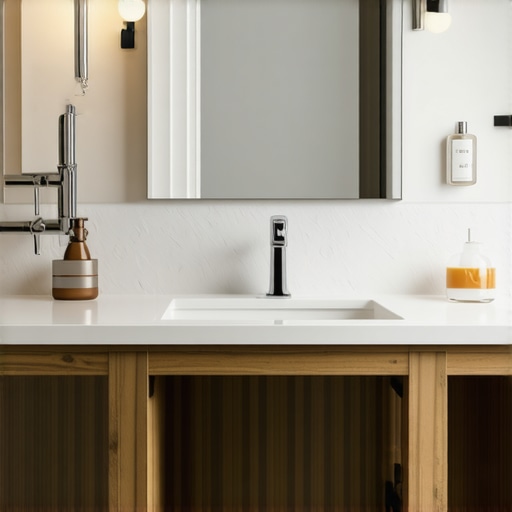
Why We Route Water Lines Behind Custom Vanity Bases Without Sacrificing Storage
Why We Route Water Lines Behind Custom Vanity Bases Without Sacrificing Storage In the world of high-end bathroom renovations, there…

Why Professional Indianapolis Painters Spend More Time Prepping Than Painting
Why Professional Indianapolis Painters Spend More Time Prepping Than Painting Many homeowners believe that hiring a house painter indianapolis is…