Why Professional Indianapolis Painters Spend More Time Prepping Than Painting
Why Professional Indianapolis Painters Spend More Time Prepping Than Painting
Many homeowners believe that hiring a house painter indianapolis is primarily about the application of color. They imagine a crew arriving, opening cans of paint, and immediately transforming walls with rollers and brushes. However, if you hire a high-end painting company indianapolis, you might be surprised to find that the actual painting doesn’t begin until the project is more than halfway through its timeline. As the Owner and CEO of CertaPro Painters of Fort Wayne with over 18 years of experience, I have seen firsthand that a professional finish is 80% preparation and 20% application. If your painter starts rolling within an hour of arriving, your “fresh” look is already on a countdown to failure.
In the humid climate of Central Indiana, from the historic homes of Meridian-Kessler to the modern builds in Fishers, the environment is constantly working against your paint job. Surface preparation is the only defense against peeling, bubbling, and premature fading. When you receive a paint quote, you aren’t just paying for the liquid in the can; you are paying for the hours of meticulous labor required to ensure that liquid stays bonded to your home for the next decade.
The “Prep-to-Paint” Ratio: What You’re Actually Paying For
The hallmark of a master craftsman is the “70/30 rule.” In a professional workflow, 70% of the total labor hours are dedicated to preparation, while only 30% are spent on the actual application of the topcoat. This ratio is the primary differentiator between a premium service and a “budget” contractor. When a house painter indianapolis provides a detailed estimate, they are accounting for the invisible work that happens before the color appears.
Professional preparation involves a rigorous, multi-step process:
- Cleaning and Degreasing: Removing environmental pollutants, dust, and oils that prevent paint adhesion.
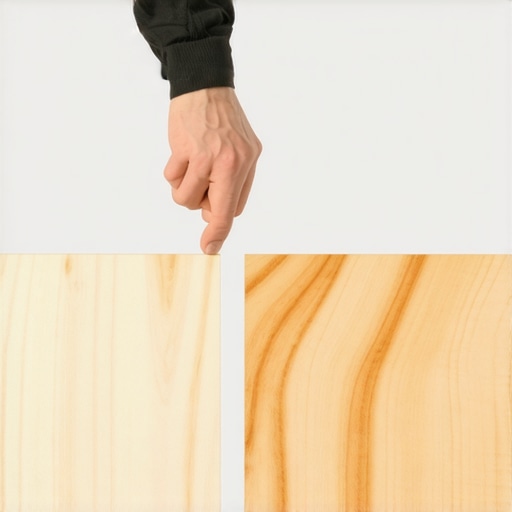
- Mechanical Sanding: Creating a “profile” on the surface so the new coating has a physical tooth to grab onto.
- Masking and Protection: Using specialized tapes and drop cloths to ensure paint only goes where it is intended.
- Substrate Repair: Fixing the underlying material, whether it is drywall, wood, or masonry.
- Priming: Applying a foundation layer specifically engineered for the substrate’s needs.
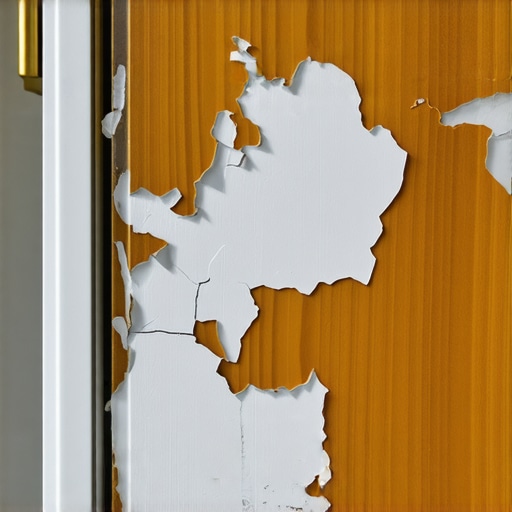
Skipping even one of these steps can lead to catastrophic failure. Homeowners often wonder why cheap Indianapolis painting quotes leave your kitchen cabinets peeling in months. The answer is almost always a lack of prep. A low-cost contractor saves money by skipping the “invisible” 70% of the job, leaving you with a finish that looks good for a week but fails within a season.
Interior House Painting Cost: The Hidden Value of Surface Repair
When calculating the interior house painting cost for a home in Indianapolis or Columbus, the condition of your walls is the biggest variable. A columbus interior painter knows that the glossy finish you see in magazines is impossible to achieve on a wall that hasn’t been properly repaired. Paint is not a filler; in fact, new paint – especially in higher sheens like eggshell or satin – will actually highlight every bump, crack, and texture mismatch on your walls.
A professional columbus interior painting project begins with a “critical light” inspection. We use high-output lamps placed at an angle to the wall to reveal imperfections that are invisible under normal lighting. This is followed by extensive drywall repair. We don’t just “slap some spackle” on a hole. We use high-quality compounds, sand them flush, and then – crucially – spot-prime those repairs. If you don’t prime a drywall patch, the porous compound will suck the moisture out of your paint, creating a dull spot known as “flashing.”
Furthermore, professional painters spend hours caulking baseboards, crown molding, and window casings. This isn’t just for aesthetics; it seals gaps where air and moisture can enter, protecting the structural integrity of your trim. When you evaluate the interior house painting cost, remember that you are paying for a smooth, monolithic surface that looks like it was part of the original architecture, not just a layer of color over old damage.
The Kitchen Cabinet Challenge: Why Prep is Non-Negotiable
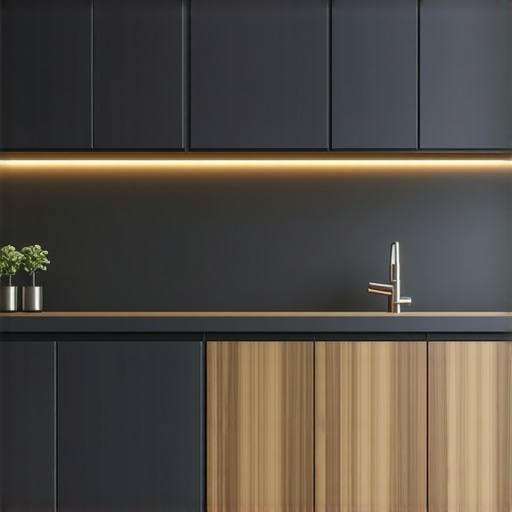
Kitchen cabinets are the most demanding surfaces in any home. Unlike walls, cabinets are high-touch areas exposed to steam, grease, and frequent cleaning. This is why kitchen cabinet painting companies must be more meticulous than general house painters. If the preparation is flawed, the cost to paint kitchen cabinets becomes a wasted investment.
The process begins with total decontamination. Cooking oils atomize and settle on cabinet doors, creating a microscopic film that standard paint cannot penetrate. We use industrial-strength degreasers to strip this film away. Following this, we perform mechanical sanding. This isn’t about removing the old finish entirely, but about “scuff sanding” to create a surface profile. We then use HEPA-filtered vacuum systems to ensure the environment is dust-free before the first coat of primer is applied.
The choice of primer is also a critical prep step. For cabinets, we use high-adhesion bonding primers that are chemically engineered to stick to factory finishes. This level of detail is why the hidden prep steps that most Indianapolis kitchen cabinet painting quotes ignore are actually the most important parts of the quote. Without mechanical sanding and chemical bonding, the paint will inevitably chip around the handles and edges within months of completion.
Exterior Excellence: Protecting Indianapolis Homes from the Elements
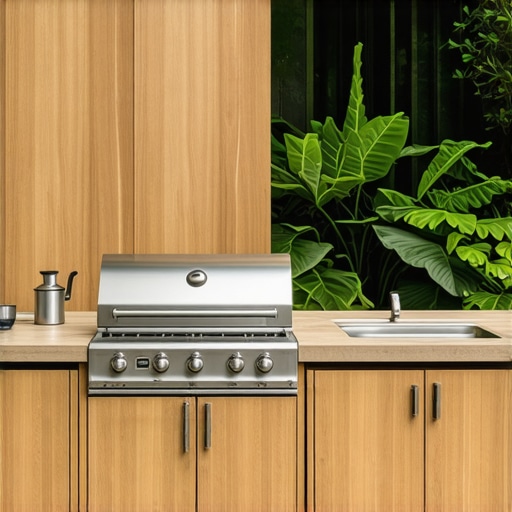
Exterior painting in Indiana is a race against the weather. A house painter indianapolis must account for high humidity in the summer and freezing temperatures in the winter. This cycle causes wood and siding to expand and contract, which puts immense stress on the paint film. Local exterior house painters who understand this will prioritize moisture management above all else.
The process for a high-quality exterior job includes:
- Power Washing: Not just a quick spray, but a deep clean to remove mildew, mold, and “chalking” (the breakdown of old paint into a powdery residue).
- Scraping and Sanding: Removing every flake of loose paint to ensure the new coat is sitting on a stable foundation.
- Specific Substrate Care: An aluminum siding painter faces different challenges than one working on cedar or fiber cement. Aluminum requires specialized cleaning to remove oxidation and specific primers to prevent the new paint from sliding off.
- Masking and Priming Trim: This is a meticulous step-by-step process. We mask off windows, lights, and landscaping to prevent overspray. We then prime all bare wood to prevent “tannin bleed,” where the natural oils in the wood stain the new paint.
When painters Indianapolis residents trust take the time to prep, they are ensuring that the paint acts as a protective envelope for the home. A “quick” exterior job often leaves moisture trapped behind the new paint, leading to wood rot that can cost thousands to repair later.
Why a “Fast” Paint Quote is a Red Flag
In the painting industry, there is a common phenomenon known as “the painter guys” or “the painter guy” – generic, low-cost contractors who provide a paint quote that seems too good to be true. Usually, these quotes are 30% to 50% lower than a professional firm’s estimate. The reason they can offer such low prices is that they eliminate the prep time.
Compare two scenarios: Contractor A (the professional) quotes a 4-day timeline. Contractor B (the “fast” guy) quotes 1 day. Contractor B plans to “blow and go” – spraying directly over dusty walls, un-sanded cabinets, or dirty siding. They might even use a “2-in-1 paint and primer” on surfaces where it is entirely inappropriate. Within six months, you will see the results: paint peeling off in sheets, “alligatoring” on exterior wood, and cabinets that look like they’ve been through a war zone.
Learning how to tell if an Indianapolis kitchen cabinet painting company is cutting corners is essential for protecting your home. If the quote doesn’t explicitly list cleaning, sanding, and specific primer brands, they are likely skipping the 70% of the job that actually matters. A fast quote is almost always a red flag for a short-lived finish.
Professional Tools That Make the Difference
While prep is largely about labor, the tools used by a professional painting company indianapolis significantly impact the outcome. We invest in high-end equipment that the average DIYer or budget contractor doesn’t possess. For example, we use HEPA-certified dust extraction systems. This allows us to sand your interior walls or cabinets without filling your home with fine dust, which is both a health hazard and a threat to the paint finish.
We also utilize airless and HVLP (High Volume Low Pressure) sprayers to achieve a factory-like finish on cabinets and trim. However, these tools require even more prep, as the “overspray” from a sprayer can travel throughout a home if not perfectly masked. We even use technology for structural prep, such as the laser level trick for hanging upper cabinets perfectly straight or ensuring that trim lines are mathematically level before we ever apply a drop of caulk. These tools ensure that the “bones” of the project are perfect before the “skin” (the paint) is applied.
Conclusion: Investing in Longevity
The best indianapolis house painter is not the one who moves the brush the fastest, but the one who cares most about what happens before the paint is applied. By focusing on the 70% of the job that remains invisible to the naked eye – the cleaning, the sanding, the repairing, and the priming – professionals ensure that your home remains beautiful and protected for years to come.
When you are ready for a transformation that lasts, don’t settle for a “fast” fix. Contact Artisan Cabinetworkz for a comprehensive paint quote that prioritizes quality, durability, and the expert preparation your home deserves.