Why We Recommend 15-Inch Deep Wall Cabinets Instead of the Standard 12
It was a moment of frustration that finally made me realize the importance of choosing the right cabinet depth. I was reorganizing my kitchen, trying to maximize every inch, when I kept reaching into wall cabinets expecting to find more storage space. But no matter how hard I looked, the shelves felt cramped, and that annoying gap between the top of the cabinet and the ceiling only made everything seem cluttered. That’s when it hit me: standard 12-inch deep wall cabinets just don’t cut it for functional, spacious kitchens anymore.
How Deeper Cabinets Changed My Space—and My Mindset
Upgrading to 15-inch deep wall cabinets was a game-changer in my kitchen. Suddenly, I could store larger items without stacking fragile glassware awkwardly or squeezing pots and pans into tight spaces. The extra depth allowed me to see everything at a glance, saving me from those frustrating rummaging sessions. Plus, the extra space gave my kitchen a more open and airy feel—something I didn’t anticipate but immediately appreciated.
Think about how often you wrestle with your current storage solutions. Do your cabinets feel overcrowded? Are you constantly searching for items because of limited space? If you answered yes, then this article is about to solve that problem.
Is Bigger Always Better? The Truth About Depths
I admit, I was initially hesitant. Wouldn’t deeper cabinets mean a heavier, more complicated install? But early on, I made a common mistake: I assumed that the standard 12-inch depth was enough. After a tough week of trying to organize with that limited space, I realized the mistake was mine—more depth was the solution, not the problem. If you’re skeptical, I get it. It’s natural to worry about cost, installation, or losing even more space inside your kitchen. But trust me, the benefits far outweigh the initial concerns.
In fact, experts agree that increasing cabinet depth improves functionality and aesthetic appeal. As pointed out in the [Ultimate Guide to Custom Cabinets](https://artisancabinetworkz.com/the-ultimate-guide-to-custom-cabinets-for-a-stylish-kitchen-overhaul), deeper cabinets can make your kitchen feel more spacious and organized, especially when combined with smart storage solutions.
Now that I’ve shared my story and the benefits, let’s explore how you can decide if 15-inch deep wall cabinets are right for your kitchen—and how to get started on making that upgrade.
Assess Your Current Kitchen Layout
Start by measuring your existing wall cabinet dimensions. Use a reliable tape measure to note the depth, height, and width of each cabinet. This will help you understand how much additional storage space you can gain with deeper cabinets. I vividly recall pulling out my old cabinets and realizing they were standard 12-inch deep, which limited my storage potential. This initial step is crucial before making any upgrades.
Evaluate Structural Compatibility
Check whether your kitchen walls can support the extra depth. Deeper cabinets generally require sturdier reinforcement, especially if you plan to store heavy items like cast-iron pans or large appliances. Use a stud finder to locate wall studs and assess if your current framing can accommodate 15-inch or deeper units. I once attempted to install new cabinets without reinforcing the wall; the result was sagging shelves that took hours to fix.
Design Your Custom Cabinets
Create a detailed plan for your new cabinets, considering maximum depth for storage, accessibility, and aesthetics. Opt for high-quality materials like birch plywood, which offers durability and moisture resistance—especially important in kitchen environments. When I designed my cabinets, I used this comprehensive guide to choose the right materials and layout. Sketching the layout helps in communicating your vision accurately to the cabinetmaker.
Choose the Right Hardware for Your Needs
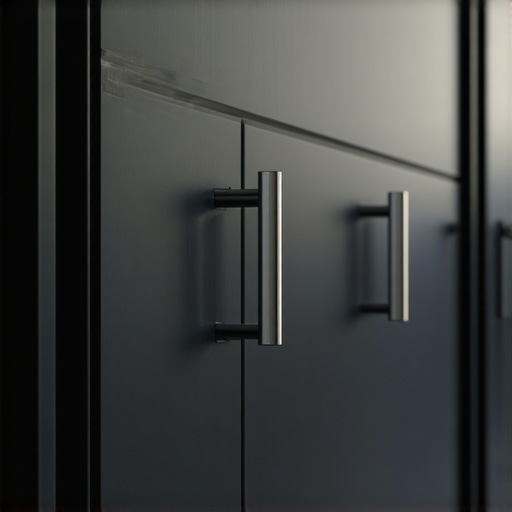
Pick hardware that complements the increased depth. Longer, sturdy handles or pulls make opening deep cabinets easier. Consider soft-close hinges to prevent slamming, which is particularly helpful with heavier, deeper doors. I replaced my cabinet hinges with soft-close models, which made operating the deeper units smooth and silent. This small upgrade drastically improved my kitchen’s usability.
Coordinate with a Skilled Installer
Hire professionals experienced in custom cabinetry installation. They will ensure that the cabinets are perfectly aligned and securely anchored. Clear communication about your goals for increased storage and aesthetics will help them execute flawlessly. I found that working closely with my installer, referencing these expert tips, resulted in a polished look and reliable support for the heavier doors.
Implement Smart Storage Solutions
With the added depth, utilize innovative storage options like vertical dividers, pull-out trays, and deep drawer organizers. These help maximize every inch of space and keep everything accessible. During my remodel, I installed a vertical sheet pan divider within my deep cabinets, which prevented rattling and made retrieval straightforward. Think of your cabinets as a tool to enhance efficiency, not just storage.
Adjust Interior Accessories for Convenience
Upgrade interior fittings such as shelves, baskets, and lighting. Proper interior design transforms increased space into an organized, functional powerhouse. I added LED lighting inside my cabinets, which brightly illuminated everything at the back. This simple step made finding items quicker and reduced clutter.
Consider Visual Balance and Aesthetics
Finally, match your cabinet finish and hardware to your kitchen’s overall style. Deep cabinets can make a bold statement or serve as a subtle upgrade. I opted for a matte black handle finish to contrast with my light-colored cabinets, adding a modern touch. Remember, quality craftsmanship and thoughtful design create a seamless look that elevates your entire kitchen.
Many homeowners assume that opting for custom cabinets guarantees perfection without pitfalls. However, one of the most overlooked nuances is the tendency to focus solely on aesthetics and overlook functional details that ensure long-term success. For instance, a common myth is that larger or more elaborate built-ins automatically translate to better storage, but without proper internal organization and understanding of space dynamics, these features can become burdens rather than assets. As experts from the ultimate guide to custom cabinets emphasize, designing for actual usage and maintenance is critical. Many overlook how humidity, wood movement, or hardware choices impact the durability of their customization, leading to costly repairs or dissatisfaction down the line.
Is Bigger Always Better When It Comes to Built-ins
Another widespread misconception is that expanding cabinet size or depth always results in better storage. In reality, optimizing the internal layout with smart solutions such as pull-out trays or vertical dividers, as discussed in this resource, can drastically improve usability without sacrificing space or style. Overloading a cabinet with bulky shelves or oversized doors may seem impressive, but it often complicates access and cleaning. Remember, the goal is seamless integration and ease of use, not just impressive-looking storage.
Beware of the ‘One-Size-Fits-All’ Approach in Remodelling
Many assume that following popular trends for cabinetry or storage solutions will yield a timeless, functional kitchen, but tailoring design to your specific needs pays off more in the end. For example, incorporating niche storage ideas like hidden spice racks or integrated appliance garages can solve everyday clutter issues efficiently. As explored in innovative kitchen solutions, these tailored features enhance workflow and prevent the common mistake of sacrificing utility for appearance. Remember, the best remodels are those that anticipate future needs and existing habits.
Advanced homeowners might wonder: How can I ensure my custom solutions stay relevant as my needs evolve? The secret lies in designing flexible modular systems that can adapt over time, avoiding the trap of rigid, permanent fixtures that might become obsolete. For a deep dive into adaptable design strategies, check out expert tips on selecting storage.
Have you ever fallen into this trap? Let me know in the comments and share your experience with custom cabinetry mistakes or misconceptions. Remember, understanding these nuances helps you make smarter choices that last for years to come.Maintaining your custom cabinets and storage solutions is essential to ensure their long-term performance and appearance. One of the key tools I rely on is a high-quality cordless drill equipped with precision screw bits. This allows me to make quick repairs, tighten loose hinges, or replace hardware without the hassle of manual screwdrivers. I prefer models with variable speed settings so I can control the pressure, especially when dealing with delicate finishes. Regularly checking and tightening fasteners prevents sagging doors and misaligned panels, extending the lifespan of your investment.
Another indispensable item is a silicone-based lubricant spray, which I use on hinges, slides, and lock mechanisms. Unlike oil-based lubricants, silicone sprays don’t attract dust or dirt, keeping components clean and functioning smoothly over time. Applying lubricant every six months helps prevent squeaks and ensures soft-close mechanisms operate seamlessly.
For cleaning, I recommend a microfiber cloth paired with a gentle, pH-balanced cleaner designed specifically for wood finishes. Avoid harsh chemicals that can strip or stain the surface. I’ve found that consistent, light cleaning preserves the natural beauty of your cabinetry, especially if you’ve invested in premium materials like birch plywood or solid wood panels.
Investing in a digital level and a stud finder is also worthwhile. Precise leveling during installation is crucial, but over time, minor shifts may occur due to house settling. Regular checks ensure doors and drawers stay aligned, preventing unnecessary wear and tear. When I notice a misalignment, I use the level to pinpoint the issue before making adjustments—an approach that saves time and protects your cabinetry.
Looking ahead, the trend is moving toward smart maintenance. Future systems may include integrated sensors that monitor hardware stability or humidity levels, alerting you before problems develop. For now, following a regular inspection routine and using the right tools, as described, keeps your cabinetry operating smoothly for years.
How do I maintain my custom cabinets over time?
Consistent cleaning, timely hardware checks, and lubrication are simple habits that significantly extend cabinet life. Remember to inspect hinges and slides, tighten connections, and prevent moisture buildup. For deeply buried or hidden components, consider professional adjustments—especially if you’re planning a major remodel or upgrade. For expert advice tailored to your specific setup, don’t hesitate to contact professionals through this contact portal.
Finally, I encourage you to try my favorite advanced tip: applying a small amount of silicone lubricant directly on the hinge pins every six months. This straightforward step can dramatically improve door operation and reduce squeaks, ensuring your cabinetry remains both beautiful and functional year after year. Explore more about durable hardware care and custom solutions at this detailed guide to achieve successful long-term maintenance.
The Hidden Lessons That Changed My Approach to Kitchen Storage
One of the most valuable insights I gained was realizing that bigger isn’t always better. Initially, I believed that increasing cabinet depth was the ultimate way to gain more space, but I soon discovered that thoughtful internal organization and smart design often outperform mere size increases. This shift in mindset transformed my projects, emphasizing usability over sheer capacity.
I also learned the importance of tailoring storage solutions to my unique needs rather than blindly following trends. Custom features like hidden spice racks or pull-out shelves not only save space but also streamline my workflow, proving that personalization often results in the most functional spaces.
Patience became my secret weapon. Rushing through measurements or neglecting reinforcement details can lead to costly mistakes. Taking time to plan, measure meticulously, and consult experts ensures that my custom cabinets stand the test of time, providing long-term satisfaction.
Lastly, I’ve come to appreciate the ongoing maintenance and smart innovations that evolve in cabinetry. Regular check-ups, proper lubricants, and staying informed about the latest hardware help me preserve my investments and even adapt to future needs, making my kitchen truly a space that grows with me.
Tools That Turn Dreams Into Reality in Custom Cabinetry
My go-to resources include this comprehensive guide, which lays out everything from material selection to finishing techniques. It’s a trusted source for foundational knowledge and advanced tips. For organizing small or challenging spaces, this resource on innovative storage ideas has transformed the way I maximize every inch.
When it comes to selecting hardware and performing precise installations, I rely on quality tools like my trusted expert recommendations and reliable measuring devices. Investing in these tools ensures the craftsmanship and longevity I strive for in every project.
Ultimately, continuous learning is key. Resources that combine visual tutorials, step-by-step instructions, and expert insights enable me to push my skills further, turning my visions into practical spaces that delight and serve well for years.
Empower Your Kitchen Dreams Today
Embarking on a kitchen remodel with custom cabinets and innovative storage solutions is more than just an upgrade—it’s a chance to create a space that truly reflects your lifestyle. Whether you’re planning a subtle refresh or a full transformation, remember that personalization and thoughtful planning are your best allies.
Now is the perfect time to start. Dive into detailed guides, explore niche storage ideas, and don’t hesitate to consult professionals who understand the art of custom cabinetry. Your dream kitchen awaits—take the first step today!
What’s your biggest challenge when it comes to optimizing kitchen storage? Share your experiences below and let’s learn from each other!