Why Your Kitchen Remodel Should Include a Pet Feeding Station
It was a typical Saturday morning when I finally hit my breaking point. My beloved Labrador, Max, was nudging my leg with an eager, impatient look that said, “I’m starving!” while I scrambled to find his bowl amid a cluttered counter space. Frustration bubbled up as I realized how chaotic and awkward feeding him had become—every bowl, bag of kibble, and dishware jumbled together in a whirlwind of clutter. That lightbulb moment hit me hard: I needed a better solution, and it had to be built into my kitchen design.
The Primal Need for a Pet Feeding Station in Your Remodel
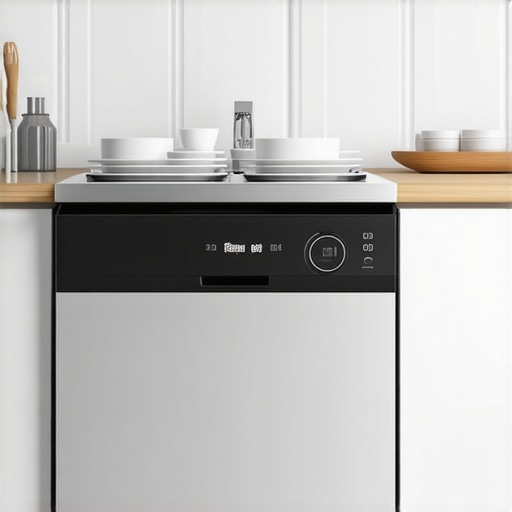
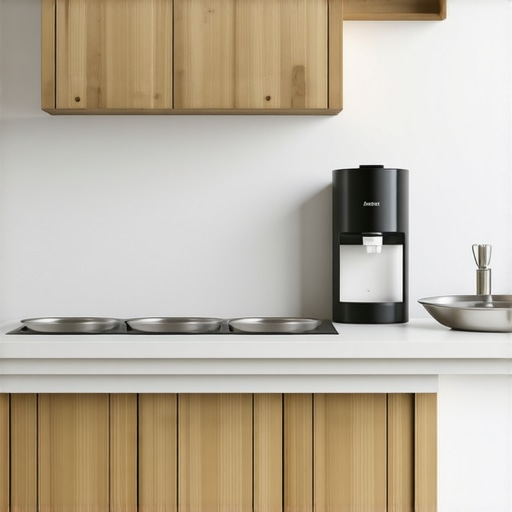
Creating a dedicated pet feeding station during your kitchen renovation might seem like a small detail. But trust me, it transforms the daily chaos into calm, organized, and even stylish spaces. When I first considered this addition, I underestimated its impact. Not only does it streamline feeding time, but it also keeps pet bowls clean, minimizes spills, and prevents accidental treading on wet paws, which can be a real safety concern for both pets and family members.
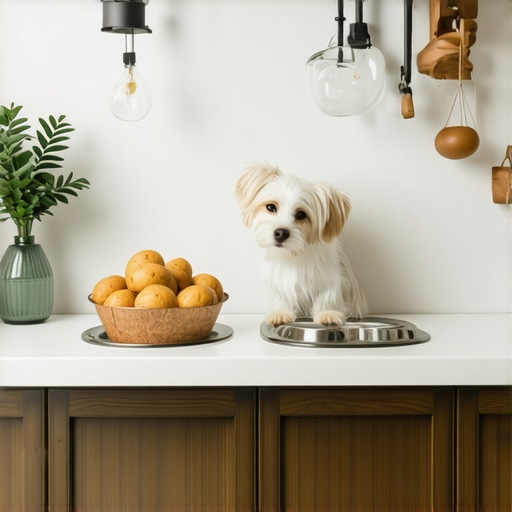
Instead of letting their bowls clutter your countertops or slipping under cabinets, a thoughtfully designed pet station provides a designated spot where your furry friends can eat comfortably and cleanly. Plus, integrating it into your kitchen can encourage your pet to be more independent during meal times, reducing your morning chaos.
Want to see how this simple addition can make your life easier? Keep reading—I’ll walk you through the essential steps to incorporate a pet feeding station into your remodel, based on my personal experience and expert advice.
Is a Pet Feeding Station Really Worth the Hype?
Early in my remodel, I made the mistake of trying to shove pet bowls into a corner of the laundry room, thinking it wouldn’t matter. But after a few weeks, I noticed the bowls slipping off the uneven surface, splashes everywhere, and a chorus of complaints from my family about the mess. It was a clear lesson: neglecting to plan for pet needs can turn a sleek kitchen into a cleaning nightmare.
Research supports this idea—having a dedicated area for pet feeding can reduce cleanup time and improve hygiene in your home. As I discovered, the real value lies in thoughtful planning and customization.
If you’re tired of the daily hassle and want an elegant, functional solution, I recommend exploring smart storage options and built-ins designed specifically for pets. For inspiration and tailored ideas, check out this guide to seamless storage.
Design a Dedicated Space for Pet Food and Supplies
Begin by measuring the available space where you want the feeding station. I once took a tape measure and sketched a layout directly on my kitchen’s side wall to visualize the perfect dimensions. Aim for a height that is comfortable for your pet to access, typically around knee level for dogs. Consider integrating a pull-out tray or drawer for storing supplies—this keeps everything tidy. To ensure durability, choose moisture-resistant materials like sealed wood or laminate, especially if you’re placing the station near water sources. For inspiration, check out expert tips on selecting storage solutions.
Build Custom Cabinets or Shelving
When I installed my station, I opted for custom cabinets that match my existing kitchen style, creating a seamless look. Use custom cabinets and built-ins techniques to ensure perfect fit and functionality. Draft your design with precise measurements, then have your carpenter build a box with a sturdy frame, ensuring the base is level and stable. Incorporate soft-close hinges to prevent slamming and reduce noise, especially if your pet is sensitive. For added convenience, include a small pull-out shelf for water bowls or treat jars. To maximize space and functionality, consider vertical stacking—placing storage above the feeding area. My own experience taught me that versatile cabinetry saves space and adds an elegant touch to the kitchen.
Incorporate Easy-Access Features for Pet Comfort
Install ergonomic features like a lowered lip on the cabinet opening or a step-up platform if your pet is small or elderly. I added a small ramp that led to the feeding area, which made Max’s mealtimes more comfortable and reduced spills. Bonus points if you include configurable dividers inside the cabinet for storing different types of food, leashes, or cleaning supplies. Use innovative storage solutions to keep everything organized and within reach. The goal is to create a space that encourages independence but is also easy to clean and maintain. My experience shows that thoughtful details can significantly reduce daily chaos and stress for both pets and owners.
 While many homeowners focus on picking stylish finishes or trendy hardware, a deeper understanding of customization pitfalls can save you from costly mistakes. A frequent misconception is assuming that all cabinet materials are equal—many believe that MDF or particle board are suitable for all applications. In reality, the intended use, environment, and load-bearing needs dictate whether
they’re appropriate; for example, MDF is prone to swelling in moisture-rich areas if not sealed properly. Moreover, embracing the latest design trends without considering your unique kitchen layout often leads to impractical solutions that hinder functionality. Advanced homeowners know that oversimplifying storage solutions, such as relying solely on traditional pull-out shelves, can result in inefficient use of space—stacking or vertical dividers can offer much better results. One critical nuance often overlooked is the importance of precise measurements and custom fitting, particularly in irregular or older spaces. Small discrepancies can cause doors to misalign or hardware to malfunction, which is why consulting experts and planning meticulously pays off. Additionally, many get caught up in the allure of high-gloss finishes or bold colors, but these can be maintenance nightmares, especially in busy kitchens. Choosing durable, easy-to-clean surfaces coupled with strategic hardware placement enhances longevity and minimizes daily wear. An advanced tip: integrating smart storage solutions such as hidden compartments or motorized lifts elevates your kitchen’s functionality, transforming it into a truly personalized space. For an in-depth exploration of selecting the best storage systems tailored to your home, see expert tips on selecting storage solutions. Remember, the key to a successful remodel isn’t just aesthetics but also understanding these subtle pitfalls. Have you ever fallen into this trap? Let me know in the comments.Maintaining your custom cabinets, built-ins, and storage solutions is crucial to ensuring they remain beautiful and functional over time. A key factor in preserving their integrity is investing in the right tools and adopting consistent maintenance routines. Personally, I rely on high-quality screwdrivers with interchangeable bits to handle hardware adjustments efficiently. These allow me to tighten or replace handles without fuss, preserving the sleek look of my cabinetry. Additionally, a soft microfiber cloth combined with a mild cleaner is invaluable for daily cleaning, preventing dust and grime buildup that can degrade finishes.
Diving deeper, I recommend a precision level for checking alignment after every few years—especially important if you notice doors start to misalign. An orbital sander isn’t necessary for regular upkeep but is a fantastic tool when refinishing surfaces or addressing minor scratches, granting a renewed appearance without replacing entire sections.
In terms of software, if your remodel involved design planning, I suggest advanced CAD programs like SketchUp or AutoCAD. They help visualize updates and troubleshoot potential issues before execution, saving both time and money. Regularly reviewing your design files ensures that all hardware and storage solutions are functioning as intended, especially as your family’s needs evolve.
Predicting future trends, I believe smart home integrations will become standard. Automated cabinet lighting or sensor-based opening systems will ease maintenance and enhance longevity,
How do I maintain my kitchen storage and built-ins over time? Regular inspections to tighten hardware, clean surfaces, and adjust hinges are simple practices that prolong life. Linoleum or laminate surfaces can develop micro-abrasions; a small touch-up kit helps here, or even a professional refinishing service, to keep everything looking pristine.
For instance, employing a smart storage organizer like the ones detailed here can streamline your space, making maintenance easier and more intuitive. Try integrating a magnetic strip for small tools or hardware, which can save you an entire drawer’s space and make items readily accessible. Over time, these minor upgrades can significantly reduce clutter and prolong the functionality of your installation.
Embarking on a kitchen remodel isn’t just about choosing pretty cabinets; it’s about crafting a space that works seamlessly for your lifestyle. Incorporating custom built-in storage solutions can revolutionize your kitchen’s functionality, turning clutter into organized beauty. From personalized spice racks to hidden compartments, the possibilities are endless when you understand the nuances of tailored design.
Lessons That Changed My Approach to Kitchen Storage
- Size Matters: Measuring twice and planning for future needs prevented costly mistakes and ensured my built-ins accommodated all essentials without crowding.
- Material Choices Are Critical: Opting for moisture-resistant finishes and durable hardware extended the lifespan of my storage solutions, making maintenance a breeze.
- Details Make the Difference: Small features like soft-close drawers or integrated lighting significantly enhanced usability and added a polished touch to the design.
- Don’t Underestimate the Power of Customization: Unique solutions tailored to my specific kitchen layout maximized space and resulted in a truly personalized environment.
- Plan for Flexibility: Incorporating adjustable shelves and modular units allowed my storage to evolve with my changing needs over time.
Tools and Resources That Helped Me Succeed
- Expert guides on storage selection: These offered invaluable insights into choosing the right materials and configurations for my specific space.
- Innovative storage ideas: Inspired me to think outside the box with pull-out spice racks and hidden compartments.
- Seamless built-in techniques: Teaches how to integrate storage seamlessly into existing cabinets for a cohesive look.
- Space-maximizing strategies: Ensured no inch went to waste in my remodel.
Take Action and Make Your Kitchen Shine
Designing custom cabinets and tailored storage solutions isn’t just a project—it’s an investment in your home’s future enjoyment. The more thoughtfully you plan, the more your space will serve you day after day. Start by assessing your current clutter, then dream big about how innovative storage can simplify your routines and elevate your kitchen’s style.
Are you ready to embrace smarter storage and transform your kitchen into a space that truly works for you? Share your thoughts below—what’s the one storage challenge you wish to solve?