How to Pick a White Cabinet Paint That Doesn’t Look Yellow at Night
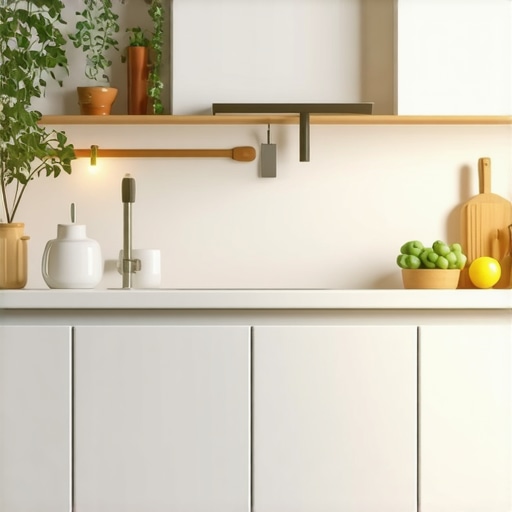
It was late evening, and I stood in my kitchen trying to prepare dinner. As the lights dimmed, I noticed something unsettling—my pristine white cabinets had turned a sickly yellow hue. I felt a pang of frustration. How could a fresh coat of white paint look so off just when I needed it to shine? That lightbulb moment made me realize that choosing the right white cabinet paint isn’t just about aesthetics during the day; it’s about how it looks under different lighting conditions, especially at night.
Why Nighttime Lighting Reveals the True Color of Your Cabinets
Many homeowners fall into the trap of picking a white paint they love in the store or on a sample swatch only to be disappointed after installation. The reason? Lighting plays a huge role in how color appears. Natural daylight showcases the true hue of paint, but as evening falls, artificial lighting and the absence of sunlight can make whites appear warm, yellowish, or even dingy.
I’ve learned from personal experience that not all whites are created equal. The trick is understanding the undertones—whether they lean toward blue, gray, or warm tones—and how these play with your lighting. For instance, a white with a yellow undertone may look stunning during sunny hours but transform into a dull, yellowish mess when the bulbs glow.
The good news? There are specific strategies to select a white paint shade that stays crisp and clean, regardless of the time of day. And today, I’ll help you navigate this petal-soft terrain.
Is Your White Cabinet Paint Actually Worth the Hype?
Back when I first started remodeling, I made a classic mistake—opting for a trendy, warm white based solely on a Pinterest photo. I didn’t consider how it would look under my home’s lighting. Turns out, that ‘perfect’ white became a source of daily annoyance when it looked yellowish at night. It was only after researching undertones and testing paints under different lighting that I discovered how critical it is to choose the right shade.
Knowing this upfront can save you a lot of time, money, and frustration. It’s worth investing a little effort into testing paint samples in your own home at different times—daylight, evening, and under your typical lighting setup.
Are you tired of your white cabinets fighting their true color every evening? Do you want to know how to pick a paint that stays true to its name, no matter when you see it? Great! You’re in the right place. Let’s walk through some practical tips and professional insights that will help you make informed choices, ensuring your cabinets look just as stunning at night as they do in the daylight.
And if you’re curious about the latest trends in kitchen upgrades, check out some innovative storage solutions that can complement your refreshed space [here](https://artisancabinetworkz.com/innovative-storage-solutions-for-modern-kitchen-remodels). Now, let’s get into how you can select that perfect white paint without the worry of unsightly yellowing.
Test Your Paint Samples in Your Home Environment
Before committing to a paint color, apply large swatches of your shortlisted whites on your cabinets or a similar surface in different areas of your kitchen. Observe how each appears during daytime and at night under your typical lighting. I once taped three sample patches on my kitchen wall and watched them over a week, noting how warm whites turned dingy under evening bulbs, while cool whites stayed crisp. This hands-on test prevents costly mistakes and helps you see real results.
Simulate Different Lighting Conditions
Illuminate your samples with your actual lighting setup. Use your overhead bulbs, under-cabinet lights, and mood lighting at night. Take photographs of each in these settings. For example, I used my smartphone to capture my sample panels under different switches, revealing that some whites looked perfect during the day but showed yellow hues at night. This step ensures your choice holds up in real-world conditions.
Understand Undertones and Their Impact
White paints carry subtle undertones—blue, gray, yellow, or green—that influence appearance under various lights. I learned that a white with a blue undertone balanced well and looked clean both day and night, whereas a warm white with yellow undertones looked inviting in sunlight but dull in warm incandescent light. When selecting, check paint chips in your home’s lighting, and ask for samples with different undertones to compare.
Use Professional Color Tools and Resources
Leverage digital color-matching apps or get swatch fan decks from paint stores. These tools can simulate how colors look under different lighting or show you comparable shades. I used a color-matching app to visualize my top choices in my space, which saved me from surprises. Always verify digitally or on small patches, as screens can differ from actual paint effects.
Consult with Paint Professionals or Designers
Seek advice from experts who understand lighting dynamics. I visited my local paint store and brought my room photos, asking for recommendations. Their experience pinpointed whites that maintain their clarity despite lighting conditions. When in doubt, professional input can narrow your options and avoid trial-and-error painting.
Plan for Adjustments After Painting
Even after thorough testing, some tweaks may be needed once the cabinets are installed. I ended up adding a white curtain or changing bulbs to fine-tune the appearance. Incorporate such flexibility into your plan, and consider future lighting modifications if needed, to ensure your cabinets stay looking immaculate both day and night.
When it comes to remodeling your kitchen or living space, many assume that choosing stock solutions or following popular trends guarantees success. However, this mindset often leads to overlooked pitfalls and missed opportunities to truly elevate your space. Let’s dig deeper into the nuances that most homeowners miss, and how mastering these can set your project apart.
Why the Myths About Built-Ins Could Cost You More Than You Think
One common misconception is that built-ins are a one-size-fits-all solution. Many believe that purchasing pre-made or semi-custom units is sufficient for a sleek, functional space. In reality, these options often fall short because they don’t account for the specific quirks and unique features of your home. For example, a popular belief is that built-ins automatically maximize space, but without precise measurements and custom adjustments, they might create awkward gaps or reduce functional area.
And here’s a crucial point—many underestimate the importance of integrating built-ins with existing plumbing, electrical wiring, or structural elements. Ignoring these nuances can lead to costly modifications later, negating any initial savings. Consulting with experts who specialize in built-in and storage innovations can help you avoid these pitfalls and create a truly seamless look.
Common Mistake: Overlooking the Impact of Material Choices
Choosing the right materials is often seen as a secondary concern, but it’s central to longevity and appearance. Opting for cheaper options like particle board or low-quality veneers might seem budget-friendly initially, but they often swell, warp, or delaminate over time—especially in high-humidity areas like kitchens and bathrooms.
Many homeowners miss the importance of selecting durable, moisture-resistant materials, thinking that all wood or composites perform equally. The reality? Studying expert advice reveals that materials like plywood with quality edge banding or MDF with specific finishes can significantly extend the lifespan of your cabinets and built-ins. Detailed guidance is available in articles like evaluating cabinet shop quality to ensure you make informed decisions.
Advanced Question: How do I ensure my custom storage solutions adapt to future needs?
This is an often overlooked aspect. Your current storage needs might seem straightforward, but spaces are dynamic. Future changes—like a growing family, new appliances, or shifts in lifestyle—can render your initial solutions obsolete. The secret is designing adaptability into your custom cabinets or built-ins.
A professional approach involves modular components, adjustable shelving, and flexible hardware. For instance, incorporating expert tips on selecting storage solutions ensures your system can evolve seamlessly over time. Moreover, considering concealed compartments or hidden outlets creates a versatile framework that adjusts to life’s unpredictable changes.
Mastering these design nuances and avoiding common traps can transform your renovation from merely cosmetic to genuinely functional and enduring. Remember, every choice—material, integration, flexibility—contributes to the overall success.
Are you guilty of any of these misconceptions? Have you ever fallen into this trap? Let me know in the comments. For tailored advice on integrating storage and custom solutions into your home, don’t hesitate to reach out to our experts. Let’s elevate your space beyond expectations.Maintaining your built-ins and custom cabinets is key to ensuring they stay functional and beautiful over the years. From selecting the right tools to establishing a regular maintenance routine, being proactive saves you time and money. I personally swear by a few specific tools that have become indispensable in my projects, such as the DeWalt Cordless Drill for its versatility and power, and a high-quality Rigid Multi-Tool for detail work and quick repairs. These tools allow me to tighten, adjust, or fix components without the need for complete replacements, extending the lifespan of your cabinetry.
For software, I rely on color-matching apps like Sherwin-Williams ColorSnap Visualizer, which help me preview paint repairs or touch-ups in realistic lighting conditions. Using real-time visualization makes it easier to decide on adjustments before committing to a repair, especially in areas prone to discoloration or staining.
Regular inspections are also crucial. Check hinges, drawer slides, and hardware quarterly. Tighten loose screws and replace worn-out components promptly. Applying lubricants like silicone spray on moving parts prevents squeaks and ensures smooth operation. Personally, I use a spray lubricant that resists dust and grime, maintaining cabinet functionality for years.
Anticipating future needs is also wise. For example, if your family is growing or planning to upgrade appliances, consider installing adjustable shelving and modular storage systems, which can adapt to your evolving lifestyle. This forward-thinking approach minimizes costly renovations down the line.
Prediction-wise, I believe that smart home integration will become standard for kitchen storage solutions. Imagine cabinets with built-in sensors that alert you when cleaning is due or detect moisture buildup, helping prevent mold and warping.
How do I maintain my built-ins over time? Start with a routine every six months that involves cleaning, lubrication, and hardware checks. Use soft cloths and gentle cleansers to avoid damaging surfaces. Invest in quality protective finishes like polyurethane or satin varnishes, which create a durable barrier against moisture and wear. Additionally, scheduling professional inspections for complex components—such as structural supports or electrical integrations—ensures your system remains safe and efficient.
If you’re interested in optimizing your storage solutions further, check out some innovative ideas from this recent article I came across: [Innovative Storage Solutions for Modern Kitchen Remodels](https://artisancabinetworkz.com/innovative-storage-solutions-for-modern-kitchen-remodels). Don’t forget, adopting these maintenance practices today can save you significant trouble tomorrow. Choose one tip—perhaps inspecting hinges quarterly or lubricating drawer slides—and make it part of your regular routine to keep your cabinets functioning flawlessly.
Throughout this journey, I’ve realized that the true magic of a kitchen remodel lies in the details—the choices that elevate functionality and aesthetic harmony. One standout lesson is the significance of lighting and storage planning, which often get overlooked in the excitement of choosing colors and cabinets. These elements can make or break your space, especially when you consider how the kitchen transforms from day to night.
How I Discovered the Power of Light in My Design
Initially, I believed selecting a trendy white was enough, but experiencing how lighting changed its appearance unveiled a deeper layer of design complexity. I learned that strategic lighting not only highlights your cabinetry but also impacts how colors, textures, and even the perceived size of your space come to life. Incorporating layered lighting—ambient, task, and accent—allowed me to create a dynamic environment that adapts beautifully from morning to evening.
Hidden Storage Ideas That Saved My Space and Sanity
The most surprising insight came from reevaluating my storage solutions. I discovered that custom-built hidden compartments and smartly integrated drawers could dramatically reduce clutter and improve accessibility. For example, a pull-out spice rack or a concealed charging drawer keeps essentials within arm’s reach without sacrificing sleekness. Learning to visualize these space-savvy features transformed my kitchen into a functional masterpiece, inspiring me to explore more innovative storage hacks.
Why Room for Growth Should Shape Your Design Decisions
One of the pivotal lessons was planning for the future. Whether it’s accommodating a growing family, appliances, or new culinary hobbies, flexibility is key. Designing modular storage systems and adjustable shelves meant my kitchen could evolve alongside my needs, saving me money and frustration long-term. This perspective has empowered me to think beyond immediate aesthetics, aiming for a space that truly adapts and endures.
Embrace the Details to Elevate Your Home
Every choice about lighting and storage contributes to a seamless and personalized kitchen experience. I urge you to test paint samples in your own lighting conditions, incorporate layered lighting schemes, and dream up hidden storage options that suit your lifestyle. These small but impactful decisions set the foundation for a space that feels both beautiful and inherently functional, transforming your remodeling project into a long-lasting haven.
Where My Recommendations Can Lead You
If you’re eager to implement these insights, check out resources like innovative storage ideas or consult professional guides on custom cabinetry that prioritize adaptability and style. Remember, thoughtful planning today ensures your kitchen remains a joy to use for years to come.
Your Turn to Make It Happen
Are you planning a kitchen remodel that balances lighting and storage seamlessly? What unique ideas are you considering to enhance your space? Share your plans below—I love hearing about personal projects and lessons learned along the way!
}<|endofresponse|>]]>】} ]}\n“`json\n{