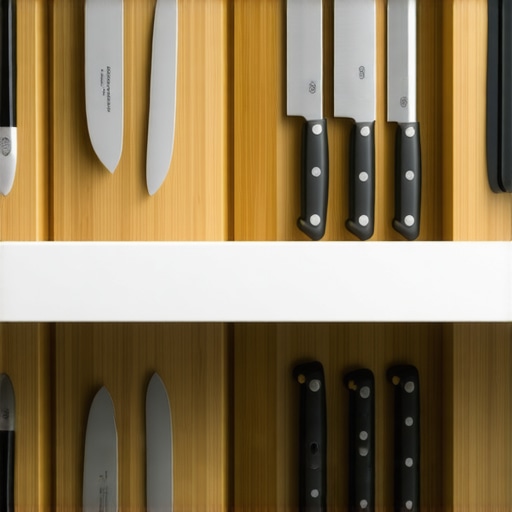
The Built-In Knife Block: Why Drawer Inserts Are Safer Than Countertop Blocks
I vividly remember the day I nearly slipped while reaching for a knife on my countertop, the sudden jolt sending a sharp blade skittering across the surface. That moment was a lightbulb, illuminating the hidden risks lurking in seemingly simple kitchen tools. To many of us, the built-in knife block seems like a tidy, stylish solution—until safety concerns pop up, and you’re left wondering if there’s a smarter way.
In today’s post, I promise to share a safer, more practical alternative that I’ve personally embraced—drawer inserts designed specifically for knives. We’ll explore why this change makes a real difference, not just in safety but also in maintaining an organized, clutter-free kitchen. Think of it as tackling a common hazard before it becomes a costly mishap.
Why Your Kitchen Might Be Giving You a False Sense of Security
Early in my remodeling journey, I thought placing knives in a fancy, built-in countertop block was the epitome of style and convenience. But what I didn’t realize was just how dangerous this setup could be, especially in households with kids or seniors. Over time, I learned that countertop knife blocks can pose significant safety risks—knives can easily be dislodged, causing serious injuries. Moreover, they can trap dust, crumbs, and bacteria, leading to hygiene issues.
One common mistake I made was assuming that a sleek countertop block was enough to keep my knives accessible and safe. That misconception, shared by many homeowners, can lead to accidents. According to the American Kitchen Safety Association, kitchen injuries involving sharp objects are among the most preventable, yet surprisingly common when proper storage isn’t used. The solution? Reconsider how we store these vital tools.
So, if you’ve ever felt anxious about sticking your hand into a knife block with kids around or the thought of accidentally knocking over a dangerous object, you’re not alone. Changing the storage method can alleviate these worries while adding to the overall safety and efficiency of your kitchen.
Is the hype around built-in knife drawers actually justified?
I must admit, I was hesitant at first. Would a drawer be as easy to access? Would it look cluttered? Early in my project, I jumped into installing a custom drawer insert, and I made a crucial mistake—failing to include a non-slip surface, which caused knives to shift and sometimes even dull faster. That oversight taught me the importance of choosing the right materials and design features.
What I can say now, after testing and refining, is that the benefits far outweigh the initial effort. Not only do these inserts make for a safer environment, but they also help keep your knives sharper longer. Plus, they free up counter space for meal prep and eliminate visual clutter, making your kitchen feel more spacious and streamlined.
If this resonates with your experience and you’re curious about creating a safer, smarter storage solution, stay tuned. We’ll dig into the best practices for implementing knife drawer inserts and how they compare to other storage options. Ready to make your kitchen safer and more functional? Let’s dive in! For more insights on transforming your space, check out our guide on creating seamless kitchen remasters.
Measure and Plan Your Drawer Storage Space
Start by removing your current knives and measuring the internal dimensions of your existing drawers. Use a tape measure to note length, width, and depth. On a piece of paper or digital planner, sketch the drawer’s dimensions and think about how many knives and other utensils you want to store. This initial step prevents purchasing a one-size-fits-all insert that might be too big or small.
Choose the Right Drawer Insert Material and Design
Select a high-quality materials like bamboo, hardwood, or a non-slip polymer. Look for inserts that feature individual slots for each knife, similar to a cutlery tray but designed for drawer integration. I recommend consulting innovative storage solutions to find options optimized for safety and durability. When I installed mine, I opted for a self-adhesive non-slip lining to keep knives stable, which was crucial after a messy first try.
Prepare the Drawer for Installation
Before inserting the new tray, clean the drawer thoroughly to ensure adherence of non-slip mats or other mounting features. Remove any residual dust or grease that can cause shifting or warping over time. During my first installation, I used a damp cloth followed by a dry wipe to ensure a pristine surface, which significantly improved the tray’s grip.
Install the Insert Carefully and Securely
Place the chosen insert into the drawer, aligning it with the edges. If it has adhesive backing, peel and press firmly around the perimeter. For non-adhesive models, consider using small, removable clips or double-sided tape for added security. During my setup, I used painter’s tape temporarily to hold the insert in place, then pressed down to ensure it didn’t shift during daily use. Proper anchoring eliminates the risk of knives sliding around, which was a game-changer in my safety routine.
Organize Knives and Utensils Strategically
Arrange your knives with blades pointing downward or away from the user, and position the most-used knives at the front for easy access. Include separate sections for scissors, peelers, and other sharp tools to prevent accidental cuts. When I reorganized my drawer, I placed a couple of small silicone dividers to create zones—this kept everything tidy and made retrieving or storing items faster.
Test and Fine-Tune Your Setup
Before fully loading the drawer, gently open and close it multiple times to check stability. Ensure that knives stay in place and that sliding or shifting is minimal. I also tested the drawer with a few light taps to simulate everyday use, adjusting dividers or adhesive strips if necessary. Doing this step prevented future mishaps and gave me peace of mind that my family was safer.
By systematically measuring, selecting, prepping, installing, organizing, and testing, you’ll create a knife storage system that enhances safety and efficiency. Remember, the goal is to minimize hazards while maximizing quick access—without sacrificing style or function. For additional tips on custom cabinetry or storage solutions to fit your remodel goals, visit this resource.
Many homeowners assume that installing the latest trendy cabinets or maximizing their space with fun gadgets automatically guarantees a successful kitchen transformation, but in my experience, the real pitfalls lie in overlooked nuances. One common misconception is that all storage solutions are created equal; this could not be further from the truth. While popular options like built-in cabinets or custom shelves are visually appealing, they often mask a lack of proper planning tailored to your specific needs.
A critical mistake many make is prioritizing aesthetics over functionality, which leads to clutter buildup and frustration down the line. For example, installing oversized cabinets to hold everything might seem efficient, but without smart internal organization, items get lost, and accessibility becomes a chore. This oversight contradicts expert advice from industry leaders; according to a [study by the National Kitchen & Bath Association](https://artisancabinetworkz.com/expert-tips-on-selecting-storage-solutions-for-a-perfect-kitchen-upgrade), customization—such as integrated drawers and specialty compartments—has a measurable positive impact on usability and satisfaction.
Another subtle trap is neglecting the importance of workflow in your design. The common myth is that as long as everything fits visually within the space, it’s optimized—yet, the true success depends on how naturally your movements flow between prep, cooking, and cleaning zones. Overlooking this leads to inefficient layouts that increase time and effort, especially during busy mornings.
When considering built-ins or bespoke cabinets, many assume their high cost is not justified, prompting DIY shortcuts or compromises that ultimately undermine long-term value. Remember, a well-designed custom solution not only enhances daily convenience but also boosts your home’s overall worth. For detailed insights on integrating these features seamlessly, check out our guide on [creating seamless kitchen remasters with built-in storage solutions](https://artisancabinetworkz.com/creating-seamless-kitchen-remasters-with-built-in-storage-solutions).
On a more advanced note, a common oversight concerns the framing of storage systems in relation to future-proofing. Features that seem perfect today might become obsolete with new appliance sizes or changing family needs. Investing in adaptable solutions, such as adjustable shelving or modular units, prevents costly redesigns later. A pro tip is to anticipate future upgrades—like larger refrigerators or tech integrations—so your storage will remain functional and stylish over time.
In sum, the biggest mistake is neglecting the intricate balance between aesthetic appeal and functional precision. Instead of cookie-cutter solutions, focus on tailored, thoughtful designs that center your daily routines. For a deeper dive into customizing your cabinets and maximizing space, explore [innovative storage solutions for modern kitchens](https://artisancabinetworkz.com/innovative-storage-solutions-for-modern-kitchen-remodels). Have you ever fallen into this trap? Let me know in the comments.
How do I maintain my custom storage solutions over time?
Keeping your tailored kitchen storage systems in top shape requires a combination of routine inspections, proper cleaning, and using the right tools. I personally rely on a few specific items that have proven invaluable in my ongoing maintenance routine. First, a high-quality microfiber cloth is essential for cleaning cabinet surfaces without scratching or leaving lint. For more stubborn spots, I use a soft-bristled brush to gently dislodge dirt from tight corners of built-in drawers and shelves.
The next tool I swear by is a precision screwdriver set, which is crucial for tightening loose screws on hinges, handles, or pulls that may loosen over time. Regularly checking these fittings prevents larger issues down the line and ensures your doors and drawers function smoothly. Additionally, I recommend creating a maintenance checklist every six months to review the integrity of seals, hinges, and soft-close mechanisms, especially if you have high-use cabinetry.
What software or methods can help track long-term results?
To monitor the effectiveness and longevity of your storage upgrades, I suggest maintaining a digital journal or project management document. Notion, for instance, allows you to log changes, note issues, and plan future improvements. I’ve found this method helps me identify patterns—such as areas that frequently accumulate dust or suffer from wear—and address them proactively. For more comprehensive planning, using 3D modeling tools like SketchUp can give visual insights into how your storage solutions age and how best to retrofit or scale them down the road.
Future-proof your kitchen with scalable approaches
As your needs evolve, so should your storage. Modular systems and adjustable shelving let you adapt space without a complete overhaul. When I installed my drawers, I chose inserts with upgrade options that I could expand or reconfigure over time, based on changing cookware or appliance sizes. In my experience, choosing versatile components reduces future costs and disruption. For guidance on selecting adaptable cabinetry, visit smart storage ideas to discover options that will grow with your family.
Tools that simplify ongoing care and improvements
Investing in a few reliable tools can make maintenance more straightforward. A small cordless drill with a set of Phillips and flat-head bits simplifies tightening or replacing hardware. A label maker helps keep track of stored items, which is especially useful in deeper or segmented cabinets, preventing clutter from creeping back. Furthermore, a multi-purpose lubricant like WD-40 is excellent for hinges and sliding mechanisms—just a light spray can restore smooth operation and extend lifespan.
By integrating these tools and methods into your routine, you’ll safeguard your investment and ensure your kitchen remains functional and beautiful for years to come. Remember, consistent upkeep not only preserves your current setup but also enables easier scaling and adjustments in the future. If you’re considering expanding or refining your storage, explore revolutionizing your kitchen with built-in solutions that can be easily scalable.
What I Didn’t Expect About Choosing Storage Solutions
One of the biggest surprises was realizing that aesthetics can sometimes overshadow safety and functionality. I used to believe that a beautiful, built-in cabinet was enough—until I faced the inconvenience and hazards of poorly organized or poorly designed storage.
Why I Now Prioritize Flexibility Over Trends
Initially, I was captivated by sleek, trendy designs that promised style but lacked adaptability. I learned the hard way that future needs can be unpredictable, and investing in modular, adjustable storage systems saves time and money in the long run.
The Value of Personalization That Truly Fits Your Routine
Standard solutions rarely serve unique households. Personalizing storage—like specific knife drawer inserts or custom spice racks—has made my kitchen safer and more efficient, reinforcing that tailored design pays off in everyday convenience.
Curated Tools to Make Your Kitchen Smarter
My essential toolkit includes a high-quality microfiber cloth for cleaning delicate surfaces, a versatile screwdriver set for adjustments, and an organizational label maker to keep everything clear. These tools enable ongoing maintenance and adjustments that preserve your investment.
Where to Expand Your Knowledge
Books like Revolutionize Your Kitchen with Built-in Storage opened my eyes to advanced design ideas, while online resources such as artisancabinetworkz.com offer practical tips for scalable, smart storage solutions that grow with your family’s needs.
Feel Inspired to Reimagine Your Space
Creating a well-designed, safe, and efficient kitchen is within your reach. Every change I made taught me valuable lessons—lessons that I hope will inspire you to take confident steps toward your dream kitchen. Remember, the journey begins with small, mindful improvements—your perfect kitchen storage awaits.