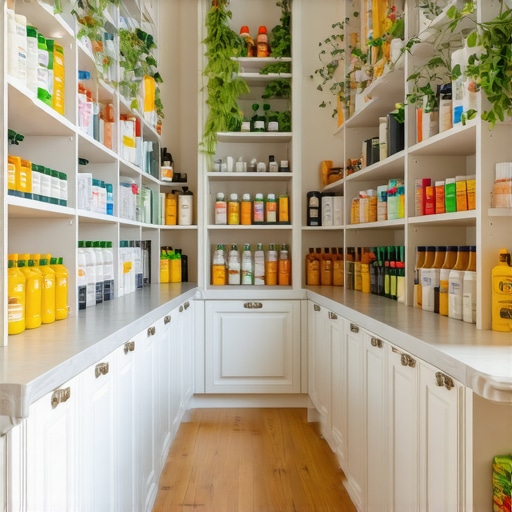
The Best Layout for a Walk-In Pantry with Maximum Shelf Space
Have you ever opened your walk-in pantry and felt overwhelmed by the chaos of mismatched shelves, wasted corners, and clutter that seems to multiply overnight? I’ve been there — staring at a sea of mismatched jars, food boxes teetering on unstable shelves, and the frustrating realization that I could do better. It’s that lightbulb moment when you realize your storage solutions aren’t just a minor inconvenience but a true barrier to an organized, functional kitchen.
The Secret to Unlocking Maximum Shelf Space in Your Pantry
As someone who loves a well-organized kitchen, I know the struggle firsthand. Early on, I made a simple mistake — I simply added more shelves without considering how space was being utilized. Turns out, having many narrow shelves doesn’t necessarily mean more storage. Instead, it can create dead zones where items are forgotten or inaccessible. After a few frustrating months, I discovered that the *layout* of your shelves and clever storage hacks make all the difference.
Did you know that improper shelf heights can reduce your storage capacity by up to 30%? That’s a staggering amount of wasted space, just waiting to be optimized. According to home organization experts, thoughtful design and strategic placement of shelves are essential in creating a pantry that truly works for your needs. You don’t need to overhaul your entire kitchen, just a well-planned layout that maximizes every inch.
Are you tired of digging through piles of cans and bags just to find what you need? If so, keep reading — because I’m about to share the exact principles and layout strategies that transformed my pantry into a tidy, efficient space. We’ll focus on avoiding common pitfalls and embracing innovative storage solutions. Whether you have a small walk-in or a spacious pantry, the right layout can revolutionize your kitchen.
Before we dive into the practical steps, a quick confession — I once tried to save money by skipping professional advice and went with a generic shelving plan. Big mistake. It resulted in wasted space and a disorganized mess. For expert tips on choosing the best storage solutions, check out this comprehensive guide on [custom cabinets](https://artisancabinetworkz.com/the-ultimate-guide-to-custom-cabinets-for-a-stylish-kitchen-overhaul). Now, let’s get into how you can design your pantry layout for maximum efficiency and shelf space.
Begin with a Clear Layout Plan
Start by measuring your pantry space meticulously, noting the height, width, and depth of each section. Use painter’s tape to sketch out your ideal shelf arrangement directly on the walls, enabling a visual before committing. I once spent an entire afternoon rearranging to suit my tallest jars, which made reaching items effortless and eliminated the cluttered look.
Optimize Shelf Heights for Accessibility and Space
Adjust shelf heights based on the size of items stored. For example, dedicate taller zones for cereal boxes and smaller compartments for spice jars. Think of your shelves as customizable compartments—like a jewelry box but for food—each fit for purpose. During my overhaul, I converted narrow spaces into vertical stacking zones for cans, which freed up counter space and reduced stacking mishaps.
Incorporate Built-in Dividers and Pull-Outs
Use adjustable dividers to segment clutter-prone areas, preventing cans from tumbling. Pull-out baskets or drawers are game-changers, providing easy access and visibility for deep corners. I installed a custom pull-out spice rack, which turned a forgotten corner into my favorite feature—searching for spices became quicker, and the overall aesthetic improved.
Embrace Vertical Storage Solutions
Maximize unused vertical space by installing hanging racks for pots, pans, or even baskets for produce. Vertical organizers, like stackable bins or tiered shelves, help keep items visible and accessible. Once, I added hanging hooks beneath a shelf to hold measuring cups—simple, practical, and freed up drawer space.
Utilize Door and Wall Space Creatively
Attach spice racks or small shelves on pantry doors to free shelf space. Consider wall-mounted baskets or racks for snacks and containers. I used adhesive hooks to hang small baskets for cleaning supplies, transforming wasted door space into functional storage without drilling.
Stick to a Logical Food Grouping System
Group similar items together—baking supplies in one zone, snacks in another. Use labeled containers for bulk items to keep them organized and easy to restock. This method reduces search time; I once kept a checklist of what went where, which simplified maintaining organization during busy mornings.
Regularly Declutter and Reassess
Schedule monthly quick audits to remove expired items and reassess your layout. As your eating habits change, tweak the shelf arrangements. My favorite trick is to store seasonal items in less accessible areas, keeping my main shelves tuned for daily use.
By following these concrete steps, you’ll unlock every inch of your pantry’s potential. For expert guidance on choosing high-quality storage solutions, check out this comprehensive guide. Remember, the key is intentional design—each shelf should serve a purpose and contribute to a tidy, efficient kitchen.
While many homeowners focus on the aesthetic appeal of custom cabinets and built-ins, there’s a crucial nuance that often goes unnoticed: the assumption that bigger, more intricate designs automatically translate to better functionality. In reality, some of the most common misconceptions can lead to costly mistakes and frustrations. For example, a prevalent myth is that investing in all-wood cabinets guarantees durability and style. However, without appropriate construction techniques and material selection, even high-end wood can warp or crack over time, especially in humid environments. Experts advise that understanding the core principles of actual cabinet craftsmanship—such as joinery quality and humidity-resistant finishes—is essential for long-term satisfaction. Similarly, the belief that custom solutions always fit perfectly without adjustments can be misleading. A frequent oversight is neglecting to account for door swing clearance, electrical outlets, or plumbing, which can compromise both aesthetics and usability. This oversight often leads to rework, unexpected expenses, or compromised storage space. Advanced homeowners and designers recognize that meticulous planning and precise measurements are non-negotiable steps.
How can I design built-ins that truly optimize my space without falling into common pitfalls?
It’s critical to collaborate with experienced professionals who understand not just design trends but also the intricacies of structure and function, referencing trusted sources like the study from the National Kitchen and Bath Association, which underscores the importance of ergonomic layouts and material performance in cabinetry. Moreover, integrating smart storage solutions such as adjustable shelves, pull-outs, and hidden compartments can maximize usability and aesthetic flow, challenging the misconception that storage must be obvious or oversized. For deeper insights into designing with purpose, check out this guide on custom cabinets and their impact on your remodel, and explore how thoughtful design can serve both form and function seamlessly.Maintaining your custom cabinets and built-ins is essential to ensure their longevity and continued aesthetic appeal. I personally rely on specific tools and techniques that I swear by, which I want to share to help you keep your kitchen looking pristine. First, a high-quality microfiber cloth is invaluable for routine dusting; it traps dirt without scratching delicate surfaces. For deeper cleaning, I use a gentle wood cleaner like Howard Feed-N-Wax, which nourishes and preserves wood finishes—I’ve found it prevents cracking and fading over time. When dealing with stubborn stains or grease buildup, a soft sponge dipped in a solution of warm water and mild dish soap works wonders. Avoid harsh chemicals, as they can break down finishes and damage your cabinetry. An electric toothbrush with a soft brush attachment is perfect for reaching into crevices and detailed moldings, ensuring maintenance is thorough without taxing your hands. Regularly inspecting hinges and pulls is critical; I recommend a quick lubricant like WD-40 to keep them smooth, preventing squeaks and misalignments. In terms of long-term results, applying a specialized furniture polish every few months helps maintain the finish and adds a subtle shine. As technology advances, smart cleaning devices such as robotic vacuum cleaners equipped with mopping functions are starting to enter the realm of home maintenance, offering hands-off cleanliness and preserving your investment. Looking ahead, the trend points towards integrating IoT-enabled cleaning systems that monitor wear and suggest maintenance schedules—perfect for busy households who want to protect their investment without extra effort.
How do I keep my built-in storage solutions functional over time?
Consistent care, including cleaning and mechanical check-ups, is key. Adjusting hardware once a year can prevent misalignments. Also, periodically reassessing the organization system ensures that your storage continues to meet your evolving needs. For more detailed guidance on maintaining custom cabinetry and ensuring they perform well in the long run, visit this comprehensive guide. Don’t hesitate to try out a professional-grade furniture polish on your cabinets this month; it can dramatically enhance durability and appearance. As we look to the future of home maintenance, tools that incorporate AI and IoT will make upkeep more intuitive, reducing the guesswork and manual effort involved. Now is the perfect time to start integrating these advanced practices into your routine to keep your kitchen safe, functional, and beautiful for years to come.
Over the years, I’ve come to realize that even the most stunning kitchen designs can fall flat if storage isn’t thoughtfully integrated. The true magic lies in the details—embracing innovative storage solutions that complement custom cabinets and elevate your remodel experience. When I first embarked on my kitchen transformation, I underestimated the importance of tailored storage; now, I see it as the secret ingredient that turns a beautiful space into a highly functional haven.
Lessons That Transformed My Approach to Built-ins and Storage
- The Perfect Fit Matters More Than Size: I used to think bigger cabinets meant better storage, but I learned that custom solutions designed around your space and habits make all the difference. For example, integrating pull-out spice racks instead of static shelves maximized every inch and kept essentials within reach.
- Prioritize Access Over Aesthetics Alone: Beautiful cabinets are important, but so is how easily you can access stored items. Installing soft-close mechanisms and deep drawers helped me retrieve what I needed without fumbling, making daily routines smoother.
- The Power of Hidden Compartments: Incorporating secret storage within built-ins, like hidden drawers or side compartments, has been a game-changer. It’s surprising how much extra space you can free up by thinking creatively about concealed storage.
Tools and Resources That Elevated My Kitchen Makeover
- Artisan Cabinetry Guides: Their comprehensive resources on custom cabinet options and design tips helped me visualize the possibilities and avoid common pitfalls. Their insights on choosing durable finishes and optimal hardware are invaluable.
- Smart Storage Solutions: I trust this guide for ideas on integrating adjustable shelving and built-in organizers, which transformed my cluttered spaces into epitomes of efficiency.
- Professional Consultation: Collaborating with experienced designers ensured that my custom cabinets fit perfectly and met my specific needs. Their expertise on measuring and planning saved me time and money in the long run.
Your Kitchen’s Future Starts Now
“Designing a kitchen with meticulous attention to custom cabinets and storage solutions isn’t just about aesthetics—it’s about crafting a space that works for you and your family every single day. Embrace innovative ideas, consult trusted resources, and don’t be afraid to think outside the box. Your dream kitchen is within reach, waiting to be realized through smart, intentional design.”
What storage challenge have you struggled with most in your kitchen? Share your experience below—I’d love to hear your story and help you find the perfect solution!
,