The Best Way to Organize Tupperware Lids Without Losing Your Mind
Ever find yourself digging through a mountain of mismatched Tupperware lids, poking your hand into the jumble only to come out frustrated and empty-handed? I used to think I was the only one battling this eternal mess—until I realized it was a problem many of us share. One lightbulb moment hit me when I spent more time searching for the right lid than actually preparing meals; I knew there had to be a better way. Today, I promise to walk you through my tried-and-true strategies to organize those pesky lids without losing your mind.
Why Your Kitchen Chaos Is More Than Just Annoying—It’s Costing You Time and Sanity
Every morning, I open my cabinet and am greeted by a disorganized sea of lids, some floating loose, others stuck behind stacks of bowls. It’s more than an annoyance—it’s a drain on my patience and efficiency. According to a study by the National Kitchen & Bath Association, disorganized storage solutions can waste up to 15 minutes daily, adding up to over 90 hours each year. Think about that—spent hunting for lids instead of enjoying a peaceful breakfast or prepping dinner effortlessly. The chaos isn’t just about aesthetics; it affects your daily routine, mental clarity, and even meal prep speed.
Is Your Tupperware System Actually Worth the Hype?
When I first tried to tame the lid nightmare, I made a classic mistake: I assumed that stacking everything neatly would do the trick. Spoiler alert—without proper storage, chaos reigned supreme within days. It’s a common mistake that many homeowners make, thinking that a simple drawer divider or a few boxes will solve the issue. But to truly conquer this clutter, you need a tailored, strategic approach that considers your kitchen’s unique space. Stay tuned—I’ll share the step-by-step plan that transformed my kitchen from a lid battlefield into a well-organized haven, along with insights on how to avoid the pitfalls I encountered early on. If this sounds familiar, keep reading—it’s time to take back control of your kitchen.
Design Custom Compartments for Lid Organization
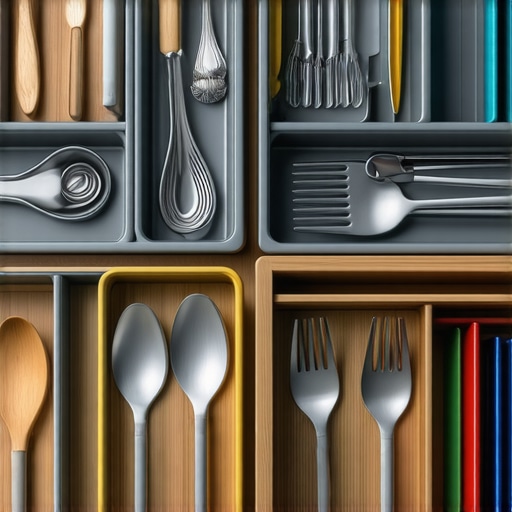
Start by measuring your cabinet space and then work with a professional to create custom insert trays or compartments that fit perfectly. I once used a basic plastic container, but it shifted and caused more mess. By opting for tailored custom cabinets, I transformed this into a sleek solution that keeps lids upright and accessible, saving time every morning.
Utilize Vertical Storage to Maximize Space
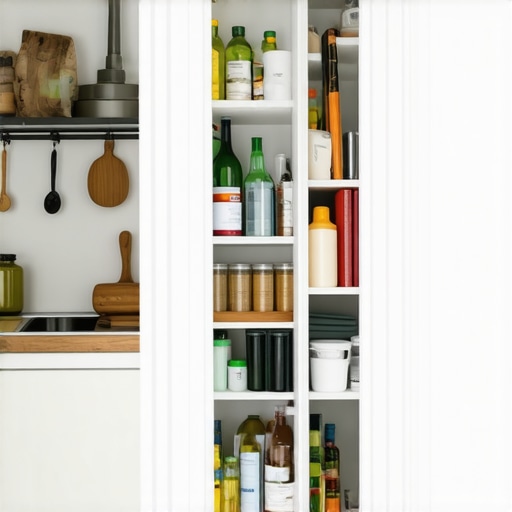
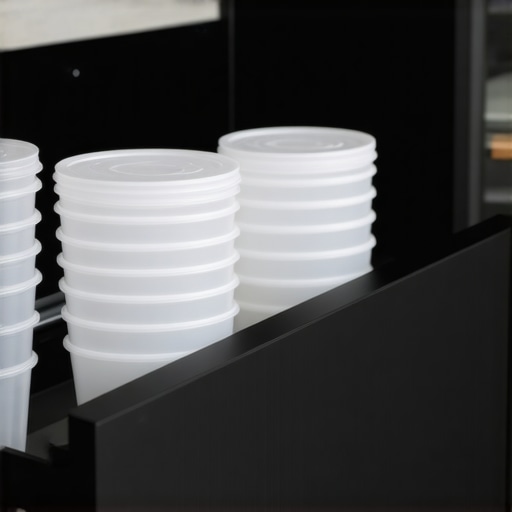
Think of your cabinet as a vertical parking garage; stacking lids vertically prevents them from slipping and keeps them organized. I installed vertical dividers made from plywood, which I cut to fit snugly into the cabinet. The result? Easier access and a clutter-free look. For more advanced storage hacks, explore built-ins that elevate your kitchen’s functionality.
Implement Pull-Out Shelving Systems
Installing pull-out shelves or trays allows you to see all lids at once without digging through stacks. When I upgraded my kitchen with a built-in pull-out system, I reduced search time drastically. These systems can be custom-designed to fit your cabinet dimensions and can hold lids, containers, or other small kitchen gadgets.
Adopt Clear Containers and Labels for Smaller Lids
For tiny lids, clear plastic bins with labeled sections make retrieval straightforward. I used airtight containers with label makers, which kept the lids visible and dust-free. This small step greatly improved my kitchen workflow and can be seamlessly integrated into your existing setup. Learn more about innovative storage ideas at innovative storage solutions tailored for modern kitchens.
Regular Maintenance and Reorganization
Even the best system needs periodic tweaks. Set aside time each month to assess what’s working and what’s not. I found that swapping out worn dividers or adding new containers kept the system fresh and functional. Remember, adaptable solutions like adjustable shelves or modular inserts make maintenance easier. To stay ahead of clutter, take inspiration from seamless built-in storage approaches that grow with your needs.Many homeowners assume that investing in built-in storage or custom cabinets automatically guarantees an organized kitchen. However, even well-designed storage can fall prey to overlooked nuances that sabotage functionality. **Contrary to popular belief, more storage isn’t always better**—it’s about smart, tailored solutions that fit your habits and space. For instance, choosing overly deep cabinets or generic shelving can lead to wasted space and difficulty accessing essentials, ultimately adding to the chaos instead of reducing it. An often-missed detail is the importance of considering door swing and hinge placement during design; neglecting these factors can result in awkward access or hardware interference, negating the benefits of custom cabinetry. Experts highlight that meticulous planning and precise measurements are critical; a study by the National Kitchen & Bath Association emphasizes that 72% of kitchen inefficiencies stem from poorly planned storage layouts.
How does understanding your everyday routines influence the success of built-in solutions?
By analyzing your daily prep and cleanup habits, you can identify bottlenecks and customize storage to streamline tasks, like incorporating shallow drawers for frequently used utensils or tilt-out trays for cleaning supplies. Relying solely on standard solutions—such as generic pull-out trays—can trap you in common pitfalls, like insufficient weight capacity or poor alignment, which cause drawers to stick or sag over time. Always invest in quality hardware and professional installation; a subpar setup not only wastes money but also risks structural issues. For advanced insights, exploring built-in storage hacks can reveal innovative ways to optimize every inch. Remember, your kitchen’s efficiency hinges on nuanced details—so thorough planning can make the difference between clutter and clarity. If you’re contemplating a remodel, consider examining modern kitchen remodels with custom cabinetry to see how expert designers address these intricacies. Don’t forget—every detail counts in creating a truly functional space. Have you ever fallen into this trap? Let me know in the comments.When it comes to maintaining your customized kitchen storage solutions and ensuring their long-term effectiveness, having the right tools and methods is essential. I rely on precision measuring instruments like digital calipers and laser distance finders to achieve perfect fitment during installation, which minimizes errors that can compromise function over time. For assembly, high-quality cordless screwdrivers with torque control help prevent stripping screws and damaging materials, ensuring your built-ins and cabinets stay sturdy for years. Regular maintenance is also facilitated by taking advantage of innovative cleaning tools such as microfiber dusters and soft brushes, which keep hardware and surfaces free of dust and grime without scratching.
In my personal workflow, I incorporate specialized software like SketchUp to visualize storage layouts before implementation, allowing adjustments that enhance usability and aesthetics. This proactive planning reduces the need for costly modifications or repairs down the line. Additionally, using interior organization products, like modular drawer inserts and adjustable shelves, provides flexibility for evolving storage needs, which is critical for long-term satisfaction.
Looking ahead, I predict that automation and smart hardware will increasingly play roles in kitchen maintenance. Imagine cabinets with soft-close dampers that self-adjust or sensors that alert you when a drawer looseness or misalignment occurs, preventing minor issues from becoming major repairs.
A key question I often ask myself: “How do I maintain built-in storage systems over time to prevent sagging, misalignments, or hardware failure?” Regular inspections—checking hinges, slides, and seals—and applying appropriate lubricants enhance longevity. For instance, I recommend using silicone-based lubricants to keep moving parts smooth, reducing wear.
How do I stay proactive about repair and upkeep? I schedule quarterly check-ins where I tighten screws, clean hardware, and adjust doors using precision tools. This disciplined approach avoids the buildup of minor issues that could escalate. Furthermore, investing in high-quality hardware, such as Blum or Hettich hinges, can drastically reduce long-term replacements and improve system durability.
If you’re planning a kitchen upgrade or looking to preserve a recent remodel, I suggest giving one of these maintenance tips a try today. Remember, a little preventative care goes a long way toward keeping your custom cabinets and storage solutions functioning flawlessly for years to come. For more insights on upgrading your kitchen with durable, stylish furniture, visit our detailed guide on custom cabinets.
What I Wish I Knew When I Started My Kitchen Overhaul
I learned the hard way that not all custom storage solutions are created equal; a poorly planned drawer or cabinet can negate hours of effort. My biggest revelation was that meticulous planning, including in-depth routines analysis, saved me from costly revisions later. Additionally, I discovered that integrating smart hardware, like soft-close dampers, enhances both functionality and longevity, turning a good kitchen into a great one. Finally, I realized that a flexible mindset toward reorganizing and maintenance keeps my space looking pristine and working smoothly for years.