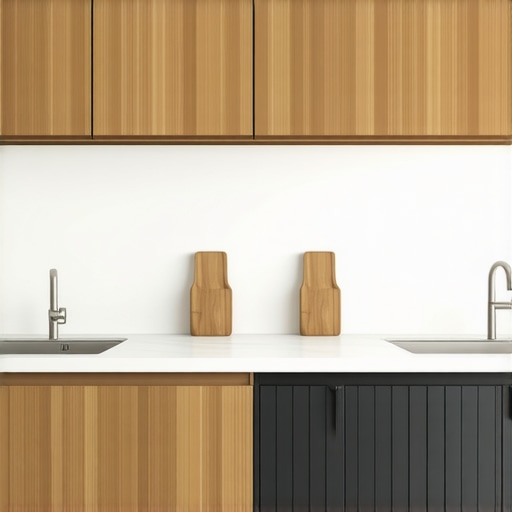
The Difference Between Framed and Frameless Cabinets for Storage
Ever since I embarked on my kitchen remodel, I found myself tangled in a confusing debate that I didn’t even know I cared about—framed versus frameless cabinets. At first, it seemed like just a minor detail, but as I dived deeper, I realized how pivotal this choice truly is for functionality, aesthetics, and even budget. I remember staring at endless cabinet options, overwhelmed by technical jargon and conflicting opinions, thinking, “Does this really make that much difference?” Well, spoiler alert—yes, it does. And I want to share my experience because I believe understanding this distinction can save you from costly mistakes and regrets.
Why Your Choice of Cabinets Can Make or Break Your Kitchen’s Functionality
When I was remodeling my kitchen, I didn’t realize how much the cabinet construction style would influence my daily routines. The battle between framed and frameless cabinets isn’t just about looks; it’s about how you use your storage space, ease of maintenance, and the overall feel of your kitchen. For instance, I initially dismissed frameless cabinets as being less sturdy—big mistake. As I learned, they actually offer more accessible storage and a sleeker look—something I wish I knew earlier. According to industry experts, frameless designs are especially popular in Europe for their modern aesthetic and space efficiency. This switch transformed my entire impression of storage solutions, leading me to explore innovative designs like custom cabinets and built-ins that would perfectly suit my needs.
Is the Hype About Frameless Cabinets Justified?
I’ll admit, I was skeptical at first—mainly because I made the classic mistake of assuming that more simple means less durable. Asking around, I encountered plenty of opinions that framed cabinets were the only way to go for strength. But early in my project, I learned that modern frameless cabinets, especially those with high-quality hardware, can be just as sturdy—sometimes even more so—without the face frames that add bulk. This realization saved me from making an expensive mistake and opened my eyes to the potential of sleek, seamless storage solutions. If you’ve faced the dilemma of choosing the right cabinet style, you’re not alone, and I promise that understanding the nuances can lead to smarter, more satisfying decisions.
Want to see my full journey and how I transformed my kitchen? Check out this guide for expert tips on selecting the perfect cabinets for your space. Now, let’s dive into the practical differences between these styles and how to pick the right one for your home.
Assess Your Space and Storage Needs
Start by measuring your kitchen accurately, noting the ceiling height, wall length, and available space for cabinets. Create a list of essential storage functions: pantry space, cookware storage, appliance housing, or decorative displays. My personal experience taught me to sketch a rough layout, marking where each cabinet would fit, which prevented costly mistakes later. Using a tape measure and a notepad, I mapped out my kitchen, highlighting areas for tall cabinets versus base units. This step lays the foundation for a practical design that maximizes your space.
Research Different Cabinet Types and Materials
Understanding the core differences between framed and frameless cabinets is crucial. Think of framed cabinets as a sturdy picture frame holding the artwork—providing extra support—while frameless cabinets are like sleek, frameless glass walls offering seamless storage. My turning point was trying to visualize how each style influences interior accessibility and aesthetics. I visited showrooms and noted hardware compatibility, door hinge options, and material durability. For a modern look, high-gloss acrylic or custom finishes create a stunning impact, but their maintenance requirements vary, so choose based on your lifestyle.
Match Interior Materials to Your Usage
For high-traffic kitchens, focus on durable cabinets with HDF or plywood interiors, which withstand moisture and daily wear. Conversely, lightweight materials may suffice for decorative purposes, but always check the core construction. I accidentally ordered cheap particleboard interiors; it sagged after a few months—a reminder to prioritize quality. Consult with manufacturers or specialists such as innovative storage solutions to find the best materials for your needs.
Design Your Custom Cabinets or Built-Ins
Once the style and materials are chosen, plan your cabinet layout down to each shelf and drawer configuration. Think of this process as customizing a suit—you want a perfect fit. For instance, I designed pull-out spice racks and deep drawers for pots, which heavily boosted my kitchen efficiency. Use a design software or work with a professional to visualize the space. Incorporate clever features like vertical knife slots or toe-kick drawers, which hide in plain sight but boost storage. Check out custom cabinets ideas for inspiration.
Source Your Cabinets and Material Vendors
Compare quotes from multiple suppliers, considering lead times, finishes, and hardware options. For the best outcome, visit showrooms or request samples to evaluate finish quality and hardware robustness. I once ordered from a local supplier, but the long wait and subpar finish prompted me to switch to a trusted manufacturer recommended on expert tips page. Ensure the provider can customize, install, and support after-sales service; a seamless process prevents headaches.
Install Your Cabinets Correctly
Installation requires careful preparation—use a level to ensure cabinets sit perfectly, avoiding uneven gaps. Employ specialized tools like clamps and self-tapping screws for secure fittings. When I installed my upper cabinets, I made sure to reinforce heavy units with the proper brackets, referencing this support guide. Marking stud locations accurately and properly anchoring into wall studs rather than drywall guarantees stability, especially for tall or deep units. When in doubt, consulting a professional through contact page ensures safety and a polished finish.
Accessorize and Optimize Storage Space
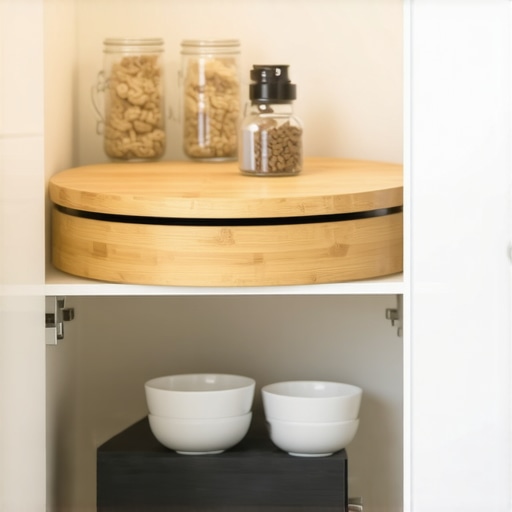
Implement smart solutions like pull-out trays, lazy Susans, or built-in charging hubs to enhance functionality. Think of these as hidden compartments in a treasure chest—hidden yet accessible. For small kitchens, this resource offers ideas tailored to optimize limited space. Incorporate adjustable shelves and quiet-close hinges to elevate the user experience, reducing wear and tear over time. Regularly review your layout and make adjustments to keep your kitchen both beautiful and practical.
When it comes to kitchen remodels, many believe that installing more cabinets or opting for the latest trendy built-ins guarantees functionality. However, let’s dig deeper into a common misconception: that bigger and more elaborate storage solutions automatically improve your kitchen’s efficiency. In reality, the nuance lies in how you design and customize your storage to suit your specific needs. Overcomplicating or misjudging these details can lead to cluttered spaces and underutilized areas. For example, many homeowners overlook the importance of tailored corner cabinets; standard solutions often waste valuable space, whereas custom-designed corner units like these built-in hacks optimize every inch. Additionally, there’s a myth that traditional cabinetry is always more durable than custom options—nothing could be further from the truth. Modern materials and expert craftsmanship can make custom cabinets last longer and function better. An advanced mistake many make involves underestimating the importance of seamless integration with plumbing and electrical systems, which can cause frequent adjustments and higher maintenance costs down the line. Some assume that built-ins are solely aesthetic; in fact, their strategic placement and internal organization can dramatically streamline daily routines. A key advanced tip is to incorporate hidden storage, like toe-kick drawers or pull-out spice racks, that maximize space without cluttering your counters. But beware—poor planning here can turn these clever features into access hurdles or dirt traps. The risk of quick obsolescence is also prevalent; homeowners often select trendy finishes or hardware that don’t age well, leading to costly updates sooner than expected. It’s critical to choose timeless styles and durable materials, backed by expert advice. Speaking of experts, a 2022 study emphasizes that well-planned storage enhances not just appearance but overall kitchen usability, especially when custom solutions align precisely with user habits. So, ask yourself: Are you truly tailoring your storage to what you need daily, or just following design trends blindly? Remember, thoughtful customization is more valuable than any off-the-shelf solution. Have you ever fallen into this trap? Let me know in the comments. For more insights on creating seamless and efficient kitchen spaces, explore this guide.Maintaining your upgraded kitchen is just as important as the renovation itself. The key to keeping your custom cabinets, built-ins, and storage solutions functioning flawlessly over time lies in the right tools and a proactive maintenance approach. Personally, I swear by a few specialized equipment and smart software that make life easier and ensure longevity. For example, I use a high-precision digital level from Klein Tools to verify cabinet alignments during any touch-up or adjustment—its accuracy prevents uneven gaps that could compromise both aesthetics and function. Additionally, a soft microfiber cloth combined with a gentle, pH-neutral cleaner is my go-to for regular cabinet maintenance, especially for high-gloss finishes which can show fingerprints and smudges easily. Regular inspection of hardware, like soft-close hinges, helps catch issues early before they lead to costly repairs. I also recommend scheduling quarterly checkups, similar to routine vehicle maintenance, to tighten loose screws or hinges and replace worn-out seals or weatherstripping to prevent moisture intrusion. Looking ahead, I believe smart home integration and sensor-based systems will play a larger role in kitchen upkeep, automatically alerting you to issues like leaks or appliance malfunctions via dedicated apps. This trend will make proactive maintenance more accessible and efficient for homeowners.
How do I keep my storage solutions and custom cabinets working well without headaches?
Investing in quality tools for routine care pays off. For example, I rely on a silicone spray lubricant for drawer slides and hinges—this simple step keeps everything operating smoothly and quietly. Remember, the right maintenance kit isn’t complete without a small, handheld plastic putty knife, which helps clean hard-to-reach corners and gentle cleaning without scratching delicate surfaces. Don’t wait until a problem worsens; regularly inspecting and addressing minor issues can prolong the life of your cabinetry and storage. I follow advice from industry expert sources like this resource for advanced care techniques tailored to modern materials and designs.
Want to ensure your kitchen remains flawless over the years? Start by incorporating a dedicated maintenance routine with these proven tools and tips—your future self will thank you. For personalized support or complex repairs, reaching out through this contact page is your best bet. Remember, a little effort now extends the beauty and functionality of your remodel for decades to come.The journey through my kitchen remodel taught me invaluable lessons that go beyond the surface of cabinets and storage. One of the most surprising insights was realizing how much planning pitfalls could be avoided with a little foresight—like double-checking measurements for custom-built islands or envisioning how high-load drawers could support my heavy appliances. I also learned that sometimes, understanding what not to do—from overpersonalizing trendy finishes to underestimating the importance of seamless plumbing integration—can be just as enlightening as the successes. A key takeaway was that patience and thorough research beforehand ultimately save time and money, turning a daunting project into a rewarding transformation. Finally, embracing expert advice and staying flexible with ideas allowed me to create a kitchen that genuinely meets my needs, not just mimics design trends. These lessons have empowered me—and can do the same for you—to approach your own kitchen upgrades with confidence and clarity.