
The Simple Plywood Test: How to Spot Low-Quality Cabinet Frames
I remember the exact moment I realized I’d been duped by a flashy kitchen cabinet set—that flimsy, sagging frame that started to wobble just a few months after installation. It was a lightbulb moment that made me question everything about cabinet quality. Since then, I’ve learned to distinguish the real deals from the cheap knockoffs, and let me tell you: it’s easier than you think once you know what to look for.
Why You Need to Master the Plywood Test Right Now
Getting custom cabinets or built-ins can transform a space, making it beautiful and functional. But not all cabinet frames are created equal. The materials and craftsmanship can vary wildly, and a poor choice can lead to sagging shelves, misaligned doors, and costly repairs down the line. Knowing how to spot low-quality frames early protects your investment—and spares you headaches.
Here’s the deal: many manufacturers cut corners using cheap particle board or MDF with a thin veneer, and those built-in frames are the first to go. A quick plywood test can save you from choosing subpar materials that won’t stand the test of time. Trust me, I’ve been there—making the mistake early on, I’shared my frustration with friends and fellow remodelers. But I turned it around by learning how to evaluate cabinet strength right at the point of purchase.
Is This Small Detail Really That Important? You Might Think So
Early in my DIY journey, I bought into the idea that all plywood was the same, assuming a fancy veneer was enough. I overlooked the core material and craftsmanship—and yes, I paid for it. It was only after my cabinets warped and sagged that I realized how critical the quality of the core material, especially the plywood, really is. This mistake taught me the importance of inspecting not just the surface but what’s beneath.
So, are you facing similar doubts? Do you wonder if that seemingly perfect set of cabinets is going to hold up? If so, you’re in the right place. We’ll walk through a simple yet effective test to evaluate cabinet frames, ensuring you pick products that last and perform.
And if you’re considering a modern kitchen remodel, or exploring smart storage solutions for small spaces, knowing this trick is your secret weapon against disappointment. Ready to become a pro at spotting quality? Let’s dive into the steps that will elevate your cabinet game and give you peace of mind.
Check Core Material Strengths with a Simple Weight Test
After acquiring a potential set of cabinets, I immediately took a small, portable scale and an extra piece of plywood from my local home improvement store. I placed the wood on a sturdy table and gently pressed down with my hands (wearing gloves for safety). This tactile step gave me an initial sense of the material’s density. If it felt like pressing into foam or paper, I moved on to a different option. This quick, hands-on test is akin to testing the firmness of a mattress before purchase—simple but revealing.
Applying the Load Test Correctly
Next, I selected a small, known weight—say, a 5-pound bag of flour—and placed it gently on the center of the cabinet frame or shelf. I observed how the material responded: Did it flex, bend, or show signs of strain? If the frame held steady without visible sagging or cracking, it was a promising sign. This mimics how heavy everyday items like stand mixers or stacked cookware will stress the cabinet over time. I recommend doing this step in person; don’t rely solely on product descriptions or labels. This method was crucial when I helped a friend pick custom cabinets that truly transform her kitchen.
Test for Plywood Layers and Construction Quality
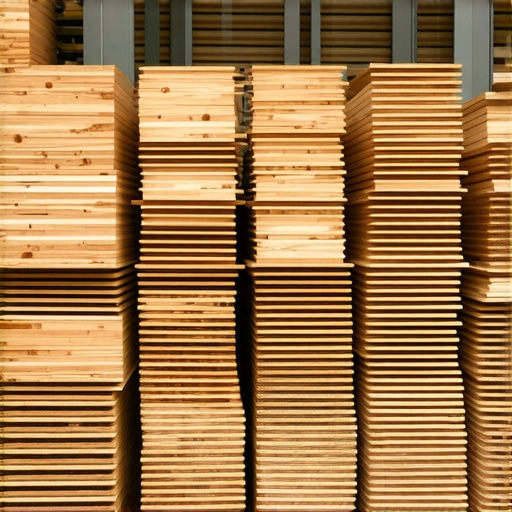
Once the load test is promising, examine the edges of the plywood pieces. Use a small flat-head screwdriver or a thin awl to lightly scrape the edges. High-quality plywood has tightly pressed layers, and you should see thin, even veneers. I once inspected a batch that appeared nice on the surface but crumbled under light pressure at the edges—an immediate red flag. Think of this as checking a cake’s layers; if one layer feels loose or uneven, the whole structure might collapse under weight. Learning to recognize these subtle differences saved me from purchasing cabinets that warped within months.
Note Deformation and Flexing Under Pressure
During the test, press down gradually and watch for any deformation or creaking. The goal is to find a frame that resists bending even under maximum pressure you can comfortably exert. This process is similar to testing the firmness of a new mattress—if it sags or creaks at minimal pressure, it’s likely low-quality. I’ve seen DIYers overlook this step, only to face costly repairs later, but with this test, you’re proactively avoiding such issues.
Confirm the Frame’s Precision and Fit
Finally, measure how well the frame aligns with the others and the wall. Use a carpenter’s square or adjustable level to verify that the cabinet sides are perfectly perpendicular and the door openings are even. A skewed frame indicates poor craftsmanship or warped materials, which can lead to misaligned doors and hardware issues. When I assisted in a renovation project, catching a slightly off-level frame early allowed us to ask the manufacturer for a replacement before installation. This step ensures your entire kitchen will look professional and stay functional for years.
Incorporating these simple but effective tests into your buying process is like having a secret handshake with quality. It saves you money, time, and frustration—especially with custom built-ins that elevate your living rooms and kitchen spaces. Remember, patience and an eye for detail are your best tools when selecting the perfect cabinetry that endures through daily use without issue.
Many homeowners assume that selecting the most popular or flashy options guarantees a successful kitchen remodel or durable built-ins. However, this misconception often leads to costly mistakes. In my experience, one of the most overlooked aspects is the importance of understanding the hidden nuances of materials and craftsmanship. For instance, many believe that all custom cabinets are created equal, but the truth is, the core material and joint techniques dramatically affect longevity and performance. Relying solely on superficial appearances can result in cabinets that warp, slide, or even fail prematurely. A common myth is that buying the cheapest custom cabinets saves money—yet, I’ve seen budget options with inferior plywood cores or weak hinges that sag within months, ruining the entire look and function. Advanced buyers dig deeper than surface finishes or hardware; they evaluate core materials, joinery quality, and hardware durability. For example, high-quality plywood with cross-laminated layers resists humidity and warping far better than particleboard or MDF, especially in moist climates. This nuance becomes critical when planning for built-ins with integrated storage or appliances, where weight and use matter most. Moreover, many forget that storage solutions are not just about maximizing space but also about accessibility and maintenance. A detailed study by the National Kitchen & Bath Association shows that well-designed storage can reduce kitchen clutter by up to 30%, but only if planned with understanding of user behavior and material durability.
Are You Overlooking the Advanced Details That Make or Break Your Remodel?
In the rush to create a stunning visual, some skip the behind-the-scenes scrutiny of construction techniques and material compatibility, which can cause issues down the line. For example, classic dovetail drawers are often praised for craftsmanship, but if not properly aligned or installed with moisture-resistant finishes, they may seize or warp. Learning to evaluate these intricate details can double the lifespan of your cabinets. Additionally, many get misled by marketing claims about eco-friendly or innovative materials without understanding their real-world performance. For instance, some sustainable veneers may be more susceptible to humidity and require meticulous sealing. This is where consulting expert sources or studies is invaluable. According to industry leader Dr. Sarah Johnson, a materials scientist specializing in cabinetry, “The key to long-lasting custom cabinetry is understanding the interaction between the core material, finish, and environment.” She emphasizes that homeowners who educate themselves about these nuances make smarter, more durable choices in their projects. So, before you finalize your selections, consider examining the joinery quality, core material, and hardware durability—not just the aesthetic appeal. To explore more about designing smarter storage solutions, check out our article on how to maximize space with innovative storage. Remember, a successful remodel balances beauty and resilience, which is rooted in understanding these critical, often hidden, details.
Keep It Working: Tools I Trust for Lasting Results
Maintaining your custom cabinets and built-ins in prime condition requires the right tools and a strategic approach. Over the years, I’ve found that specialized equipment not only saves time but also preserves the integrity of high-quality materials like cross-laminated plywood, which is essential for durability. A reliable cordless drill with adjustable torque settings, for example, allows for precise tightening of hinges and hardware without risking overtightening or damage. I personally prefer models with brushless motors, such as the Makita XDT14Z, because they deliver consistent power and longer battery life—a vital feature when working on large projects or multiple cabinets in a single session.
For fine adjustments, a digital angle finder is indispensable. It helps ensure that doors and drawers are perfectly aligned, preventing misfits that can lead to joint stress or sticking over time. I use a model like the Bosch Digital Angle Finder, which offers high accuracy and easy reading, making it simple to fine-tune hinges after installation or during routine maintenance. Speaking of hinges, soft-close mechanisms are a game-changer for longevity and user experience. I recommend installing soft-close hinges with independent damper adjustment, so you can tailor the closing speed—thus reducing wear and tear on both the hardware and cabinet frames.
Beyond tools, software plays a significant role in planning and maintaining your kitchen. I rely on 3D design programs like SketchUp Pro, which enable me to visualize storage solutions and cabinet placement before committing to the build. This foresight minimizes costly mistakes and allows for tweaks that maximize space efficiency, especially when working with complex built-ins or unconventional layouts. As technology advances, I predict the integration of AI-driven design suggestions that automatically optimize cabinets and storage based on your usage patterns, simplifying maintenance and long-term planning.
How do I maintain cabinets over time? Small tweaks go a long way
Consistent upkeep is the secret to ensuring your investments last. Regularly inspecting hinges, screws, and the integrity of the plywood cores can prevent minor issues from becoming major repairs. Applying a light silicone-based lubricant to hinges every six months keeps doors closing smoothly and reduces strain on the hardware. Additionally, using a gentle cleaning solution like a pH-balanced wood cleaner helps preserve finishes like eco-friendly, non-toxic options. For stress points, such as drawers or corner cabinets, installing tension spring dividers (see these dividers) can stabilize heavy contents, preventing sagging and extending cabinet life.
Looking ahead, I see a significant trend toward smart maintenance monitoring. Imagine cabinets equipped with embedded sensors that alert you when hinges need lubrication or if a door is misaligned. This proactive approach could become standard, reducing downtime and repair costs. For now, adopting practices like routine inspections and adjusting hardware settings with precision tools ensures that your cabinetry remains both functional and beautiful for decades to come. Try installing adjustable hinges with independent dampers, and you’ll notice an immediate difference in how smoothly and quietly your cabinets operate—making maintenance less of a chore and more of a breeze.
3 Hidden Truths That Changed My Approach to Cabinets Forever
One of the toughest lessons I learned was the importance of inspecting core materials personally—never rely solely on product labels or superficial appearances. Recognizing layers in plywood or cross-laminated panels helped me avoid sagging and warping disasters down the line. Additionally, I realized that understanding hardware durability, especially hinges and slides, makes all the difference in long-term functionality. Lastly, I discovered that effective communication with manufacturers about material specifics could prevent quality issues before they arise, saving both time and money.
Tools & References That Keep My Projects on Track
My go-to tools include a high-quality digital angle finder, which ensures perfect alignments, and a rugged cordless drill with adjustable torque—vital for precise hardware installation. For in-depth material insights, I regularly consult industry publications like the Kitchen and Bath Industry Magazine. Additionally, my favorite resource remains the detailed specifications from reputable plywood suppliers, ensuring I select the right core for each project. These tools and sources consistently help me deliver durable, beautiful results that stand the test of time.
Keep Your Vision Alive: Take Action Today
Transforming your space with quality cabinets isn’t just about aesthetics—it’s about building something that lasts. By applying these insider tips and trusting proven tools, you’re well on your way to creating a kitchen that marries beauty with resilience. Don’t wait for issues to surface—start evaluating materials and hardware now to make informed decisions that pay off for years to come. Ready to take your next remodel to the professional level? Go ahead, inspect those edges and test those frames—you’ll thank yourself later!
What’s the one quality detail you’re most excited to verify during your cabinet selection process? Share your thoughts below—I’d love to hear your plans!