
The Spice Rack Secret: Why Inside-Door Storage Actually Ruins Your Spices
I vividly remember the moment I realized my convenient-looking spice door rack was a nightmare in disguise. It was a hectic Saturday morning, and I reached for my favorite paprika only to find the bottle sticky and half-empty. As I struggled to pry the lid open, I cursed the design that promised easy access but delivered clutter and chaos instead. That lightbulb moment made me question everything I thought I knew about kitchen organization.
Why Inside-Door Spice Holders Typically Fail
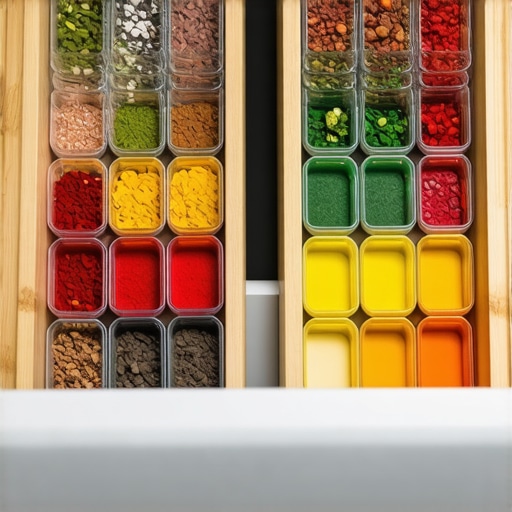
Many of us have fallen for the allure of using inside-door storage for spices. It seems like a clever space saver, keeps clutter off the countertops, and adds a touch of rustic charm. But over time, I learned that this setup often causes more harm than good. Spices stored on inside doors are exposed to frequent temperature fluctuations, humidity, and light—conditions that accelerate their degradation. In fact, spices can lose up to 40% of their flavor compounds within just six months when stored improperly, according to culinary experts.
Is Your Kitchen Storage Actually Making Your Spices Last?
I made a crucial mistake early on: thinking that convenience trumped proper storage. I believed that having my spices within arm’s reach was worth sacrificing their freshness. Unfortunately, that meant my spice collection quickly turned into a flavorless dust, forcing me to replace entire jars more often than I liked. If you’ve faced similar frustration, you’re not alone. But the good news is, there’s a better way.
Let’s dive into why your current setup might be secretly sabotaging your spices, and how you can keep them fresh for longer. Curious if your spice storage approach is hurting your culinary creations? Keep reading, because the fix might be simpler than you think. And for more insights on kitchen organization, check out our [modern kitchen remodels featuring custom cabinets and built-ins](https://artisancabinetworkz.com/modern-kitchen-remodels-featuring-custom-cabinets-and-built-ins). Ready to transform your spice storage and reclaim flavor? Let’s get started.
Plan Your Space Before Cutting
Start by measuring your kitchen’s available space meticulously. I remember when I first took out a tape measure and marked the walls, realizing how much room I could reclaim by integrating custom-built storage. Use painter’s tape or masking tape to outline potential cabinet placements, ensuring your design complements existing structures. This step prevents costly mistakes later and aligns your vision with reality.
Assess Your Storage Needs Honestly
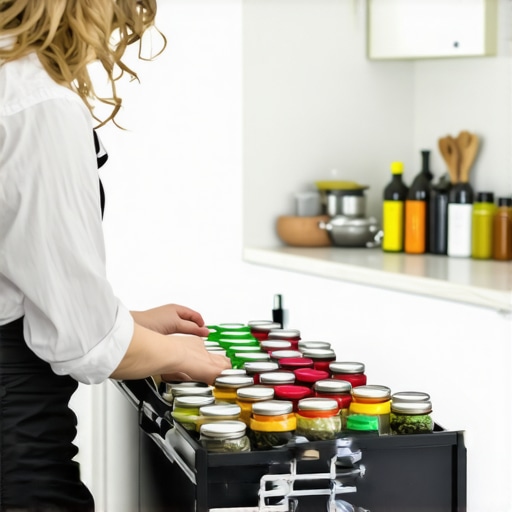
Next, list all items to store—spices, utensils, appliances—and categorize them by frequency of use. For example, I allocated a shallow pull-out for frequently used spices near my stove, saving me daily trips. Be specific: include the weight and size of items, so your custom cabinets can be designed to handle the load without warping or sagging.
Create a Functional Layout
Design your cabinetry layout on paper or using digital tools. Think of your kitchen as a well-organized toolkit where each tool has a dedicated slot. I drew scaled sketches, experimenting with the placement of deep drawers for pots and pans and tall cabinets for bulky appliances. Consider door swing directions and accessibility to prevent blocking prime workspace areas. This planning determines how your built-ins will enhance daily workflow.
Prioritize Accessibility and Ergonomics
Ensure that frequently needed items are within easy reach—ideally at waist height. I made a mistake early on by placing my spice racks too high, forcing me to get a step stool. To avoid this, set upper cabinets at a comfortable height and incorporate features like soft-close hinges for silent, effortless access. Incorporating these ergonomic principles transforms your kitchen into a true workspace.
Select Quality Materials for Longevity
Opt for durable materials like solid wood or high-quality plywood. I originally chose particle board for its cost, but it quickly sagged under heavy loads. Learning from that, I invested in high-grade plywood, especially in high-humidity zones, to prevent warping. Not only does this choice extend the life of your cabinets, but it also adds a premium feel to your kitchen.
Match Cabinet Style with Your Home’s Aesthetic
Decide on a door style—flat-panel for modern minimalism or shaker for classic charm. I experimented with different finishes and hardware, choosing matte black handles for contrast. Using custom cabinets ideas, I created a seamless look that elevated my entire space, demonstrating how style and functionality go hand in hand.
Work with Skilled Craftsmen
Engage professionals who understand your vision. I contacted a local cabinetmaker whose craftsmanship turned my sketches into reality. Collaborate on details like filler strips for uneven walls, which ensure a perfect fit. Having experts handle installation guarantees that your built-ins function smoothly and look polished—something DIY sometimes can’t achieve without experience.
Don’t Skimp on Hardware
High-quality hinges and slides prevent frustration and damage. I installed heavy-duty slide systems for my pantry pull-outs, which support the weight of cast iron pots confidently. Well-chosen hardware enhances durability and offers a satisfying tactile experience, making everyday use effortless.
Finish with Thoughtful Details
Add interior lighting for visibility and soft-close mechanisms for noise reduction. I opted for discreet LED strips inside cabinets and soft-close hinges, creating a luxurious feel. Small touches like labeling or transparent acrylic dividers improve organization, so everything is accessible and tidy at a glance.
While many believe that opting for built-ins and custom cabinetry automatically guarantees a flawless kitchen, the reality is more nuanced. A common misconception is that choosing high-end materials or intricate designs alone will ensure longevity and optimal function. However, without understanding the subtle intricacies of proper execution, these investments can turn into costly mistakes. For example, many assume that solid wood cabinetry is immune to humidity issues, but as detailed in a study by artisancabinetworkz.com, even premium materials can warp if not implemented with the right techniques.
Another frequent oversight is underestimating thermal and light exposure in storage areas. Spices and perishables stored in poorly ventilated built-ins can degrade faster, which negates the very purpose of custom organization. The myth that more compartments always mean better storage also falls apart when space isn’t optimized; overcrowded slots make access cumbersome and storage ineffective. Advanced solutions suggest integrating adjustable shelving and specialized hardware, which many overlook during initial planning.
From an expert perspective, one of the most underestimated factors is the importance of precise measurements and accounting for wall irregularities. Skipping this leads to uneven gaps and misaligned doors, destroying the sleek aesthetic most homeowners seek. A detailed process like scribing filler strips to uneven walls, explained here, can make a significant difference.
Furthermore, many overlook the benefits of strategic hardware placement and high-quality mechanisms. Investing in durable hinges and soft-close slides not only improves everyday usability but also extends the life of your cabinetry. These ‘hidden’ upgrades often get sacrificed for aesthetic choices, yet they are central to long-term satisfaction.
Finally, understanding the importance of proper humidity management and material selection is crucial. As detailed in this article, even the best materials need suitable climate control to prevent warping and deterioration.
Have you ever fallen into this trap? Let me know in the comments. By being aware of these nuanced pitfalls, you can elevate your kitchen renovation from good to truly exceptional, ensuring that your investments in custom cabinets and built-ins stand the test of time while maximizing functionality.Maintaining your custom kitchen cabinets and built-ins is essential to ensure their longevity and continued functionality. One of the most effective ways to do this is by investing in high-quality tools that make routine upkeep easier and more precise. For example, a precision screwdriver set, like the Wiha 77791, allows you to adjust hinges and hardware with exactness, reducing wear and preventing damage over time. Additionally, a soft-bristled brush, such as the Horsehair Paint Brush, is excellent for gently removing dust and debris from delicate surfaces without scratching.
For more comprehensive maintenance, I recommend incorporating a microfiber cloth and a gentle cleaner specifically designed for wood and laminate finishes. This combo ensures that surfaces stay clean and free from static buildup that attracts dust. Regularly inspecting your hardware—like soft-close hinges or pull-out slides—is crucial, as these components often wear out before the cabinets themselves. When I notice a soft-close mechanism losing its dampening ability, I promptly replace it with a model from Blum, known for durability and smooth operation.
Tools aside, adopting a seasonal maintenance schedule helps catch minor issues before they become costly repairs. Twice a year, I dedicate time to check all hardware functionality, tighten loose screws, and clean internal mechanisms. This proactive approach extends the lifespan of built-ins significantly.
How do I maintain kitchen cabinetry and built-ins over time? The key is staying consistent with a routine that combines the right tools, gentle cleaning products, and scheduled inspections. To support this, I also use a digital level app—like iHandy Level—to ensure everything remains aligned, especially after seasonal shifts or renovations. Proper alignment not only keeps doors closing seamlessly but also preserves the aesthetic appeal.
Looking ahead, the trend points toward smarter maintenance solutions, integrating sensors and automation to monitor hardware wear and environmental conditions. This tech evolution will make long-term upkeep even more manageable, reducing downtime and unexpected expenses.
If you’re ready to elevate your maintenance game, try calibrating your hinges and adjusting hardware with a precision screwdriver regularly. Small efforts today can prevent costly replacements tomorrow. For more tips on maintaining your kitchen space, explore our article on [maximizing space with innovative storage solutions](https://artisancabinetworkz.com/maximize-space-with-innovative-storage-solutions-for-every-room). Keep your built-ins working flawlessly, and enjoy a beautifully functional kitchen for years to come.
Lessons Only Years of Living with Built-ins Could Reveal
- I learned that even the most beautiful cabinets can feel wrong if they aren’t perfectly tailored to your daily habits—small details like the depth of a drawer or the placement of a spice rack can redefine usability.
- The importance of listening to those little frustrations in your kitchen, because they often point to design flaws that can be fixed with thoughtful adjustments rather than complete overhauls.
- That investing in quality hardware and materials pays dividends over time—cheap hinges and low-grade plywood might save money upfront but lead to costly repairs later, emphasizing that good craftsmanship is an investment in your home’s longevity.
- How embracing the nuances of personal workflow—like ergonomic heights or customized pull-outs—can turn a functional kitchen into a joy to cook in, proving that personalization beats one-size-fits-all solutions every time.
Tools and Resources That Changed My Approach
- Blum hardware: Trustworthy for smooth, durable operation, turning everyday cabinet use into a luxury experience.
- High-quality plywood: Essential for lasting durability, especially in humid zones—avoiding the common pitfall of cheap particle board that warps and fails.
- Digital measuring tools: Like laser levels, which ensure perfect alignment and save time during installation, reducing guesswork and rework.
- Design software or printable templates: They helped me visualize layouts better, preventing costly mistakes and enabling me to optimize space efficiently.