The Truth About Bamboo Cabinets: Durability and Sustainability
I remember the moment clearly — I was mid-renovation, staring at my new bamboo cabinets, expecting a sleek, sustainable marvel. Yet, within months, I found scratches, warping, and a faint smell that wouldn’t quit. It was a lightbulb moment that made me question everything I believed about these trendy surfaces.
If you’re considering bamboo cabinets for your kitchen upgrade, you’re probably drawn to their eco-friendly reputation. But are they really as durable and sustainable as you’ve heard? Or is it all just hype?
Today, I want to share my journey into the honest little truths about bamboo cabinets — what I wish I had known earlier, and how you can make an informed decision that lasts.
Let’s cut through the marketing and get to the real facts that can save you time, money, and potential headaches down the line.
Why Durability Matters More Than Ever in Kitchen Choices
The kitchen is often the heart of the home—a place for gathering, cooking, and creating memories. But it’s also a space subjected to daily wear and tear. Cabinets, especially, are integral to both style and function. Choosing the right material isn’t just about appearance; it’s about longevity, resilience, and value.
In my own experience, I overlooked the importance of durability when selecting bamboo. I was enchanted by its natural look and sustainability credentials. However, I hadn’t considered how it would hold up against water splashes, heat, and the constant tug of drawers and doors. That oversight cost me more than I expected.
According to a study from the U.S. Forest Service, sustainable materials like bamboo can be eco-friendly but often require specific treatment to match the durability of traditional woods. This surprised me because it challenged the myth that eco-friendly always equals maintenance-free or long-lasting.
If you’ve ever felt the frustration of your cabinets aging faster than you anticipated, or worse, warping and cracking, you’re not alone. Many homeowners face this challenge without realizing that the material’s properties need to align with their lifestyle—something I learned the hard way.
By understanding what makes a cabinet durable, especially in the context of sustainable choices, you can prevent similar mishaps and enjoy furniture that truly stands the test of time. Ready to find out whether bamboo can meet these standards? Keep reading, because I’ll be breaking down the facts, benefits, and pitfalls of bamboo cabinets, backed by real-world insights and tested strategies.
And if you’ve already encountered a problem with your cabinets or are dreaming of a smarter storage solution—don’t hesitate to reach out through our contact page. Let’s make your kitchen both beautiful and built to last.
Map Out Your Space with Precision
Before swinging a hammer, take accurate measurements of your kitchen’s dimensions. Use a quality tape measure and note details like ceiling height, window placements, and existing electrical outlets. I once made the mistake of estimating without double-checking, which led to misaligned cabinets later. To avoid this, create a scaled sketch or use a digital design app. This initial step ensures your custom cabinets fit perfectly and align with your overall kitchen layout, setting the stage for a smooth build process.
Choose the Right Material for Durability
Solidify your decision on cabinet materials by considering your everyday needs. For instance, if you love cooking, opt for moisture-resistant plywood or HDF, which resist warping better than MDF. During my project, I requested samples of different materials and tested them against moisture by applying water droplets. The plywood held up, while MDF bubbled within minutes. This hands-on testing clarified that investing in robust materials reduces future repairs. Remember, the core concept is to match your material choice with your lifestyle to maximize longevity.
Design for Functionality and Flow
Plan storage solutions that improve kitchen efficiency. Think about integrating shallow drawers for utensils, pull-out shelves for spices, or a dedicated tray for baking sheets—like I did in my remodel, which saved me frequent searches for baking pans. Use bespoke inserts or custom-built racks to maximize space and keep everything accessible. For small kitchens, explore smart storage ideas that accelerate your workflow. Focus on creating zones—prep, cooking, cleaning—that reduce unnecessary movement and streamline your culinary rhythm.
Work with Skilled Craftsmen
Hire a professional with proven experience in custom cabinetry. Explain your vision clearly—bring photos, sketches, and list desired features. During my project, I conducted interviews, verified their portfolios, and asked about their process. Once hired, I remained involved during the installation phase, requesting adjustments for perfect alignment. This collaboration prevents mistakes, ensures quality, and results in a polished finish. Remember, skilled craftsmanship adds value and resilience to your remodel, turning your blueprint into reality.
Plan for Future Accessibility and Upgrades
Incorporate features that allow easy access and future modifications. For example, choosing push-to-open hardware makes cleaning easier and maintains a sleek look, as shown in full-extension slides. Consider installing adjustable shelves or adding electrical outlets within cabinets for gadgets. I also added under-cabinet lighting to improve visibility, which can be upgraded later without major renovation. This forward-thinking approach ensures your kitchen remains functional as your needs evolve.
When it comes to custom cabinets and built-ins, many homeowners operate under assumptions that could lead to costly mistakes. One widespread myth is that more storage equals better design, but the real advantage lies in **smart, intentional placement** of each element. For example, adding a shallow pull-out in a corner cabinet can dramatically improve accessibility, rather than merely increasing the number of shelves. Advanced homeowners understand that optimizing existing space often trumps expanding storage capacity, a strategy highlighted in detailed guides on maximizing space.
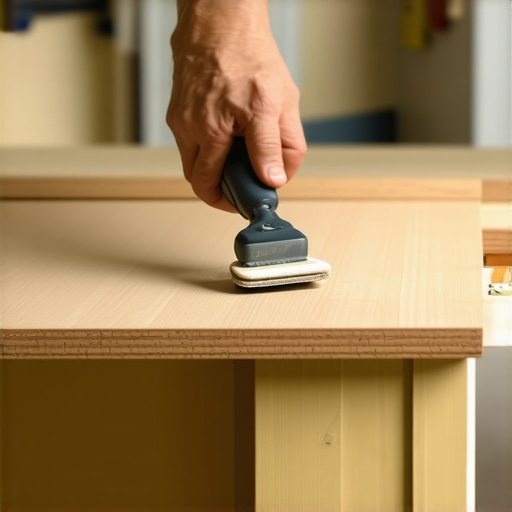
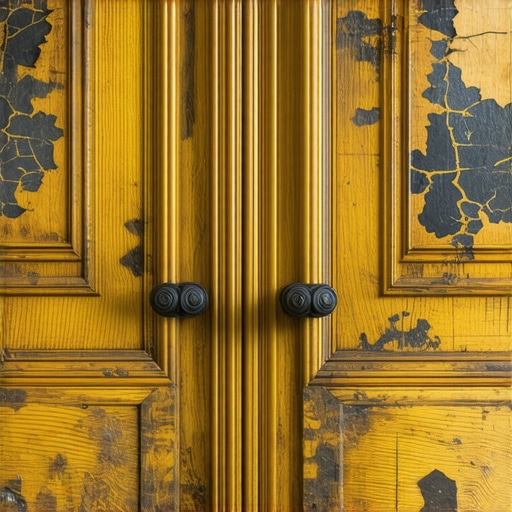
Another common misconception is that high-end finishes or elaborate hardware automatically guarantee durability. In reality, the choice of materials and construction techniques matters more. For instance, many believe that painted cabinets are universally low-maintenance, but as I’ve experienced, **proper sanding and sealing are essential** to prevent chipping and yellowing over time. This nuance is backed by industry studies emphasizing that surface treatment plays a critical role in longevity, especially in humid environments.
A critical trap many overlook is the assumption that DIY installation is straightforward for all project sizes. While some minor adjustments can be tackled at home, **heavy or irregularly shaped built-ins demand professional expertise** to ensure structural integrity. Improper installation can cause misalignments, doors that won’t close properly, or even safety hazards. Recognizing when to seek expert help is vital—something I learned after battling unsightly gaps and wobbling shelves. If you’re planning a remodel, I recommend reviewing detailed articles on custom cabinetry insights.
For the advanced remodeler, understanding the subtleties of material expansion and contraction can prevent future issues. For example, solid wood cabinets may swell in humidity, causing doors to stick, whereas engineered materials like HDF or plywood offer more stability. Consulting with specialists or referencing expert sources, such as the kitchen design professionals, can inform smarter choices.
Have you ever fallen into this trap? Let me know in the comments. Mastering these nuances can elevate your renovation from good to exceptional, ensuring that your investment not only looks fantastic but also endures the test of time.
Maintaining Your Investment: Tools and Methods that Deliver Results
Keeping your custom cabinetry and built-ins in top shape requires more than just good design ideas—it demands the right tools and consistent maintenance. From adjusting hinges to cleaning delicate finishes, having the proper equipment makes the process efficient and effective. I personally rely on a few specialized tools that have saved me time and spared my patience during ongoing upkeep.
One essential tool I recommend is a soft-bristled brush paired with a microfiber cloth. This combo allows me to gently remove dust and debris from intricate moldings or carved details without scratching or damaging the surface. Regular cleaning with these tools prevents grime buildup, which can compromise finishes and hardware over time.
When it comes to delicate finishes, such as painted or lacquered surfaces, I use a mild pH-balanced cleaner diluted with water. This prevents the harsh chemicals from degrading the surface or causing discoloration. Applying this with a soft cloth and wiping in the direction of the grain keeps everything looking fresh. For stubborn spots, a gentle toothbrush or a small detailing brush works best, especially around hinges and hardware.
How do I maintain my cabinets and built-ins over time?
Consistent inspection is key. I schedule quarterly check-ups where I verify that hinges, slides, and handles are functioning smoothly. Using an adjustment screwdriver, I tighten loose screws and realign misaligned doors. For sliding mechanisms, applying a tiny amount of silicone-based lubricant helps keep things moving quietly and effortlessly.
For long-term results, I also keep a record of maintenance tasks and observations. If I notice any wear or problems early, I can address them before they escalate into costly repairs. This proactive approach extends the life of my custom cabinetry, ensuring it remains as beautiful and functional as when it was first installed.
Looking ahead, the trend is moving toward smarter maintenance solutions, including integrated sensors that monitor humidity and detect hardware issues before visible signs emerge. While these are still emerging tech, incorporating traditional tools and methods is a proven strategy that works today. For example, periodically applying a protective wax finish can help preserve veneer and painted surfaces, especially in high-humidity environments.
Don’t underestimate the importance of quality hardware, either. Upgrading to durable, well-made hinges and slides—like those recommended in industry standards—can prevent problems down the line. I especially recommend full-extension slides for easier access and better maintenance.
Try adopting a monthly routine: inspect, clean, lubricate, and tighten. It’s simple, effective, and will keep your cabinetry looking and functioning beautifully for years. Remember, investing in the right tools today will save you significant repair costs and frustration tomorrow.
Through my journey, I uncovered that the true secret to a successful kitchen remodel lies in embracing the nuances of craftsmanship, material choices, and proactive maintenance. These lessons transformed my perspective and can do the same for you, turning a daunting project into a rewarding experience.
Lessons That Changed My Approach to Kitchen Remodels
- Patience Is a Virtue: Waiting for custom cabinetry to be built properly and installed with precision prevents costly fixes later. Rushing often leads to misaligned doors or gaps, which diminish the overall look and functionality.
- Quality Over Quantity: Investing in durable hardware and high-quality materials ensures longevity. I learned that cheap handles or hinges become problems faster, while well-chosen components maintain their beauty over time.
- Design Is Personal, Not Prescriptive: Every kitchen is unique. Embracing bespoke solutions tailored to your space and habits leads to a more satisfying result than following generic trends.
- Maintenance Matters as Much as Design: Regular inspections and proper cleaning extend the life of your cabinetry. Simple routines can prevent deterioration and keep your kitchen looking pristine for years.
- Seek Expertise When Needed: Collaborating with skilled craftsmen pays off. Their experience helps avoid pitfalls and elevates your vision into reality, especially when dealing with complex built-ins.
Tools and Resources That Made a Difference for Me
- Smart storage solutions guide: Unlocks inventive ways to optimize every corner of your kitchen, saving space and reducing clutter.
- Expert cabinet design insights: Offers comprehensive advice on choosing materials, finishes, and hardware that withstand daily use.
- Built-in storage strategies: Inspires innovative ideas for integrating functionality without sacrificing style.
- Professional consultation: Connecting with experienced artisans can turn your dream kitchen into a durable reality.
Your Canvas Awaits—Start with Confidence
The kitchen is more than just a space; it’s a reflection of your lifestyle and personality. With mindful planning, quality craftsmanship, and ongoing care, your custom cabinets can define a space that is both beautiful and resilient. Don’t let doubts hold you back—embrace the journey, and transform your kitchen into a timeless masterpiece.
What’s the first small step you’re willing to take today to make your kitchen remodel a lasting success? Share your thoughts below—I’d love to hear your plans!