The Truth About Matte Black Hardware and Visible Water Spots
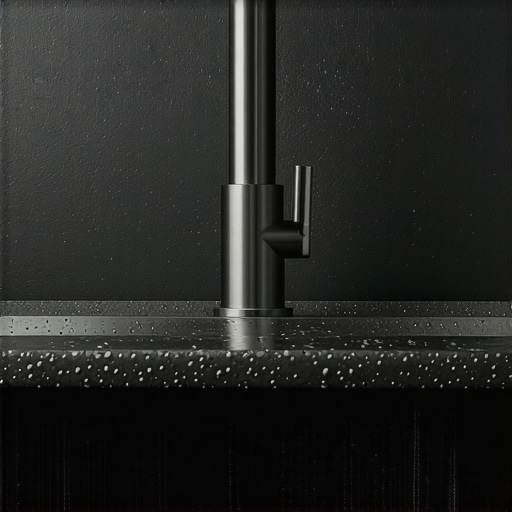
I remember the exact moment I realized my kitchen hardware was betraying me. It was after a quick rinse of my coffee mug, and I caught sight of the matte black finish on my cabinet handles. Instead of sleek sophistication, there was a cluster of tiny, stubborn water spots staring back at me. Frustration set in. How could something so trendy turn into a constant cleaning chore? That lightbulb moment led me down a rabbit hole, uncovering truths that many homeowners overlook when choosing kitchen finishes.
Why Matte Black Hardware Might Be Causing More Problems Than You Think
matte black hardware has become incredibly popular, often praised for its modern elegance and ability to hide fingerprints. But my experience—and countless others’—suggests there’s more beneath the surface. Water spots, smudges, and fingerprints can become glaring issues, especially in humid or hard water areas. I had initially believed that matte finishes were the low-maintenance heroes of design. Turns out, I made a costly mistake early on by assuming all matte finishes perform equally well.
Are Water Spots a Fluke or a Fabrication?)
Early in my remodel, I thought I could simply wipe water spots away with a damp cloth and move on. But the spots would reappear, stubborn as ever, revealing a hidden flaw in my choice of hardware. Experts agree that certain matte finishes, especially those with porous coatings, are more susceptible to water spots and smudges. A recent study even highlights that matte textures tend to trap oils and mineral deposits more than glossy ones, making them harder to clean over time. If you’ve faced similar frustrations, you’re not alone. And if you’re thinking of switching to matte black, understanding this flaw upfront can save you endless cleaning headaches.
As someone who loves beautifully designed spaces but hates tedious maintenance, I learned that not all hardware is created equal. It’s tempting to chase the latest trends, but transparency about the durability and maintenance of finish options is crucial. To ensure I wasn’t throwing money away on stylish but impractical hardware, I started researching solutions and reading reviews—something I’d recommend to any homeowner embarking on a remodel.
So, what exactly do we do when this issue pops up? How can you enjoy the elegance of matte black hardware without the constant water spot battle? Well, stick around—I’m about to share the practical steps I took to solve this problem, including some surprising tips from top industry pros. Before that, though, let’s clear up a common concern I hear all the time.
Choose the Right Coating for Your Hardware
Start by selecting matte black hardware with a specialized, water-resistant coating. I once purchased a set that claimed to be ‘industrial-grade,’ but after a few weeks of humid mornings, water spots became visible. To avoid this, look for hardware coated with a durable, non-porous finish, often labeled as ‘hydrophobic.’ This simple filtering step during purchase can save hours of cleaning later.
Implement Regular and Proper Cleaning Routines
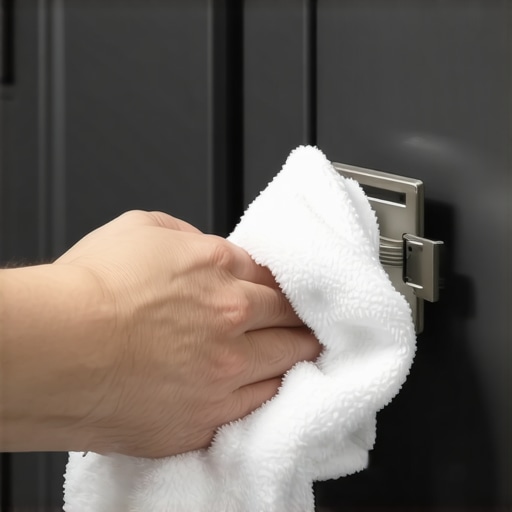
Establish a cleaning schedule that includes gentle, non-abrasive cleaners. I use a mixture of warm water and a few drops of mild dish soap, wiping with a soft microfiber cloth. When I neglected to do this weekly, water spots accumulated quickly. Consistency prevents deposits from setting in, making maintenance manageable.
Use Sealants and Protective Films
Apply a clear, matte-compatible sealant designed for hardware surfaces. During my last remodel, I carefully cleaned my handles and then brushed on a silicone-based sealant, creating an extra barrier against mineral deposits. Though it required a bit of dry time, the reduction in water spots was noticeable, and cleaning became much easier.
Address Water Quality Issues
If you’re in an area with hard water, installing a water softener can drastically reduce mineral deposits on hardware. I installed a compact water softener under the sink after noticing that even the best coatings struggled against mineral buildup. This proactive step not only benefits my handles but also prolongs the life of my plumbing fixtures.
Wipe Immediately After Water Contact
Develop the habit of drying handles and fixtures after washing hands or cleaning the countertops. I keep a dedicated microfibre cloth near my sink, and this quick step prevents water from evaporating and leaving spots. Initially, it felt tedious, but it became second nature and significantly improved my hardware’s appearance.
Opt for Alternative Materials or Finishes
If water spots continue to plague matte black, consider hardware with a brushed nickel or satin brass finish—these tend to hide spots better and are easier to clean. As a homeowner, I experimented with different metals, and the change noticeably reduced my cleaning headaches. Visit https://artisancabinetworkz.com/custom-cabinets-ideas-that-transform-your-homes-style for ideas on integrating such finishes into your design.
Leverage Industry Tips for Maintenance
I reached out to professionals via https://artisancabinetworkz.com/contact-us and learned that some brands recommend using specific cleaning agents. Avoid harsh chemicals like bleach or abrasive scrubs, as they can damage matte finishes. Instead, opt for soft, damp cloths and gentle cleaners designed for delicate metals. Following these tips preserved my hardware’s matte look while keeping it spotless.
Consider Hardware Alternatives Designed to Resist Water Spots
Lastly, explore hardware made explicitly with water-spot resistant materials or coatings. Modern innovations include ceramic composites and PVD (Physical Vapor Deposition) finishes that stand up better in humid environments. Researching and investing in these options may cost more upfront but pays off through reduced maintenance time—saving you frustration and labor in the long run.
Remember, maintaining the pristine look of matte black hardware is a blend of smart material choices and disciplined cleaning routines. Implementing these steps transforms your kitchen into a space that’s both stylish and easy to maintain, keeping water spots at bay and your cabinetry looking sleek. For more ideas on bespoke solutions, browse https://artisancabinetworkz.com/custom-cabinets-ideas-that-transform-your-homes-style or reach out for personalized advice at https://artisancabinetworkz.com/contact-us.
Many homeowners jump into custom cabinetry and storage solutions with a set of assumptions that, upon closer inspection, can lead to costly mistakes. One widespread misconception is that all built-in systems and kitchen renovations inherently maximize space and efficiency. While these options are powerful, their effectiveness hinges on nuanced details often overlooked—details that can make or break the project’s success.
For example, a common myth is that selecting high-end materials guarantees durability and low maintenance. However, expert analyses reveal that improper installation practices or neglecting material-specific care can lead to warping, sagging, or rapid deterioration—regardless of initial quality. As discussed in expert sources, understanding the subtleties of material properties is essential in avoiding premature failure.
Are built-ins truly foolproof in optimizing space?
Many believe that custom-built units automatically solve clutter issues, but the reality is more layered. For instance, poorly planned cabinet depths or door swing clearances can create awkward access and even reduce usable space. A misstep here can turn a sleek design into a functional obstacle. This is why detailed planning and engaging with specialists—like those at artisan cabinetry experts—is crucial, rather than relying solely on aesthetic choices.
Another critical mistake is underestimating the importance of future-proofing in storage design. Today’s trending solutions may become obsolete quickly if they don’t account for evolving needs or appliance sizes. Incorporating flexible layouts aligned with innovative storage options, such as pull-out pantry shelves or adjustable dividers, ensures longevity. For instance, smart storage solutions for small kitchens, detailed here, can prevent obsolescence and continued frustration.
Furthermore, many underestimate the impact of installation techniques. For example, improper fastening or misaligned hinges can cause cabinets to slant or doors to stick, negating the benefits of custom design. It’s not just about the cabinets themselves but also how they are anchored and supported. Checking references like support methods can provide guidance on preventing such issues.
So, what are the key takeaways for savvy homeowners undertaking a remodel? First, challenge assumptions about quality and durability; second, prioritize detailed planning with professionals experienced in these nuances; third, consider future adaptability to avoid obsolescence; and finally, pay attention to installation details that impact long-term performance. Do you have any stories where assumptions led to unforeseen issues? Let me know in the comments!
Keep Your Custom Cabinets and Built-ins Functioning Seamlessly
Investing in custom cabinetry and built-in storage transforms a space, but maintaining their longevity requires the right tools and routines. I rely heavily on a few specialized items to ensure my kitchen stays in top shape. A high-quality microfiber cloth is my go-to for daily dusting; its gentle fibers lift dirt without scratching delicate finishes. For deeper cleaning, I use a soft-bristled brush, which effectively reaches into corners and crevices, preventing dust buildup that can cause long-term wear.
When it comes to lubricating hinges and slides, I swear by silicone-based spray lubricants. They don’t attract dirt like oil-based options and are safe for most finishes. Applying these periodically, especially on soft-close hinges, keeps their operation smooth and quiet—saving me from annoying creaks and potential damage over time.
Embracing Smart Storage Solutions for Long-Term Success
Technology is making its way into kitchen maintenance, with smart organizers that track usage or alert you when it’s time to clean or restock. For instance, sensor-equipped cabinet lights activate when doors open, making it easier to spot spills or grime that need attention. These proactive tools help me catch messes early, preventing damage and extending the life of my cabinetry.
Looking ahead, I believe the trend is moving toward integrated, IoT-enabled storage systems that communicate with your smartphone. Such innovations will enable personalized maintenance schedules and real-time diagnostics, making upkeep almost effortless. Exploring these options now can set your space up for sustainable, long-term performance.
How do I maintain built-ins over time?
Consistent inspection is key. I recommend setting a monthly reminder to check hinges, slides, and seals. Tighten loose screws and reapply lubricants as needed. For wooden surfaces, occasional application of a furniture polish suitable for cabinetry helps preserve a fresh look. Using the right cleaning solutions—avoiding harsh chemicals—also protects delicate finishes. For example, a gentle vinegar and water mix works wonders without the risk of damage. If you want to elevate your maintenance game further, try integrating a clean-in-place routine with innovative tools like steam cleaners adapted for wood surfaces. These can sanitize without harsh chemicals, fostering a healthier, more durable environment. To see how advanced cleaning methods can make a difference, check out this dedicated guide. Regular maintenance is not just about preservation; it’s about ensuring your investment continues to shine and serve your needs long into the future. For personalized advice tailored to your project, reach out through our contact page. The future of kitchen longevity lies in proactive, smart care—start implementing these tools and routines today to reap the benefits tomorrow.
As I reflect on my kitchen overhaul, I realize that some of the most valuable insights came from unexpected missteps and trial-and-error. Navigating the world of built-ins, custom cabinets, and storage solutions isn’t just about aesthetics; it’s about longevity, functionality, and peace of mind. Here are some lessons I wish I knew sooner, so you can craft a kitchen that truly serves your needs without costly surprises.
What I Learned About Material Choices and Hidden Costs
Choosing seemingly premium materials like solid wood or high-end finishes can feel like a guarantee of durability, but the reality often demands deeper inspection. I learned the hard way that quality hinges on proper installation and maintenance. For instance, solid wood doors can warp if exposed to excessive humidity—something I overlooked initially. Diving into detailed reviews and consulting with experienced craftsmen revealed that investing in the right materials, paired with proper care routines, pays off in the long run, preserving your cabinet’s beauty and function.
One Design Flaw That Could Sabotage Your Space
It’s tempting to focus solely on trendy looks, but I discovered that a layout’s functionality is equally vital. An elegant, deep cabinet without accessible pull-outs or adjustable shelves can become a clutter trap. My lightbulb moment was realizing that flexible storage solves many daily frustrations—hidden in plain sight. Incorporating features like adjustable dividers or pull-out trays not only maximizes space but also keeps everything at your fingertips, reducing the stress of rummaging through clutter.
Understanding Installation’s True Impact
High-end cabinetry is useless if poorly installed. I learned that proper anchoring, alignment, and support—like using the right steel brackets for heavy countertops or well-calculated overhangs—are the backbone of a lasting remodel. Engaging skilled installers and verifying their work with DIY checks can prevent sagging, misaligned doors, or worse. It’s these details that distinguish a short-term aesthetic from a long-term investment.
How Maintenance Becomes Your Secret Weapon
Proactive upkeep transformed my relationship with built-ins. Regular inspections, lubricating hinges, and cleaning with gentle solutions prevented small issues from snowballing into costly repairs. I recommend setting a maintenance schedule—think of it as health checkups for your cabinetry. Small routines, like wiping away moisture immediately or applying protective sealants, protect your investment and keep your kitchen looking pristine for years.
More Than Just Storage: Building a Space That Inspires
Finally, I realized that thoughtful design fosters more than organization; it cultivates joy. Whether it’s a hidden pet station, a charging nook, or clever pantry pull-outs, integrating these features transforms a functional space into a personal sanctuary. It’s about anticipating your needs and customizing solutions—something that connects deeply with every homeowner’s desire for comfort and efficiency. For inspiration tailored to your project, explore this curated collection of design ideas or contact experts for personalized guidance.
Lessons That Define My Approach to Built-ins and Kitchen Remodels
- Invest in expertise: Skilled installation and honest reviews prevent headaches down the line.
- Prioritize flexibility: Adjustable and pull-out options adapt as your needs evolve.
- Choose durability intelligently: Material quality combined with proper care extends your cabinetry’s lifespan.
- Maintain proactively: Routine checkups and gentle cleaning keep everything running smoothly and looking great.
- Design with purpose: Personal touches—like hidden storage or built-in tech—transform a space from functional to inspiring.
Where to Next in Your Built-in Journey
Armed with these insights, I encourage you to approach your next kitchen project with confidence. Dive into resources like modern remodeling ideas or reach out via the contact page for tailored advice. Remember, a well-planned built-in isn’t just about storage—it’s about creating a seamless, functional space that enhances your daily life.
Your Turn to Elevate Your Space
Have you encountered unexpected challenges or discoveries in your remodeling adventures? Share your stories or questions below—your experience could inspire others to craft their dream kitchen with confidence and care.
,