The Tupperware Lid Crisis: 3 Drawer Dividers That Finally Stay Put
I remember the moment clearly—standing in my kitchen, surrounded by a sea of lids that refused to stay organized. It was like battling an endless tide; no matter what I tried, the lids would slip, topple, and scatter every time I opened a drawer. That frustrating ‘Tupperware lid crisis’ had become my kitchen nemesis, turning simple meal prep into a game of Jenga. I knew I couldn’t be the only one battling this chaos. If you’ve ever felt like your storage solutions are fighting a losing battle, you’re not alone—and today, I’m here to share a game-changing fix.
Conquering the Tupperware Lid Chaos: The Power of the Right Drawer Dividers
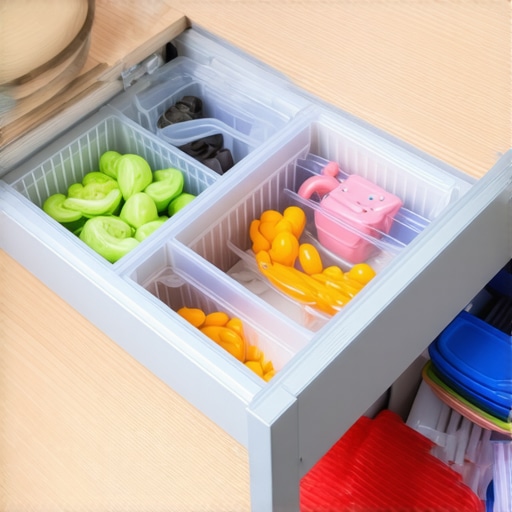
In my early days of storage experiments, I made a common mistake—believing that any divider would do the trick. I purchased a set based solely on reviews without considering their design or sturdiness. Naturally, they didn’t last, and the problem persisted. That’s why I emphasize the importance of investing in high-quality, purpose-built dividers that can handle the weight and movement of lids—and avoid the temptation to cut corners with cheap plastic. Now, let’s get into the practical steps to resolve the Tupperware lid crisis once and for all. Trust me, it’s easier than you think, and the results are worth it. Stay tuned for tips on selecting the best dividers and optimizing your drawer space to make your kitchen more functional and less frustrating. Start by assessing your drawer space and the number of lids you need to store. I recommend choosing purpose-built, sturdy drawer dividers designed specifically for lid organization—the difference in durability and stability is noticeable. Use adjustable or modular dividers to customize the compartments, preventing lids from shifting. In my experiment, I initially attempted to reuse old plastic containers, which quickly proved ineffective. Switching to solid, purpose-built dividers transformed my cluttered drawer into a tidy space, saving time during meal prep. Accurately measure your drawer dimensions and the size of your lids. Draw a simple sketch to visualize the layout, ensuring each compartment fits comfortably without overcrowding. Think of it like designing a cargo bay—every item needs a dedicated spot for optimal efficiency. I once measured hastily and ordered dividers that were too small, leading to constant rearranging. Taking precise measurements upfront pays off in creating a stable, organized system. Assign specific sections or colors to different lid sizes or types. This instantly makes finding the right lid faster and reduces the chance of mixing incompatible sizes. Use labels or colored inserts to accentuate this system. When I applied this method, I noticed how much quicker I could grab the correct lid—no more sifting through a jumble of mismatched pieces. For lids that stack well or are used less frequently, dedicate a separate compartment or a dedicated organizer. Consider using risers or stacking trays to keep them accessible yet out of the way. I once stuffed all lids into one big bin, which led to frustration every time I needed a specific size. Separating them by frequency of use streamlined the process and kept the drawer neater. Set a recurring reminder to tidy the drawer monthly. As your collection grows or shrinks, adapt the dividers accordingly—move compartments, add new sections, or eliminate unused spaces. My initial setup lasted only a few months before I noticed some lids no longer fit, prompting me to reconfigure the layout. Periodic maintenance ensures your system remains functional and prevents the chaos from creeping back in. If space is tight or lids are particularly unruly, consider adding vertical storage options like wall-mounted racks or hanging organizers. Think of it as extending your closet with clever extra space—sometimes, more vertical real estate means better organization. This approach was especially useful in my small kitchen, freeing up drawer space and making everything more accessible. For comprehensive ideas on optimizing your kitchen storage, check out this guide on transforming your kitchen. Many homeowners assume that installing more shelves or opting for trendy built-ins automatically results in an organized kitchen. However, the real nuance lies in understanding that not all storage solutions are created equal, nor are they suitable for every space or user. A common myth is that all custom cabinets or built-ins are costly and time-consuming, leading many to settle for off-the-shelf options that often lack functionality. In my experience, rushing into a remodel without analyzing how you actually use your kitchen can lead to wasted space and frustration. For example, relying solely on standard cabinetry often neglects the importance of tailored features like vertical dividers or hidden compartments, which can dramatically improve utility. Furthermore, many overlook the significance of integrating storage solutions seamlessly into your overall design—think about how a well-designed cabinet can add aesthetic value while doubling as a functional piece. One advanced mistake is ignoring the importance of proper joinery and material quality in custom cabinets. Without durable construction, your storage might look good initially but falter over time, especially in high-moisture areas. According to leading kitchen design experts, properly engineered cabinetry built with high-quality materials reduces sagging, warping, and the need for repairs, ultimately saving you money and preserving aesthetics. Additionally, there’s a trap in believing that built-ins are only for large kitchens; in reality, strategic planning can maximize even the smallest spaces, making them feel open and clutter-free. For those ready to upgrade, exploring the benefits of custom cabinets can be transformative. They allow you to tailor storage to your specific needs, from deep drawers for pots to pull-out trays for spices, enhancing efficiency and elegance. Remember, the goal isn’t just to fill space but to craft a harmonious environment that works with your lifestyle. So, before rushing into your next renovation, ask yourself: Are you addressing your unique needs or just following trends? Have you ever fallen into this trap? Let me know in the comments.Effective maintenance of your custom cabinets and built-ins ensures they stay beautiful and functional for years. I rely on specific tools like a high-quality cordless detail sander and microfiber cleaning cloths to handle routine touch-ups without damaging surfaces. For software, I use digital measurement apps to verify dimensions before each adjustment, preventing costly mistakes. Regularly inspecting hinges and hardware with a torque screwdriver helps me identify loose components early, avoiding bigger repairs down the line. Over time, I’ve found that establishing a routine—such as quarterly checks—keeps everything working smoothly and prevents buildup of dust or grime that can corrode hardware. Prediction-wise, I believe smart integration of maintenance sensors into cabinetry could become standard, alerting homeowners to wear or damage before it impacts performance. Implementing a simple schedule for periodic inspections and cleaning is key. Use a service like custom storage maintenance tips to stay proactive. Investing in durable tools like a precision screwdriver and a few quality lubricants means you’ll quickly address issues before they escalate. Remember, a well-maintained space not only lasts longer but also continues to look sleek and inviting. Regularly re-evaluate your setup—adding or removing modules as your needs change—keeps your kitchen efficient and clutter-free. With these practices, your storage system will serve you reliably for years, saving you time and money. For deeper insights into maintaining your built-ins, explore this comprehensive guide on built-in care. Don’t hesitate to try implementing a maintenance checklist this month—small efforts now will pay off with long-term satisfaction. One of the biggest realizations I had was that good storage isn’t just about more space—it’s about smarter design. I used to believe stacking lids or piling containers high was the solution, but that often led to more mess. The lightbulb moment was learning how purpose-built drawer dividers, tailored to my specific needs, could revolutionize my kitchen. Trust me, investing in quality storage solutions paid off far more than constantly reorganizing or buying new containers. Another lesson was measuring twice and purchasing once. I underestimated the importance of precise measurements, which resulted in ill-fitting dividers that didn’t solve the chaos. When I finally took my time with planning, everything fit beautifully, and I saved countless hours trying to fix mistakes later. It taught me that patience and proper planning are the backbone of a successful kitchen remodel. Lastly, I learned that maintenance is often overlooked. Regularly revisiting and reconfiguring my storage setup kept everything functional and stylish. I now see my kitchen storage as an evolving system that adapts to my lifestyle, not a one-time fix. Staying proactive ensures my organization remains a source of pride, not frustration. Remember, transforming your kitchen storage isn’t just about tidiness; it’s about creating a space that works seamlessly with your lifestyle. Don’t wait for chaos to hit a breaking point—small, intentional changes can make a huge difference. Embrace the process, invest in quality solutions, and watch your kitchen become a sanctuary of efficiency and beauty. Your future self will thank you for the effort you put in today. Ready to start your own storage upgrade journey? Share your thoughts or ask questions below—I’d love to hear about your projects and help you get inspired!Select the Right Divider System
Measure and Plan Your Workspace
Implement a Color-Coded System
Stack and Secure Excess Lids
Maintain and Adjust Over Time
Integrate Additional Storage Solutions
How do I maintain my storage solutions over time?
Secrets I Wish I Discovered Sooner About Kitchen Organization
My Go-To Resources for a Smarter Kitchen
Take the Leap Now—Your Kitchen Deserves It