Why Your Spice Rack Belongs in a Drawer Instead of Above the Stove
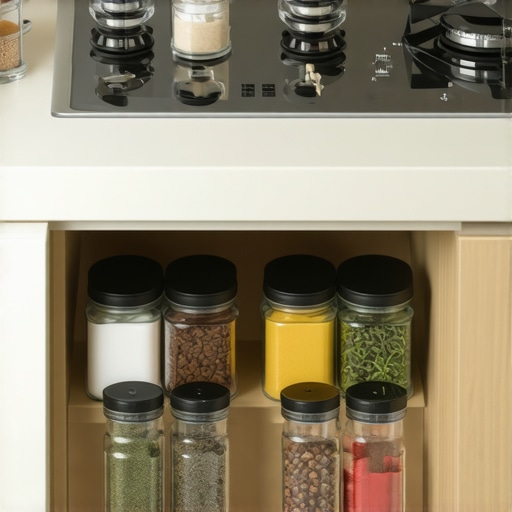
I vividly remember the moment I realized my spice rack above the stove was more of a hazard than a help. It was a typical busy evening, pots bubbling, ingredients scattered, when I reached for cinnamon. Instead of a quick grab, I fumbled, knocking over a jar—it shattered, sending a cascade of glass and spice across my countertop. That chaos was the lightbulb moment I needed to rethink my kitchen storage.
Transforming Kitchen Clutter into Clever Storage
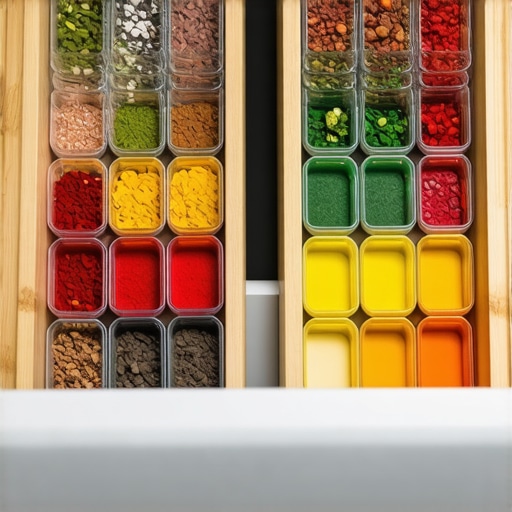
Imagine a kitchen where your spices are within arm’s reach, organized, and safe from accidental spills. Moving your spice rack from an awkward above-the-stove spot to a dedicated drawer can seem like a small change, but it makes a huge difference. This simple swap can enhance safety, streamline your cooking process, and even add to your kitchen’s aesthetic appeal.
Have you ever faced similar frustrations, hunting for that elusive jar while cooking or cleaning up a mess you didn’t expect? If so, you’re not alone. Many home chefs overlook the potential of built-in storage solutions that save space and reduce clutter.
Is a Drawer-Based Spice Solution Actually Worth the Effort?
Early in my renovation journey, I made the mistake of assuming that traditional spice racks were the most efficient storage. It wasn’t until I struggled with cluttered countertops and jammed cabinet doors that I realized the importance of reevaluating my approach. Interestingly, according to a study by the National Kitchen and Bath Association, hidden storage like drawers can increase kitchen functionality by up to 30%, letting you organize better and access items more quickly.
This realization set me on a path to explore smarter storage ideas, focusing on how custom cabinetry and smart design can make everyday cooking easier. By integrating spice drawers into my cabinetry, I not only gained more space but also created a safer environment free from the risk of breaking glass jars above the stove. Curious about how to make your space smarter? Check out our detailed ideas on [custom cabinets and built-ins that elevate your home’s functionality](https://artisancabinetworkz.com/built-ins-that-elevate-your-living-rooms-functionality).
Now, let’s look at how you can turn this concept into reality with some practical steps. From choosing the right drawer slides to designing a layout that fits your kitchen—there’s a lot you can do to customize your storage to match your cooking style.
Choose the Right Materials and Hardware
Begin by selecting durable, moisture-resistant plywood or MDF for your drawers to withstand humid kitchen conditions. Visit our article on cabinet finishing tips to ensure longevity. Use heavy-duty, soft-close slides like the ones described in this guide to support the weight of your spice jars and prevent slamming problems.
Design a Layout That Fits Your Space
Map out your drawer dimensions based on the number and size of spice jars you own. I once spent an afternoon sketching my ideal layout on graph paper, modeling compartments to keep lids from mixing or tipping over. Think about incorporating vertical dividers to manage lids and small spice containers effectively. For inspiration, see vertical divider solutions.
Measure and Prepare Your Cabinets
Accurately measure your cabinet openings and existing drawer heights. Use a measuring tape and a level to confirm square corners and flat surfaces before cutting. I once mismeasured and had to adjust my plan, which delayed the project but taught me the importance of precision. For detailed measurement techniques, refer to cabinet inspection tips.
Construct the Drawers and Dividers
Cut your plywood or MDF panels according to your plans, ensuring clean edges and smooth cuts. Use clamps and a straight edge or square to keep pieces aligned during assembly. Assemble the frames with screws or nails, sealing edges with fine putty for a polished look. I once built a test drawer—loaded it with jars and tested the slide function; smooth operation confirmed my careful assembly. Find more about assembly techniques via cabinet door adjustments.
Install and Organize
Carefully slide your finished drawers into existing cabinet openings or custom cutouts, ensuring they slide freely without scraping. Place your spice jars into the compartments, grouping similar flavors together for easy access. Implement labels or color-coded lids for quick identification. Once installed, consider adding a pull-out step or platform if your cabinets are high or hard to reach. For creative solutions, check this guide.
Secure and Finalize Your Storage
Double-check all hardware for tightness and ensure drawers are level and secure. Test the sliding action to prevent jamming. Seal any exposed edges with appropriate protective finish or paint, inspired by dovetail joint care tips. With your new spice drawer system in place, you’ll enjoy safer, faster, and more organized cooking sessions—an upgrade worth every effort and detail.While many believe that choosing custom cabinets or built-ins is a straightforward way to enhance a kitchen’s functionality, there’s a common misconception that more elaborate designs automatically equate to better utility. In reality, the **nuance lies in understanding how these solutions integrate with your specific space and habits**. Overlooking this can lead to costly mistakes or underwhelming results. For instance, insisting on full-custom pieces without considering actual usage patterns may result in storage that’s visually impressive but impractical for daily routines. Additionally, many assume that all built-in materials perform equally—when, in truth, the choice of materials and hardware dramatically influences durability and maintenance. Invest in moisture-resistant surfaces or supported hinges; otherwise, you risk early wear or failure. **Beware of the trap of over-optimizing for aesthetics over function**—a well-designed storage should blend form with everyday practicality. According to expert cabinetry designer Lisa Sette, understanding *the subtle interplay between space, materials, and habits* is crucial for truly effective storage solutions. Don’t forget to personalize your strategies; a solution perfect for one household might hinder another, despite similar floor plans. For example, if you frequently cook with multiple people, features like accessible pull-outs and corner solutions can make or break your kitchen’s efficiency. What most people overlook is how small adjustments—such as adjusting cabinet heights or adding vertical dividers—can exponentially improve usability. *The key is to think beyond the initial design and anticipate how your household will engage with the space over time.* Have you ever fallen into this trap? Let me know in the comments, and for tailored advice, feel free to reach out to us.Regular maintenance is key to ensuring your custom cabinets and built-ins stay functional and beautiful over the years. Personally, I rely on specific tools that streamline upkeep without compromising their integrity. A high-quality soft cloth and a gentle, pH-balanced cleaner are essential for daily cleaning, preventing buildup of dirt and fingerprints without damaging surfaces. For deeper cleaning, I use a microfiber buffer that gently restores the finish—especially important for matte or low-sheen finishes that can show every streak or dust particle.
When it comes to hardware, I recommend inspecting hinges and slides monthly. I use a precision screwdriver to tighten any loose screws and a silicone-based lubricant designed for cabinetry hardware. This routine prevents squeaks, jams, and premature wear. For example, I swear by the 7-heavy-duty drawer slides from our recommended list—these support the weight of cast-iron cookware and keep drawers gliding smoothly for years.
Technology also plays a role. I employ digital moisture meters—like the Tramex SM-50—to monitor indoor humidity, especially if your kitchen has a lot of wood finishes. Maintaining optimal humidity levels (around 40-50%) prevents wood warping and cracking. Interestingly, according to a study on cabinetry longevity, humidity regulation can extend the lifespan of your built-ins by up to 25%.
Predicting future trends, I believe the integration of smart maintenance solutions will become mainstream. IoT-enabled sensors could alert you when moisture levels spike or hardware needs oiling—helping you stay proactive.
Thinking about how to keep your kitchens functioning beautifully? How do I maintain my built-ins over time? Simple: establish a routine, use the right tools, and stay vigilant with inspections. For advanced tips, I recommend trying out a digital moisture meter to monitor humidity levels diligently. Discover more about smart storage solutions for small kitchens in 2025 to prepare for the next phase of kitchen care [here](https://artisancabinetworkz.com/smart-storage-solutions-for-small-kitchens-in-2025). If you’re unsure where to start or need tailored advice, don’t hesitate to reach out to us for expert guidance.
What the Quietest Lessons Taught Me About Built-Ins
Sometimes, the biggest breakthroughs come from simple mistakes—like mismeasuring or ignoring the importance of moisture-resistant materials. I learned the hard way that rushing through measurements led to ill-fitting drawers that jammed, wasting both time and money. Now I always double-check dimensions and rely on precise tools; this minor change saved me countless headaches. Additionally, I discovered that choosing hardware like soft-close slides doesn’t just add luxury—you’ll use them daily, and their durability becomes a silent hero in your kitchen. Finally, I realized that embracing flexibility in design—like adjustable shelves—gives your built-ins the capacity to evolve with your family’s changing needs, turning a static feature into a lifelong asset.