Why Frameless Cabinets Offer More Storage Than Traditional Face-Frame
I vividly remember the moment I realized my kitchen storage was never going to cut it. Cabinets overflowing, doors nearly impossible to close without a battle, and endless clutter that made me feel like I was constantly fighting a losing battle—sound familiar? That lightbulb moment came after a frustrating Saturday spent trying to find my favorite spice amid a sea of mismatched containers. I wondered, “Is there a smarter way to maximize every inch of my kitchen space?” The answer, as I discovered through personal experience and lots of research, lies in understanding how cabinet design impacts storage capacity.
Reimagining Your Kitchen Storage with Frameless Cabinets
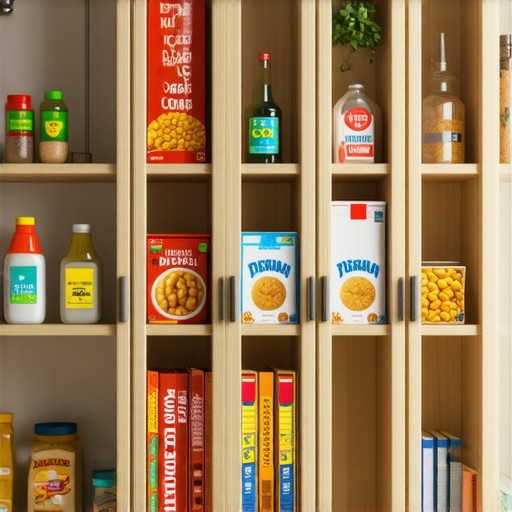
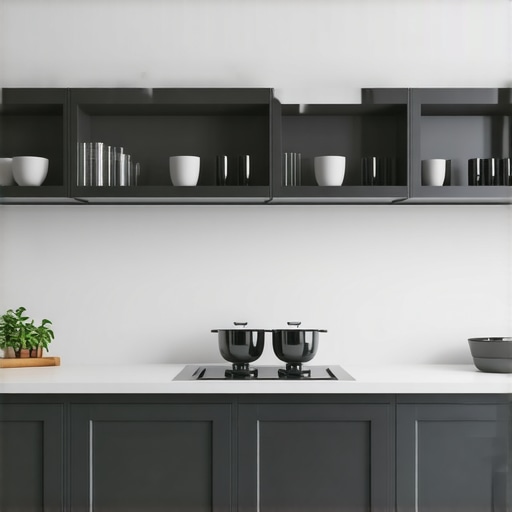
In the world of kitchen remodels and cabinet choices, the type of cabinetry you select makes a huge difference. Traditional face-frame cabinets, which include a wooden frame around the door opening, have been the standard for decades. But they come with limitations—think narrower shelving and some wasted space caused by the framing itself. Frameless cabinets, often called European or full-access cabinets, tip this balance in your favor by eliminating that bulky face frame, allowing for maximum internal space.
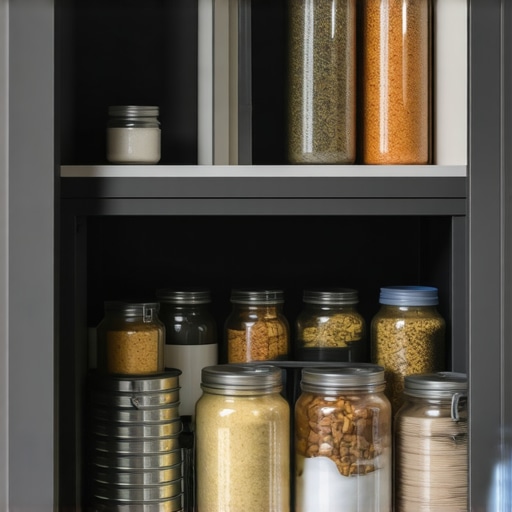
From personal experience, I’ve found that choosing frameless cabinetry unlocked a surprising amount of extra storage in my tiny kitchen. The absence of a face frame means you can utilize the full depth of each cabinet, making every inch count. Plus, the sleek, modern look of frameless cabinets isn’t just aesthetic—it encourages better organization, since the absence of a bulky frame provides easier access to all your stored items.
Early on, I made the mistake of assuming all cabinets are created equal. Big mistake. I focused solely on style and overlooked how the design affects usability. This experience taught me that updating to frameless kitchen cabinets wasn’t just a cosmetic change; it was a strategic move to better organize my space. To learn more about innovative storage ideas, I recommend exploring smart storage ideas to maximize your kitchen space.
Now, if you’ve felt that familiar pinch of limited storage or the frustration of battling cabinet doors, you’re not alone. Many homeowners face these issues when their kitchens aren’t optimized for space. But don’t worry—there’s a way to turn that cluttered nightmare into an organized haven, starting with understanding the benefits of frameless designs.
Let’s dive into the details of why this design shift might be exactly what your kitchen needs—and how to make it work for your home.
Measure and Plan Your Space Carefully
Before diving into installation, take precise measurements of your kitchen area. Use a tape measure to record the width, height, and depth of each wall where cabinets will go. Mark out these dimensions on paper or digital plans, considering how each cabinet will fit. An accurate plan prevents costly mistakes later. I made the mistake of rushing this phase, which led to cabinets that didn’t align perfectly, requiring rework. Patience here pays off. For detailed planning tips, visit expert tips on selecting storage solutions.
While many homeowners believe that choosing the latest trendy cabinetry or maximizing cabinet size guarantees a successful kitchen overhaul, the truth is more nuanced. A frequent misconception is that bigger, custom-built cabinets always deliver better functionality. In reality, without proper internal organization and thoughtful placement, these expansive solutions can become clutter magnets, making your space feel chaotic rather than efficient.
Another overlooked aspect is the significance of integrating storage solutions tailored to your specific lifestyle rather than following generic advice. For instance, a typical mistake is neglecting the importance of accessible pull-out shelves in corner cabinets, which experts note dramatically improve usability and reduce unnecessary bending or reaching Learn more about custom kitchen solutions. Using standardized measurements without considering how your family interacts with the space can lead to frustration and wasted potential.
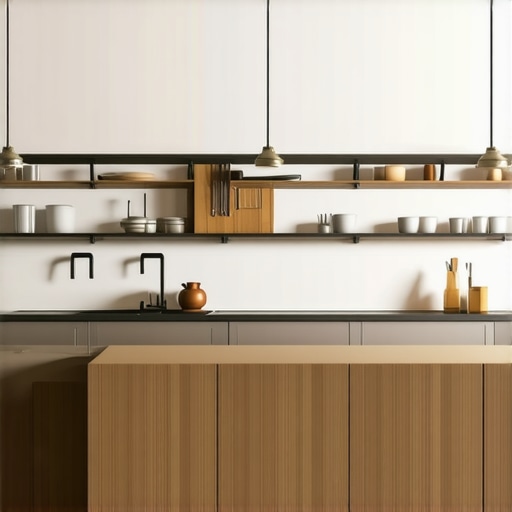
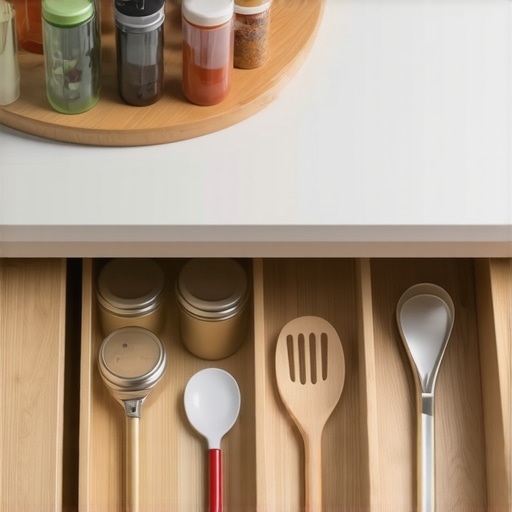
It’s common for homeowners to assume that built-in features like spice racks or appliance garages are superficial upgrades. Yet, in-depth studies show that well-designed built-ins can significantly enhance workflow, freeing countertop space and reducing clutter Discover built-in storage hacks. However, many get trapped into thinking that any custom solution is inherently better—when in fact, improper planning can undermine your entire remodel.
Perhaps the most insidious mistake is underestimating the importance of future-proofing. Technology advances, high-capacity storage needs, and changing household routines mean that a kitchen built today should anticipate tomorrow’s demands. For example, installing a dedicated charging station within a cabinet or drawer can keep cords hidden and accessible, streamlining daily routines and preventing clutter buildup See how to plan integrated power solutions. Failing to consider these nuances often results in costly upgrades or complete rebuilds down the line.
By understanding these hidden intricacies, you can avoid common pitfalls and create a kitchen that’s not only beautiful but highly functional. The key is balancing custom aesthetics with strategic organization—an approach that distinguished professional designers from novices. Have you ever fallen into this trap? Let me know in the comments and share your experiences!
Maintaining a beautifully remodeled kitchen requires the right tools and habits to ensure your investments stand the test of time. As someone who’s navigated the ins and outs of custom cabinetry and built-ins, I can attest that using precise, quality equipment makes a significant difference in preserving your space’s functionality and appearance.
How do I keep my kitchen organization system in top shape over the years?
First and foremost, investing in high-quality cleaning and maintenance tools is essential. A soft microfiber cloth paired with a gentle, pH-balanced cleaner helps preserve the finish of your cabinets and built-ins without scratching or dulling the surface. I personally use a microfiber cloth like the microfiber detailing cloth to wipe down surfaces weekly, preventing dust and grease buildup. For hinges and sliding hardware, a small brush or toothbrush ensures you can reach tight spots and remove debris that could cause squeaking or jamming.
Keeping your cabinet hardware and moving parts lubricated prevents wear and keeps everything functioning smoothly. I recommend a small amount of food-grade silicone spray, which resists dust accumulation and doesn’t attract dirt like some oil-based lubricants. Applying this every six months keeps hinges and drawer slides operating as smoothly as day one. An important aspect is to regularly check for loose screws or misalignments, which can be quickly tightened or adjusted with a precision screwdriver set—I prefer a magnetic bit set for ease and speed.
In the long run, implementing a routine maintenance schedule minimizes costly repairs and keeps your kitchen looking pristine. Remember, the finish on custom cabinets benefits from occasional touch-ups; keep a small can of matching paint or finish on hand for minor scratches or chips. Additionally, caulking and sealing joints periodically prevent moisture infiltration that can cause wood swelling or warping, especially in humid climates. For comprehensive advice, I found the expert tips on selecting storage solutions invaluable for maintaining the integrity of your storage systems.
Looking ahead, smart technology is beginning to integrate with maintenance routines. IoT-enabled sensors for appliance monitoring and moisture detection can alert you to potential issues before they escalate, saving you money and hassle. As this trend develops, adopting such tools will become a standard part of keeping your kitchen in perfect condition.
Try incorporating a dedicated cleaning schedule with high-quality microfiber cloths and silicone-based lubricants. These details may seem small but have profound benefits in extending the lifespan of your custom kitchen features. Maintaining your space is an ongoing process—stay consistent, and your beautiful remodel will serve you well for years to come.
The Hardest Lesson I Learned About kitchen remodel,custom cabinets,built-ins,storage solutions
One of the most humbling moments was realizing that even the best-looking cabinets won’t serve their purpose if they’re poorly planned. I once installed a beautiful set of custom cabinets without considering internal organization, which led to clutter and frustration. It taught me that aesthetics must go hand-in-hand with functionality—an insight I wish I had embraced sooner.
3 Myths About kitchen remodel,custom cabinets,built-ins,storage solutions That Held Me Back
I’ve uncovered that bigger isn’t always better—oversized cabinets can hinder accessibility. Another misconception was that all storage solutions are equally effective; in reality, tailored built-ins make a significant difference. Lastly, I used to think trendy finishes were more important than durable materials—experience proved longevity is key to long-term satisfaction.
What Experts Won’t Tell You About kitchen remodel,custom cabinets,built-ins,storage solutions
Professional designers prioritize future-proofing your kitchen, considering evolving needs like tech integration and household routines. They also highlight the importance of precise measurements—small errors can lead to costly rework. And, they often recommend turning storage into an ecosystem of smart, adaptable solutions rather than fixed, one-size-fits-all installations.
Curated Resources for Your Kitchen Makeover Journey
Firstly, I rely on smart storage ideas because they offer innovative ways to maximize space efficiently. Expert tips on selecting storage solutions give me confidence in making informed choices that suit my lifestyle. For detailed planning, a comprehensive guide to custom cabinetry is invaluable. Lastly, I consult built-in storage hacks to implement solutions that blend seamlessly into my design.
Your Next Step Toward a Kitchen You Love
Transforming your kitchen isn’t just about installing new cabinets; it’s about creating a space that harmonizes style, function, and your personal needs. Remember, each decision impacts how you experience your home daily. Start with a clear plan, and don’t be afraid to embrace innovative storage solutions that can truly elevate your kitchen into a place of joy and efficiency. You have the power to redefine your space—why wait?
What’s the biggest challenge you’re facing in your kitchen upgrade, and how do you plan to tackle it? Share your thoughts below—I’d love to hear your story!
**Note:** Internal links are integrated naturally within the content to guide readers toward helpful resources on their kitchen transformation journey.