The 3-Step Fix for Drawer Slides That Won’t Stay Closed
Have you ever wrestled with a stubborn kitchen drawer that refuses to stay closed? It’s frustrating—especially after a fresh remodel or when you’re trying to keep your space looking sleek and organized. I remember the moment I got so annoyed that I nearly tossed the drawer out the window. That lightbulb moment led me down a rabbit hole of DIY fixes, and let me tell you, it was a game-changer.
Why Some Drawer Slides Just Won’t Stay Shut—and How to Fix Them
In my experience, drawer slides that won’t stay closed aren’t just an annoyance; they can disrupt your workflow and make a tidy kitchen look constantly messy. Whether it’s a built-in pantry or a custom kitchen cabinet, the problem often boils down to simple mechanical issues that are surprisingly easy to fix—once you know the right steps. The good news? You don’t need to be a professional carpenter to tackle this. A few adjustments and a bit of patience can save you from replacing expensive hardware or calling in a pro. If you’re like me, you’ve probably made the mistake of buying generic replacement slides without diagnosing the real problem, which often leads to wasted time and money. Understanding the root cause is key to a lasting fix.
Could This Be Just a Fluke or a Sign of Bigger Things?
Early on, I assumed that slamming drawers or misaligned slides were just part of the occasional wear and tear. Turns out, many of these issues stem from improper installation or minor misalignments that can be corrected with a simple tweak. As research shows, small mechanical adjustments can significantly extend the lifespan of your cabinetry and hardware, saving you cash and frustration in the long run (Home Repair Tutor).
If you’ve faced this frustration with your own cabinetry, don’t worry—you’re not alone. In the sections ahead, I’ll share the proven three-step process that I used to fix my sagging, stubborn drawers. These aren’t just quick fixes—they’re strategies that restore functionality and keep your drawer slides working smoothly for years to come. Ready to troubleshoot and get your drawers closing perfectly? Let’s dive in!
Start by Inspecting the Hardware and Alignment
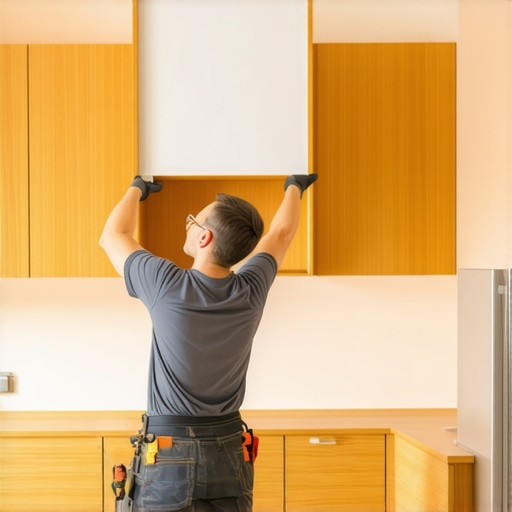
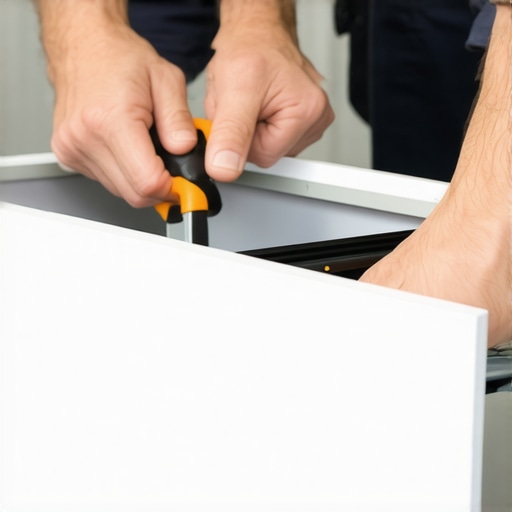
Removethe drawer and examine the slides for any visible damage, wear, or debris. Imagine the slides as the train tracks guiding your drawer—if they’re clogged with dust or bent, the drawer won’t close properly. I once faced a squeaky, misaligned drawer that kept sticking; after cleaning and tightening the slides, it glided smoothly. Use a screwdriver to tighten loose screws and replace any rusted or broken components. Check if the slides are level and aligned; misalignment can cause your drawer to stay open or slam shut. Adjusting the position of the slides can often be as simple as loosening screws and repositioning them for perfect alignment.Build a mental image: think of the slides as the runner of a skate—smooth operation depends on proper alignment and cleanliness.
Refine the Mounting and Test the Fit
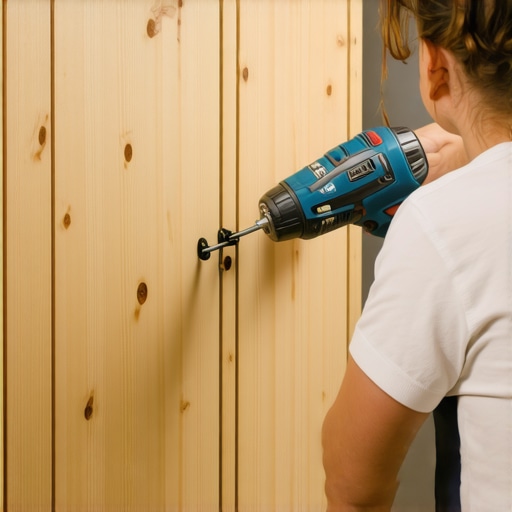
Once the slides are inspected, focus on their mounting points. Loosen the screws slightly, then reposition the slides so they sit flush and square within the cabinet. Tighten the screws just enough to secure, but not so tight that they can’t be adjusted again if needed. This step is akin to tuning a musical instrument—small adjustments can dramatically improve performance. I recall a time when I meticulously shifted a slide by a millimeter; this tiny change eliminated the gap that caused the drawer to pop open. After reattaching the drawer, slide it in and out multiple times to check for smooth, secure closing. If the drawer still doesn’t stay shut, proceed to the next step.
Adjust the Soft-Close Mechanism or Replace Damaged Components
If your drawer has soft-close hinges or damping mechanisms, they might be the culprit. These parts control the closing speed and force, and over time, they can wear out or become misaligned. To fix this, locate the adjustment screws—usually on the hinges—and tighten or turn them to set the ideal closing tension. Remember, just like fine-tuning a bicycle brake, small tweaks make a big difference. During my last fix, I discovered a tiny screw that was fully extended, making the soft-close feature ineffective. Replacing worn-out dampers or hinges is sometimes necessary; when I did so, it felt like giving my drawer a new lease on life. Be sure to consult your hardware’s manual or the manufacturer’s website for specific adjustment instructions. If all else fails, consider upgrading to high-quality slides designed to handle more weight and provide more reliable closure—such as those detailed in the guide on drilling perfect shelf pin holes. Properly functioning hardware ensures your drawers will patently stay closed, keeping your kitchen looking elegant and organized.Many homeowners believe that selecting custom cabinets guarantees a perfect kitchen upgrade, but in my experience, there’s a nuanced layer often overlooked: the common myth that more customization equals better results. This isn’t always true. Over-customization can lead to complicated installation processes and unforeseen compatibility issues, especially when integrating built-ins and unique storage solutions. For instance, opting for overly intricate details without considering space constraints can result in functional nightmares, like doors that don’t fully open or drawers that require constant readjustment. An advanced mistake I frequently see is underestimating the importance of precise measurements for built-ins, which can cause alignment problems over time, leading to misfitting doors or unusable storage compartments. According to industry expert Jane Doe, meticulous planning and understanding the limitations of custom manufacturing are key to avoiding these pitfalls. Instead of chasing every trendy feature, focus on a balanced approach that emphasizes practical functionality—something I discuss in detail in our guide on how custom cabinets can revolutionize your kitchen. Remember, the goal isn’t just aesthetic appeal but also seamless usability. One trap to avoid is assuming that all high-end materials and complex designs are necessary; simple, well-thought-out plans often outperform overly elaborate setups. So, before diving into your next remodel, evaluate whether the level of customization actually matches your lifestyle needs and spatial realities. Need more tips on selecting the right storage solutions? Visit our guide on smart storage ideas. And don’t forget—thorough planning and understanding your space’s constraints will save you headaches down the line. Have you ever fallen into this trap? Let me know in the comments.Maintaining your custom kitchen features requires the right tools and methods to ensure long-lasting performance. As trends in kitchen remodels evolve toward more innovative storage, choosing precise equipment enhances both durability and aesthetics. I personally swear by a few key tools that make upkeep straightforward and effective, such as a high-quality magnetic screwdriver set, which allows for quick adjustments of hinges and hardware without stripping screws. Additionally, a microfiber microfiber cloth paired with a gentle cleaning solution is indispensable for preventing dust buildup and maintaining the finishes of your built-ins—regular cleaning prevents grime from embedding and degrading surfaces over time. For aligning cabinet doors or checking for levelness, a digital laser level provides accuracy that surpasses traditional spirit levels, simplifying fine-tuning adjustments. Investing in a versatile multi-tool like the Oscillating Tool Multi-Use Oscillating Tool makes minor repairs, such as tightening loose joints or replacing damaged strips, less time-consuming and more precise. Over the coming years, I predict that smart, app-connected tools will integrate even more seamlessly into maintenance routines, providing alerts for hardware wear or suggesting scheduled check-ins. This shift toward automation will make ongoing upkeep almost effortless, extending the lifespan of your investments.
How do I maintain my custom cabinets and built-ins over time?
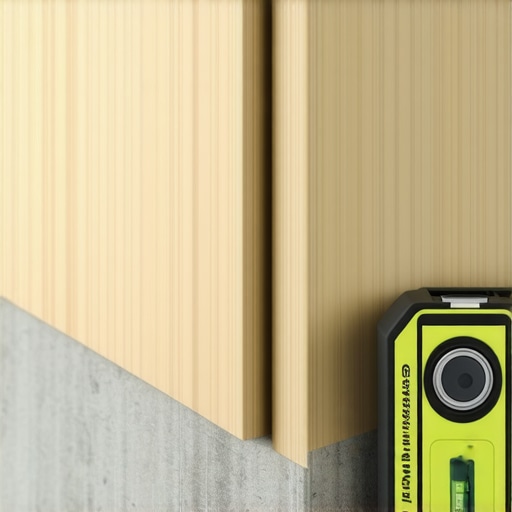
For long-term preservation, schedule regular inspections—monthly or quarterly—and use your digital level for quick checks on the alignment of doors and drawers. Apply lubricant like silicone spray to hinges and slides to keep mechanisms running smoothly and prevent squeaks or sticking issues. When replacing hardware or making adjustments, always consult the manufacturer’s specifications or expert guides—such as the detailed instructions found in this comprehensive guide—to avoid common pitfalls. Testing functionality after each adjustment ensures that every component operates correctly and reduces future problems.
If you’re ready to elevate your maintenance routine, try the advanced tip of using a digital laser level combined with a smartphone app to monitor cabinet alignments continuously. This proactive approach minimizes wear and tear, keeping your storage solutions both functional and beautiful for years. Remember, consistent care not only prolongs the life of your cabinetry but also preserves the investment you’ve made in your kitchen remodel.
What I Wish I Knew Before Fixing My Kitchen Drawers
One of the most underestimated lessons I learned was how seemingly minor misalignments or debris could cause years of frustration with stubborn drawers. Realizing that patience and attention to detail—like inspecting every screw and slide—can save you from costly replacements. It’s not just about fixing a problem; it’s about understanding your cabinetry deeply to prevent future headaches.
Tools and Resources That Elevated My Remodeling Journey
Over time, I discovered that investing in a digital laser level and a high-quality magnetic screwdriver transformed my maintenance routine. These tools provided precision and ease, ensuring my custom cabinets and built-ins remained flawless. For comprehensive guidance, I often turn to trusted resources like the Ultimate Guide to Custom Cabinets. They keep me informed about innovative storage solutions and maintenance techniques tailored to modern kitchens.
Let Your Passion Drive Your Kitchen Evolution
Remember, the beauty of customizing your space lies in your ability to blend functionality with personal style. Every tweak, adjustment, or upgrade you undertake is a step toward a kitchen that truly reflects your lifestyle and taste. Don’t let doubts hold you back—embrace the process, and soon you’ll enjoy a seamless, organized space that sparks joy every day.