Why Pocket Screws Aren’t Enough for Heavy Pantry Frame Support
There was a moment in my recent kitchen remodel when I realized my trusty pocket screw method just wasn’t enough to hold up the heavy pantry frames I envisioned. I had carefully assembled everything, feeling pretty confident about my technique, only to find the shelves sagging under the weight within a few weeks. That lightbulb moment made me question everything I thought I knew about cabinet support. If you’ve ever faced a similar frustration, you’re not alone. Maybe you’ve relied on those popular pocket screws for your built-ins, only to watch them struggle with heavier loads over time. Well, I’m here to tell you: there’s a better way. Today, we’re diving into the real story behind heavy-duty support in kitchen storage—because your pantry deserves more than just basic joints.
Don’t Let Your Support System Fail When It Matters Most
The truth is, pocket screws are fantastic for quick, area-specific furniture, but they weren’t designed to handle the kind of weight a loaded pantry demands. My early mistake? I assumed that since pocket screws held up well for small repairs and light cabinetry, they’d be sufficient for larger, heavier frames. Spoiler alert: they aren’t. According to woodworking expert artisancabinetworkz.com, relying solely on pocket screws for heavy load-bearing structures can lead to warping, sagging, or even catastrophic failure over time. Recognizing this, I had to take a step back and rethink my approach—because your storage solutions should be durable, safe, and built to last.
Is Relying on Pocket Screws Actually Worth the Risk?
One of my biggest pitfalls was thinking that their simplicity made them the ideal choice for everything. Early on, I overlooked the importance of using proper framing techniques for heavy panels. It wasn’t until I experienced shelves giving way under the weight that I realized lighter solutions aren’t always better. The mistake? I focused on quick assembly rather than structural integrity. If you’re curious whether your project is at risk, consider how much weight your shelves will carry—when in doubt, stronger methods pay off in the long run.
Now that I’ve learned this lesson the hard way, I want to share practical solutions that ensure your pantry frames—heavy or light—stay sturdy for years. If you’re ready to upgrade your approach and prevent sagging before it happens, keep reading. We’ll explore the key techniques and materials I wish I knew from the start, so you can build with confidence and peace of mind.
,
Start with a Solid Framing Foundation
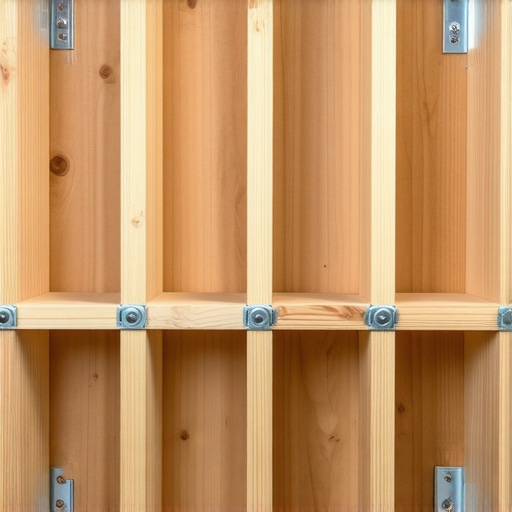
During my recent remodel, I replaced my initial weak support with robust framing. I used 2×4 or 2×6 lumber, depending on the load, to create a frame that could handle heavy pantry shelves. I measured carefully, ensuring all vertical and horizontal members were perfectly aligned. To prevent warping, I glued and screwed the frame together, securing it firmly to the wall studs. This foundation acts as the backbone for your entire support system, distributing weight evenly and preventing sagging over time. Think of it like building a strong skeleton before attaching the muscles—quality framing makes all the difference.
Maximize Wall Engagement with Proper Anchoring
Engaging wall studs is crucial. I used a stud finder to locate framing in the wall, marking their positions clearly. For heavy supports, I attached cleats or mounting strips directly into these studs using long wood screws. This ensures the load is transferred directly to the wall’s structural elements rather than relying solely on drywall anchors, which can fail under heavy weight. By anchoring into studs, I avoided sagging and pulled the support into the wall for added rigidity. Remember, attaching to **every** available stud guarantees maximum support—think of it like hanging a heavy picture on multiple nails instead of one.
Use Heavy-Duty Brackets and Reinforcements
In my project, I installed L-brackets on each corner of the framing, securing the support to both the wall and horizontal shelves. Heavy-duty steel brackets rated for significant weight made a noticeable difference. I also added metal cleats underneath shelves to provide additional support and prevent bending. For particularly heavy or long spans, I secured intermediate braces spaced every 24 inches. This prevents lateral movement and shelf sagging under load. These reinforcements act like the scaffolding that stabilizes a skyscraper—necessary when durability matters most.
Implement Adjustable Supports for Fine-Tuning
To achieve perfect alignment and level shelves, I installed adjustable pedestals or metal shims. These allow you to fine-tune the height and levelness after installation, compensating for minor wall imperfections. I remember initially installing a shelf that was slightly tilted; using these supports, I adjusted it precisely, ensuring the load distributed evenly. It’s similar to leveling a picture frame—small adjustments in support can make your entire project look professional and prevent future stress points.
Consider Down-the-Line Reinforcements
Finally, I added cross braces or diagonal supports spanning the frame to prevent racking. This cross-bracing stabilizes the entire structure, especially if the support area is large or if the shelves will carry particularly heavy items. For heavy pantry setups, I also recommend using reinforced fasteners or lag bolts instead of standard screws, as they provide superior holding power. Think of these reinforcements as the ribs of a car chassis—ensuring everything remains square and solid under pressure.
Applying these concrete steps transformed my support system from flimsy to formidable. Every piece works in harmony to prevent sagging and prolong the life of your built-ins, just like a well-engineered bridge withstands heavy traffic day after day. Remember, the secret lies in anchoring into studs, reinforcing with steel brackets, and adding adjustable supports for precision. When you take these steps, your heavy pantry shelves are built to last—no more sagging or creaking with loaded weight.
When tackling a kitchen remodel, many homeowners fall prey to misconceptions that can jeopardize the project’s success. One widespread myth is that installing generic, off-the-shelf cabinets will always save money and time. In reality, these often lead to higher long-term costs due to poor fit, lack of customization, and limited functionality. Embracing custom cabinets tailored to your space can offer superior quality and efficiency, preventing costly upgrades later.
A lesser-known nuance is the importance of understanding building codes and load capacities for built-in storage solutions. Many overlook the critical requirement of reinforcing wall studs and ensuring proper anchoring, which can cause shelves or cabinets to sag or detach over time. Implementing advanced support techniques—like secure stud engagement and steel reinforcements—can dramatically extend the lifespan of your installations, a fact often underestimated by DIY enthusiasts.
Have you ever fallen into this trap? Let me know in the comments.
### Why Do So Many Miss Critical Support Details?
A common oversight is underestimating the load-bearing requirements of kitchen storage. For example, a beautiful but unsupported island may look stunning but could wobble or collapse if the underlying support isn’t adequate. According to expert insights, proper framing with load-calculations tailored to your specific use is essential to avoid costly repairs or redesigns. This is especially true for heavy appliances or bulk storage.
### Debunking the Overemphasis on Aesthetics
While visual appeal is often prioritized, overemphasizing aesthetics without considering functionality can lead to impractical layouts. For instance, having a beautiful, seamless built-in with limited access or poor ergonomics can negate the benefits of style. It’s a common mistake to choose design features that look good in the showroom but underperform in daily use. Integrating built-in storage solutions that balance form and function results in a kitchen that is both stunning and highly functional.
### The Power of Advanced Customization for Storage
Many underestimate the impact of nuanced customization—such as adjustable shelves, specialty compartments, and smart organization systems—on overall usability. Standard solutions rarely meet everyone’s needs, especially in complex kitchens with diverse appliances and tools. Experts recommend investing in these details upfront, which can save significant time and frustration later. Exploring innovative storage strategies can reveal options that maximize space and accessibility.
In summary, while the basic principles of kitchen remodeling are well known, mastering the hidden nuances—like reinforcing structures, balancing aesthetics with practicality, and investing in tailored customization—distinguishes an average project from a truly exceptional one. Don’t forget: understanding these details can salvage your budget, enhance durability, and elevate your home’s style. Ready to avoid common pitfalls? Dive deeper into modern kitchen upgrades and ensure your remodel stands the test of time.
Invest in Precision Tools for Longevity
Achieving durable kitchen support systems begins with the right equipment. I personally rely on a high-accuracy laser level such as the Bosch GLL3-330CG to ensure that shelves and supports are perfectly aligned. This tool reduces the risk of uneven loads causing sagging over time, which is crucial for long-term stability. Additionally, I recommend a digital stud finder like the Zircon MetalliScanner m40, which helps locate hidden wall framing with precision, ensuring your anchors are secured into the structural elements and not just drywall. These tools elevate the quality of your craftsmanship and save you headaches down the line.
Prioritize Quality Hardware and Reinforcements
When it comes to fasteners, I opt for stainless steel lag bolts and heavy-duty steel brackets rated for at least 150 pounds. These materials prevent corrosion and provide the extra strength needed to support heavy pantry loads. As supported by industry recommendations, investing in high-grade hardware not only enhances safety but also extends the lifespan of your cabinetry and support frames. Reinforcements like metal cross braces and steel cleats, especially in long or heavy spans, act like the backbone of your support system, preventing racking and sagging.
Implement Routine Maintenance Checks
Maintaining your kitchen supports isn’t a one-and-done task. I schedule quarterly inspections to tighten hardware, check for signs of wear or loosening, and verify shelf alignment using my laser level. Over time, environmental factors like humidity can cause wood to swell or shrink, impacting support integrity. Regularly applying a protective wood finish or sealant, like Rubio Monocoat, guards against moisture damage and preserves structural cohesion. Remember, proactive upkeep prevents costly repairs and keeps your support system functioning flawlessly for years.
Use Advanced Software to Plan Support Layouts
In complex projects, I utilize CAD software such as SketchUp to simulate load distribution and support placement before actual assembly. This approach allows me to visualize potential stress points and optimize reinforcement strategies. As automation in home improvement evolves, integrating digital planning tools will become standard practice, making support systems more reliable and tailored to specific load requirements. Embracing technology now positions your remodel for future scalability and durability.
How do I maintain my support structures over time?
The key is consistency. Regular inspections, tightening hardware, and updating your tools—like replacing worn screwdrivers with high-quality ratchets such as the WIHA SoftFinish—are vital. Incorporate periodic assessments of load weights and adjust supports accordingly. This proactive approach ensures your custom cabinetry and built-ins remain sturdy, preventing sagging, warping, or failure. Start by scheduling a maintenance log and always use tools rated for high-stress applications, ensuring your kitchen’s support system stays as reliable as the day it was built.
As support technology advances, I anticipate seeing more integrated sensors embedded in cabinetry that monitor weight and structural health, alerting homeowners before issues develop. This trend toward smart maintenance could revolutionize how we preserve our kitchen investments.
If you’re ready to elevate your support game, try incorporating a laser level combined with detailed load planning software for your next project. It’s an investment that pays off through increased durability and peace of mind.
For further insights on the latest support innovations, check out this resource and get started on building support systems that last.
What I Wish I Knew Before Relying Solely on Pocket Screws
One of the biggest lessons I learned was that quick fixes like pocket screws are tempting but often insufficient for heavy pantry supports. I underestimated the load my shelves would carry, leading to sagging over time. This taught me to prioritize structural integrity over convenience, especially when dealing with built-ins that need to last a lifetime.
Why Proper Framing Transforms Your Storage Durability
Creating a solid frame using 2×4 or 2×6 lumber might seem like extra work but pays off immensely. It distributes weight evenly and provides a sturdy backbone for your shelves. I realized that investing time in quality framing prevents costly repairs down the line and keeps your pantry looking pristine for years.
How To Anchor Into Wall Studs Like a Pro
Locating and securely attaching support structures directly into wall studs is essential. I recommend using a reliable stud finder and long screws to ensure your support doesn’t rely on drywall alone, which can fail under heavy loads. This deliberate anchoring is what separates a temporary fix from a permanent solution.
The Power of Reinforcements and Metal Brackets
Heavy-duty steel brackets and cross braces add a layer of reassurance. I incorporated these into my design, and the difference was night and day. Not only do they prevent racking and wobbling, but they also make the entire structure feel rock-solid. Think of them as the unsung heroes of kitchen support systems.
Embracing Fine-Tuning and Adjustability
Using adjustable supports like metal shims or pedestals allows for perfect leveling—even on uneven floors. I found that small tweaks upfront save headaches later. It’s worth investing in tools like laser levels for precise placement, ensuring shelves remain level under weight and over time.
Additional Reinforcements That Elevate Your Build
Diagonal braces and reinforced fasteners, like lag bolts, make a significant difference in the longevity of your shelves. I learned that these optional touches create a resilient infrastructure capable of handling unexpected weight and stress, making your built-ins truly built to last.
Personal Reflections on Building for Longevity
If I had to do it all over again, I’d focus more on anchoring into sturdy framing from the start instead of trying to patch things up later. The bigger lesson? Structural support isn’t a place for shortcuts. When you put in the effort initially, your support system becomes a silent workhorse that keeps your kitchen functional for years.
Curated Resources for Heavy-Duty Support Triumphs
My trusted tools include a Bosch GLL3-330CG laser level for perfect alignment and a Zircon MetalliScanner for locating hidden studs—these make precision straightforward. For hardware, I prefer steel lag bolts and heavy-duty brackets from brands like Simpson Strong-Tie, known for their durability. Finally, reading industry insights from experts on optimal support methods has been invaluable in refining my approach. These resources empower you to build confidently.
Your Turn to Prioritize Support, Not Just Style
Remember, investing in sturdy support systems for your kitchen storage isn’t just about avoiding sagging; it’s about creating a space that endures daily use with grace. When you combine proper framing, stud anchoring, and reinforced brackets, your built-ins transform from temporary fixes to lifelong assets. Ready to elevate your kitchen with support that lasts? Dive into the process, and trust that your future self will thank you.