How to Spot Poor Joinery in Custom Cabinets Before You Buy
I remember the first time I invested in custom cabinets for my kitchen. Excited and eager, I placed my trust in a local carpenter whose photos looked promising. But after installation, I noticed tiny gaps and uneven edges that made me wonder—how did I miss this during the preview? That lightbulb moment made me realize how crucial it is to scrutinize joinery before completing your purchase.
Why Poor Joinery Can Sink Your Dream Kitchen
When it comes to custom cabinets, the quality of joinery isn’t just about aesthetics—it’s about durability, functionality, and long-term satisfaction. Poorly executed joints can lead to doors that don’t close properly, drawers that jam, or even eventual structural failure. Early mistakes, like neglecting to inspect how cabinet sides connect or overlooking the tightness of corner joints, can cost you time, money, and frustration down the line.
Research shows that subpar craftsmanship in cabinetry can reduce the lifespan of your kitchen fixtures significantly. In fact, a survey highlighted that issues stemming from joint failures are among the top complaints homeowners face within the first five years of installation.
Have you ever bought cabinets only to find screws loose or the edges visibly uneven? If so, you’re not alone. I’ve been there, and I know how tempting it is to focus on the style and finish while giving the mechanical details a pass. But those assembly details are telling indicators of the overall quality.
Want to avoid the pitfalls I encountered? Today, we’ll explore practical ways to identify poor joinery, so you can make a confident, informed decision before signing on the dotted line.
Is Spotting Flaws in Joinery Worth Your Time?
Early on, I made the mistake of skipping a close-up inspection of the joints, assuming that the aesthetic finish would hide any flaws. Turned out, that was a mistake—I wish I had paid more attention to the **craftsmanship behind the scenes**. Learning to spot telltale signs of bad joinery is essential, and it’s easier than you might think. Recognizing these issues can be the difference between a kitchen that lasts and one you’ll regret. Want some expert tips to help you spot these flaws? Keep reading.
Inspect Joint Quality in Person
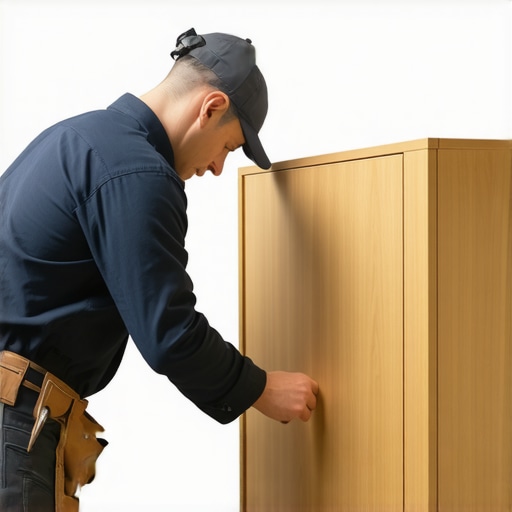
Before confirming any purchase, lay eyes directly on the cabinet joints. Stand close and look for visible gaps, cracks, or misalignments. For example, during my recent kitchen upgrade, I scheduled a visit to the workshop. I asked to see the assembled cabinets and scrutinized the corner joints, which revealed slight unevenness—a sign of rushed craftsmanship that I avoided. This simple step saved me from future headaches and costly repairs.
Assess Tightness and Alignment
Gently press along the joints to test their firmness. Well-constructed joints shouldn’t wiggle or shift. During my review, I used a small level to check if the cabinet faces and doors were perfectly aligned. When I discovered slight misalignments, I knew the cabinet maker might rush assembly, prompting me to negotiate for better craftsmanship or look elsewhere. Remember, tight joints contribute to both longevity and the clean look of your cabinets. If you’re unsure, bring a small square or level to see if everything sits flush.
Scan for Visible Imperfections
Use a bright light to highlight irregularities. Hold the light at different angles to catch flaws like tiny gaps or chipped edges. I once inspected a sample after it had been stacked in a warehouse, revealing tiny cracks I hadn’t noticed before. Spotting these early allowed me to request a replacement or repair, which was worth the extra effort. If the joints show inconsistent glue lines or chips, consider it a red flag for poor craftsmanship, which could impact durability.
Check for Consistency in Construction
Compare multiple cabinets or drawers to ensure the joints are uniformly crafted. During my project, I examined several samples from the same batch. One cabinet had noticeably thinner joints, indicating rushed assembly. This discrepancy signaled potential future warping or failure. Always ask to see multiple units if possible, especially when ordering larger projects. Regularity in joint quality is a good indicator of overall craftsmanship.
Test Functionality and Fit
Open and close cabinet doors and drawers to observe movement and fit. A well-joined piece will operate smoothly without sticking or squeaking. I once purchased cabinets with uneven joints, leading to misaligned doors that didn’t close properly. Testing these on-site helped me avoid a costly rework later. Pay attention to how tightly doors sit against frames and whether drawers slide easily—these reflect the precision of the joinery.
Push and Probe the Joints
Gently push on the cabinet edges to see if they shift or creak. If you feel movement, the joints may be weak or improperly secured. During my inspection, I pressed along the side panels, noticing some give. I advised the installer to reinforce those points, preventing future warping or separation. This proactive step ensures your cabinets can withstand daily use without coming apart.
Evaluate the Ease of Adjustment
Test if doors and drawers are adjustable. Adjustable hinges and slides often indicate higher-quality craftsmanship. I tested a set and found that certain hinges could be fine-tuned, which is helpful for achieving perfect alignment after installation. This flexibility is a mark of quality and simplifies future maintenance or repositioning.
Use Your Sense of Touch and Sight
Run your fingers along the joints to feel for uneven surfaces or rough edges. In my experience, smooth, consistent surfaces are a good sign of fine craftsmanship. During an earlier project, I noticed a rough edge on a joint, which I immediately flagged. This roughness was a sign that the joint wasn’t sanded properly, risking splinters or surface damage later on. Always trust your tactile impression—it’s a vital part of quality assessment.
 Many homeowners believe that selecting the right storage solutions is straightforward—often opting for off-the-shelf options or popular trends without considering the subtleties that determine long-term success. However, a common misconception is that bigger or more elaborate storage always equals better functionality. In reality, understanding the nuanced requirements of your space and how custom elements integrate can dramatically impact usability and aesthetics.
One trap I frequently see is the oversimplification of built-in options. For example, some assume that all built-ins are inherently more efficient than standalone furniture, but without careful planning and precise execution, they can lead to wasted space or awkward access points. It’s crucial to consider the detailed mechanics behind the design, such as door swing clearance or the weight capacity of custom shelving, which many overlook. For an in-depth look at how innovative storage revamps can transform your kitchen, check out the latest in built-in and creative storage solutions.
Are Standard Cabinets Enough, or Do You Need a Custom Approach?
Contrary to popular belief, opting for standard cabinets isn’t always the cost-effective or practical choice. Many think that customization is an extravagance, reserved for luxury homes, but in fact, a well-designed custom cabinet can optimize awkward spaces and enhance workflow—especially in kitchens with irregular layouts or unconventional dimensions. The misconception here is that customization adds unnecessary expense; however, in the long run, it minimizes inefficiencies and rework, saving money and frustration. Experts from the 2025 cabinet guide emphasize that investing in tailored storage solutions aligns better with specific lifestyle needs, often outweighing the initial costs.
Another often-missed nuance is the importance of material choice in custom cabinetry. Selecting the right finish and hardware impacts durability, maintenance, and visual harmony. For instance, matte finishes hide fingerprints better, which is a significant benefit for busy households. Learn more about material strategies at cabinet ideas that elevate your home’s style.
The advanced mistake many homeowners don’t realize is the tendency to ignore future-proofing during the design phase. Planning for potential changes in technology, like integrated charging stations, or lifestyle shifts ensures longevity and ongoing satisfaction. This is where expert consultation becomes invaluable. Don’t forget to consider these nuanced details—paying attention now can prevent costly upgrades or renovations later. If you want to see how customized built-ins can solve complex storage challenges, visit built-ins that elevate your home.
To ensure your custom cabinets and built-ins continue to perform flawlessly over time, investing in the right tools and adopting consistent maintenance routines is crucial. One of my favorite tools is a high-quality digital moisture meter, which I use regularly to monitor humidity levels inside cabinets, especially in rooms prone to fluctuations. Maintaining optimal humidity prevents wood warping and ensures long-term durability. Additionally, a precision cam lock repair kit has saved me numerous times when minor adjustments are needed without the cost of replacing hardware. Another indispensable item is a soft microfiber cloth combined with gentle, pH-balanced cleaner—think of it as your personal spa day for cabinetry—keeping surfaces gleam without risking damage. For more comprehensive maintenance, I rely on a cordless orbital sander with fine-grit discs, which I occasionally use to refresh surfaces during deep cleanings or re-finishings, extending the life of your investment. Naturally, consistent inspection of hinges, drawer slides, and hardware helps catch early signs of wear. Remember, a proactive approach reduces costly repairs and keeps your storage solutions functioning beautifully for years to come. Looking ahead, I predict smart monitoring systems that can alert you via smartphone when humidity or temperature levels go beyond optimal ranges will become standard, making maintenance even easier.
How do I maintain my custom cabinets and built-ins over time?
Regularly checking hinges and sliding mechanisms—like those I detail in this guide on cabinet hardware—ensures smooth operation and prevents small issues from escalating. Incorporate a seasonal cleaning schedule, including tightening hardware and replenishing lubricants where necessary. For a thorough refresh, occasionally apply a furniture polish designed specifically for wood, which can enhance the finish and provide a thin protective layer. To further safeguard your investment, consider installing small, discreet dehumidifiers or air circulators in enclosed spaces like pantry closets, especially in humid climates. These simple yet effective steps help keep everything in tip-top shape and preserve that stunning, functional beauty. If you’re intrigued by how smart storage can streamline this process, explore the innovations in smart storage solutions. Lastly, don’t forget to stay informed—expert insights like the detailed recommendations in this article on modern remodels can offer new ways to keep your kitchen working flawlessly for years to come.
Lessons Learned in the Shadows of Custom Cabinets
- The biggest mistake I made was assuming good looks equal craftsmanship. Now I know that tight, seamless joints are the backbone of longevity and beauty. Never overlook the silent work behind the surface.
- I’ve realized that inspecting joints in person isn’t just about spotting flaws—it’s about understanding the effort and precision that went into each piece. This eye for detail can save you from future frustration.
- Choosing quality over cost in hardware and materials feels small initially but pays dividends over the years. Investing wisely in these nuances maintains your kitchen’s integrity and style.
- Future-proofing your design with adaptable features might seem unnecessary but can save you heaps when your needs evolve. Think ahead about accessibility, technology integration, and changing lifestyles.
- The humble task of maintenance is an act of love for your built-in solutions. Regular checks and gentle care extend their lifespan and keep everything functioning smoothly—your kitchen’s heart.
My Must-Have Tools for Kitchen Mastery
- High-quality digital moisture meter: Keeps wood and components stable, preventing warping before it starts, a small investment with huge benefits.
- Precision cam lock repair kit: Handy for quick fixes that save you replacing entire hardware sets, keeping your cabinets secure and functional.
- Microfiber cloth and pH-balanced cleaner: Gentle on finishes but tough on dirt, ensuring your investments look pristine for years.
- Level and square: Essential for assessing alignment, especially if you’re adjusting existing cabinetry or installing new built-ins.
Leap Into Your Storage Sanctuary
Remember, creating a personalized kitchen storage that works for you is about attention to detail and a willingness to learn from every mistake. Every corner and joint has the potential to become a masterpiece with patience and knowledge. Dive into the world of custom cabinets and built-ins, and you’ll find that the most satisfying kitchens are built layer by layer—carefully, thoughtfully, and with a touch of expertise. Have you ever caught a flaw that changed your entire project approach? Share your story below—I’d love to hear about your journey to a perfect kitchen.