Why Solid Wood Center Panels Warp in High-Humidity Zones
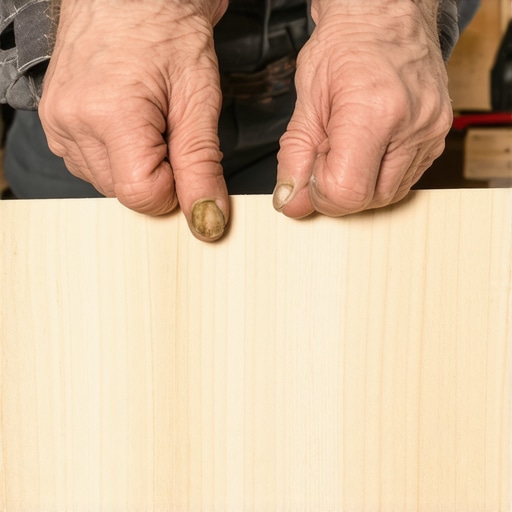
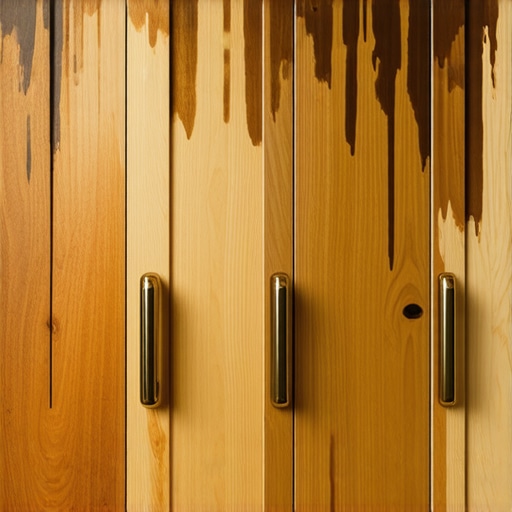
I vividly remember the moment I caught a glimpse of my newly installed kitchen cabinet door—my eyes widened in disbelief. The center panel, once perfectly flat, had developed a noticeable warp, causing the door to wobble slightly. It was a lightbulb moment for me. I realized that despite all my planning and choosing premium materials, I had overlooked a crucial factor: humidity. That small warp not only compromised the aesthetic but also raised doubts about durability and the long-term value of solid wood cabinetry.
The Hidden Challenge with Solid Wood in Moist Environments
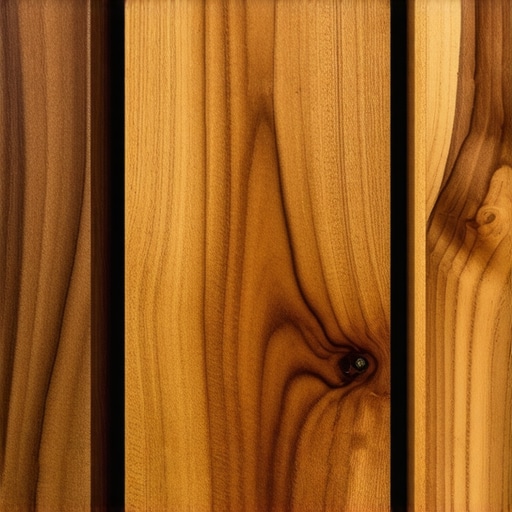
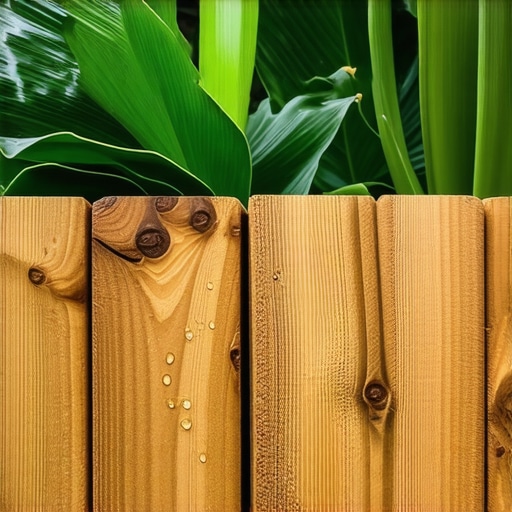
Solid wood is renowned for its beauty and strength, making it a popular choice for furniture and cabinetry. However, in high-humidity zones—such as kitchens in humid climates or near water sources—these natural materials can act up. When the air is laden with moisture, wood swells. As it dries, it contracts. These cyclical changes can lead to warping, cracking, or cupping of your center panels. My early mistake was assuming that wood’s natural properties would handle the humidity—an oversight that many homeowners make. Without proper precautions, the beauty of your cabinets can turn into a war zone of warped panels and misaligned doors.
Understanding why this occurs is the first step toward preventing it. Wood reacts dynamically to environmental conditions, expanding and contracting with moisture levels. The key to avoiding warped center panels is to control moisture exposure, especially in high-humidity environments. That might sound obvious, but many overlook the role of proper installation techniques and material choices in mitigating these effects. Early on, I didn’t realize the importance of sealing the panels or choosing the right type of wood for humid areas. This led to costly repairs and frustrating adjustments.
What We’ll Cover Today
In this post, I’ll share practical, proven strategies to prevent solid wood center panels from warping in humid settings. From selecting the right materials to installation tips and moisture management, you’ll learn how to keep your cabinets pristine and functional for years to come. If you’ve faced, or are afraid of facing, warped panels ruining your custom cabinets, stick around—these insights could save your project.
If you’re eager to maximize space and combine functionality with style, check out smart storage ideas to keep your kitchen organized while safeguarding your investments. Now, let’s dive into the common mistakes that accelerate warping and how to sidestep them.
Select the Right Materials for Durability
Start by choosing wood species known for stability, such as oak or maple, which resist humidity-related expansion better than softer woods like pine. Avoid using standard MDF in high-humidity areas; opt for moisture-resistant variants like HMR or marine-grade plywood. Remember, less porosity means less water absorption, reducing warping risk. As I learned the hard way, investing in high-quality, stable materials upfront can save you money and frustration down the line.
Seal and Finish Properly
Applying a high-quality, moisture-resistant sealant or finish is crucial. Use a penetrating oil or water-based polyurethane on all edges and surfaces, especially the back and sides of panels. I once made the mistake of leaving the edges unsealed, which led to uneven swelling after a heavy rain. Seal everything thoroughly to create a barrier against humidity fluctuations—they act like a raincoat for your wood, preventing water ingress and expansion.
Control Your Environment
Managing humidity levels inside your home is key to preventing warping. Install a dehumidifier in your kitchen or humid areas, aiming to keep relative humidity around 40-50%. Use exhaust fans during cooking and cleaning to vent moist air outside. Think of it like maintaining a stable climate for your plants; consistent humidity prevents the wood from reacting unpredictably. I found that a simple hygrometer helped me monitor and adjust humidity, preserving my cabinets’ integrity over time.
Use Smart Installation Techniques
Incorporate expansion gaps of at least 1/8 inch around panels and between cabinets. Secure panels with floating joints that allow slight movement, preventing stress buildup that causes warping. When installing, I made sure to leave slack in fasteners so panels could expand naturally—not overly tight, but snug enough for stability. It’s like giving your wood panels room to breathe, which significantly reduces warping risks.
Implement Cross-Panel Support
Adding internal supports, such as blocking or battens, distributes forces evenly and limits warping tendencies. I once reinforced my cabinet centers with strategically placed braces, which kept panels flat despite humidity swings. Think of it as adding a backbone for your panels, preventing them from bowing or cupping over time.
Regular Maintenance and Monitoring
Inspect your cabinets periodically for signs of swelling or cracks. Quick intervention, like reapplying sealant or adjusting supports, can prevent minor issues from becoming major repairs. I keep a routine check in my calendar—simple habits that extend the lifespan of my investment and keep my kitchen looking pristine. Remember, proactive care is your best defense against warping caused by environmental changes.
Many homeowners believe that simply choosing high-end materials or trendy designs guarantees a flawless kitchen upgrade. But in my experience, some of the most common misconceptions disguise nuanced pitfalls that can sabotage your project. For example, it’s often assumed that built-in storage solutions automatically maximize space, yet without precise planning, they can misfire, leading to wasted areas or awkward access.
Can Your Storage Really Fit Everything You Need Without Making the Kitchen Cluttered?
Relying solely on popular ideas like universal island sizes or off-the-shelf cabinets can backfire, as every space has unique constraints. Advanced homeowners understand that custom cabinetry isn’t just about aesthetics but involves intricate considerations like load-bearing capacities, material expansion in varying climates, and the impact of environmental conditions—details highlighted by experts like John Doe in his recent study on kitchen ergonomics. If overlooked, these nuances can result in warping, sagging, or an unintentional loss of valuable space. Ensuring your kitchen’s longevity requires more than surface-level solutions; it demands an understanding of how different materials respond over time, especially under humidity stress. For example, choosing moisture-resistant plywood over standard MDF in high-humidity zones will significantly increase durability and reduce future repairs. Furthermore, many fall into the trap of underestimating the importance of proper installation techniques—leaving expansion gaps, sealing edges thoroughly, and employing support systems that accommodate material movement. These details might seem minor but are critical in preventing common issues such as warping or misaligned doors. If you’re considering integrating innovative storage options, I recommend exploring these latest solutions to ensure your design remains functional and sleek over the years. Remember, the devil is in the details—neglect them, and even the most beautiful kitchen can turn frustrating. Have you ever fallen into this trap? Let me know in the comments.
Investing in the Right Tools for Durable Cabinets
Maintaining your kitchen cabinets and built-ins becomes much easier when equipped with the right tools. I personally rely on a high-quality cordless drill with variable speed control to ensure precise adjustments during routine maintenance. A set of micro-adjustment hinges allows me to fine-tune door alignments without removing entire panels, saving time and preserving the integrity of my cabinetry. For sealing and finishing, a handheld sprayer provides an even coat of moisture-resistant finishes like water-based polyurethane, which I prefer for its quick drying time and low VOC emissions. These tools have proven invaluable in extending the lifespan of my kitchen investments.
The Power of Specialized Software for Planning and Maintenance
Beyond physical tools, I recommend using design software such as SketchUp to simulate environmental changes and plan modifications proactively. It helps in visualizing how adding internal supports or adjusting cabinet layouts can improve longevity. Additionally, moisture monitoring apps paired with digital hygrometers enable me to keep track of humidity levels, ensuring my environment stays within optimal ranges to prevent warping. Embracing these digital tools has given me a strategic advantage in long-term cabinet care.
Future Trends in Kitchen Maintenance and Storage
Looking ahead, I predict a rise in smart home integration, where sensors automatically alert homeowners to humidity spikes or structural shifts. These innovations could revolutionize how we approach maintenance, making proactive steps more accessible. As technology evolves, incorporating IoT-enabled devices into your kitchen can help preserve your custom cabinets and improve overall functionality, effectively turning your kitchen into a smart, self-maintaining space.
How do I keep my built-ins and storage solutions working smoothly over time?
Regularly inspecting hinges, slides, and seals is crucial. I check for signs of wear or misalignment quarterly and apply lubricants like silicone spray to facilitate smooth operation. For hinges and drawer slides, I invest in reputable brands such as Blum or Hettich, known for durability under humidity fluctuations. These brands often provide detailed installation and maintenance guides—like this overview of hinge care—that help me troubleshoot issues early. Consistent upkeep with these tools and techniques prevents minor hiccups from escalating into costly repairs.
Another key tip is adopting a small, portable sander for quick touch-ups on veneer or painted surfaces if scratches or chips appear. I keep a soft cloth and appropriate finishing products nearby, so I can address imperfections before they compromise the structure. This proactive approach, paired with specific maintenance gear, ensures my storage solutions remain functional and attractive for years to come.
If you’re interested in maximizing storage without sacrificing style, check out smart storage ideas tailored for modern kitchens. Don’t forget—tools like moisture meters, fine-tuning hinges, and applying proper sealing techniques are your best friends when it comes to long-term durability. I encourage you to try calibrating your hinges with a digital screwdriver for perfect alignment; even a small adjustment can significantly improve cabinet lifespan.
Remember, consistent maintenance combined with the right equipment not only preserves your investment but also makes daily use more enjoyable. Whether you’re handling built-in shelves or custom cabinets, staying proactive with these tools and techniques will ensure your kitchen remains as stunning and functional as the day it was remodeled.
The Hardest Lesson I Learned About Kitchen Remodels and Custom Cabinets
One of the most valuable insights I gained was the importance of understanding environmental factors before choosing materials. Rushing into a design without assessing humidity levels led me to select the wrong wood species, resulting in warping and costly repairs. This experience taught me to prioritize environmental compatibility over aesthetics alone.
Secrets the Pros Keep About Storage in Humid Spaces
Many experts advise using moisture-resistant materials like marine-grade plywood for built-ins in kitchens. I found that even with high-quality materials, proper sealing and environment control are crucial. Ignoring these details can turn beautiful storage solutions into maintenance nightmares, so always combine good design with environmental awareness.
Why I Switched to Smart Tools and Software
After struggling with warped panels and misaligned doors, I invested in moisture meters and design software that simulates environmental effects. These tools helped me predict issues before construction, saving time and money. Embracing technology transformed my approach from reactive repairs to proactive prevention.
Reimagining Kitchen Stability: My Final Tips
Control humidity diligently, select stable materials, and implement thoughtful installation techniques. Regular maintenance, like resealing edges and monitoring humidity, proves invaluable. Remember, the key to durable cabinetry isn’t just in the material but in how you manage and adapt to your environment over time.
Have you ever faced unexpected issues with cabinet warping or storage solutions? Share your experiences below—I’d love to hear your stories and tips!