How to Spot Fake Plywood Before You Buy a Cheap Kitchen
I vividly remember the moment I realized I had purchased a kitchen full of fake plywood. It was the day I opened my brand-new cabinets and heard that hollow, almost plastic-like sound from the shelves. Immediately, I knew something was off. That sinking feeling of having been duped hit hard, especially after spending good money and months waiting for my dream kitchen. Since then, I’ve learned that not all plywood is created equal—and detecting the genuine from the counterfeit is essential to avoid similar pitfalls.
The Importance of Authentic Plywood in Kitchen Renovations
Many homeowners are eager to save a buck when it comes to kitchen upgrades, often opting for cheap materials that seem perfect at first glance. But skimping on quality, especially with plywood, can lead to long-term headaches—warping, delamination, or even costly replacements down the line. Knowing how to identify genuine plywood can save you thousands and ensure your kitchen withstands daily use.
Is Cheap Plywood Actually Worth the Hype?
In my early days of remodeling, I made a costly mistake by trusting a local supplier without doing my homework. I assumed all plywood was the same, just priced differently. Turns out, I fell for a common trick—you get what you pay for. Real, high-quality plywood offers durability, resistance to moisture, and a smooth finish, unlike the flimsy, low-grade substitutes that can crumble or peel over time. According to a 2021 report from the Forest Products Laboratory, choosing the right plywood with proper veneer layers dramatically improves longevity and structural integrity. It’s a crucial lesson I wish I had embraced sooner.
If you’ve faced similar doubts or battles with subpar materials, you’re not alone. But don’t worry—there are clear signs to help you tell the real deal from the cheap knockoff. Next, I’ll walk you through how to recognize authentic plywood before it’s too late.
Inspect the Surface and Edges Carefully
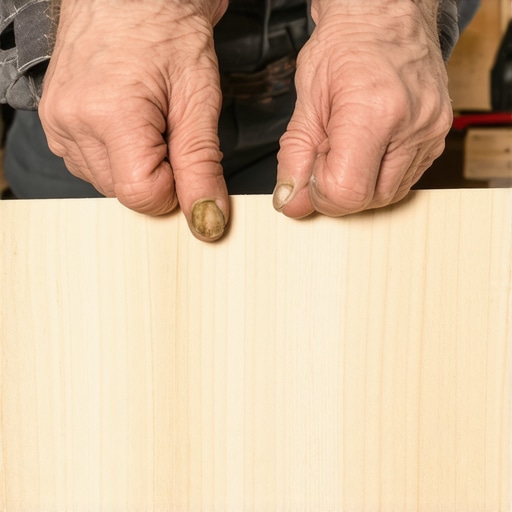
When evaluating plywood, start by examining the surface for smoothness; genuine high-quality plywood should have a consistent veneer with no visible gaps or uneven patches. Check the edges for layers: real plywood reveals multiple veneer layers when sliced; if the edges look solid or uniform, it might be a fake. I once ordered plywood from a supplier, and after unboxing, I rubbed my fingers over the surface—it was rough and inconsistent, indicating poor quality.
Understand the Veneer Grade and Type
Identify the veneer grade stamped on the sheet. A higher grade, like When it comes to transforming your kitchen with storage solutions, many homeowners rely on popular beliefs that can lead to costly mistakes. One widespread myth is that more cabinets automatically mean better organization. In reality, strategic placements, such as incorporating built-ins and storage hacks, often deliver more functional space without cluttering the aesthetic. Another misconception is that all custom cabinets are prohibitively expensive. But with careful planning and understanding the nuances—like choosing the right veneer grade or style—you can achieve a high-end look at a reasonable price. It’s essential to recognize the nuanced differences between various cabinet types and designs that impact both cost and usability, a topic thoroughly discussed in the ultimate guide to custom cabinets.
Many see built-in solutions as merely aesthetic, but they serve a crucial functional role too. For example, custom built-ins can optimize space and improve accessibility, especially in tight kitchens. A common pitfall is assuming that these features are only for large homes; in fact, smartly designed built-ins can be a game-changer even in compact spaces.
Now, let’s address a common trap: overestimating the impact of storage size without considering ease of access and organization. Oversized cabinets filled with clutter can diminish functionality, making your kitchen harder to use rather than easier. Instead, focus on smart storage ideas that prioritize user-friendly layouts.
> Why do so many homeowners overlook the importance of accessibility in their storage design? Advanced features like adjustable shelves, pull-out trays, and specialized zones can prevent storage from becoming a dreaded clutter zone. An article by storage experts highlights that designing with your daily routines in mind—and not just filling every inch—ensures your kitchen remains functional and enjoyable.
Furthermore, understanding the nuances in installation techniques is vital. For instance, improperly anchored cabinets or poor door alignments can lead to long-term issues that are costly to fix. Detailed knowledge about materials and hardware, as outlined in hidden storage spots, helps in avoiding these pitfalls.
Have you ever fallen into this trap? Let me know in the comments, and ensure your kitchen upgrade is truly an investment in both style and function.Maintaining your custom cabinets, built-ins, and storage solutions is essential for long-term functionality and aesthetic appeal. I personally rely on a few precise tools and methods to ensure my kitchen remains in prime condition. For example, a high-quality digital caliper helps me measure hardware components accurately, which is crucial when adjusting hinges or replacing worn-out parts. I also use a cordless, multi-position drill with specialized bits to perform quick adjustments without over-tightening or damaging materials. To keep everything aligned and functioning smoothly, I swear by the Blum service tools, particularly their hinge adjustment kits, which allow for fine-tuning doors without removing them entirely. These tools have saved me time and prevented unnecessary wear on my cabinetry.
When spotting issues early, nothing beats an LED flashlight with adjustable brightness to detect moisture damage, cracks, or loose fittings. For cleaning, I prefer using a microfiber cloth soaked in a gentle, pH-balanced cleaner—this preserves the finish on cabinets and avoids harsh residues.
Looking ahead, I predict that smart maintenance appliances, integrated with IoT sensors, will become standard for kitchen care. Small sensors could alert homeowners to humidity levels, preventing mold, or notify when hinges need realignment, reducing long-term repair costs.
**How do I maintain custom storage and cabinetry over time?** Regular inspection and a proactive approach are key. Schedule seasonal check-ups using these tools to identify and fix issues before they escalate—think of it as preventative care for your investment. For more detailed insights on selecting the right tools and routines, check out our comprehensive guide on expert tips for storage care. Start today by giving your hinges a simple calibration with your precision screwdriver; it takes only a few minutes but offers significant benefits for smooth operation and longevity.
The Hardest Lesson I Learned About Storage Solutions and Built-ins
One of the most memorable moments in my renovation journey was discovering that my seemingly solid plywood was actually flimsy, hollow material. That lightbulb moment taught me to always scrutinize the layers of plywood—checking edges and veneer quality—before making a purchase. It revealed a deeper truth: shortcuts in materials often lead to costly regrets, especially in a space as vital as the kitchen. Patience and detailed inspection are your best tools for building durable, beautiful storage.
My Go-To Resources That Transformed How I Approach Kitchen Storage
Over time, I relied on a few trusted resources that demystified complex cabinetry choices and clever built-in ideas. The comprehensive guide to custom cabinets helped me understand when inset doors are worth the extra cost, while learning about innovative storage techniques from artisans’ blogs opened my eyes to maximizing every inch. I recommend exploring this ultimate guide and staying current with practical tips from experts—the right knowledge turns a good remodel into a great one.
Your Turn to Elevate Your Kitchen Space
Transforming your kitchen with smart storage and high-quality materials isn’t just about aesthetics; it’s an investment in daily convenience and long-term reliability. Remember, every detail—be it choosing the right veneer or planning for accessible built-ins—has the power to make or break your project’s success. So take that leap, plan meticulously, and enjoy the rewarding process of creating a kitchen that truly works for you. Ready to start? Share your biggest kitchen challenge or your favorite storage hack below—I’d love to hear your stories.