Why Two-Tiered Cutlery Trays Are Better Than Single Wide Dividers
I remember the sickening thud when my silverware drawer simply refused to open more than three inches. It was Thanksgiving, I had a turkey in the oven, and twelve hungry relatives were staring at me. My serving spoons had effectively been taken hostage by a rogue potato masher that had wedged itself against the cabinet frame. I ended up prying it open with a butter knife, leaving a permanent gouge in my expensive wood. That was the day I realized my single wide divider wasn’t an organization tool; it was a trap. We often think that a bigger, wider tray is the answer to kitchen chaos, but I’ve learned the hard way that horizontal space is a liar. Today, I’m going to show you why doubling up vertically is the only way to maintain your sanity and protect your investment in [custom cabinets as a game changer in your kitchen remodel journey](https://artisancabinetworkz.com/custom-cabinets-as-a-game-changer-in-your-kitchen-remodel-journey).
The Night My Silverware Drawer Won the Fight
If you are like I was, you probably have one of those wide, molded plastic inserts or a bamboo tray that takes up the whole drawer. On the surface, it looks clean. But once you add the steak knives, the soup spoons, and those oversized serving forks, things start to stack. Before you know it, the drawer is jammed. I made the classic mistake of thinking I just needed a ‘wider’ tray, but all that did was give the mess more room to spread out. In reality, we need to stop thinking about the floor of the drawer and start thinking about the air above it. This is why I now strictly believe that [why we recommend drawer organizers over standard silverware trays](https://artisancabinetworkz.com/why-we-recommend-drawer-organizers-over-standard-silverware-trays) is the most important advice I can give to anyone planning [modern kitchen remodels featuring custom cabinets and built-ins](https://artisancabinetworkz.com/modern-kitchen-remodels-featuring-custom-cabinets-and-built-ins). Have you ever had to use a spatula as a crowbar just to get to your forks? I’d love to hear your ‘drawer jam’ horror stories.
Will a Two-Tiered System Actually Fit My Current Cabinets?
Many of my neighbors worry that these double-decker solutions are only for massive, professional-grade kitchens. The skepticism is real: ‘Isn’t my drawer too shallow?’ or ‘Won’t the top tray just get stuck?’ I had these same fears until I realized that most standard modern cabinets have plenty of clearance if you use the right hardware. According to the National Association of Professional Organizers (NAPO), clutter is often the result of having ‘too much surface and not enough system.’ A two-tiered tray provides the system by separating the daily essentials from the ‘once-a-week’ tools like your [knife drawer strategy](https://artisancabinetworkz.com/the-knife-drawer-strategy-keeping-blades-sharp-and-hands-safe) pieces.
Why Vertical Space is Your Kitchen’s Secret Weapon
When you switch to a tiered approach, you are essentially doubling your square footage without moving a single wall. It is the ultimate [smart storage solution for small kitchens in 2025](https://artisancabinetworkz.com/smart-storage-solutions-for-small-kitchens-in-2025). The bottom layer stays for the items you use occasionally—think corn on the cob holders or the pizza cutter—while the top sliding tray holds your everyday forks and spoons. This prevents the ‘nesting’ effect where small items get buried under large ones. It’s a simple shift that transforms a frustrating daily task into a seamless experience, much like how [innovative storage solutions for modern kitchen remodels](https://artisancabinetworkz.com/innovative-storage-solutions-for-modern-kitchen-remodels) can change the entire flow of your home. If you’re tired of the clatter and the constant digging, it’s time to look up, not out.
Grab a Tape Measure and Check Your Clearances
To move from a jammed mess to a tiered masterpiece, you first need to ignore the outside of your cabinet and focus entirely on the interior box height. Most people buy an organizer based on the width of the drawer, but for a two-tiered system, depth is the king. You generally need at least 3.5 to 4 inches of vertical clearance inside the drawer box to make this work effectively. If you are working with older cabinets, you might find that your boxes are surprisingly shallow. This is exactly why why frameless cabinets offer more storage than traditional face frame designs; they provide that extra vertical wiggle room that allows a sliding tray to pass over your forks without catching. I learned this lesson the hard way last summer when I tried to force a generic insert into a shallow drawer. Every time I closed it, it sounded like a skeleton falling down the stairs because my soup ladles were just a hair too tall for the sliding tray to clear.
The Secret Logic of the Top Tray Slide
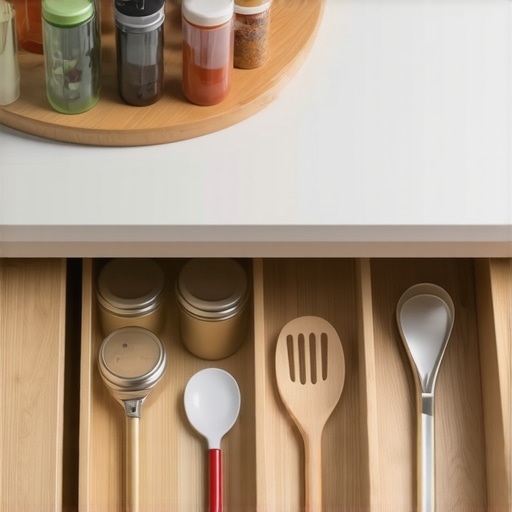
The most effective tiered systems utilize a secondary tray that sits on small wooden cleats or a built-in ledge. The bottom level should be reserved for your ‘bulk’ items—the oversized serving spoons, the honey dipper you use once a month, and the pizza cutter. The top tray, which slides back and forth, should be your high-traffic zone for daily silverware. This setup is effectively the hidden drawer hack for extra storage in your kitchen island that most people overlook. By keeping the top tray slightly shorter than the full depth of the drawer, you create a ‘reveal’ at the back, allowing you to reach longer items underneath without even moving the top layer.
Ditch the Plastic for Solid Wood Construction
While those adjustable plastic organizers are tempting because they are cheap, they lack the structural integrity to support a sliding second level. When you are putting a drawer under constant daily use, you want materials that won’t flex or crack. This is one of the many reasons why solid oak drawers are worth the extra cost in the long run. Wood-on-wood slides provide a satisfying, heavy feel that plastic simply can’t replicate. Furthermore, if you are looking for long-term durability, you should check for craftsmanship details like how to spot quality dovetail joinery before you buy to ensure the drawer box itself can handle the added weight of a double-layered system.
Keep Your Slides Running Smoothly
A common frustration with tiered systems is a tray that binds or sticks. Usually, this isn’t a problem with the organizer itself, but with the drawer hardware. If your main drawer is sagging even slightly, the internal tray will jam. I always tell my clients to look into the 3-step fix for drawer slides that wont stay closed if they notice their tiered system behaving poorly. Often, a quick cleaning of the tracks or a slight adjustment of the mounting screws can restore that ‘glide-like-butter’ feeling. In my own kitchen, I spent three months blaming a ‘warped’ wood tray before realizing a stray peppercorn had wedged itself into the metal side-mount slide of the main drawer. Once that was cleared, the tiers worked perfectly again.
The Expensive Myth of Over-Engineering Your Inserts
We are often told that the more specialized the insert, the better the kitchen. In my years of designing, I have seen the exact opposite. People fall into the trap of buying every bell and whistle mentioned in the ultimate guide to custom cabinets for a stylish kitchen overhaul, only to find they have actually lost usable square footage. When you add too many dividers, you are trading air for material. The secret isn’t more dividers; it is smarter engineering. Many homeowners think adjustable shelving is the gold standard for flexibility, but in high-load areas, it is often a recipe for disaster. If you aren’t careful, those ‘flexible’ pins will eventually shear under the weight of a heavy ceramic collection. This is why I often steer clients toward fixed-shelf built-ins for heavy-duty storage, ensuring the longevity of your built-ins and storage hacks for a sleek functional kitchen. Have you ever fallen into the trap of buying a gadget that didn’t fit your lifestyle? Let me know in the comments.
Can My Custom Pantry Actually Hold All These Canned Goods?
It is a question that sounds basic, yet the answer depends entirely on the ‘bones’ of your box. A common mistake in modern kitchen remodels featuring custom cabinets and built-ins is assuming that all shelves are created equal. According to the National Kitchen & Bath Association (NKBA), the standard for acceptable shelf deflection (sagging) is 1/16th of an inch per foot. If you are using long, spans of thin particle board, your pantry will look like a set of frowns within six months. This is exactly why we recommend plywood cases over particle board for heavy pantry shelves. Plywood has cross-laminated layers that resist bending, which is non-negotiable if you plan on stocking up on bulk flour or canned goods.
Reinforce the Bones Before You Add the Bells and Whistles
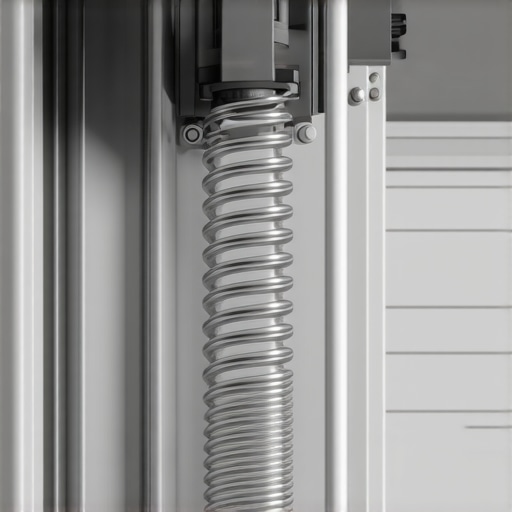
Another ‘oops’ factor that haunts many high-end remodels is the failure to account for dynamic weight. It is one thing to have a shelf that sits still; it is quite another to have a motorized or spring-loaded mechanism. I once saw a beautiful kitchen where the homeowner insisted on the heavy mixer lift how to save your back and your counter space, but they didn’t reinforce the side walls of the cabinet. Within a month, the weight of the KitchenAid started pulling the screws right out of the cabinet side. For any advanced storage solution, you must ensure the cabinet box is built to handle the torque. When you follow expert tips on selecting storage solutions for a perfect kitchen upgrade, the focus should always be on the structural integrity first, and the convenience second.
Why Your Kitchen Flow Depends on the 36-Inch Rule
Finally, let’s talk about the nuance of clearance. Everyone wants a massive island, but they forget that drawers and appliances need room to breathe. I’ve seen countless projects where the dishwasher door hits the drawer handle of the island when both are open. This creates a bottleneck that ruins the ‘chef’s flow.’ If you are investing in innovative storage solutions for modern kitchen remodels, you have to measure twice for the swing and the slide. Without proper clearance, even the most expensive custom cabinets will feel cramped and poorly planned. Always prioritize the ‘working triangle’ and the path of your most-used drawers to keep the heart of your home truly functional.Even the most perfectly installed custom cabinets as a game changer in your kitchen remodel journey aren’t static objects. They are made of wood, and wood breathes. In the humid months, you might notice that the inset cabinet gap re-aligning doors after seasonal humidity changes becomes a necessary ritual because the wood has expanded just enough to rub. I always keep a specific toolkit in my kitchen junk drawer—not the messy kind, but a small, organized kit—specifically for these moments. I personally recommend using a PoziDriv #2 screwdriver rather than a standard Phillips head for any hinge work. Most high-end European hinges use PoziDriv screws; using a standard Phillips will eventually strip the head, turning a ten-second adjustment into a permanent headache.
How do I keep my custom drawers sliding like new?
To ensure your modern kitchen remodels featuring custom cabinets and built-ins stay functional for decades, you need to treat the hardware like a precision machine. Every six months, I use a dry PTFE (Teflon) spray on my metal slides. Never use WD-40 or heavy grease; these attract dust and pet hair, creating a sticky sludge that will eventually seize the bearings. According to technical documentation from Blum, a global leader in hinge technology, their systems are engineered for up to 100,000 opening and closing cycles, but this longevity assumes the tracks remain free of abrasive debris. If things feel sluggish, it is usually time for why soft-close hinges fail and the simple tension adjustment rather than a full hardware replacement. Keeping the tracks clean is the single best way to protect your investment in creating seamless kitchen remasters with built-in storage solutions.
Tech is Moving Inside the Box
As we look toward the future of home design, I am seeing a massive shift away from ‘static’ cabinets toward integrated electronic environments. We are moving beyond just simple wood boxes. I predict that by 2030, the standard kitchen will include the built-in charging station that finally clears your countertops as a default feature in every drawer. We are already seeing more ‘servo-drive’ systems where a simple tap of the knee opens a heavy trash pull-out, which is a total lifesaver when your hands are covered in flour or raw chicken. This level of built-ins and storage hacks for a sleek functional kitchen is no longer just for luxury homes; it is becoming the baseline for universal accessibility. If you haven’t checked your hardware lately, I strongly encourage you to grab a screwdriver tonight and check the tension on your most-used cabinet door. A simple quarter-turn today can prevent a crooked door or a loose hinge for the next five years.
What I Wish I Knew Before Filling My First Custom Drawer
After years of tweaking my own space, I’ve realized that the biggest enemy of organization isn’t a lack of space—it’s the ‘over-divider’ trap. We often think more slots equals more order, but in reality, every extra piece of wood or plastic steals physical volume from your spoons. I’ve learned that a simple, two-tiered approach is far more effective than twenty tiny cubbies. Another lightbulb moment was realizing that the hardware mistake that makes expensive cabinets look cheap is often just a matter of poor maintenance. If you don’t clean your slides, even the most expensive tiered system will eventually feel like a budget bin find. Finally, remember that your kitchen is a living thing; the wood will move, and that is okay. It’s part of the charm of high-quality materials.
The Essential Toolkit for Maintaining Your Kitchen’s Glide
You don’t need a professional workshop to keep your drawers perfect. I personally swear by a PoziDriv #2 screwdriver; it’s the secret to not stripping those high-end hinge screws. For the slides, I only use a dry PTFE spray—never grease—to keep everything silent. If you are still in the planning phase, I highly suggest checking out expert tips on selecting storage solutions for a perfect kitchen upgrade to ensure your hardware matches your lifestyle. I also frequently consult the National Kitchen & Bath Association (NKBA) guidelines for weight limits, ensuring my heavy ceramic plates don’t overwhelm my beautiful new drawers.
Take Control of Your Kitchen’s Daily Rhythm
Setting up a tiered system is about more than just finding a home for your forks; it’s about removing the friction from your daily life. When your tools are exactly where you expect them to be, cooking feels like a dance rather than a chore. Don’t be afraid to experiment with your layout until it feels right. Your custom cabinets as a game changer in your kitchen remodel journey are an investment in your peace of mind. Start small, organize one drawer this weekend, and feel the difference it makes. #IMAGE_PLACE_HOLDER_E#
Have you ever found a kitchen gadget that actually made your drawers more cluttered instead of helping? Let me know your ‘useless tool’ stories in the comments below!