Why We Added Heavy-Duty Springs to Prevent Garage Door Cable Snaps
Why We Added Heavy-Duty Springs to Prevent Garage Door Cable Snaps
It usually starts with a sound that most homeowners mistake for a gunshot or a heavy object falling in the garage. That loud, metallic “bang” is the sound of a garage door component failing under immense pressure. As a specialist in garage door repair bay area, I have spent years responding to these calls in Burlingame, San Francisco, and the surrounding Peninsula. More often than not, when I arrive on the scene, I find a snapped or frayed cable. But while the cable is the part that broke, it is rarely the actual “villain” of the story. The culprit is almost always the spring system.
My name is Lynn Lenardon, and at Artisan Cabinetworkz, we don’t just look at the surface of a problem. Whether we are designing Custom Cabinets Ideas That Transform Your Home’s Style or fixing a technical mechanical failure in your garage, we look at the physics of the system. We recently made the decision to standardize heavy-duty, high-cycle springs for our clients because we realized that standard-issue springs are the leading cause of premature cable failure. To truly fix garage door issues permanently, you have to address the balance of the entire system.
The Physics of the Lift: How Springs and Cables Work Together
To understand why cables snap, you have to understand the symbiotic relationship between the torsion spring and the lift cables. Your garage door can weigh anywhere from 150 to over 500 pounds. Your garage door opener repair technician will tell you that the motor is not actually doing the heavy lifting; the springs are. The motor simply provides the direction and the initial nudge.
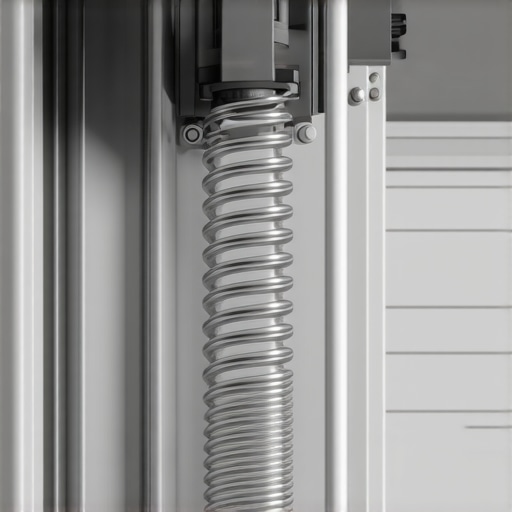
The torsion spring, located on a shaft above the door, stores mechanical energy when the door is closed. This energy is transferred to the drums at either end of the shaft. The cables are wrapped around these drums and attached to the bottom brackets of the door. When the spring provides torque, the drums spin, and the cables pull the door upward. When the system is perfectly balanced, the door should feel “weightless.”
However, when a spring begins to lose its tension – which happens naturally over time as the steel fatigues – the balance is lost. The cables are forced to compensate for the “dead weight” of the door. Instead of simply guiding the door, the cables are now under a level of tension they weren’t designed to handle for long periods. This leads to the steel strands in the cable stretching, fraying, and eventually snapping. This is why garage door cable replacement is so common; people wait until the cable breaks, not realizing the spring was the root cause.
Why Standard Springs Often Fail the “Bay Area Test”
In the world of bay area garage doors, we face environmental challenges that many other regions do not. If you live in Burlingame or near the San Francisco coast, the salt air is a constant factor. Salt is highly corrosive to high-carbon steel, which is what most standard springs are made of. When rust develops on the coils of a spring, it creates friction. This friction generates heat and causes the metal to become brittle much faster than the manufacturer intended.
Furthermore, most builders install “standard” 10,000-cycle springs. A “cycle” is one full opening and closing of the door. If you use your garage four times a day, a 10,000-cycle spring will last roughly 6.8 years. In the Bay Area, where the garage often serves as the primary entrance to the home, many families use their doors 6 to 10 times a day. This means a standard spring might fail in under four years. When that spring weakens, the extra load on the cables is immediate. To fix garage door problems effectively in this climate, you need more than just standard parts.
We often see that when homeowners invest in high-end upgrades, like when we Why We Added Metallic Epoxy Floors to Modern Garage Workshops, they forget that the mechanical skeleton of the garage needs to be just as robust as the aesthetics. A snapped cable can swing wildly, potentially damaging those beautiful new floors or your custom storage units.
The Heavy-Duty Solution: High-Cycle Torsion Springs
Our solution to this epidemic of snapped cables is the implementation of heavy-duty, high-cycle torsion springs. While a standard spring is rated for 10,000 cycles, our high-cycle options are rated for 25,000 to 50,000 cycles. But it’s not just about the number; it’s about the engineering.
- Wire Gauge: Heavy-duty springs use a thicker wire gauge. By increasing the diameter of the wire, we distribute the torque load over a larger surface area of steel, reducing the stress on the metal.
- Spring Length and Diameter: Often, to achieve a higher cycle count, we use a longer spring with a larger inner diameter. This allows the spring to provide the same lifting power with less physical strain on the coils.
- Galvanization and Coating: To combat the Bay Area humidity, these springs are often powder-coated or galvanized to prevent the “rust-bond” that leads to cable-snapping friction.
When you opt for a garage door spring replacement using high-cycle parts, you are effectively protecting your cables. Because the spring maintains its tension and “lifting assist” for decades rather than years, the cables are never subjected to the over-tensioning that causes fraying. This is a preventative measure that saves you from the cost of emergency garage door repair down the road.
Just as we advise clients to Maximize Space with Innovative Storage Solutions for Every Room, we advise homeowners to maximize the lifespan of their mechanical systems. It is much cheaper to install high-quality springs once than to pay for garage door cable repair three times over the next decade.
Signs Your Garage Door Cables are at Risk
You don’t always have to wait for the “bang” to know you have a problem. There are several visual and auditory cues that suggest your cables are about to fail because your springs are weakening. If you notice any of these, you should seek urgent garage door repair immediately.
- The “Fuzzy” Cable: If you look at your cables and see tiny “hairs” sticking out, those are individual steel strands that have snapped. The cable is now operating at a fraction of its rated strength.
- The Crooked Door: If one side of the door hangs lower than the other when partially open, one cable has likely stretched more than the other, or one spring has lost more tension than its partner.
- Loose Cables: When the door is in the fully open position, the cables should still have a small amount of tension. If they are hanging off the drums or looking slack, the door is not being properly supported by the springs.
- Squeaking or Grinding: This is often the sound of the spring coils rubbing against each other or the cable rubbing against the drum.
Ignoring these signs often leads to the door falling off its tracks. If this happens, you will need to contact bayareagaragedoorrepairinc.com for specialized track realignment. In many cases, the damage to the door panels from a cable snap is so severe that a full bayareagaragedoorrepairinc.com installation becomes necessary.
The Danger of DIY: Why Spring and Cable Repair is Professional Work
I cannot emphasize this enough: NEVER attempt to fix garage door spring issues yourself. The amount of torque stored in a garage door torsion spring is enough to cause catastrophic injury or even death. To replace a spring, you must use specialized winding bars to “load” the tension. If a winding bar slips or a tool breaks under that pressure, the force released is equivalent to a high-velocity impact.
Similarly, garage door cable replacement involves working directly with the bottom brackets, which are under the full tension of the spring. If you unbolt a bracket while the spring is still loaded, the bracket and cable can fly off with lethal force. Professional technicians undergo years of training to handle these components safely.
When we work on a home, whether we are doing a commercial garage door repair or a residential fix, safety is our first priority. We use calibrated winding bars and safety cables to ensure that even if a component fails during the repair, the energy is contained. This is one area where the DIY spirit can be dangerous. It’s better to focus your DIY energy on projects like The Mudroom Bench Move: Why We Prefer Cubbies Over Drawers for Kids and leave the high-tension mechanics to the experts.
Beyond the Springs: Checking the Opener and Rollers
While heavy-duty springs are the foundation of a healthy door, they are part of a larger ecosystem. If your springs are perfect but your rollers are seized, the cables still have to work harder to “pull” the door through the friction of the tracks. We recommend a full bayareagaragedoorrepairinc.com check-up every 12 months.
During a maintenance visit, we don’t just look at the springs. We check the garage door opener repair needs as well. If an opener has been straining against a heavy door for years due to weak springs, the internal nylon gears may be stripped. We also inspect the rollers. If you still have the original plastic or unsealed steel rollers, we often recommend upgrading to sealed nylon ball-bearing rollers. These rollers are much quieter and reduce the resistance the cables and springs have to overcome. To bayareagaragedoorrepairinc.com correctly, you have to look at every moving part.
Interestingly, we’ve found that homeowners who keep their garages organized – perhaps by following the advice in Why Emergency Garage Door Repairs Often Start with Clearing Out Your Custom Cabinets – are much more likely to notice the early warning signs of garage door failure. A clean, well-lit garage makes it easy to see a frayed cable or a rusted spring before it becomes a disaster.
Conclusion: Investing in Longevity
The decision to switch to heavy-duty, high-cycle springs was an easy one for us. In the garage door repair bay area market, quality matters. We want our customers to have peace of mind knowing that their door isn’t just “fixed,” but improved. By installing a spring system that can handle the weight of the door without breaking a sweat, we effectively eliminate the primary cause of cable failure.
If you haven’t had your garage door inspected in the last two years, or if you suspect your springs are reaching the end of their 10,000-cycle life, don’t wait for the “bang.” Upgrading to high-cycle springs is one of the smartest investments you can make for your home’s safety and functionality. Whether you need a fix garage door spring service or a complete overhaul, choosing heavy-duty components is the key to preventing urgent garage door repair calls in the future.
At Artisan Cabinetworkz, we believe that every part of your home – from the custom cabinets in your kitchen to the torsion springs in your garage – should be built to last. Contact a professional today for a safety inspection and see the difference that high-quality engineering can make.