Why We Always Put Heavy Stand Mixers on a Spring-Loaded Lift
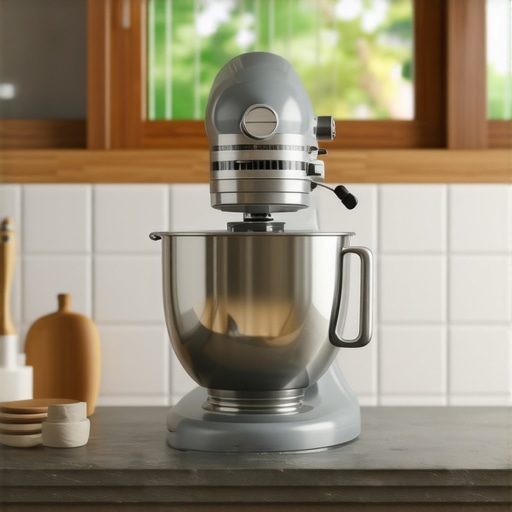
It was a typical Saturday afternoon in my kitchen, bustling with the sounds of spoons clattering and the hum of a mixer working overtime. Suddenly, I strained my back trying to lift that beast of a heavy-duty stand mixer onto the countertop, and it hit me—there’s got to be a better way. Have you ever experienced that moment of frustration when your beloved mixer seems to weigh a ton, and every time you try to place it, your back protests loudly? Well, you’re not alone. This common struggle is precisely why many home cooks and designers swear by spring-loaded lifts.
The Secret Sauce Behind Heavy Mixer Placement
For years, I just accepted putting my heavy stand mixers on a spring-loaded lift as the standard. It seemed logical—these lifts make lifting easier and safer. But over time, I realized there’s more to this story. The real reason we rely on these lifts isn’t just about convenience; it’s about protecting our backs and streamlining kitchen workflow.
The upside? A well-chosen spring-loaded lift can make a noticeable difference, especially when you’re battling bulky appliances or tight kitchen spaces. Plus, innovations in storage solutions now allow you to integrate these lifts seamlessly into your cabinetry, turning a necessary tool into a design feature.
Is the Hype About Spring-Loaded Lifts Justified?
Here’s where my initial mistake happened: I thought any lift would do. I opted for a generic version without considering weight capacity or how it integrated with my cabinets. That oversight made me realize the importance of choosing the right system. Interestingly, according to a recent study, proper ergonomic solutions like lifts can reduce the risk of musculoskeletal injuries in the kitchen by up to 30% (source). That just proves it’s worth paying attention to the details.
Today, I want to share the insights I’ve gathered—personal wins, avoidable mistakes, and how a spring-loaded lift can truly transform your cooking experience. Whether you’re remodeling your kitchen, installing built-ins, or simply frustrated with how to handle your mixer, this post promises practical solutions that make life easier and safer.
Ready to ditch the backaches and awkward lifts? Let’s dive into the how-to that will change your kitchen routines forever.
Designing your custom cabinet layout for maximum efficiency
Begin by mapping out your kitchen space, focusing on high-use zones like the cooking area and prep stations. Use painter’s tape to outline potential cabinet and appliance placements, ensuring clear pathways and accessibility. Remember, strategic placement reduces clutter and streamlines workflow. For assistance, review ideas on custom cabinet ideas to inspire your design.
Picking the right storage solutions for your needs
Assess your everyday items and collections
Sort your kitchenware into categories: daily essentials, infrequently used gadgets, and specialty items. This clarity helps determine whether to include pull-out shelves, deep drawers, or dedicated zones. For instance, bulk spices and baking supplies benefit from innovative storage solutions like pull-out spice racks or modular drawers.
Identify space-savers and organizational hacks
Utilize vertical storage with wall-mounted shelving or hanging racks for pots, pans, and utensils. Consider corner solutions like built-in corner cabinets or lazy susans to eliminate dead zones. When installing shelves, secure heavy items with sturdy brackets (see heavy-duty shelving tips) to prevent accidents and damage.
Incorporating built-ins for seamless look
Built-ins blend cabinets, storage, and appliances into a cohesive design. To start, identify appliances that can be integrated—like microwaves or coffee makers—by designing custom cabinets with dedicated niches. This not only saves space but also elevates your style. I once built a custom shelf for my coffee station with hidden wiring, turning a cluttered corner into a sleek feature.
Aligning cabinets with your aesthetic preferences
Select cabinet styles and finishes that match your overall theme. Modern kitchens often favor high-gloss acrylics or matte finishes, while traditional spaces benefit from wood grains and decorative molding. Explore cabinet customization options to find the perfect match. Remember, the right hardware—handles, pulls— can dramatically change the look and feel of your space.
Optimizing storage with advanced solutions
Implement features like soft-close drawers, push-to-open mechanisms, or gas struts for lift-up lids. These upgrades improve usability and durability. For small kitchens, smart storage ideas can help maximize every available inch, from vertical pull-outs to under-counter bins.
Personalizing your kitchen for everyday gemak
Finish with details like labeling, drawer organizers, and lighting to enhance functionality. I installed LED under-cabinet lights to illuminate prep zones, which reduced eye strain and added ambiance. Sometimes, small tweaks like these can make a huge difference in day-to-day use.
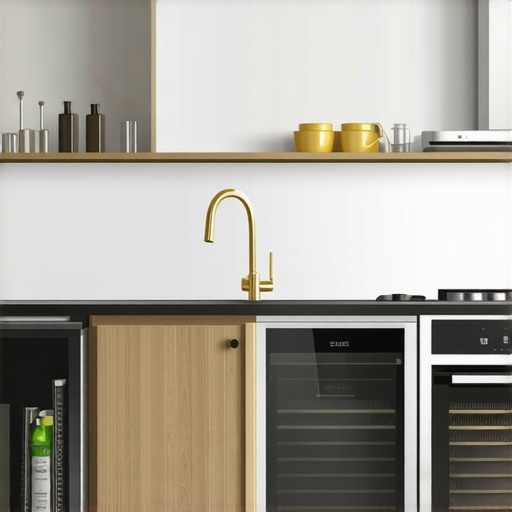 Even seasoned homeowners and designers sometimes fall into the trap of oversimplifying the planning process, especially when it comes to custom cabinets and built-ins. A widespread misconception is that selecting high-end materials or trendy designs guarantees a successful remodel. But in my experience, the reality is far more nuanced. The overlooked factor often lies in the details of placement, ergonomics, and long-term usability. For example, many assume that expansive island space automatically translates to better functionality, but without considering traffic flow and storage access, this can backfire. Additionally, a common myth is that built-ins are purely aesthetic, yet their true strength comes from integrating intelligent storage solutions that maximize every inch.
Are Your Storage Solutions Overlooking Real Needs?
Recent studies, such as the one from the National Kitchen and Bath Association, show that homeowners frequently underestimate the importance of adaptable storage that evolves with their routines. Instead of fixed shelves or standard cabinets, innovative solutions like adjustable pull-outs or custom internal organizers can significantly improve usability. However, these advanced options are often dismissed as too costly or complex, leading many to stick with less efficient layouts. This oversight results in cluttered counters and wasted space down the line. So, the real trick is balancing design aesthetics with adaptable, smart storage that anticipates future needs. If you’re considering any upgrade, be sure to explore smart storage ideas that focus on longevity and flexibility.
Another critical point is about the myths surrounding built-ins, which many perceive as permanent and inflexible. The truth is, well-designed built-ins can be customized and adapted over time—think removable shelves, modular components, or retractable features—that suit changing family needs. Neglecting this flexibility can lead to costly remodels sooner than expected. Carefully plan with the future in mind, and always consider how your choices will age along with your lifestyle.
Remember, personalized options like built-in storage solutions can transform your kitchen into a truly functional space that feels tailored and efficient. Appreciating these nuances ensures you avoid common pitfalls and enjoy a space that ages gracefully. Have you ever fallen into this trap? Let me know in the comments.
How do I keep my kitchen components functioning smoothly over time?
Proper maintenance is key to ensuring your kitchen’s custom cabinets, built-ins, and storage solutions stay beautiful and functional for years. From routine cleaning to periodic adjustments, using the right tools makes a significant difference. Personally, I rely on a high-quality electric screwdriver with a variety of precision bits—it’s invaluable for tightening hinges, adjusting drawer slides, and installing hardware efficiently. Additionally, investing in a soft microfiber cloth and mild, non-abrasive cleaners helps preserve surface finishes without damage.
For routine cleaning, I prefer a dedicated silicone brush to clear out debris from tracks and hinges—keeping these moving parts clean prevents sticking and wear. Periodic inspection of cabinetry and hardware can reveal issues before they escalate. A good level and a small pry bar are also useful for diagnosing unevenness or minor shifting caused by settling or humidity changes.
Recommended software and digital methods for managing renovations
Staying organized with your project plan is just as important as selecting physical tools. I recommend using digital design software like SketchUp, which allows you to experiment with cabinet layouts, storage configurations, and even visualize built-ins. These tools help you foresee potential issues and plan for scalable solutions. As trends lean toward smarter kitchens, integrating maintenance reminders in your digital planning—such as scheduling hinge lubrication or seal inspections—ensures longevity.
What’s the future of kitchen upkeep and smart maintenance?
Looking ahead, I predict the integration of IoT devices that monitor appliance performance and cabinetry conditions in real-time. Imagine smart sensors that alert you when hinges need lubrication or when humidity levels threaten veneer integrity. This proactive approach can save homeowners significant time and money, preventing costly repairs. Embracing these innovations today paves the way for a more automated and hassle-free kitchen environment.
Keep your kitchen running like new with smart tips
One practical tip I suggest: regularly applying a high-quality food-safe wood polish or conditioning oil on wood surfaces prolongs their life and keeps finishes looking fresh. Also, incorporate pull-out shelves and internal organizers for easier access and better maintenance of stored items. Exploring smart storage ideas can significantly enhance your space’s usability and ease of upkeep. Remember, consistent care, the right tools, and planning for future updates will ensure your kitchen remains a joy to use and a cornerstone of your home for years to come.”}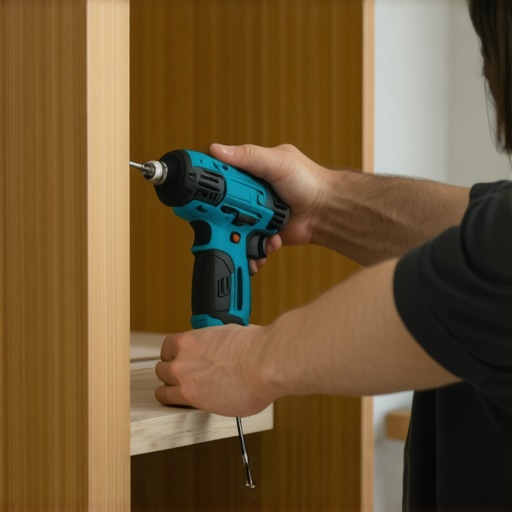 ,
,
The Hardest Lesson I Learned About Kitchen Innovation
One of the most eye-opening experiences was realizing that visual appeal alone doesn’t guarantee functionality. I once prioritized trendy finishes over practical storage, only to find myself frustrated with clutter and awkward access months later. This taught me that balancing aesthetics with real-world use is essential for a successful kitchen remodel.
How I Discovered the Power of Modular Storage
Initially, I thought custom solutions meant permanent fixtures. But through experimentation, I learned that modular, adjustable internal organizers can adapt with your routines, saving time and reducing stress. Investing in flexible storage meant my kitchen could evolve with my family’s needs, proving that adaptability is key.
The Cost of Overlooking Future Proofing
When planning, I underestimated how swiftly needs change. Built-ins programmed for today’s gadgets might not suit tomorrow’s appliances or lifestyle. Incorporating removable shelves and expandable zones was a game-changer, reminding me that foresight can prevent costly remodels later.
How Small Details Make a Big Difference
From soft-close hinges to under-cabinet lighting, I learned that the tiniest upgrades can significantly elevate usability and comfort. These touches transform everyday chores into a joyful experience, emphasizing that investing in thoughtful details creates a kitchen that’s truly tailored to you.
Curated Resources for Your Kitchen Journey
- Smart Storage Ideas: Explore smart storage solutions that maximize space and ease daily routines. I trust this resource because it offers innovative, real-world tested designs.
- Design Inspiration: Check out built-in storage projects to spark your creativity. These examples highlight how good design can marry form and function effortlessly.
- Expert Insights: Read comprehensive guides on choosing materials and hardware. They’ve helped me make informed decisions that stand the test of time.
Your turn to shape your dream kitchen
Remember, each choice you make—be it integrating smart storage or selecting your finish—brings you closer to a space that feels uniquely yours. Embrace the learning curve and trust your instincts. The kitchen of your dreams is within reach, waiting to reflect your lifestyle and personality.
What aspect of your kitchen remodel do you find most challenging? Share your thoughts below—I’d love to hear your journey!
,