Why We Recommend Plywood Shelves Over Solid Wood for Long Spans
I still remember the sound of my favorite Dutch oven slowly sliding toward the center of my “premium” solid oak pantry shelf. It wasn’t a sudden crash, but a slow, agonizing groan that lasted months. I’d spent a fortune on those solid wood boards, thinking I was building the ultimate heirloom kitchen. But every time I walked into the pantry, that dip in the middle grew deeper. One morning, I found a jar of honey had tipped over, oozing onto the floor because the shelf had bowed so badly it wasn’t even close to level anymore. It was a mess. It was embarrassing. And honestly? It was completely preventable if I’d known then what I’m going to tell you today.
Why Your Long Shelves Are Failing You
Solid wood is beautiful for a dining table or a cabinet door, but when you’re trying to bridge a wide gap—say, 30 inches or more—nature starts to work against you. Real wood has a grain that naturally wants to move. It reacts to the weight of your smart storage solutions for small kitchens in 2025 and the shifting humidity in your home. When I first started out, I made the mistake of thinking “more expensive always equals stronger.” I shoved a 4-foot solid maple plank across a built-in and watched it turn into a “smile” within six weeks. It’s one of those hard lessons that makes you realize why solid wood doors warp while other materials stay dead-flat. If you want a shelf that can actually handle your heavy cast iron or that massive collection of cookbooks, you need to understand the physics of the span. We are often lured in by the “natural” look of solid planks, but for long, unsupported runs, that beauty is fleeting once the gravity of a 20-pound mixer kicks in. I used to think that using anything other than “pure” wood was cutting corners, but I was wrong. I was valuing aesthetics over structural integrity, and my kitchen paid the price.
Is Plywood Actually Stronger Than Real Wood?
I know what you’re thinking. Plywood feels like the budget choice, right? We’ve all been conditioned to think “solid wood” is the gold standard for custom cabinets for a stylish kitchen overhaul. But here’s the secret: plywood is an engineered marvel. Because it’s made of alternating layers of wood veneer glued together at right angles, it fights back against gravity in a way a single piece of oak just can’t. According to the Forest Products Laboratory, cross-laminated timber products (like plywood) offer significantly higher dimensional stability than solid sawn lumber because the grain of each layer counteracts the next. This makes it the backbone of built-ins and storage hacks for a sleek functional kitchen. It doesn’t mean your kitchen is “cheaper”; it means it’s smarter. Choosing plywood is about ensuring that your plywood box construction remains square and level for decades, not just for the first week after the remodel. Have you ever noticed your own shelves starting to dip in the middle when they’re loaded with plates? Drop a comment or reach out; I’d love to hear your “sagging shelf” horror stories. We’ve all been there, and it’s time to stop the sag. In the next section, I’ll show you exactly how to select the right grade so your storage never fails you again. This is about building a kitchen that works as hard as you do, without the constant worry of a shelf collapse.
The Three-Step Framework for Unbreakable Shelving
The secret to a shelf that doesn’t “smile” under pressure isn’t just thickness—it’s how you support the span. When I was working on a project in a tight kitchen, I learned that selecting storage solutions for a perfect kitchen upgrade requires thinking like a bridge engineer. If you have a span longer than 30 inches, a single piece of wood is essentially a diving board. You need to create structural rigidity by reinforcing the edges.
Add a Face Frame for Instant Rigidity
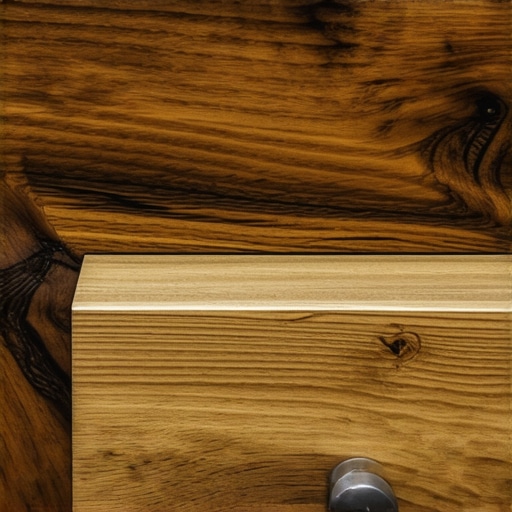
Think of a flat piece of paper; it floops over immediately. But if you fold that paper into a “V” or a “U” shape, it suddenly holds weight. This is exactly what a hardwood nosing does for your shelf. By gluing and nailing a 1.5-inch strip of solid wood to the front edge of your 3/4-inch plywood, you’ve effectively doubled the shelf’s resistance to bending. I once ignored this on a massive built-in for a client’s library. Six months later, I was back there, sheepishly retrofitting solid oak strips to every single shelf because the weight of their National Geographic collection had turned the units into a wavy mess. It was a lesson in physics I’ll never forget. 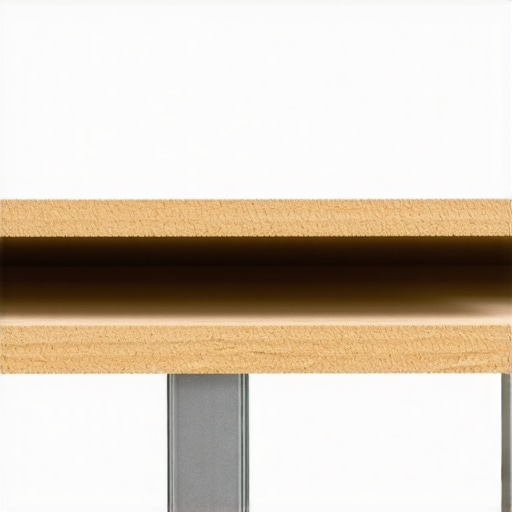
Why Cleats Must Be Your Best Friend
Stop relying on those flimsy little plastic shelf pins. If you want a shelf that can handle a 40-pound mixer, you need a perimeter cleat. This is a strip of wood or metal that runs along the back and both sides of the shelf, providing a continuous support system for the board to sit on. This is a core part of how we revolutionize your kitchen remodel using built-ins and creative storage. By supporting the shelf on three sides instead of just two points, you distribute the load and prevent the middle from dipping. In heavy-duty scenarios, you can even fix a sagging pot and pan drawer with a center support to ensure the bottom doesn’t blow out when you stack the cast iron.
Spotting the Difference in Material Grades
Not all plywood is created equal. If you head to a big-box store, you might see “Cabinet Grade” labels that are actually full of voids and thin veneers. You want to look for Baltic Birch or a high-density core. You can usually tell if your cabinet maker is using low-grade plywood by looking at the edges; if you see big gaps or knots in the inner layers, it’s going to fail. For the strongest results, we recommend plywood cases over particle board for heavy pantry shelves every single time. Plywood’s ability to hold a screw and resist moisture makes it the only choice for a high-traffic kitchen.People often think that a custom cabinets for a stylish kitchen overhaul is just about picking a door style and a color. But after twenty years in the shop, I can tell you the biggest mistake isn’t the wood—it’s the empty space. Most homeowners demand “more shelves,” thinking they’re maximizing space. In reality, they’re just creating more dark corners for expired cans to hide in. I’ve seen 24-inch deep base cabinets that were essentially black holes where expensive ingredients go to die. This is why a pull-out pantry beats deep walk-in shelves every single time. It’s not just about having the room; it’s about accessibility. If you can’t see it, you don’t have it.
How Much Weight Can Your Floating Shelves Actually Support?
This is the question that separates the DIYers from the pros. Everyone loves the minimalist look of floating timber, but physics doesn’t care about your Pinterest board. According to the National Kitchen & Bath Association (NKBA), standard wall-hung cabinetry and shelving units should be designed to handle significant dead loads, often exceeding 200 pounds for structural safety. Achieving this with a floating shelf requires more than just long screws. You have to understand leverage. If you have a 12-inch deep shelf, the weight at the front edge exerts significantly more force on the wall connection than weight at the back. This is where the best way to mount heavy floating shelves to drywall comes into play—using internal steel brackets rather than just wooden cleats. I’ve seen “premium” installs sag within weeks because the installer didn’t account for the torque of a heavy stack of dinner plates. 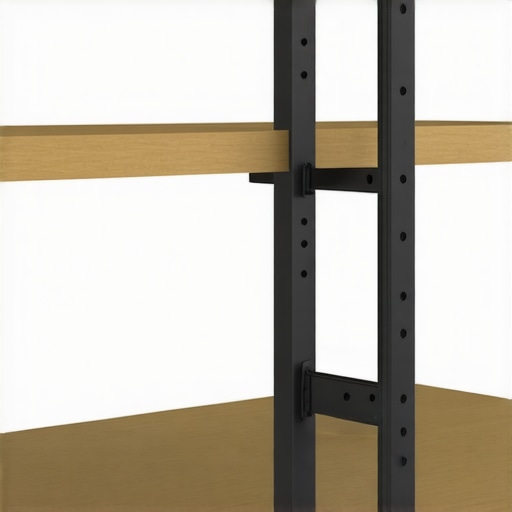
The Sink Cabinet Mistake That Costs Thousands
One of the most expensive “oops” moments I witness involves the sink base. People spend a fortune on modern kitchen remodels featuring custom cabinets and built-ins but skip the simple protective measures. Humidity and minor leaks are inevitable over a decade. Without a barrier, even high-quality plywood will eventually delaminate or start to smell. I always tell my clients that waterproof liners are mandatory for custom sink bases. It’s a nuance that doesn’t show up in the glamour shots but determines if your kitchen lasts ten years or thirty. We even go as far as designing removable cabinet bottoms to ensure maintenance isn’t a nightmare later. Have you ever fallen into the “more is better” trap with your shelving only to realize half your stuff is unreachable? Let me know in the comments—I’m curious how many of you are currently fighting a “deep cabinet” battle.
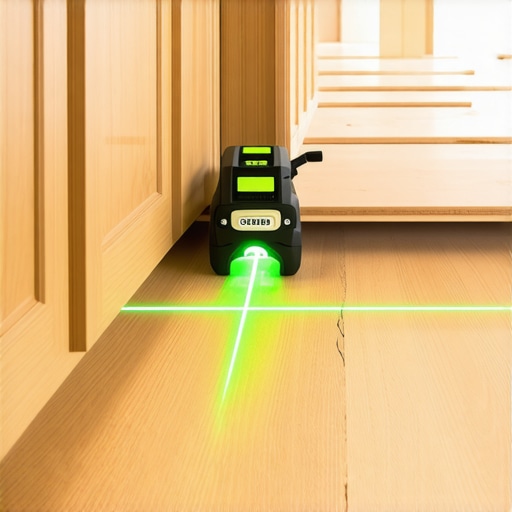
I never walk onto a job site without my 360-degree green beam laser level. If you’re still relying on a four-foot bubble level to set your base cabinets, you’re essentially building on a foundation of hope rather than math. When you’re integrating custom cabinets as a game changer in your home, the difference between a shelf that stays level for thirty years and one that starts to bind within three months is often found in the first twenty minutes of the install. Floors are never flat, and walls are never plumb; the laser level allows me to find the absolute high point of the floor so I can shim everything to a perfectly level plane. This precision prevents the racking of the cabinet boxes, which is the number one cause of doors that won’t stay aligned.
How do I maintain my custom built-ins over time?
The most frequent call I get from past clients isn’t about broken wood; it’s about hardware that has lost its ‘magic.’ Over time, dust and cooking grease can gum up the internal mechanisms of even the highest-end drawer runners. If you notice your drawers aren’t gliding perfectly, you need to understand why your soft-close slides are failing. Usually, a quick wipe-down and a shot of dry silicone lubricant will restore them to factory-smooth operation. Avoid heavy oils like WD-40, which actually attract more grit and accelerate wear. I also recommend checking your doors every spring. As the seasons change, wood moves. Knowing how to adjust European hinges with a simple screwdriver can save your cabinet frames from being chipped by misaligned doors hitting each other.
According to technical data from the Wood Components Manufacturers Association (WCMA), a mere 5% shift in relative humidity can cause a 1/8-inch expansion across a 12-inch wide solid wood panel. This is exactly why we leave ‘expansion gaps’ in our built-ins. Looking toward the future, I see a massive shift toward internal modularity. We are moving away from fixed wooden partitions and toward steel-framed internal systems that can be reconfigured as your needs change. This allows you to maximize space with innovative storage solutions that evolve with you. We’re already seeing more requests for a built-in charging station tucked inside drawers to keep the ‘digital clutter’ off those beautiful new stone tops. My advanced tip for you this week: grab a can of high-quality dry PTFE spray and lubricate your pantry pull-outs today. It takes thirty seconds and adds years to the life of the hardware. Don’t wait for the ‘grind’ to start—prevent it before it happens.
Three Realities of Heavy-Duty Storage Most Designers Skip
After years of fixing ‘premium’ failures, I’ve realized that most homeowners are sold a dream of aesthetics while the engineering is treated as an afterthought. First, you have to accept that every material has a breaking point; even the most expensive slab of walnut will eventually yield to the constant pressure of a heavy appliance if the span is too wide. Second, versatility often kills stability. We love adjustable shelves, but the more holes you drill into a cabinet side, the more you weaken the overall structure. Third, you don’t need a hundred tiny cubbies to be organized. In fact, many smart storage solutions for small kitchens in 2025 focus on fewer, high-capacity zones that utilize structural cleats rather than micro-management. I always suggest using the pantry zone method to ensure your heaviest cast iron stays on the reinforced bottom levels, keeping the center of gravity low and the stress on your upper shelves minimal.
Tools That Ensure Your Kitchen Never Sags
If you are planning to tackle some of these upgrades yourself or want to verify your contractor’s work, there are a few resources I trust implicitly. I never start a build without consulting the Architectural Woodwork Institute (AWI) standards; they provide the literal math on how much weight different wood species can handle. For the installation phase, a 360-degree green beam laser is non-negotiable. It helps you identify the high points of your floor so your custom cabinets expert guide for 2025 remains a reality and not a lopsided mess. Finally, for those tricky intersections where your cabinetry meets an uneven wall, mastering a dedicated scribing tool is the secret to learning how to scribe a built-in bookshelf to a wonky plaster wall, giving you that seamless, high-end look that stock cabinets can never replicate.
Build for the Kitchen You Actually Use
Your home is likely your most significant investment, and the kitchen is where life actually happens. Don’t let the fear of a ‘smiling’ shelf or a sagging drawer keep you from the layout you’ve always wanted. By focusing on the structural ‘bones’—the plywood cores, the solid nosing, and the perimeter cleats—you are doing more than just decorating; you are future-proofing your daily routine. When you embrace custom cabinets as a game changer, you’re investing in a space that works as hard as you do, without the constant worry of a structural failure. What’s the heaviest item currently sitting on your kitchen shelves, and have you noticed any dipping yet? Let me know in the comments below!