
Why You Need a Dedicated Charging Drawer for Your Family’s Tech
I remember the exact moment I stepped into my kitchen and realized I had no idea where the charger for my teenager’s tablet was hiding. It was a frantic search, turning over every drawer and surface, every cord tangled in a gnarly mess that seemed to multiply overnight. That frustrating scenario became a lightbulb moment for me—enough of the clutter, enough of the chaos! I knew there had to be a better way.
The Hidden Clutter Culprit in Modern Homes
In our rush to create sleek, stylish kitchens, many of us overlook a small-but-mighty detail: the charging stations. With every device requesting power—smartphones, tablets, eReaders, and even smart home gadgets—our countertops turn into a tangled web of cords. Not only does this look messy, but it also creates a safety hazard and drains our precious time each day chasing down missing chargers. According to a recent study, the average family household has over 24 connected devices, each demanding its own power source, contributing vastly to everyday clutter and stress (source).
But what if there was a smarter solution, one that keeps your family’s tech powered up, but neatly tucked away? Enter the dedicated charging drawer. I’ll admit, I was skeptical at first—wouldn’t it be just another gimmick? However, my early mistake was assuming I could simply toss chargers into a drawer and be done with it. It took some planning, but now I swear by my custom-designed charging drawer, which keeps everything organized, accessible, and—most importantly—out of sight.
Ever Faced the Charging Chaos in Your Home?
My challenge was common: misplaced chargers, cords snagged on cabinet pulls, and devices that seemed to grow legs overnight. Does this sound familiar? If so, I promise that the solution I found isn’t just about tidiness; it’s about reclaiming your space and eliminating daily frustrations.
Next up, I’ll walk you through the simple, effective steps I took to create my own charging haven—something you can easily incorporate into your kitchen remodel or built-in upgrade. Ready to transform your cluttered counters into a sleek, organized hub? Let’s dive into making this practical upgrade happen.
Selecting the Perfect Location for Your Charging Station
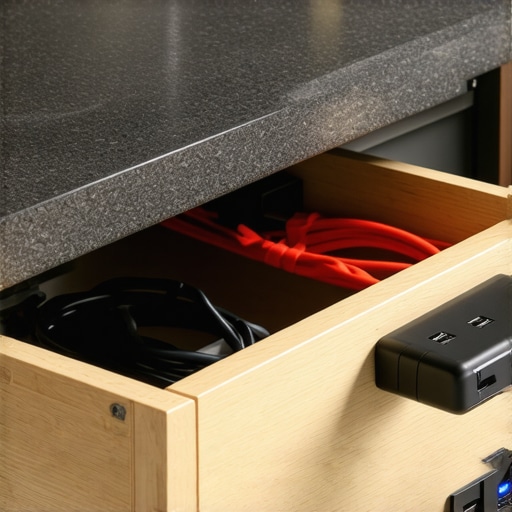
Start by choosing a spot that’s central yet discreet, such as inside a kitchen drawer or a custom cabinet partition. I once repurposed a shallow drawer near my countertop, removing the existing bottom panel to create a dedicated space. This approach kept cords hidden while making devices easily accessible, illustrating how strategic placement simplifies daily routines.
Designing Custom Storage for Cords and Devices
Think of your charging station as a micro-architecture—like designing a tiny apartment within your kitchen. Incorporate cable management features such as built-in channels, clips, or silicone keepers that prevent tangles and maintain a clean look. When I installed a pull-out tray with integrated cord wraps, it drastically reduced the spaghetti mess on my counter and streamlined device retrieval.
Choosing the Right Power Solutions
Upgrade your electrical setup by installing a dedicated, surge-protected power strip inside the compartment. Use receptacles with USB ports to cut down on cluttered adapters. I once added a PowerGorilla strip to my drawer, which provided multiple outlets without sacrificing space or safety—think of it as giving your device ecosystem a tailored power grid.
Incorporate Seamless Access and Flexibility
Design your drawer or cabinet with easy-open features—soft-close mechanisms or push-to-open latches—so the charging station is user-friendly. Remember, the goal is effortless access, not a daily wrestle. My experiment with a motorized pull-out system transformed a previously awkward space into an ergonomic hub, demonstrating how automation can boost efficiency.
Adding Finishing Touches to Elevate Aesthetics
Finish the installation with matching cabinet panels or decorative trim to blend seamlessly into your kitchen’s design. Use paintable accessories to match your existing cabinetry, creating a cohesive look. When I painted the inside of my charging drawer to match the surrounding wood, it became virtually indistinguishable from the rest of the cabinetry—proof that small details matter.
Testing and Fine-Tuning Your Setup
Once installed, plug in various devices to test cable length, accessibility, and safety features. Adjust cable paths or add Velcro ties to ensure everything stays neat. My initial setup involved a few tweaks—shortening cords, repositioning outlets—but these adjustments paid off in making the space truly functional and clutter-free.
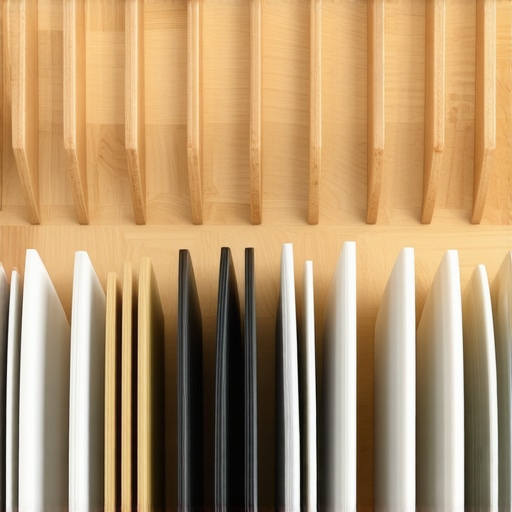
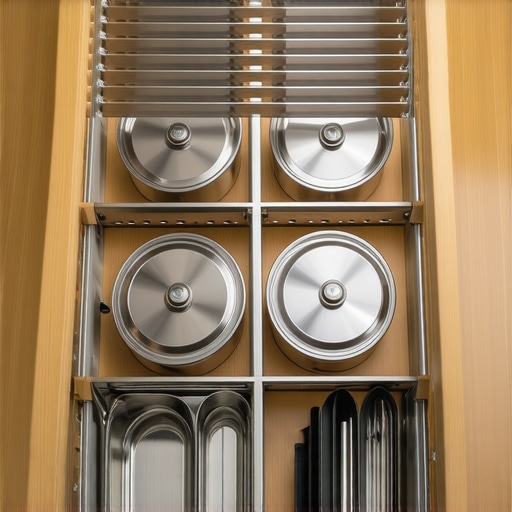
 Many homeowners assume that installing custom cabinets and built-ins is a one-size-fits-all solution for kitchen storage, but the truth is far more nuanced. A frequent misconception is that bigger is always better—large cabinets automatically mean more storage. However, without proper internal organization, oversized units can become clutter traps rather than efficient spaces. This is why expert tips suggest optimizing cabinet interiors with smart dividers and tailored shelving to truly maximize usability (source).
Another mistake many make is relying solely on superficial aesthetics, neglecting the importance of functional layouts. Beautifully designed cabinets that don’t consider workflow can lead to inefficiencies, forcing you to bend, reach, or search for essentials daily. Incorporating principles from ergonomic design elevates the utility of built-ins, transforming them from mere visual features into practical solutions (more tips here).
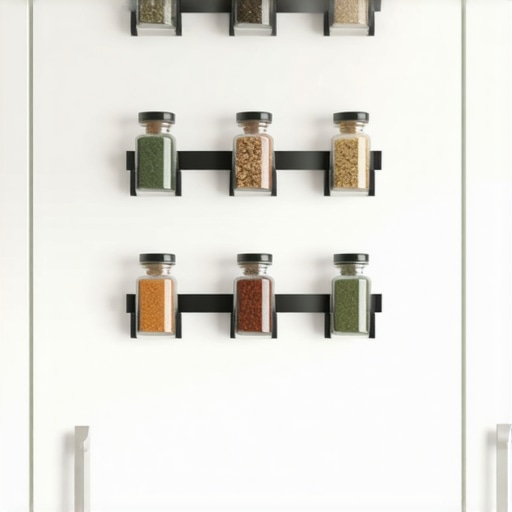
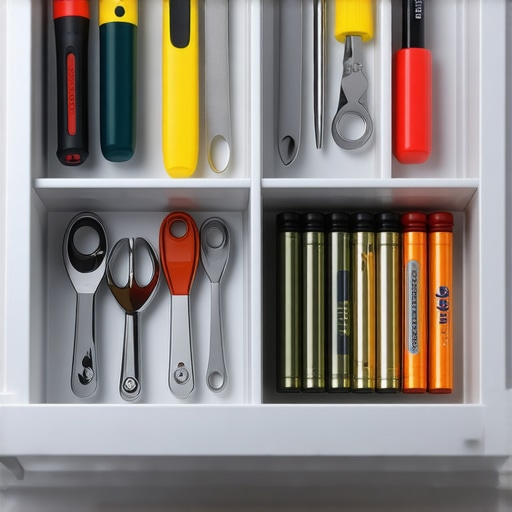
Many people also believe that all storage needs can be met with standard solutions; yet, in complex kitchen spaces, custom inserts and specialized hardware can make a significant difference. For instance, pull-out spice racks or vertical dividers prevent clutter from building up, saving space and time. Overlooking these details often results in a cluttered, inefficient kitchen that defeats the purpose of bespoke cabinetry.
What about the common myth that built-ins are exclusive to luxury homes? In reality, thoughtfully designed built-ins can adapt to a wide range of budgets by using scalable features and materials. A well-planned upgrade—like integrating a hidden charging drawer—can modernize your space without hefty renovation costs. This approach enhances both form and function, making your kitchen a true multitasking hub.
For the savvy renovator, understanding where these misconceptions lie is key to making informed decisions. Remember, not every solution suits your specific space; avoid the trap of cookie-cutter designs that overlook the importance of scale, ergonomic flow, and customization options. A strategic approach, backed by expert insights, will ensure your kitchen becomes a seamless blend of beauty and practicality.
In your experience, have you ever fallen into one of these traps? Let me know in the comments!
Maintaining your kitchen’s storage solutions, built-ins, and custom cabinets is key to ensuring they continue to serve your needs beautifully and efficiently over time. My first recommendation is investing in high-quality, non-abrasive cleaning tools. A soft microfiber cloth combined with a gentle, pH-balanced cleaner will prevent scratches and preserve finishes—something I personally swear by after noticing how harsh cleaners can degrade wood surfaces over time. For deep cleaning, I use a soft-bristled brush to reach into crevices in custom cabinetry, ensuring dust and debris don’t accumulate, which can lead to wear. Additionally, maintaining your built-ins involves checking the hardware periodically. Tightening screws and lubricating slides with silicone spray helps your drawers and doors operate smoothly, extending their lifespan.
Tools like a digital level and a carpenter’s square are invaluable for ongoing adjustments, especially in kitchens with uneven floors or when installing new accessories. For example, I use a digital level during routine check-ups of cabinet alignments to prevent misalignments from worsening. Incorporating a vacuum with a brush attachment also keeps dust out of hinges and sliding mechanisms, making maintenance quicker and less intrusive.
Looking ahead, advancements in smart maintenance tools are on the horizon. Sensors integrated into cabinets and drawers could eventually alert you to issues like loose hardware, moisture damage, or even misalignment, reducing the need for manual inspections. In fact, some innovative companies are developing apps that sync with camera systems to analyze your cabinetry’s condition—something I predict will become standard in high-end kitchens within the next few years.
How do I maintain custom storage and built-ins over time?
Creating a routine maintenance schedule is crucial. I recommend inspecting your cabinetry every six months, focusing on hardware, seals, and finishes. Using the proper cleaning tools and lubricants will keep everything operating smoothly. Remember, addressing minor issues early prevents costly repairs later—think of it as equivalent to regular oil changes in a car. For more tailored advice, check out expert tips on selecting storage solutions that withstand the test of time.
If you’re considering an upgrade, try installing a magnetic tool strip inside your cabinets for easy access to small hand tools and accessories. This small addition can significantly improve your workflow and prolong the life of your hardware by reducing unnecessary wear. Regularly inspecting hinges and slides, and applying a little silicone lubricant annually, keeps everything moving effortlessly. Remember, well-maintained cabinetry not only functions better but also retains its aesthetic appeal longer, providing lasting value for your investment.
By adopting these maintenance strategies and tools, you’ll ensure your kitchen remains as functional and beautiful as the day it was remodeled. Need more guidance? Reach out through our contact page to discuss personalized tips tailored to your space. Keep your investment shining by embracing proactive maintenance—it’s the secret to long-term kitchen success.
Throughout this journey, I’ve learned that the true power of a well-designed kitchen lies not just in its appearance but in the thoughtful details that streamline daily life. My biggest insight has been realizing that innovative storage isn’t an add-on; it’s an integral part of the kitchen experience. Shared experiences with other homeowners have shown me that investing in custom solutions, like a discreet charging drawer, transforms chaos into calm and frustration into efficiency. Embracing these design nuances means creating a space where form follows function seamlessly, elevating both the aesthetic and practicality of your home.
When I finally prioritized internal organization over superficial beauty, I discovered a world of possibilities that truly make a difference. From selecting the right hardware to integrating smart accessories, every small choice compounds into a larger empowerment—giving you control over your environment. Trust me, these subtle upgrades, backed by expert resources like storage solutions tips, have been game-changers for my remodel. The goal isn’t just a pretty kitchen; it’s a space that adapts to your lifestyle with elegance and ease.
Insider Wisdom for a Clutter-Free Future
- Size Matters When It Comes to Storage: I once believed bigger was better, but I learned that tailored interior organization is what truly maximizes efficiency. Small, well-planned compartments prevent clutter buildup and make everyday routines smoother. This lesson reshaped my approach, turning me into a proactive architect of my kitchen’s functionality.
- Not All Customizations Are Created Equal: I thought a generic built-in was enough until I realized that thoughtful insert designs, like pull-out spice racks, drastically improve usability. Elevating your cabinets with these clever add-ons ensures that every inch is optimized, saving your time and energy in the long run. For inspiration, exploring built-ins that boost functionality can provide valuable ideas.
- Don’t Overlook the Power of Details: Small touches like matching trim or painted interiors create cohesion and elevate the appearance. I underestimated how much these fine details contribute to the overall look, but they make a noticeable difference in craftsmanship and feel. Remember, perfection resides in the details.
- Stay Flexible and Adaptable: My biggest lesson is to approach storage solutions as living elements—adjustable, upgradeable, and responsive to your evolving needs. Incorporating features like modular shelving or removable dividers ensures longevity and continued satisfaction, encouraging a dynamic kitchen environment.
Resources That Elevated My Project
- Expert Tips on Storage Solutions: This resource helped me select hardware that balances durability with style, turning ordinary cabinets into organizational masterpieces. It’s a must-read if you aim for both beauty and function.
- Creative Built-in Ideas: Exploring innovative concepts from seasoned designers unlocked my imagination, pushing me beyond basic cabinetry into a realm of tailored solutions. Delve into these ideas for your project.
- Space Maximization Techniques: Applying smart storage hacks and scalable features, like vertical dividers or hidden compartments, I transformed underused spaces into highly functional zones, dramatically improving my kitchen’s flow. This approach is invaluable for making the most of every square inch.
- Design Inspiration from Online Galleries: Viewing real-life remodels inspired me and assured me that custom cabinets and built-ins are accessible and adaptable, regardless of budget. Browsing curated projects helps clarify your preferences and set realistic expectations.
Your Turn to Innovate
Armed with these insights and resources, it’s your moment to reimagine your kitchen’s potential. Remember, the key isn’t just what you add but how you incorporate thoughtful design into your everyday routines. Let your creativity shine and turn a cluttered space into an organized sanctuary that works for your unique lifestyle. Ready to make that leap? Your ideal kitchen solution is within reach, waiting for your personal touch.
Have you ever struggled with finding the perfect spot for your chargers or adapting storage to fit unconventional items? Share your stories below—let’s learn from each other’s experiences and inspire new ideas!