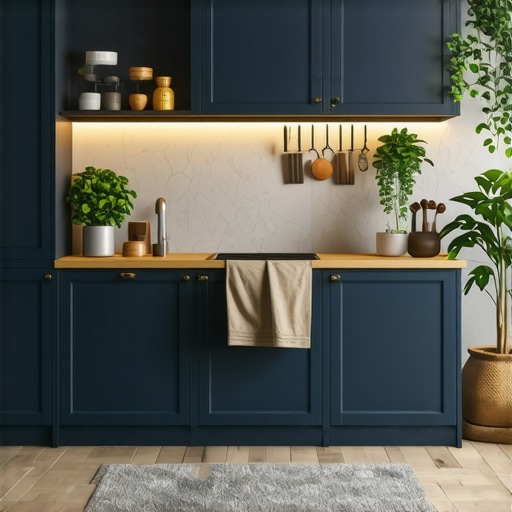
Why Your Dark Cabinets Feel Cold and How to Add Warmth
Have you ever opened your kitchen cabinets and been hit with a chilly, almost uninviting atmosphere? That sudden gust of cold air when you reach for a mug or a spice jar might seem trivial, but it can really undermine the coziness of your space. I remember the exact moment I realized my dark cabinets were making my kitchen feel colder than it actually was. It was late one evening, and as I reached into a shadowy corner, I felt a jolt of unexpected chill—like the room had latched onto the winter outside and brought it inside. That lightbulb moment made me dig deeper into why dark cabinetry can seem to absorb and radiate coolness, even when your thermostat says otherwise.
Why Dark Cabinets Feel So Cold and How to Fix It
It’s a common misconception that a room’s temperature depends solely on heating or insulation. However, the visual warmth—or lack thereof—plays a surprisingly big role. Dark, matte finishes and deep stains tend to absorb light and create a somber, chilly vibe, especially in kitchens with limited natural light. Without enough reflective surfaces or warmth-inducing accents, your space can feel less inviting and more like a winter cave. The good news? You can add that comforting warmth easily. Natural textures, brighter lighting, and even a coat of warmer paint or decorative elements can completely transform the feel of your cabinets and the room overall.
Is Brightening Your Cabinets Really Worth It?
Early on, I made the mistake of assuming adding warm tones was superficial. I’d spent weeks planning a complete kitchen overhaul, but neglected the small details that influence ambiance. Trust me, neglecting to incorporate lighter colors or strategic lighting made my kitchen appear more dull and cold than cozy. Consulting experts, I found that simple adjustments—like aligning your lighting with your cabinetry or choosing warmer cabinet hardware—could make a dramatic difference. Want to discover practical ways to infuse warmth into your kitchen? Check out some innovative storage solutions that not only enhance functionality but also add visual warmth —like built-ins that reflect light and soften dark shades. You can explore these ideas in detail through articles like modern kitchen remodels or custom cabinet ideas.
Before diving into solutions, it’s important to recognize a common mistake—underestimating how lighting and small design choices impact the perceived temperature. Brightening up those dark corners, upgrading hardware to warmer finishes, and incorporating textured accessories can make an immediate difference. Ready to learn the step-by-step approach to transforming your cold, dark cabinets into the heartwarming feature of your kitchen? Let’s get to it.
,
Start with Strategic Lighting Placement
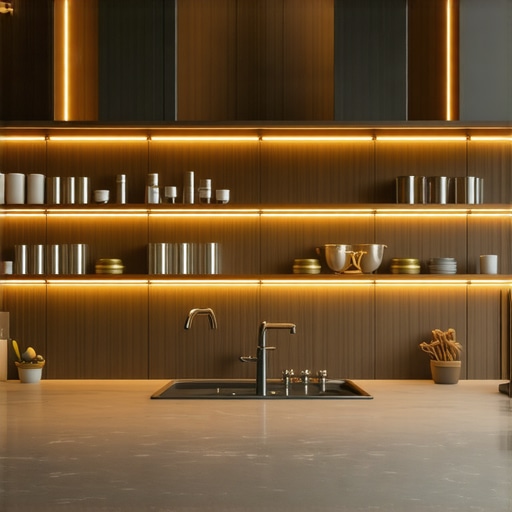
My first move was to install under-cabinet LED strip lights. I clamped the strips beneath the cabinet overhangs, which illuminated the countertops and reflected light onto the dark cabinet faces. To do this effectively, measure the cabinet length, cut the LED strips to fit, and secure them with clips. Connect the wiring neatly along edges to avoid clutter. This step instantly increased the ambient light, making the cabinets look lighter and the space warmer. Think of it as turning on a gentle glow around your cabinets—like giving them a cozy hug, and I learned quickly how critical placement is when I accidentally installed them too far back, which caused uneven lighting.
Reface with Warmer Finishes and Hardware
Next, I replaced the cabinet handles with warm-toned brass pulls. The hardware doesn’t just serve a functional purpose; it’s a visual anchor that can shift the tone drastically. I chose elongated pulls for a modern look and attached them securely with a drill, ensuring the screws were tight and flush. For the cabinet doors, I considered adding a veneer in warm oak or cherry to overturn the cold appearance of the original dark finish. I actually tried a peel-and-stick veneer — messy at first — but it dramatically enhanced the visual warmth. Remember, simplifying hardware and selecting warmer, natural-looking materials is like seasoning your space with comfort. For more hardware ideas, see custom cabinet ideas.
Use Paint and Decorative Accents for Instant Transformation
I painted the upper walls with a soft, warm white to contrast the dark cabinets. Using a high-quality primer and semi-gloss finish, I brushed on two coats, which provided a reflective surface that brightened the entire room. A tip I learned quick was to use painter’s tape to create clean edges—messy paint lines kill the effect. Additionally, I added textured fabric curtains and cozy wooden accessories. These accents act as visual buffers that absorb light and add tactile warmth, simulating a sunlit kitchen. It’s like wrapping your space in a soft blanket. For comprehensive ideas on transforming your style, check out custom cabinet ideas.
Upgrade Your Surrounding Surfaces and Textures
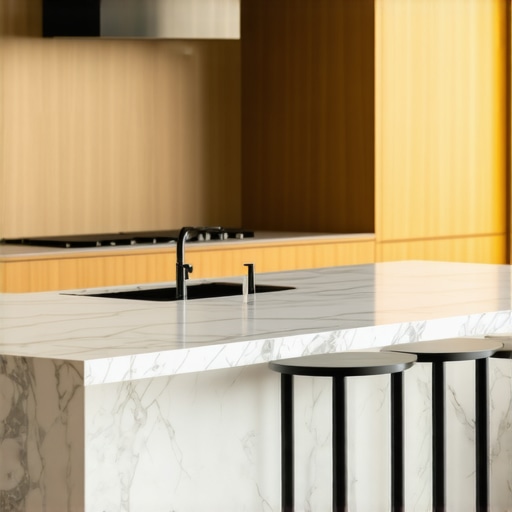
To soften the overall vibe, I swapped out the dark granite countertops for a lighter quartz option. The new surface not only brightened the space but also reflected light better, creating a more inviting environment. Additionally, I incorporated textured rugs and linen towels, which add layers of warmth without cluttering the counters. Think of your kitchen like a painting: adding reflective surfaces and soft textures enhances depth and warmth. Applying this is straightforward: visit modern kitchens and observe how these subtle touches make a difference.
Reevaluate and Tweak for Consistency
Finally, I assessed my lighting and accents periodically, adjusting the brightness of the LEDs and swapping decor pieces to maintain the cozy effect. It’s an ongoing process—like tuning a musical instrument. Small tweaks here and there go a long way to keeping your space inviting. Remember, brightening dark cabinets isn’t a one-time fix; it’s a composition of strategic lighting, warm finishes, and curated accents that together create a cozy, inviting kitchen. For more ideas on maximizing your space, see smart storage solutions and turn your kitchen into a haven.When it comes to designing custom cabinets and built-ins, many homeowners operate under assumptions that can lead to costly mistakes. One widespread myth is that bigger is always better, with the belief that more storage automatically equates to a more functional kitchen. However, in my experience, volume without thoughtful organization can result in cluttered, inefficient spaces. Effective storage isn’t just about capacity—it’s about clever layout and accessibility. Rushing into large, elaborate cabinets without considering your actual usage patterns often leads to underused spaces and increased maintenance. A smarter approach emphasizes tailored solutions; for example, incorporating pull-out shelves or vertical dividers can maximize every inch. To truly optimize your space, study how experts plan bespoke storage, such as in expert tips on selecting storage.
Invest in Quality Tools for Longevity and Precision
When it comes to maintaining and scaling your custom cabinetry or built-ins, having the right tools is paramount. I personally rely on a high-quality orbital sander from brands like Dewalt for refinishing tasks. Its variable speed control allows me to smooth surfaces evenly without gouging the wood, ensuring a professional finish that stands the test of time. For measuring and alignment, I swear by a digital caliper and a laser level; these provide precision that traditional tape measures can’t match, especially when aligning multiple units or installing complex built-ins. Using a Fein MultiMaster oscillating tool is also a game changer for detail work, such as cleaning out joint spaces or installing edge banding smoothly. These tools not only save time but enhance the accuracy and durability of your installations, which is crucial for long-term results. As trends move toward smarter home integration, I predict we’ll see an increase in digital measuring devices and robotic tools that can automate parts of cabinetry installation and maintenance, further reducing errors and improving quality.
How do I maintain my cabinetry over time?
Regular inspection and gentle cleaning prevent minor issues from escalating into major repairs. I recommend checking hinges, drawer slides, and hardware every six months, lubricating moving parts with manufacturer-approved oils to ensure smooth operation. When cleaning surfaces, use a soft cloth and a mild, wood-safe cleaner—avoiding harsh chemicals that can degrade finishes. For built-ins with UV finishes or painted surfaces, periodic reapplication of a protective wax or sealant keeps the surface looking fresh and guards against moisture damage. Sticking to a maintenance routine helps your cabinetry stay functional and beautiful for years to come. Also, consider consulting experts for software solutions like storage optimization tools that can guide long-term planning and scaling efforts. Remember, proactive maintenance is less costly than fixing neglect-related damage later on.
Select Long-Lasting Materials and Finishes
Choosing durable materials is a cornerstone of building systems that scale and last. For example, I favor marine-grade plywood or MDF with high-dimensional stability for large built-ins because they resist warping and cracking over time. Applying finishes like catalyzed urethane or conversion varnish provides a tough, chemical-resistant surface that stands up to daily wear and tear. Regular touch-ups and re-coating every few years are simple ways to preserve these protective layers. As the demand for sustainable and low-maintenance options grows, engineered composites with advanced coatings are becoming more prevalent — offering long-term performance with less upkeep. Think about your future needs now by exploring innovative built-in solutions that are both resilient and adaptable.
Create Room for Growth with Modular Systems
Scaling your cabinetry or storage often requires flexible design principles. Modular systems allow you to add or rearrange components without ripping out entire walls or furniture pieces. I recommend starting with standardized panel sizes and adjustable shelving brackets; these small investments make future expansion straightforward. To facilitate seamless scaling, consider integrating smart connectors and quick-release hardware — a trend I see gaining popularity as homeowners seek adaptable spaces. For instance, a well-designed modular pantry can evolve from occupying a small corner to a fully equipped walk-in over the years, saving time and money. Embracing this approach also makes maintenance easier; individual modules can be removed and serviced independently. As the industry develops, expect innovations like interior-mounted motors for automated adjustments, further simplifying long-term upkeep and expansion.
Embrace Technology for Ongoing Care
Digital maintenance logs and monitoring apps are increasingly shaping the future of cabinet upkeep. By recording retrofit dates, hardware upgrades, and cleaning schedules digitally, you can stay organized and anticipate future needs proactively. I personally use a project management app tailored for home renovation tracking to document every touch-up and upgrade, creating a timeline that guides maintenance cycles. For example, monitoring your hardware wear patterns through sensor-based tools can alert you when a hinge or slide is nearing the end of its lifespan, preventing sudden failures. Exploring these smart maintenance solutions now could revolutionize how you care for your built-ins in 2025 and beyond. To kickstart your next project, try setting up a digital inventory of your hardware and finishes — this simple step helps maintain consistency and simplifies future repairs or upgrades.
Remember, meticulous care and strategic planning are the pillars of long-lasting, scalable cabinetry and built-ins. Regularly upgrading your toolkit with essential, precision-focused equipment ensures you stay ahead in maintenance and creation. Take a cue from industry experts and incorporate advanced tools like laser levels and oscillating multi-tools into your routine. Doing so not only preserves your investment but sets the stage for future growth and innovation. Ready to elevate your maintenance game? Start with one smart tool—perhaps a laser measuring device—and see how it transforms your workflow. For more insights on optimizing your storage solutions, visit modern kitchen remodels and step into a future where every inch of your space is optimized for function and durability.
Three Surprising Truths I Discovered About Custom Cabinets and Cozy Spaces
- Lighting Makes or Breaks the Mood: No matter how beautiful your cabinets are, poor lighting can turn your kitchen into a cold, uninviting space. Installing under-cabinet LEDs was my game-changer, illuminating dark corners and reflecting warmth into the room.
- Hardware Sets the Emotional Tone: Swapping cold, metallic pulls for warm brass fixtures subtly shifted the entire vibe, making the space feel welcoming rather than stark. Small details like this have a surprisingly big impact.
- Textures Convey Comfort Instantly: Accents such as woven curtains and textured accessories add layers of warmth that soothe the senses. These tactile elements create an environment where you want to linger, not just pass through.
- My biggest learning was that transforming a dark, chilly kitchen isn’t about mega renovations but thoughtful adjustments—lighting, hardware, and accents work together to craft a space that feels like home.
Tools I Can’t Live Without for Kitchen Revival
- LED Strip Lights: Essential for brightening up dark cabinets and creating inviting ambiance. I trust brands like Philips for quality and ease of installation.
- Warm-tone Hardware: Brass pulls and knobs elevate the look instantly—recommendation from design pros to add warmth without extensive changes.
- High-Quality Paints and Finishes: A semi-gloss warm white can dramatically reflect light, making your dark cabinets feel lighter. I prefer brands with excellent coverage and durability.
- Decorative Textiles: Linen towels and woven curtains add softness. These are affordable, easy upgrades that pay huge visual dividends.
Rise to the Challenge and Make It Your Own
Revamping your kitchen to embrace warmth and coziness is a journey worth taking. Whether it’s your first attempt or a refinement over time, every small change counts. Remember, your space is a reflection of your personal style and comfort—so don’t hesitate to experiment with lighting, hardware, or textures. Want to explore more innovative ideas? Dive into building in clever storage solutions or check out custom cabinet ideas that upgrade your home’s style. Your cozy kitchen awaits—it’s just a few strategic tweaks away. What small change will you make today to turn your cabinets into a warm, welcoming feature? Let me know below.