4 Ways to Integrate a Hidden Dog Crate into Your Kitchen Island
I’ll never forget the day I finished my dream kitchen remodel only to realize I’d completely forgotten about Buster. There I was, standing on brand-new white oak floors, staring at a hideous, rattling wire cage that took up three feet of walking space right in the main thoroughfare. Every time I tried to cook, I was doing a high-stakes dance around metal bars and a shedding Labrador. It felt like putting a rusty bicycle in the middle of an art gallery. My dog is family, but his bedroom was a total design disaster that ruined the flow of my new space. If you’ve ever barked your shins on a metal latch at 6 AM while trying to reach the coffee maker, you know exactly what I’m talking about. It’s frustrating, it’s noisy, and honestly, it’s totally unnecessary in a modern home.
Build a Kitchen That Doesn’t Make You Trip Over Your Best Friend
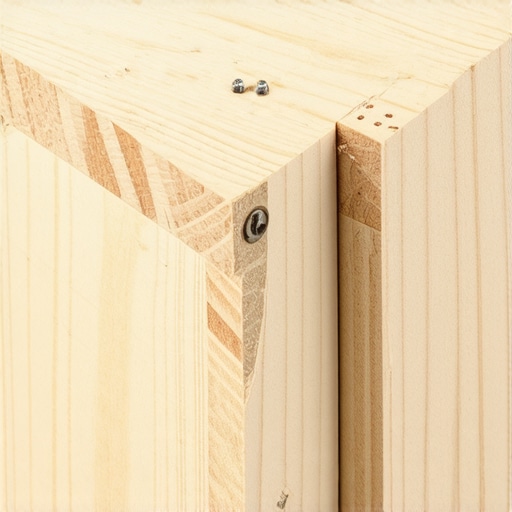
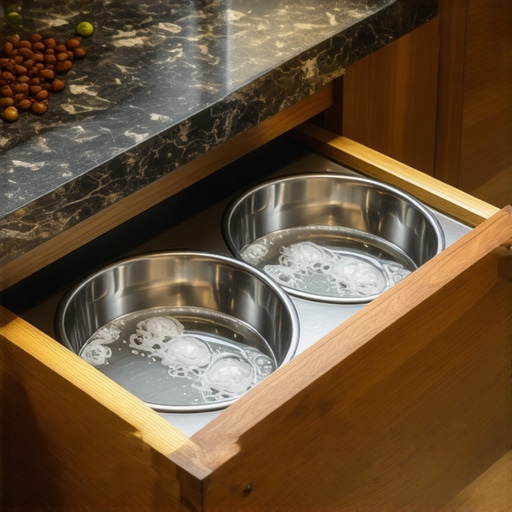
[image_placeholder_1] We spend thousands on custom cabinets as a game-changer in your kitchen remodel journey, yet we often treat our pets’ living quarters as an afterthought that belongs in a dark corner or a cramped mudroom. It doesn’t have to be a choice between a magazine-worthy home and a happy pup. I’ve learned the hard way that integrating a ‘den’ into your island is the ultimate way to revolutionize your kitchen remodel using built-ins and creative storage. Early on, I made the mistake of trying to DIY a crate out of a standard base cabinet without considering airflow. I just removed the door and threw a cushion in there. Let me tell you, a panting dog in a closed-off wooden box creates a lot of humidity—I eventually found that the constant moisture from his breath caused the particle board to swell and peel. I learned then that quality materials are non-negotiable for pet zones, which is why I now only recommend plywood cases over particle board for any built-in pet furniture.
Does giving up a whole cabinet for the dog actually make sense?
It’s the number one bit of skepticism I hear from homeowners. You’re worried about losing space for your stand mixer or that massive pot you only use for Sunday sauce. But here is the reality: according to the American Pet Products Association, 66% of U.S. households now own a pet, and we are increasingly designing our homes to reflect that reality rather than fighting against it. When you use smart storage ideas to maximize your kitchen space this year, you realize that a dedicated pet zone actually frees up the rest of the floor. You aren’t losing a cabinet; you’re gaining a hallway that is no longer a dangerous obstacle course for your shins. Today, I’m going to show you exactly how to tuck that crate away so it’s invisible to guests but remains a cozy sanctuary for your four-legged best friend. We’re talking about seamless finishes, decorative mesh for airflow, and why your island is the prime real estate for this pet-centric upgrade. Have you ever felt like your dog’s crate was basically a giant, ugly roommate you couldn’t kick out?
Give Your Dog Room to Turn Around Without Eating Your Floor Space
The biggest mistake most homeowners make is sizing the crate for the dog as it stands, rather than as it sleeps. Think of your built-in crate like a sleeping car on a train; it needs to be efficient but not claustrophobic. When creating seamless kitchen remasters with built-in storage solutions, I always suggest adding at least four inches to the dog’s standing height and length. I remember a project for a client with a massive Great Pyrenees where we tried to tuck the kennel under a standard 36-inch counter. We realized too late that with the thickness of the stone and the cabinet floor, the poor dog would have been hunched over like a gargoyle. We ended up having to raise a section of the island to 42 inches, which actually created a perfect ‘bar height’ breakfast nook on one side while giving the dog the headroom he deserved. It taught me that modern kitchen remodels featuring custom cabinets and built-ins must prioritize the inhabitant’s ergonomics, even if that inhabitant has four legs.
Why Airflow is the Difference Between a Den and an Oven
If you’ve ever sat in a car with the windows up on a mild day, you know how quickly it gets stuffy. A dog’s body temperature is higher than ours, and a wooden box is a natural insulator. You cannot simply use a standard cabinet door. To keep the space safe, you need to incorporate decorative wire mesh or laser-cut metal panels into the door and the side gables. This is a similar concept to how to hide your microwave without restricting airflow; without a path for heat to escape, the space becomes uncomfortable. I prefer using heavy-duty powder-coated steel mesh because it stands up to the occasional ‘I’m ready to go for a walk’ scratching.
Stop Moisture Damage with the Right Base Materials
Let’s talk about the ‘ick’ factor. Dogs drool, they track in mud, and sometimes they have accidents. If you build your pet zone out of cheap materials, the first time a water bowl tips over, your expensive island is going to start warping. This is exactly why we recommend plywood cases over particle board for any area prone to moisture. For a pet den, I go a step further and install a removable, waterproof tray—similar to the ones found in traditional wire crates—at the base of the cabinet. This allows you to slide the mess out, hose it down in the yard, and slide it back in without ever touching the wood.
Pick a Spot That Doesn’t Create a Traffic Jam
Location is everything. You don’t want your dog’s bedroom door swinging open into the middle of your work triangle. When you how to plan a kitchen island that doesn’t block the dishwasher path, you should apply that same logic to the dog. I once saw a beautiful remodel where the dog crate opened directly into the path of the refrigerator. Every time the dog went for a nap, the homeowner couldn’t get the milk out for coffee. We fixed it by using pocket doors that slide back into the cabinet walls. It’s the ultimate hidden drawer hack for extra storage in your kitchen island, but instead of storing spatulas, you’re ‘storing’ the door so it doesn’t become a tripping hazard.Everyone tells you that more customization is the ultimate goal, but I’ve seen homeowners go so deep into the weeds of hyper-specific storage that they end up with a kitchen that only works for one specific person at one specific moment in time. If you build a cabinet that *only* fits a 2024-model stand mixer with zero clearance, you’re setting yourself up for failure when that appliance eventually dies and its successor is an inch taller. I call this the ‘specification trap.’ True custom cabinets as a game-changer in your kitchen remodel journey should be about adaptable longevity, not rigid constraints. Have you ever fallen into this trap where you built something so specific it became useless a year later? Let me know in the comments.
The ‘Solid Wood’ Myth and the Science of Kitchen Humidity
Let’s talk about the ‘solid wood’ obsession. Most people think solid wood is the gold standard for every square inch of their home, but understanding why solid wood cabinet doors are prone to cracking in winter is a lesson in wood science that many homeowners learn too late. In a kitchen, where humidity fluctuates wildly between boiling pasta and winter heating, solid wood moves—a lot. For painted finishes, I actually prefer a high-grade MDF or a hybrid panel because it stays dimensionally stable. This is why painted maple beats oak for a smooth cabinet finish if you want that seamless, high-end look without the hairline fractures in the paint every December.
What happens to your custom pet zone if you eventually sell your home?
This is a sophisticated concern that often gets ignored in the excitement of a renovation. You don’t want to alienate a future buyer who doesn’t have a dog or who has a different breed entirely. The ‘oops’ factor here is making the built-in crate a permanent, unchangeable structural feature. Instead, use expert tips on selecting storage solutions for a perfect kitchen upgrade to design the space as a modular unit. I design my pet dens with a removable front decorative panel so the space can easily revert back to a standard open shelf or even a spot for a wine fridge later. According to the National Kitchen & Bath Association (NKBA), flexible ‘flex-zones’ are one of the top design trends for 2025 because they protect the home’s resale value while serving your current lifestyle perfectly.
Why Your Hardware Choice Can Make or Break High-End Storage
The hidden nuance of innovative storage solutions for modern kitchen remodels is often in the hardware, not the wood. Most people focus on the door style, but the hardware is the engine that keeps the kitchen running. For example, why European hinges are the only way to get a zero-gap look is something your average big-box contractor might skip over to save a few dollars. But if those hinges aren’t heavy-duty and adjustable in three dimensions, the weight of a custom-paneled door will cause it to sag within months. Always check the weight rating of your slides and hinges before the installation begins. If you are using smart storage ideas to maximize your kitchen space this year, you are likely adding more weight to your drawers than ever before; don’t let a cheap slide be the reason your beautiful custom drawer jams after six months of use.
If you’re going to invest in high-end cabinetry, you need the right tools to keep it from looking like a DIY disaster after a few years of heavy use. I never walk onto a job site without my Blum ECODRILL. It’s a specialized hand-held tool that ensures every hinge cup is bored with surgical precision. Without it, you’re just guessing, and a fraction of a millimeter off means your doors will never hang perfectly flush. If you find your doors are starting to sag over time, don’t panic. You just need to learn how to adjust european hinges when your doors are crooked. It’s a ten-minute fix that makes a world of difference in the overall feel of your kitchen. I also swear by the Bosch GLL3-330CG laser level for any built-in installation. Traditional bubble levels are fine for hanging a picture, but when you are creating seamless kitchen remasters with built-in storage solutions, you need a 360-degree reference line to ensure your island is perfectly plumb with your perimeter walls.
How do I keep my custom cabinets looking new for decades?
Maintenance isn’t just about wiping down the fronts with a damp cloth; it is about proactive moisture management. One of the most effective moves I’ve seen is the vancouver plumber trick why waterproof liners are mandatory for custom sink bases. A simple waterproof mat can save a multi-thousand-dollar cabinet from a slow, invisible leak. If you ignore this, you’ll eventually be looking for the sink base drainage repair every homeowner needs to prevent cabinet rot. Furthermore, if your drawers aren’t gliding like they used to, it’s usually a debris issue in the ball bearings or a slight misalignment in the rail. I always check the 3 step fix for drawer slides that wont stay closed before I even think about replacing expensive hardware. Often, it’s just a tiny adjustment to the tension screw. I’ve found that understanding why soft close hinges fail and the simple tension adjustment is the most requested ‘how-to’ from my clients because these modern marvels are high-performance parts that require occasional tuning.
Smart Cabinets Are the Future of Home Value
Looking ahead to 2025 and beyond, I see the industry moving toward ‘active’ cabinetry. We aren’t just talking about innovative storage solutions for modern kitchen remodels; we are talking about integrated tech. Imagine a cabinet that sends a notification to your phone the second it detects moisture under the sink or a pantry shelf that tracks your inventory. Technical documentation from manufacturers like Blum already hints at more electronic drive-assist features becoming the standard. This isn’t just about luxury; it’s about building a home that protects itself. For now, take a look at your own kitchen island. If the doors are hitting each other or clicking when they close, don’t wait for them to fail. Grab a Pozidriv screwdriver—not a standard Phillips, as it will strip the screws—and spend ten minutes centering those hinges. You’ll be surprised at how much ‘newer’ your kitchen feels with everything aligned.
The Secret Mistakes That Turn Custom Dens Into Costly Disasters
After years of installing built-ins, I’ve realized that the small details make the biggest impact on your daily peace. First, if you choose a metal mesh for the door, apply a tiny bead of clear silicone where the metal meets the wood frame. This stops the “rattle” every time your dog shifts at night. Second, don’t over-complicate the interior. Your dog wants a den, not a nightclub, so skip the integrated LEDs inside the crate. I often use the same logic for how to hide your trash can without sacrificing floor space—function and simplicity should always lead. Finally, always ensure you have a “plan B.” Designing a modular front means you can swap the pet gate for a standard door if your needs change, which is one of the most expert tips on selecting storage solutions for a perfect kitchen upgrade I can offer.
The Toolkit That Keeps My Kitchens Looking Showroom Ready
If you’re tackling any part of this yourself or just want to keep your cabinets in peak condition, there are three things I never go without. I rely on high-quality hardware because why european hinges are the only way to get a zero-gap look is a hill I will die on; they offer the adjustability you need as your house settles. I also recommend every homeowner keep a Pozidriv screwdriver on hand to prevent stripping the screws on your hinges. For protection, I always point people toward the vancouver plumber trick why waterproof liners are mandatory for custom sink bases. These aren’t just for sinks; I put them at the bottom of every pet den to save the wood from spills or messes.
Create a Space That Actually Works for Every Member of Your Family
[image_placeholder_final]
Your kitchen is the heart of your home, and it should reflect how you actually live—pets and all. Investing in innovative storage solutions for modern kitchen remodels isn’t just about aesthetics; it’s about removing those daily friction points like tripping over a wire crate. When you take the time to plan for the “hidden” members of your household, the entire space feels more intentional and peaceful. Have you ever tried to hide a pet crate in your home, or do you have a different storage challenge that’s driving you crazy? Let me know in the comments!