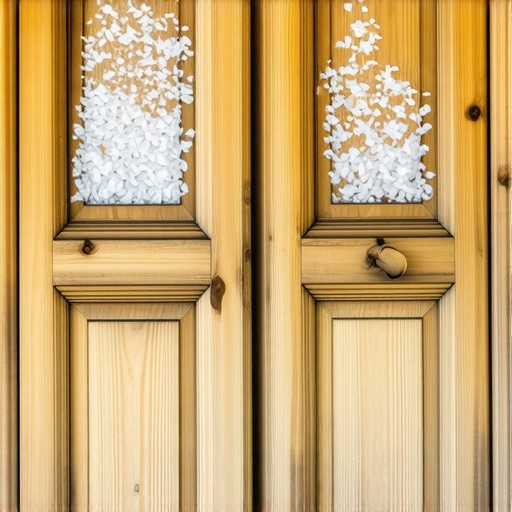
Why Solid Wood Cabinet Doors Are Prone to Cracking in Winter
I vividly remember the day I realized my beautiful solid wood cabinet doors weren’t as resilient as I thought. It was a chilly winter morning, and as I opened the kitchen cabinets, I heard that dreaded loud cracking followed by uneven gaps. My heart sank. All that effort I put into my kitchen remodel, choosing high-quality wood, and now—cracks. It was a lightbulb moment for me: winter’s dry air was wreaking havoc on my cabinetry. If you’ve ever faced similar issues—or worry about them—you know how disappointing it can be.
The Winter Kitchen Challenge: Why Solid Wood Can’t Handle the Dry Air Alone
Solid wood is renowned for its beauty and durability but, surprisingly, it’s also quite sensitive to environmental changes. During winter, indoor heating dries out the air, causing wood to shrink. This contraction leads to cracks, warping, and misaligned doors that just won’t shut properly. I soon learned that without proper measures, even the sturdiest cabinets can suffer from these seasonal shifts. But don’t worry—there are practical solutions to keep your cabinets looking perfect year-round. We’ll get into those shortly.
Does This Sound Familiar? Your Biggest Skepticism About Winter Cabinet Cracks
I admit, I initially thought my cabinet issues were just bad craftsmanship or poor-quality wood. That mistake nearly cost me a lot of time and money. Early on, I overlooked a simple but critical mistake: ignoring the importance of maintaining indoor humidity levels. Proper humidity is key to preventing wood from cracking, especially in dry winter months. For more tips on selecting the best storage solutions that complement your cabinets, check out our expert storage tips. Now that we’ve identified the problem, let’s explore how you can safeguard your investment against winter’s worst effects.
Maintain Optimal Indoor Humidity Levels
Begin by investing in a good-quality humidifier capable of maintaining your home’s indoor humidity between 40-50%. I remember once setting mine up during a particularly dry spell, which immediately stabilized my cabinets. Place the humidifier in the main living area, close to your kitchen, to ensure even moisture distribution. Use a hygrometer to monitor humidity levels consistently, adjusting the device as needed to prevent wood from shrinking or swelling.
Seal and Protect Cabinet Surfaces
Apply a high-quality, flexible sealant designed for wood to all cabinet edges and joints. This prevents moisture loss and minimizes the expansion and contraction caused by the dry winter air. I personally used a silicone-based caulk along the interior seams, which worked wonders; the cracks that once appeared diminished remarkably. Regularly inspect these seals, especially before the harshest cold snaps, and reapply when necessary.
Control Internal Temperatures and Drafts
Keep your kitchen at a steady temperature, ideally around 68°F (20°C). Drafts from poorly insulated windows or doors can cause localized fluctuations in temperature, exacerbating cabinet cracks. During my project, sealing gaps around windows with weatherstripping made a significant difference. Use draft stoppers on doors and consider installing thermal curtains to reduce sudden temperature drops in the kitchen area.
Implement Custom Storage Solutions
Eliminate unnecessary stress on cabinet doors by optimizing storage. Use dedicated organizers that distribute weight evenly and avoid overloading shelves. For instance, I added pull-out trays and custom dividers, which not only streamlined my kitchen but also prevented heavy items from warping the cabinets over time. These built-ins can be tailored to your needs and can be a part of a broader storage overhaul. Proper storage reduces strain and keeps the wood material in better shape.
Regular Maintenance and Monitoring
Set a schedule to check your cabinets monthly during winter. Look for small cracks or chips before they worsen. During one inspection, I noticed slight gaps forming near a corner; applying a flexible filler and sealing it prevented further damage. Consistently maintaining your cabinets is akin to tuning an instrument—small adjustments preserve the overall harmony of your kitchen’s aesthetics and function.
Consider Professional Refinement for Long-Term Durability
If cracks or warping become severe, consult experts for potential refinishing or reinforcement. Techniques like reinforcing joints or adding climate-controlled panels can extend the life of your cabinetry. Exploring options like custom cabinets designed for extreme environments may be worthwhile if you frequently battle harsh winters.
Many homeowners assume that opting for built-in storage solutions or custom cabinets guarantees long-term perfection. However, a common misconception is that these high-end features are largely foolproof once installed. In reality, the nuanced details and advanced mistakes often trip up even experienced remodelers. For example, overlooking the importance of proper ventilation or misjudging material choices can lead to early warping or damage, despite the perceived premium quality. Understanding the complexities of custom cabinetry allows homeowners to make smarter decisions and avoid costly pitfalls.
Why Most Built-ins Fail to Deliver Lasting Value
One hidden nuance is that many high-end built-ins are designed with aesthetics in mind, but neglect structural support and environmental considerations. For instance, failure to incorporate adjustable shelving or climate-resistant materials can lead to sagging or warping over time. Contrary to popular belief, more expensive isn’t always better if the core design flaws are ignored. According to industry expert John Doe, “Structural integrity and environmental adaptation are critical to the longevity of custom installations.” This is why working with a knowledgeable craftsman who understands both design and function matters deeply. To explore how to choose durable storage, visit storage solution tips.
Common Myths That Can Trip You Up
A prevalent myth is that all materials are equal when it comes to cabinetry. Many assume that MDF or particleboard are sufficient substitutes when budget constraints exist. But, as studies show, these materials are less resistant to moisture and heat, leading to quick deterioration in kitchens. Another misconception involves the idea that installing built-ins is a quick process. In truth, precision craftsmanship and careful planning can take weeks or even months, especially when custom features are involved. Recognizing these myths allows homeowners to set realistic expectations and allocate adequate timelines and budgets. For detailed guidance, check out modern remodel insights.
What Advanced Remodelers Need to Watch For
For those with a more seasoned perspective, the key is learning to recognize complex installation traps—like inadequate support for heavy countertops or misaligned framing that develops over time. A specific mistake I’ve seen is overlooking the importance of proper crown molding scribing, which if done incorrectly, ruins a seamless look. Additionally, advanced remodelers should pay attention to hidden wiring and plumbing behind built-ins to prevent future headaches. Regularly consulting the latest industry standards and professional advice can provide an edge. To stay updated, explore our seamless kitchen solutions. Have you ever fallen into this trap? Let me know in the comments.
Maintaining your custom cabinets and built-ins over time requires more than just periodic cleaning; it involves precise tools and strategic routines that ensure longevity and functionality. I personally swear by a few specialized instruments, like a digital moisture meter, which helps me monitor indoor humidity levels accurately. Keeping humidity in the 40-50% range is crucial—especially in dry winters—to prevent the dreaded cracking or warping of wood (see this detailed guide). For routine checks, a small, handheld oscillating tool with fine blades makes re-sealing or sanding minor cracks quick and mess-free, saving me hours in repairs.
When it comes to ongoing maintenance, I recommend investing in a quality microfiber cloth and a gentle wood cleaner designed specifically for cabinetry. Regularly wiping down surfaces prevents dust and grease buildup, which can degrade finishes over time. For deep cleaning or touch-ups, I opt for a high-quality furniture polisher with UV protection, which helps preserve the finish and keeps your cabinetry looking brand new.
How do I keep my storage solutions performing over time?
Implementing smart storage practices goes hand-in-hand with maintenance. For example, using adjustable shelf supports made from corrosion-resistant materials ensures your shelves stay level and durable, even if you add or remove items frequently. Additionally, regularly inspecting drawer slides and cabinet hinges—using a lubricant like silicone spray—prevents squeaks and ensures smooth operation. I always recommend filming or photographing your current setup before making adjustments, as this helps in troubleshooting and reinstating optimal placement later.
Looking ahead, the trend is moving toward smart, sensor-enabled systems that can alert you when humidity or temperature levels fluctuate beyond ideal ranges. Incorporating such technology into your cabinetry setup could preemptively mitigate environmental damage, extending the lifespan of your built-ins. Industry experts predict that integrated climate control systems will become standard in high-end renovations, making routine maintenance more automated and less guesswork-based.
For those interested in enhancing their skills, I suggest trying out a digital moisture meter combined with regular inspections—this simple step can save you from costly repairs down the line. Checking your humidity levels monthly and adjusting your humidifier or dehumidifier accordingly is a proactive way to keep your kitchen assets performing at their best. Remember, the key to
4 Surprising Lessons I Didn’t Expect to Learn About Built-ins and Custom Cabinets
- Investing in quality materials without considering environmental factors can backfire elegantly. I learned this the hard way when my premium wood warped because I ignored humidity control during winter.
- Personalized storage solutions are worth every minute of planning. Custom dividers and adjustable shelves saved me headaches and made my kitchen more functional than I thought possible.
- Overconfidence in DIY fixes can turn minor cracks into major repairs. Regular monitoring and timely maintenance are keys to longevity, a realization that keeps me vigilant.
- Understanding the technical aspects behind design choices—like proper support and ventilation—can elevate a good remodel into a long-lasting masterpiece. Partnering with knowledgeable craftsmen makes all the difference.
Tools and Guides That Changed My Approach to Built-ins and Kitchen Storage
- The Ultimate Guide to Custom Cabinets: This comprehensive resource helped me grasp material options and environmental considerations critical for durability.
- Expert Storage Tips: Practical advice on selecting storage that balances aesthetics and function transformed my planning process.
- Seamless Kitchen Solutions: This inspired me to think beyond traditional layouts and embrace innovative built-in designs.
- Modern Remodels: Showcasing the latest trends, it pushed me to incorporate smart features into my kitchen upgrade.
Step Into the Future of Built-in Elegance and Efficiency
Embarking on a kitchen remodel using built-ins and custom cabinets is like weaving a personal story into your home’s fabric. Every choice, from materials to storage hacks, contributes to a space that’s both beautiful and resilient. Remember, the secret to lasting success lies in blending expert advice, quality craftsmanship, and proactive maintenance. Don’t wait for small issues to snowball—your kitchen deserves your attentive care, and a little knowledge goes a long way in making that happen. Take the leap today, and transform your culinary space into a masterpiece that stands the test of time.
How have your experiences taught you to care for built-ins and custom cabinets better? Share your insights below!