
5 Cabinet Hardware Finishes That Do Not Show Every Single Fingerprint
Honestly, I’ve spent countless mornings wrestling with cabinet door fingerprints that seem to appear out of nowhere after just a day or two. It’s almost like my kitchen has a secret fingerprint magnet. I remember the lightbulb moment when I realized that my choice of hardware finish was the culprit, turning my sleek cabinets into a smudged mess faster than I could clean them. That frustration? Totally relatable, right?
Why Fingerprints on Cabinets Are a real headache—and what we can do about it
When I first dove into my kitchen remodel, I was excited about choosing hardware that matched my style. But I overlooked one crucial detail: how visible fingerprints and smudges would be on certain finishes. Before long, my once-shiny cabinets looked perpetually dirty—every handprint, every fingerprint, glaring back at me. It’s frustrating and disheartening, especially after investing so much into creating a beautiful space.
Thankfully, I discovered that some hardware finishes hide fingerprints far better than others. Choosing the right finish isn’t just about matching your décor—it’s about maintaining that pristine look with less hassle. Imagine spending less time cleaning and more time enjoying your space. That’s a game-changer. Today, I’ll walk you through the best cabinet hardware finishes that stay looking spotless, even with the busiest households.
Is the hype around fingerprint-resistant finishes really worth it?
Early in my project, I made the mistake of assuming all finishes were equal, choosing one based purely on style. That was a mistake, as I quickly learned that some finishes are notorious for showing every finger smudge and grease spot. The secret? Not all finishes are created equal, and some are specifically designed to hide fingerprints better than stainless steel or plain matte. This insight changed my entire approach and can do the same for you.
If you’ve ever faced the relentless battle against smudges on your cabinets, you’re not alone. It’s a common frustration, but one with a surprisingly simple solution. Let’s explore which finishes truly work and how to pick the best for your home. Want to discover more about transforming your kitchen? Check out how custom cabinets can be a game changer in your remodeling journey by visiting this guide.
Now, I’ll share some of my favorite finishes that keep fingerprints at bay, saving you time and energy. Because after all, your kitchen should shine—literally and figuratively—without the constant wipe-downs.
Identify the Finishes That Hide Fingerprints Effectively
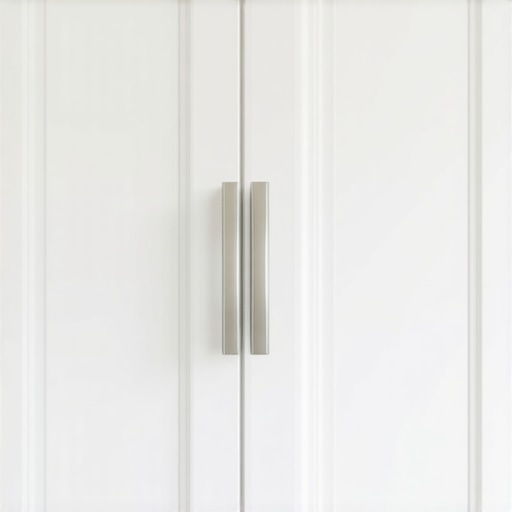
Start by researching finishes known for their fingerprint resistance. Matte or textured finishes tend to conceal smudges better than glossy surfaces. When I remodeled my kitchen, I opted for satin nickel hardware on matte black cabinets, and it immediately masked fingerprints, saving me time on cleaning. To see the options, visit this guide.
Prioritize Durable, Low-Maintenance Finishes During Selection
When selecting finishes, consider durability and ease of maintenance. Powder-coated or special fingerprint-resistant coatings can withstand frequent cleaning without dulling. I chose a polymer finish for my cabinets, which resisted smudges even after months of cooking and handling. To explore more finishes, check this resource.
Prepare Cabinets and Hardware for Optimal Finish Application
Before applying any finish, clean all surfaces thoroughly with a degreaser to remove oils and residues. Lightly sand the cabinet surfaces with fine-grit paper to ensure proper adhesion. When I did this, I used a tack cloth to remove dust, which made the finish adhere smoothly and look uniform. For detailed steps, see this article.
Apply the Picked Finish Correctly for Best Results
Follow the manufacturer’s instructions precisely—using a high-quality brush or sprayer for even coverage. Apply thin coats, allowing each to dry completely before adding the next. I learned this the hard way when I rushed and ended up with streaks; patience yielded a flawless finish. For techniques on application, visit this guide.
Maintain Your Cabinets for Long-Lasting Cleanliness
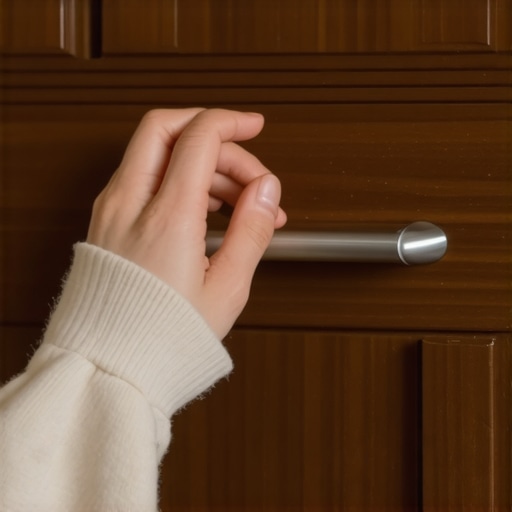
Regularly wipe your cabinets with a soft, damp cloth to remove fingerprints and grease. Avoid harsh abrasives that can dull the finish. If smudges persist, use a mild soap solution. When I adopted this routine, I drastically reduced the appearance of fingerprints, keeping my kitchen looking pristine for longer periods. For more maintenance tips, see this article.
When it comes to designing your dream kitchen or living space, a widespread myth persists: that more affordable, off-the-shelf solutions are just as effective as custom-designed built-ins. In reality, this misconception often leads homeowners to underestimate the nuances that separate professional-grade custom cabinetry from generic options. One overlooked aspect is the importance of precisely tailored storage solutions that work seamlessly with your home’s unique architecture, which can significantly impact both functionality and aesthetic appeal. Many assume that choosing standard sizes and finishes will suffice, but in my experience, detailed customization ensures optimal use of space and enhances overall design coherence.
Additionally, a common trap is underestimating the time and craftsmanship involved in creating truly bespoke cabinets. Rushing the process or opting for cheaper materials can result in inferior durability and appearance, forcing costly replacements or reworks down the line. Remember, quality craftsmanship and thoughtful planning don’t just add beauty—they prevent headaches and expenses down the road. For example, integrating innovative storage solutions like hidden compartments or specialty drawers can maximize small spaces—an area where DIY projects often fall short. Explore how professional builders utilize these features in this guide.
A mistake many overlook is neglecting to consider future needs. As your lifestyle evolves, so should your storage. Preemptively designing adaptable or expandable cabinetry can save you from disruptive remodels later. This is especially crucial if you plan to stay in your current home long-term. Additionally, choosing hardware that aligns with your aesthetic while offering longevity enhances both form and function, which is often underestimated. For insights into hardware choices that hold up over time, check this article.
Perhaps most importantly, in my practice, I’ve seen many homeowners fall into the trap of prioritizing style over practicality. While a stunning finish might catch your eye, it’s the hidden nuances—like proper construction techniques, moisture-resistant finishes, and methodical installation—that determine durability. Overlooking these details can lead to warped panels or hardware failures prematurely. A deep understanding of these advanced elements distinguishes professional projects from amateur attempts, saving you money and stress. For a comprehensive look into these subtleties, consider reading this piece.
Curious about how to spot quality craftsmanship and avoid common pitfalls when investing in built-ins? Remember, a well-planned, expertly executed cabinetry system not only elevates your space but also offers long-term value—something that generic solutions simply can’t match. Have you ever fallen into this trap? Let me know in the comments.
Keeping it working: Tools I recommend for cabinet maintenance and scaling
Maintaining high-quality custom cabinets and built-in storage solutions requires more than just routine cleaning; it demands the right tools and a strategic approach to long-term care. Over the years, I’ve honed a toolkit designed specifically for durability, precision, and efficiency, ensuring my installations remain functional and beautiful over the years.
To start, I swear by a high-grade electric detail sander, such as the Fein MultiMaster. Its variable speed and ergonomic design make it perfect for light touch-ups and preparing surfaces for refinishing. I use it regularly when I notice tiny scratches or when applying new finishes, providing a smooth, uniform surface that extends the life of the finish and keeps maintenance minimal.
Another essential item is a quality, microfiber cleaning cloth—preferably with anti-static properties. These help me remove dust and fingerprints without scratching delicate finishes or leaving streaks. Coupled with a mild, pH-balanced wood cleaner, I’ve found this combo preserves cabinet surfaces while making routine cleaning faster and more effective.
For checking and ensuring alignment or level installation over time, I recommend a digital laser level like the Bosch GSL2. Accurate leveling is crucial not just during installation but also for identifying shifts or settling that might cause doors or drawers to misalign eventually. Regular checks with a laser level can alert you to issues before they become costly repairs, especially when scaling up projects or adding additional built-ins.
How do I maintain custom storage solutions over time?
Long-term maintenance involves periodic inspections to identify loose hardware, worn hinges, or sagging shelves. I develop a routine to tighten screws and lubricate moving parts at least twice a year using a silicone-based lubricant, such as WD-40 Specialist Silicone Lubricant. This prevents squeaks and keeps drawers gliding smoothly, prolonging their service life and reducing the frequency of repairs.
In terms of scaling, investing in modular components and adaptable hardware allows your built-ins to evolve with your needs. As your storage requirements change—say, from family findables to seasonal decor—these upgrades are straightforward when you use systems with adjustable shelves, such as those with a track-mounted or quick-release mechanism. Professional-grade hardware from brands like Blum ensures durability and ease of adjustment over the years.
Looking ahead, I believe the trend will increasingly favor IoT-enabled smart hardware that can alert homeowners to maintenance needs remotely. Integration with home automation systems will make upkeep seamless, reducing downtime and preserving value. For now, the best approach remains a combination of quality tools and proactive routines—like checking hinges, cleaning surfaces, and adjusting hardware periodically—to keep your investment working flawlessly for decades.
Try incorporating a digital level into your maintenance routine this month—it’s a game-changer for early detection of misalignments and ensuring your cabinetry stays perfectly functional and visually appealing. And for ideas on optimizing your storage scale, explore this resource for inventive solutions.

The Hardest Lesson I Learned About Custom Cabinets and Built-Ins
- Choosing a finish solely for style without considering fingerprint resistance can turn your beautiful kitchen into a daily cleaning battle. I once selected a glossy white finish for its elegance but soon regretted it, as every fingerprint and smudge was glaringly obvious. It was a valuable lesson in prioritizing practicality alongside aesthetics.
- Investing time in understanding different hardware finishes saved me countless hours of maintenance. Matte and textured finishes disguise fingerprints better, and knowing this upfront meant I could select options that kept my cabinets looking pristine longer.
- Skimping on preparation before applying finishes led to uneven textures and streaks. Proper cleaning, sanding, and following manufacturer instructions made all the difference in achieving a flawless, durable surface that withstands the test of daily use.
- Scalability and flexibility in storage solutions simplified future upgrades. Modular hardware and adjustable shelves allowed my custom-built-ins to evolve with my family’s changing needs, proving that planning ahead truly rewards long-term usability.
- Finally, routine maintenance routines involving the right tools—like microfiber cloths and proper lubricants—preserve beauty and functionality. I now look forward to caring for my cabinets, knowing that maintenance can be quick and straightforward when done with intention.
My Essential Toolkit for Custom Cabinets and Built-Ins
- Electric Detail Sander:** The Fein MultiMaster is my go-to for light touch-ups and smoothing surfaces, extending finish lifespan.
- Microfiber Cleaning Cloths:** Their anti-static properties make routine dusting and fingerprint removal fast and scratch-free.
- Digital Laser Level:** Bosch GSL2 ensures precise leveling over time, catching shifts before they cause misalignments.
- Silicone-Based Lubricant:** Regular application keeps hinges and drawer slides operating smoothly, reducing repairs and squeaks.
- Adjustable Hardware Systems:** Brands like Blum provide flexibility to adapt your storage as needs change, a key to longevity and satisfaction.
Elevate Your Space, Embrace the Future
Designing or renovating your kitchen with custom cabinets and built-ins is more than just choosing beautiful surfaces; it’s about creating a practical, enduring environment tailored to your life. The insights and tools I’ve shared are meant to inspire you to think strategically, act confidently, and enjoy the process of transforming your home. Remember, a well-crafted storage solution isn’t just a design element—it’s a foundation for everyday convenience and joy. Are you ready to start your journey towards a smarter, sleeker kitchen? Share your plans or questions below, and let’s make your vision a reality.