5 Signs Your Cabinet Bases Are Rotting Quietly Under the Sink
I’ll never forget the sound of my heel crunching through what I thought was solid wood. I was just reaching for a spare roll of paper towels when my foot slipped, and the entire floor of my sink cabinet gave way. It wasn’t a sudden flood or a burst pipe; it was a slow, agonizing drip-drip-drip that had been feeding the rot for months while I stayed blissfully unaware. That “squishy” moment cost me thousands in repairs. This is why I’m obsessed with helping my neighbors catch these issues early. Today, we are going to look at the silent killers lurking behind your cabinet doors and how to stop them before they ruin your [image_placeholder] [modern kitchen remodel](https://artisancabinetworkz.com/modern-kitchen-remodels-featuring-custom-cabinets-and-built-ins). The goal is to spot the damage before it spreads to your structural framing.
Your Sink Base is a Ticking Time Bomb
I made the classic rookie mistake of assuming that if I didn’t see a puddle, there wasn’t a problem. Early in my DIY journey, I relied on [low-grade plywood](https://artisancabinetworkz.com/how-to-tell-if-your-cabinet-maker-is-using-low-grade-plywood-2) and figured it could handle a little moisture from a damp sponge. I was wrong. Water is patient. It finds the gaps, the unsealed edges, and the porous fibers of your [custom cabinets](https://artisancabinetworkz.com/the-ultimate-guide-to-custom-cabinets-for-a-stylish-kitchen-overhaul). By the time you see the damage on the exterior, the core is usually gone. This is why [what a Sacramento home inspector finds](https://artisancabinetworkz.com/what-a-sacramento-home-inspector-finds-hiding-under-your-kitchen-sink) is often a horror story of black mold and crumbled particle board hidden behind a facade. Even if you have [innovative storage solutions](https://artisancabinetworkz.com/innovative-storage-solutions-for-modern-kitchen-remodels), they won’t save you if the foundation of your island is turning into mulch.
Is a little moisture really going to ruin my kitchen?
The skepticism is fair. You might think it is just a tiny leak and that you will get to it eventually. But science isn’t on your side. According to the International Association of Certified Home Inspectors (InterNACHI), moisture trapped in enclosed spaces like sink bases can lead to structural mold growth in as little as 24 to 48 hours. This isn’t just about aesthetics; it is about the air you breathe. Have you ever opened your cabinet doors and been hit with a smell that you just couldn’t scrub away? If so, you’re already in the danger zone. We need to talk about [how to stop your sink cabinet from smelling like mildew](https://artisancabinetworkz.com/how-to-stop-your-sink-cabinet-from-smelling-like-mildew) before the rot spreads to your beautiful [built-ins](https://artisancabinetworkz.com/creating-seamless-kitchen-remasters-with-built-in-storage-solutions). Today, we’re going to walk through the physical signs that your cabinet is fighting a losing battle.
Put a Waterproof Shield Between Your Pipes and Your Wood
Your sink base is essentially the hull of a boat, but it’s built upside down. Instead of keeping water out, it’s designed to hold a giant basin of water directly above a wooden box. The first and most critical step in any modern kitchen remodel is installing a physical barrier. I’m not talking about a couple of paper towels or a plastic tray. I’m talking about a custom-fit, silicone or rubberized tray with a high lip.
Ditch the Puddles with a Better Liner
I once saw a gorgeous set of custom cabinets completely ruined by a $10 soap dispenser that leaked over three weeks. This is why you need a waterproof liner in your sink base cabinet before you even turn on the water. Think of it like a raincoat for your wood. These liners feature a raised edge that can hold up to a gallon of water, giving you time to notice the leak before it hits the grain.
Swap Out Spongy Materials for Real Plywood
If you are currently planning a renovation, you need to be extremely picky about what goes into the ‘wet zones.’ Standard builders often use particle board because it’s cheap, but in a sink base, it’s a death sentence. It’s why we always emphasize why we recommend plywood cases over particle board for anything carrying weight or moisture. Plywood is layered like a stack of cards glued together; it might swell slightly, but it won’t disintegrate into oatmeal the moment it gets damp.
The Vancouver Plumber Trick for Better Access
I learned a clever move from a journeyman years ago that I now include in every custom cabinets as a game changer in your kitchen remodel journey. It’s called the removable cabinet panel hack for faster emergency plumbing access. Instead of nailing the back panel of the sink cabinet permanently, we secure it with a few easily accessible screws. This allows a plumber to get to the wall valves without sawing through your beautiful cabinetry. It’s a small detail that saves thousands when a pipe decides to fail at 3 AM.
Master the Art of the Early Detection
Preventing rot isn’t just about the build; it’s about the habits you form. You should be performing the sink base drainage repair every homeowner needs to prevent cabinet rot at the first sign of a loose p-trap. I make it a habit to check my own sink every time I change the trash bag. If I feel even a hint of humidity, I know something is loose. This proactive approach is the only way to ensure your expert tips on selecting storage solutions for a perfect kitchen upgrade remain functional and beautiful for decades.Once you’ve tackled the rot beneath the sink, it’s time to address the structural and design traps that even seasoned DIYers fall into. Most people believe that the key to a successful kitchen upgrade is simply adding more cabinets. However, I’ve found that raw volume is often the enemy of a truly functional space. If you prioritize quantity over flow, you end up with a cluttered room where you can’t even open the dishwasher while someone is at the stove. This is a classic ‘Oops’ factor that turns a high-end project into a daily frustration. Let’s look at the nuances of modern kitchen remodels featuring custom cabinets and built-ins that go beyond the surface.
Stop Chasing Square Footage and Start Measuring Depth
One of the most common myths is that ‘standard’ dimensions are standard for a reason. In reality, standard 12-inch upper cabinets are a relic of the past. If you’ve ever tried to fit a modern oversized dinner plate into an old cupboard, you know the struggle. This is why 15 inch deep upper cabinets are replacing the standard 12 inch in high-end designs. It’s a small change that offers a massive increase in utility without making the kitchen feel cramped. According to the National Kitchen & Bath Association (NKBA), a kitchen should have at least 15 inches of landing area on each side of a cooktop for safety and function—a detail many homeowners ignore in favor of more ‘storage’ boxes. By understanding the 15-inch depth rule, you can ensure your transform your kitchen with custom cabinets expert guide for 2025 stays ahead of the curve.
Don’t Let Your Oven Kill Your New Cabinets
Another trap involves material choice near heat sources. I see many people opt for Thermofoil because of its sleek, seamless look. However, the truth about thermofoil is that it is essentially a plastic wrap that hates heat. If you install these doors right next to a self-cleaning oven, the high temperatures can cause the edges to delaminate and peel within months. To prevent this, you need heat shields or, better yet, a move toward expert tips on selecting storage solutions for a perfect kitchen upgrade that prioritize solid wood or heat-resistant laminates in ‘hot zones.’ Dealing with these nuances early is what separates a professional job from a weekend mistake.
How Much Breathing Room Does Your Island Really Need?
The biggest mistake I see in innovative storage solutions for modern kitchen remodels is ignoring clearance. You might want a massive island for those built-ins and storage hacks for a sleek functional kitchen, but if you don’t have why you need a 36-inch clearance between your island and countertop, you will constantly be bumping hips. Even if your hardware is top-tier, the kitchen will feel ‘off’ if the spatial geometry is wrong. If your drawers feel like they are catching, don’t assume the wood is warped; check the mechanics. Often, why soft close hinges fail is simply due to improper weight distribution or tension that hasn’t been calibrated for the specific door weight. Have you ever fallen into the ‘more is better’ storage trap only to realize you can’t move? Let me know in the comments.
Once the dust settles on your modern kitchen remodel, the real work of preservation begins. I’ve seen homeowners spend a fortune on the ultimate guide to custom cabinets for a stylish kitchen overhaul only to let the hinges sag or the drawer slides gum up within three years. Mechanical failure isn’t always a sign of poor quality; often, it’s a sign of a house settling or simple lack of calibration. If you want that ‘showroom’ feel to last a decade, you need to think like a builder, not just a decorator.
Keep Your Hinges from Going Rogue
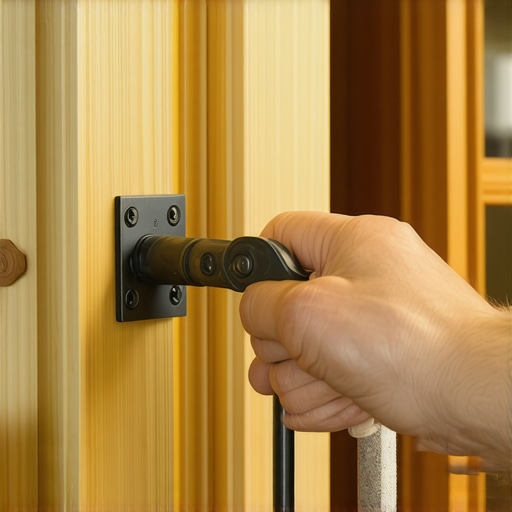
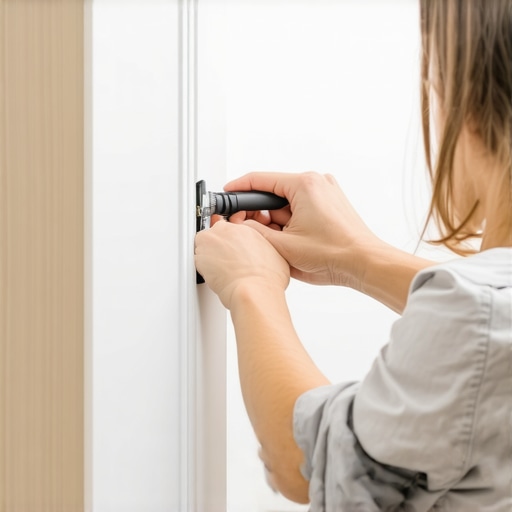
The most common complaint I hear is that doors are suddenly hitting each other or won’t stay shut. This is usually due to the weight of the door pulling on the mounting plate over time. If you went with the pros, you likely have European hinges, which are the gold standard for a reason: they are three-way adjustable. You don’t need a contractor to fix a crooked door; you just need a #2 Pozidriv screwdriver. Knowing how to adjust European hinges when your doors are crooked is the single most important skill for a cabinet owner. A quarter-turn on the depth screw can be the difference between a seamless look and a door that grinds against the frame.
How can I keep my custom drawers sliding like new for years?
Maintenance is mostly about cleanliness and tension. High-end slides, especially those used in innovative storage solutions for every room, use ball bearings or nylon rollers that hate grit. Once a year, I pull my drawers out completely to vacuum the tracks. If you notice your heavy pots-and-pans drawer is starting to dip, it’s time to check why soft close hinges fail and the simple tension adjustment required to bring them back to life. If you ignore the ‘slam,’ you are putting unnecessary stress on your quality dovetail joinery, which can eventually loosen the drawer face.
The Small Tool Every Homeowner Should Own
If you live in a climate with high humidity or harsh winters, your wood is constantly moving. According to the USDA Forest Products Laboratory’s Wood Handbook, the equilibrium moisture content for indoor woodwork should ideally stay between 6% and 8% to prevent structural warping. To monitor this, I personally recommend a pinless moisture meter. It allows you to check the health of your modern kitchen remodels featuring custom cabinets and built-ins without poking holes in the finish. If you see the moisture levels in your sink base rising above 12%, you have a slow leak you haven’t found yet.
Looking toward the future, I predict we will see moisture-sensing technology built directly into the toe-kicks of high-end cabinetry. Until then, you are the primary sensor. I’ve found that even the best built-ins and storage hacks for a sleek functional kitchen require a proactive eye. If you notice the reason your slow close drawers still slam is actually a buildup of kitchen grease on the pistons, a simple wipe with a microfiber cloth and a drop of silicone lubricant will fix it instantly. My challenge to you: go to your kitchen right now and find the one door that doesn’t sit perfectly flush. Use that screwdriver to adjust the lateral screw—you’ll be shocked at how much better the whole room looks when the lines are straight.
The Hardest Lesson I Learned About Choosing Custom Cabinets
Early in my career, I thought I could save money by using cheaper fillers in areas that ‘nobody sees.’ I learned the hard way that moisture doesn’t care if a spot is visible; it only cares if the material is absorbent. Now, I tell everyone that a modern kitchen remodel is only as strong as its weakest joint. If you are starting your journey, don’t overlook the importance of revolutionizing your kitchen remodel using built-ins that prioritize airflow and accessibility. My lightbulb moment came when I realized that high-quality plywood isn’t an expense; it’s an insurance policy against the inevitable ‘oops’ moments of home life.
My Essential Toolkit for Your Next Kitchen Overhaul
For those ready to dive deep into a renovation, I always keep a few things handy. First, the NKBA (National Kitchen & Bath Association) guidelines are my bible for clearances and spatial flow. Second, I swear by a #2 Pozidriv screwdriver; it is the only way to avoid stripping the heads on high-end hardware when you need to adjust your doors. Lastly, keep a digital folder of smart storage ideas to maximize your kitchen space to stay inspired during the messy demolition phase. I trust these tools because they focus on precision and longevity, ensuring that your investment doesn’t just look good on day one, but stays functional for years.
Take Control of Your Kitchen’s Future
Building a kitchen isn’t just about installing boxes; it’s about the life that happens between them. Whether you’re implementing the 15-inch depth rule to fit your dinnerware or just trying to keep your sink base dry, every small decision adds up to a home that serves you rather than stresses you out. Your modern kitchen remodel should be a source of pride, not a list of maintenance chores. If you ever feel overwhelmed by the technical details of hinges or material grades, feel free to contact us for expert guidance on your next project. [image_placeholder_final]
Have you ever struggled with a cabinet door that just wouldn’t stay straight or a leak that went unnoticed? Let me know your biggest kitchen repair hurdle in the comments below!