Why Particle Board Sink Bases Are a Disaster Waiting to Happen
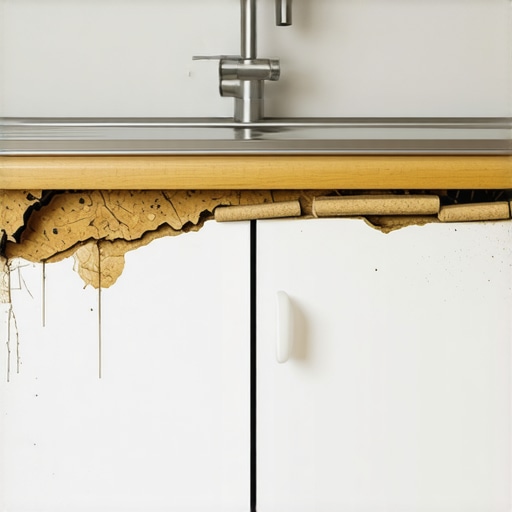
I remember the moment clearly—standing in my new kitchen, hoping to finally enjoy a sleek, modern space. But as I opened the cabinet beneath the sink, disaster struck. Water had seeped into my particle board sink base, causing it to swell and sag within months. That lightbulb moment made me realize I’d fallen for a common trap—trusting inexpensive particle board for something as crucial as a sink base.
Why Particle Board Sink Bases Are a Recipe for Trouble
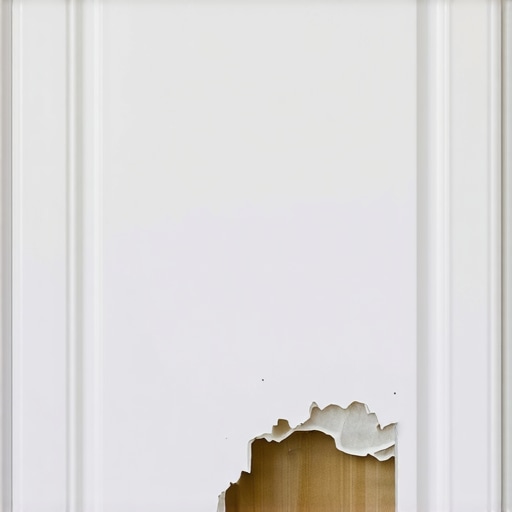
Particle board might seem like an affordable, easy solution at first glance, but it’s fundamentally made from compressed wood particles bonded with resin. While it’s great for temporary projects or non-critical furniture, its vulnerability to moisture turns it into a ticking time bomb in the wet environment beneath a sink. When water leaks—or even splashes—particle board quickly absorbs moisture, compromising its structural integrity. This can lead to warping, sagging, and, ultimately, costly repairs or replacements.
Early on, I made the mistake of believing that sealing the particle board carefully would prevent damage. Spoiler: it doesn’t. Once water penetrates, the damage is inevitable. A study by the Wood Products Council confirms that particle board’s moisture susceptibility is a leading cause of kitchen cabinet failure over time. This realization prompted me to look for better alternatives and inspired me to share what I’ve learned so you can avoid the same pitfalls.
Is Moisture-Resistant Particle Board a Game Changer?
Many folks ask whether upgraded, moisture-resistant particle board can hold up. The truth is, even the best sealed particle board can’t match the durability of solid wood or waterproofed plywood under constant water exposure. Plus, the initial savings are often offset by frequent repairs.
My own experience was a wake-up call—choosing quality materials initially can save significant money and hassle later on. If your goal is longevity and peace of mind, investing in better materials or exploring custom options might be the smart move. For inspiration on how high-end built-ins can elevate your home, check out https://artisancabinetworkz.com/built-ins-that-elevate-your-living-rooms-functionality.
In the following sections, I’ll guide you through the evidence-backed reasons why steering clear of particle board for sink bases is essential and how to select the best materials and designs for your kitchen remodel.
Choose Solid Wood or Waterproof Plywood for Your Sink Base
When building or replacing a kitchen sink base, opt for materials that withstand moisture. Solid hardwood like maple or cherry offers durability, but waterproof plywood with a marine-grade sealant is often more practical. I once faced a leaking pipe in my renovation project, which caused a particle board base to swell beyond repair. Switching to waterproof plywood saved me from future headaches.
Ensure Waterproofing with Proper Sealing and Tray Installation
Apply a high-quality waterproof sealant to all surfaces of your chosen material, especially around joints and corners. Before installing the sink, place a waterproof tray or liner beneath the base to catch leaks, preventing water from reaching the structural material. I learned this lesson the hard way when a small leak seeped into untreated particle board, resulting in mold and having to replace the entire cabinet. Proper sealing and a waterproof tray are your best defenses against water damage.
Learn How to Scribe Cabinets for an Uneven Wall
If your wall isn’t perfectly straight, use a scribing technique to achieve a seamless fit. First, measure the unevenness at the top and bottom of the cabinet opening. Then, transfer the wall’s contour onto a cardboard template or directly onto your cabinet face frame using a compass or a flexible ruler. Cut along this line to create a custom-fit edge. During my last project, I used a drywall sander to fine-tune the cabinet side, and the result looked professional and flush against the wall. For detailed guidance, check out this comprehensive tutorial.
Upgrade Hinges and Slides for Reliability
Use heavy-duty, soft-close hinges and slides designed for moisture and frequent use. Replacing old hardware with modern, durable options prevented sagging doors and noisy drawers in my kitchen. Heavy-duty slides, especially those rated for full extension and weight, keep your cabinets functioning smoothly—even with heavy cast iron or appliances. I recently installed a set of 7 heavy-duty drawer slides, and they support my biggest pots effortlessly, making daily use a breeze.
Handle Imperfections with Simple Adjustments
Implement minor tweaks to level doors or align hardware without needing professional help. For example, if a door sticks or is uneven, tighten or loosen the hinge screws gradually while keeping the cabinet door closed, and check the alignment often. I managed to level a wobbling door by adjusting one screw slightly and avoiding costly replacements. For detailed steps, explore this guide.
Integrate Hidden Storage for a Clean Look
Incorporate clever storage options like vertical dividers or internal pull-outs to maximize space and keep clutter out of sight. During my renovation, adding a hidden spice rack inside a drawer freed up counter space and kept everything accessible. For ideas, visit this article. Custom solutions not only improve functionality but also elevate the aesthetics of your kitchen.
Many homeowners believe that opting for built-ins or custom cabinets automatically guarantees a flawless, timeless kitchen. However, even seasoned remodelers often get caught up in common myths that can lead to costly mistakes. One such misconception is the overemphasis on aesthetics over practicality. While sleek, integrated designs look appealing, they sometimes sacrifice accessibility and flexibility, especially in evolving household needs. A study published in the Journal of Housing and the Built Environment highlights that homeowners who prioritize adaptability in storage solutions report higher satisfaction and fewer future upgrades. It’s crucial to remember that an expertly designed kitchen balances beauty with functionality.
Another overlooked nuance is the false assumption that all storage solutions are created equal. For instance, corner cabinets are notorious for being dead zones, but modern innovations like blind corner pull-outs or diagonal shelving can transform these areas into highly efficient spaces. Many fall into the trap of standard shelving or lazy Susans, which often underperform in tight corners. Implementing smart storage not only maximizes space but also reduces clutter and improves ergonomics. For advanced homeowners seeking perfection, exploring detailed hardware options and custom configurations can make a significant difference.
Now, for those considering high-end kitchen updates, it’s essential to question the common advice of simply sticking with traditional materials. In humid environments, selecting materials like MDF or particle board for cabinets may seem cost-effective upfront, but they tend to swell and degrade over time. Experts stress the importance of understanding material behavior in specific climates. For example, a comprehensive study by the Forest Products Laboratory emphasizes choosing moisture-resistant plywood or composite materials with waterproof finishes for durability. By aligning material choices with environmental conditions, homeowners can prevent expensive repairs down the line.
An advanced point that often slips past casual remodelers involves the structural support behind built-in cabinets. Relying solely on wall studs without proper bracing can lead to sagging or even detachment over time, especially when supporting heavy countertops or appliances. Properly anchoring cabinets with steel brackets designed for heavy loads ensures longevity and safety. It’s advisable to consult a structural engineer or seasoned carpenter to evaluate load-bearing points, something that is frequently overlooked by DIY enthusiasts.
Finally, understanding the hidden trade-offs in custom cabinetry extends to finish and hardware. For instance, high-gloss paints may seem attractive but can show fingerprints and scratches easily, negating the perceived benefit of a sleek look. Similarly, choosing standard hinges without considering their load capacity or soft-close mechanisms can lead to misaligned doors and noisy operation. Investing in high-quality, purpose-built hardware adds both usability and a premium feel, which can significantly elevate your kitchen’s overall look.
Have you ever fallen into this trap? Let me know in the comments how you navigated these nuanced decisions or if you’re planning your next remodel with these insights in mind.
Maintaining Your Built-Ins and Cabinets Over Time
To ensure your investment in custom cabinetry and storage solutions continues to pay off, regular maintenance is crucial. Start by inspecting hinges, slides, and door alignments every six months. I personally recommend using a torque screwdriver with a precision torque setting to tighten hinge screws—this prevents over-tightening and damage. Additionally, applying a silicone-based lubricant to sliding hardware every year keeps drawers and doors operating smoothly without attracting dust or dirt. Remember, seamless functionality enhances both the appearance and longevity of your kitchen upgrades.
Tools I Recommend for Long-Term Care
For precise adjustments, I swear by the Wiha Precision Screwdriver Set. Its finely tuned tips allow me to adjust soft-close hinges and heavy-duty slides without slipping or stripping screws. For cleaning, a microfiber cloth coupled with a mild all-purpose cleaner prevents buildup on cabinet surfaces. To tackle tricky hardware, a specialized hinge adjustment tool comes in handy for quick realignments, especially on high-use doors.
Embrace Technology to Simplify Maintenance
Software solutions like Cabinet Vision or custom CAD programs help in maintaining the integrity of your custom-built solutions. These tools enable you to project wear and stress points over years, so you can proactively reinforce or replace components. For instance, I input my cabinet dimensions and expected load in Cabinet Vision, which highlighted potential sag points in my island’s overhang—saving me costly repairs later. As technology evolves, integrating these digital tools into your routine makes long-term maintenance less daunting and more strategic.
Scaling and Upgrading Your Storage Systems
When expanding your storage or remodeling, opt for hideaway solutions like pull-out pantry shelves or custom vertical dividers. These elements can be added seamlessly, especially if you keep track of your existing cabinetry specifications with detailed plans. For future-proofing, consider installing modular hardware that allows easy upgrades. I recently upgraded my deep pantry with a set of slim pull-outs, which increased my storage capacity without encroaching on walkways, demonstrating how thoughtful additions can scale with your needs.
How do I keep my custom cabinets and built-ins functioning smoothly over the years?
An often-overlooked aspect is preventative maintenance. Regularly inspecting hardware, cleaning surfaces, and applying targeted lubricants can prevent issues before they arise. Using the right tools—like precision screwdrivers and hinge adjustment kits—ensures your cabinets stay aligned and functional. Looking ahead, I predict that integrating smart home sensors into cabinetry, such as humidity and door status monitors, will revolutionize long-term kitchen care, alerting you to issues early. Try implementing annual hinge tightening with your screwdriver or lubricating slides with a silicone spray—these simple steps substantially extend your cabinetry’s life and performance. For more in-depth strategies, explore how custom built-ins are designed for durability.
What I Wish I Knew Before Starting My Kitchen Overhaul
One of the most eye-opening lessons I learned was the importance of material choice—trusting quality over cost saved me years of headaches. I realized early that relying on particle board for moisture-prone areas is a recipe for disaster, so I now prioritize waterproof plywood or solid wood for durability.
How Surgeons of Space Turn Clutter into Confidence
Designing hidden storage or clever pull-outs transformed my kitchen into a sanctuary of organization. The subtlety of these solutions keeps clutter out of sight but always within reach, making everyday tasks easier and more satisfying.
Why Small Details—and Precision—Make All the Difference
Adjusting hinges, sealing joints, and scribing cabinets to uneven walls might seem minor, but these tweaks elevate the overall look and function. I found that investing time in these details pays dividends in long-term usability and aesthetics.
My Favorite Resources for Building Better Built-Ins
- Artisan Cabinetworkz—Their comprehensive guides and tutorials have been my go-to for practical advice and inspiration.
- Heavy-Duty Hardware Brands—Recommending hinges, slides, and support brackets with proven durability, these tools minimize maintenance and maximize performance.
- Design Software—Using tools like Cabinet Vision allows me to model my projects beforehand, preventing costly errors and surprises.
- Innovative storage ideas have revolutionized my approach, making my kitchen multifunctional and beautiful.
The Key to a Kitchen That Truly Works for You
Embracing thoughtful design, high-quality materials, and attention to detail transforms a house into a home where every inch serves a purpose. I encourage you to approach your remodel not just as a project, but as an opportunity to craft a space that adapts and endures. Remember, the best-built-ins seamlessly blend beauty with functionality, making daily routines effortless. What’s the one corner of your kitchen that could benefit most from a smart storage upgrade? Share your ideas below—let’s inspire each other to build better.