Why Inset Doors Cost More and When to Choose Them
Ever had that moment during a kitchen remodel when you see those sleek, flush inset doors and wonder, “Why do they seem to cost so much more?” I remember my first project, obsessing over every dollar, only to be blindsided by the unexpected expense of inset doors. Initially, I brushed it off, thinking it was a luxury I didn’t need. But soon, I discovered that these doors aren’t just about style—they offer a level of craftsmanship and customization that standard cabinets can’t match. Still, their higher price tag left me questioning whether they were worth it—and honestly, I know a lot of homeowners feel the same way. So today, I want to share my experience and break down why inset doors tend to cost more and, more importantly, when they make sense for your home.
Unpacking the Cost: Why Inset Doors Are Usually More Expensive
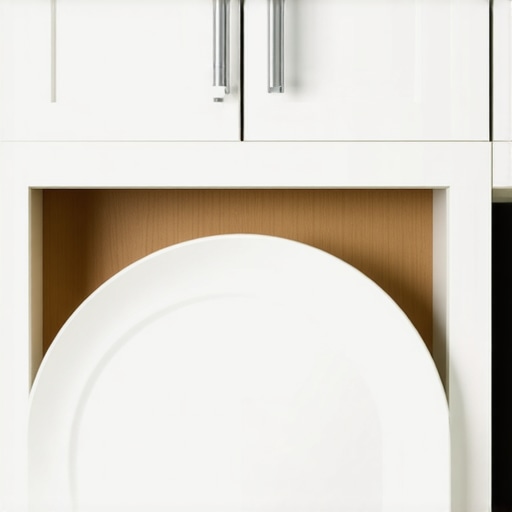
The first time I inquired about inset cabinet doors, I was surprised by the price difference. It wasn’t just a few extra dollars; the cost could easily double compared to overlay styles. The reason? Inset doors require precise construction and finishing. They sit flush with the cabinet frame, which demands exact measurements and flawless hinges. Any misalignment becomes glaringly obvious, so quality craftsmanship is essential. Additionally, the hinges used in inset doors are often specialized to ensure the doors close perfectly without gaps or sticking, which also drive up costs.
Early in my project, I made the mistake of choosing cheaper hinges without considering their quality. The result? Doors that swung open on their own or wouldn’t latch properly. That was a lesson in the importance of investing in the right hardware, especially for inset designs. In general, the higher initial investment in inset doors pays off through their timeless look and durability, but the upfront costs can be eye-opening.
Is It Really Worth the Extra Money?
This is the big question, isn’t it? My advice is: evaluate what you value most in your space. If you’re after a seamless, furniture-like finish and a cleaner appearance, inset doors are hard to beat. They can elevate your kitchen’s style, making it look more custom and high-end. But if budget constraints are tight, and you’re okay with a traditional look, overlay cabinets may suffice. To help decide, check out modern kitchen remodel ideas that showcase inset doors and see if their aesthetic matches your vision.
If you’re considering this upgrade, it’s crucial to understand exactly when inset doors add value and when they might be an unnecessary expense. I’ll walk you through those details next—so stay tuned!
Let’s dive into how to decide whether inset doors are the right choice for you and your home’s style.
Measure Your Space Precisely
Start by meticulously measuring the cabinet openings to ensure inset doors will fit perfectly. In my first project, I used a tape measure and a squared carpentry ruler to double-check every dimension—nothing beats precision. A misstep here means doors won’t sit flush, causing gaps or sticking. Use a calibrated tape for accuracy, and record measurements on a dedicated sheet to avoid confusion later.
Select Quality Hardware for Smooth Operation
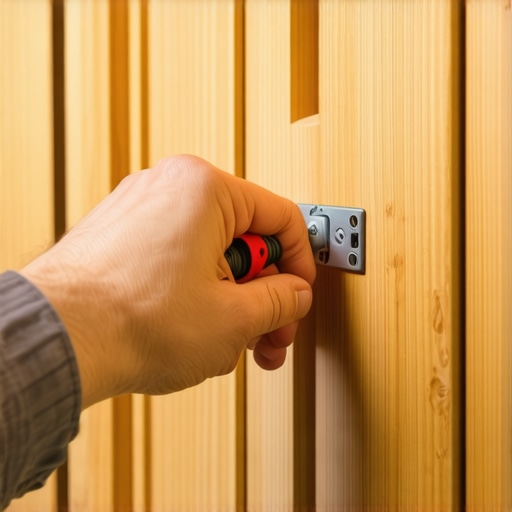
Hardware is the backbone of inset doors. I once installed cheap hinges, which resulted in doors that sagged or failed to close properly. Invest in high-quality, self-closing, or soft-close hinges designed for inset applications. These hinges often have adjustment screws that allow fine-tuning, making doors close smoothly and stay aligned. Remember, durable hinges save you headaches down the line.
Use a Level for Perfect Alignment
Achieving a flush, seamless look requires the doors to be perfectly aligned. I recommend clamping the doors temporarily, then checking their positioning with a carpenter’s level. Slight misalignments are common; small adjustments to hinges can correct these. In one case, I had to re-drill hinge holes slightly off-center, which corrected a stubborn uneven gap. Patience and a good level are your best tools here.
Practice Fine-Tuning Hinges and Latches
Inset doors demand expert adjustment. I learned this by trial and error—initially, doors would stick or not latch properly. By turning the hinge adjustment screws incrementally, I managed to get them perfectly aligned. Use a screwdriver to make small tweaks, checking the fit after each turn. This iterative process is essential for that professional, flush finish.
Test Doors Under Real Conditions
Before finalizing the installation, open and close the doors multiple times, paying attention to gaps and ease of movement. I once ignored this step and ended up with doors that stuck during busy mornings. Make sure latches catch securely and doors close quietly. Testing under actual conditions ensures durability and prevents future adjustments.
Use Caulk or Filler for Final Touches
Even with perfect alignment, tiny gaps might remain. After installation, I used a color-matched caulk along the frame edges to hide minor imperfections, enhancing the seamless look. This step transforms a good-looking installation into a truly polished kitchen. Just apply the caulk carefully, smooth it out, and wipe away excess for a flawless finish.
Regular Maintenance Keeps Doors Flawless
Finally, remember that inset doors benefit from periodic adjustment and cleaning. I keep a small toolkit nearby for quick tweaks—tightening hinges or aligning doors as needed. Clean hinges with a soft cloth and lubricate them once a year to ensure smooth, silent operation. Routine attention prevents misalignment from becoming a bigger issue.
Many homeowners believe that installing built-ins or custom cabinets is a straightforward way to boost function and style, but let’s dig deeper. One common misconception is that all customizations automatically add value or durability. In reality, some so-called “custom” solutions can be complex traps if you’re unaware of nuanced pitfalls. For example, lazy Susans and pull-outs often seem like clever space savers but can become frustrating if poorly designed or installed without considering your specific workflow and cabinet structure.
Another myth is that built-ins are always more expensive than modular solutions. While generally true, overspending on overly ornate or poorly planned units can equate or surpass high-end aftermarket options. The key is understanding what quality custom looks like and ensuring the design aligns with your lifestyle needs.
Ever thought all storage solutions are equally effective? Think again
Many homeowners fall for popular trends like open shelving or overly deep drawers without considering their actual usability. For instance, innovative storage ideas highlight that the true value lies in tailored solutions—like vertical dividers for deep drawers or toe-kick drawers—that maximize space and reduce clutter. Skipping this nuanced planning often leads to wasted space and frustrated users, especially when cramped with poorly accessible items.
Advanced remodelers know that even seemingly minor details matter—such as the choice of door overlay styles or the proper weight capacity of drawers—since they influence long-term durability and user experience. Failing to consider materials’ impact on humidity, expansion, and wear can cause cabinets to warp or hardware to fail prematurely.
One often overlooked factor is the importance of precision in installation—incorrect leveling or misaligned hinges can cause doors to stick or gaps to emerge over time, making high-end designs look cheap. This is why professional calibration and meticulous attention to detail are critical, even when using premium materials and hardware. Do not underestimate the value of expert fit and finish; it can make or break your entire kitchen’s aesthetic and functionality.
Finally, be wary of the trap of assuming more storage always equals better. Sometimes, overly complex or customized systems can complicate access or maintenance. Instead, focus on simple, thoughtful designs that prioritize your daily routines. As the old saying goes, “Less is more,” especially when it results in smoother workflows and happier homes.
Understanding these hidden nuances ensures your investment in built-ins and custom cabinetry truly pays off, both functionally and aesthetically. Remember, careful planning, quality craftsmanship, and realistic expectations are your best tools in avoiding costly mistakes. Have you ever fallen into this trap? Let me know in the comments!
How Do I Maintain Built-Ins and Custom Cabinets Over Time?
Maintaining your built-ins and custom cabinets requires a combination of regular cleaning, proper hardware checks, and strategic upgrades. I personally recommend using a soft microfiber cloth combined with a gentle, pH-balanced cleaner like Howard Feed-N-Wax to preserve wood finishes without stripping protective coatings. This method ensures your cabinets retain their beauty while preventing dust buildup that can dull surfaces over months.
It’s crucial to periodically inspect hinges, drawer slides, and latches for signs of wear or misalignment. For example, I use a magnetic screwdriver with a ratcheting feature to expedite hinge adjustments—saving time during routine maintenance. Checking these components every six months can prevent small issues from escalating into costly repairs.
When I notice hardware starting to squeak or become loose, I apply a drop of lithium grease—preferably Sil-Glyde—to ensure smooth operation. For metal components exposed to humidity, like in kitchens or bathrooms, applying a corrosion inhibitor like Vaseline can extend their lifespan considerably. Regular lubrication not only guarantees functionality but also keeps cabinet movements silent and effortless.
Ventilation plays a surprisingly vital role. Ensuring proper airflow prevents moisture accumulation, which helps avoid warping and mold growth. In high-humidity areas, I install dehumidifiers or add ventilation fans near cabinetry. For long-term results, consider investing in high-quality hardware—like Blum soft-close hinges—which I’ve found can dramatically improve durability and user experience.
As technology advances, so do maintenance tools. I now utilize digital moisture meters from Extech to monitor humidity levels in my workshop, ensuring the materials I use or work on stay within optimal ranges. Additionally, software such as Cabinet Vision or 2020 Design can simulate wear and stress points, allowing you to anticipate issues before they happen. These tools are invaluable for professionals but are increasingly accessible to dedicated DIY enthusiasts.
Looking ahead, I predict that the integration of smart hardware—like hinge sensors that notify you of misalignments via smartphone—will become commonplace. Embracing these innovations now can keep your built-ins pristine and functional for decades, reducing the need for invasive repairs.
If you want to take your maintenance game to the next level, I recommend trying out a regular troubleshooting checklist combined with quality lubricants and digital monitoring. For deeper insights into unique storage solutions that reduce clutter and enhance accessibility, check out these innovative ideas. Remember, consistent upkeep not only preserves your investment but also ensures your home remains functional and inviting for years to come.
What Nobody Tells You About Hidden Costs in Built-ins
One of the most eye-opening lessons I learned was about the hidden expenses that often catch homeowners off guard. For instance, investing in high-quality hinges might seem like an extra, but it can save you from frequent adjustments and repairs down the line. I once thought the DIY route for hardware would save money, only to spend more weeks battling misaligned doors and sticking latches. That experience taught me to prioritize quality hardware upfront, which pays off in both aesthetics and durability.
Why the Perfect Fit Is a Game Changer
Understanding the importance of precise measurements changed everything for me. Small errors in measuring can lead to gaps or doors that don’t close flush—jeopardizing the sleek, seamless look of inset doors. I now use digital calipers and double-check every dimension, knowing that these tiny details cumulatively make or break the final result. Achieving a perfect, gapless finish isn’t just about aesthetics; it prolongs the lifespan of your cabinetry by reducing stress points and misalignments.
Thoughts That Transformed My Approach to Storage
Over the years, I’ve discovered that thoughtful, tailored storage solutions trump generic ones. Installing vertical dividers in deep drawers, for example, maximizes space and keeps utensils or lids easily accessible. The key is mimicking those strategic choices—like incorporating toe-kick drawers or hidden compartments—that complement your unique kitchen workflow. Carefully planning these elements avoids clutter and makes every inch of your built-ins work for you, not against you.
How Embracing Flexibility Can Save Your Project
Flexible design isn’t just a buzzword; it’s a necessity. I initially designed my cabinets with rigid layouts, only to find that later revisions would have been costly and disruptive. Now, I incorporate adjustable shelves and modular components, allowing easy reconfigurations as needs evolve. This adaptive mindset saves both time and money and ensures your built-ins remain functional and stylish over decades, not just years.
The Power of Small Details: Why They Matter
Sometimes, it’s the tiny touches that elevate your entire cabinetry project. Whether it’s a subtle bevel on a drawer front or a carefully chosen edge profile, these details add personality and refinement. I found that adding a soft-close feature, for instance, transforms everyday interactions into moments of luxury. Never underestimate the impact of these nuances—they make your built-ins not just functional, but remarkable pieces of your home’s story.
My Go-To Resources for Inspired Custom Cabinets
For anyone serious about creating standout cabinetry, I highly recommend exploring innovative kitchen remodel ideas. These projects showcase the latest trends and timeless craftsmanship, inspiring you to push creative boundaries. Additionally, books like “Cabinetmaking for Beginners” have provided invaluable insights into techniques that elevate both DIY projects and professional builds. Trustworthy hardware suppliers, such as Blum and Hettich, are also vital—they ensure smooth operation and long-lasting durability.
Why Taking Action Will Make Your Dream Kitchen a Reality
Ultimately, your journey toward masterful built-ins and custom cabinetry begins with a single step—embrace the learning curve and don’t shy away from experimentation. Every investment you make in quality, measurement accuracy, and thoughtful design will pay dividends, turning your vision into a stunning reality. Remember, building beautiful, functional spaces is an ongoing process, and each project adds to your expertise. So, get inspired, take action, and craft a space that truly reflects your unique style and needs.
What have been the most unexpected lessons you’ve learned during your kitchen remodels? Share your experiences below—I’d love to hear your stories!